
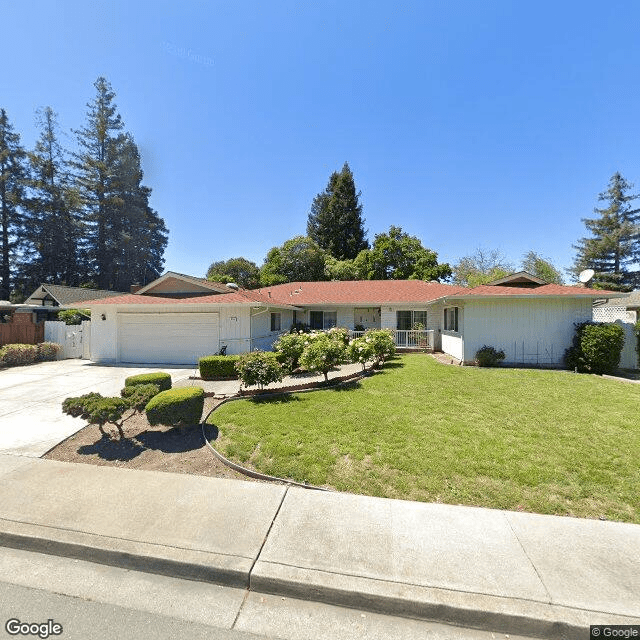
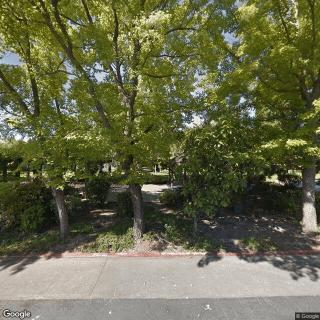
201 Wiget Lane, Walnut Creek, CA 94598
To contact a resident: (925) 513-8888
For more information about senior living options: (866) 208-4318
A & W Care Home III Costs & Pricing
A & W Care Home III offers a competitive monthly rate of $4,000 for private rooms, which positions it slightly below the average cost in Contra Costa County at $4,088. When compared to the broader state average in California, which stands at $3,939 for similar accommodations, A & W Care Home III provides value while maintaining a close alignment with regional pricing. This balance suggests that residents can expect not only quality care but also financial consideration when choosing this facility in comparison to both county and state norms.
| Floor plans | A & W Care Home III | Contra Costa County | California |
|---|---|---|---|
| Private | $4,000 | $4,088 | $3,939 |
Senior living communities with a similar price nearby
-
from -$500 / mo
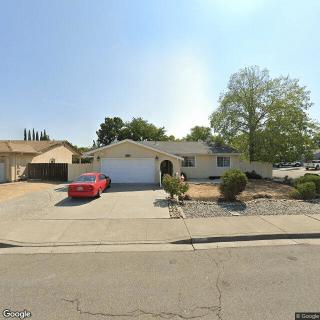
Gigi's Guest Home
$3,500 / month21.4 miles away -
About the same
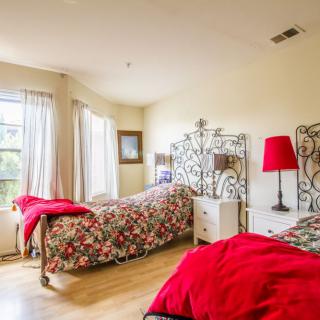
Golden Age Of Channing Way
$4,000 to $5,000 / month17.4 miles away -
from -$500 / mo
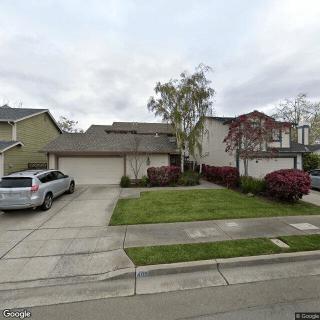
Angels Golden Care Assisted Living
$3,500 to $5,000 / month17.6 miles away -
from +$500 / mo
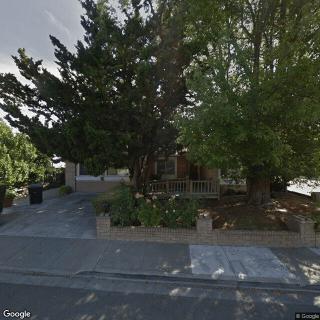
Pleasanton Senior Care Villa
$4,500 / month19.0 miles away -
from -$600 / mo

An Oak Grove Manor
$3,400 to $3,800 / month0.6 miles away
Overall Review of A & W Care Home III
Pros
 They chose this home for their 94-year-old mother because of the welcoming environment and the staff's kindness.
- The environment and the staff's kindness stood out, making the family confident in their choice.
- The staff's compassion and the home's environment were key reasons for selecting this place.
- The family felt assured about their mother's care due to the warm environment and caring staff.
- This home offered a positive environment, reinforcing their decision to select it for their mother.
Review
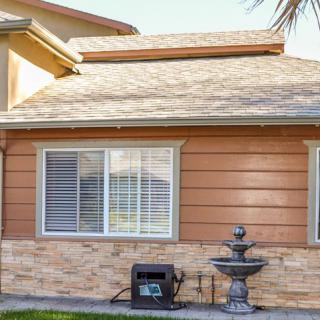
A & W Care Home III in Walnut Creek is best suited for families seeking a small, home‑like setting where an elder can thrive on steady, personalized attention and a calm daily routine. The environment and the kindness of the staff emerge as the defining advantages, guiding selections for residents who value warmth, familiarity, and consistent caregivers over a glossy, program-dense campus. This community fits seniors who prefer intimate interaction with a devoted care team, where staff members know routines, preferences, and little idiosyncrasies that keep daily life predictable and reassuring. In short, it serves well-heeled comfort and close-knit support for an older adult who does not require a large social apparatus to feel secure.
For families weighing options, considerations should extend to those whose priorities include robust medical oversight, advanced memory care programming, or a broad slate of on‑site therapies and activities. If the need is for a campus with extensive specialty services, frequent on-site clinicians, or more structured, specialized programming, larger assisted living facilities or dedicated memory-care communities may be a stronger fit. Likewise, residents with higher acuity needs, frequent mobility challenges, or demands for comprehensive transportation logistics may find alternatives that offer more comprehensive medical infrastructure and support networks to be a better match.
The strongest positives of A & W Care Home III lie in the daily lived experience: a homelike atmosphere that reduces overstimulation and stress, paired with staff who convey genuine kindness and attentiveness. That combination translates into smoother mornings, more reliable responses when concerns arise, and a sense of being truly looked after rather than managed. The small scale of the operation supports a level of familiarity not always possible in larger campuses, residents benefit from predictable routines, caregivers who learn personal preferences, and quicker recognition of subtle changes in health or mood. For families, these factors often translate into greater peace of mind and fewer disruptive caregiving surprises.
Where potential shortfalls enter the picture, they tend to reflect the trade-offs inherent in a smaller setting. The main cons that typically surface in conversations are the limits on medical resources, fewer on-site specialty programs, and a leaner activity calendar compared with larger communities. These factors can matter if medical complexity increases, if ongoing therapy needs are required, or if a resident craves a wide array of social opportunities. Yet the positives, consistent staffing, a nurturing environment, and a home-like rhythm, frequently offset these gaps when the resident’s needs remain moderate and the emphasis stays on personalized, day-to-day care.
To determine fit, prospective families should prioritize a thoughtful, in-person assessment that probes how care is planned and delivered on a daily basis. Ask about staff-to-resident ratios across shifts, the process for updating care plans, and how changes in health are monitored and communicated to family members. Observe meal service, the responsiveness of aides, and the availability of meaningful activities within a gentle, non-intrusive pace. Confirm transportation options, emergency procedures, and the presence of on-call medical support, even if these are not the primary selling points. A visit should reveal whether the warmth of the staff genuinely translates into reliable, proactive caregiving that aligns with the elder’s preferences.
Ultimately, A & W Care Home III stands out for families prioritizing a serene, intimate environment and compassionate, approachable caregivers. It is particularly well-suited for seniors who thrive with routine, simple pleasures, and steady human connection, and for relatives who value direct access to staff who know the resident’s history and daily rhythms. For those whose loved ones require more intensive medical management, memory-care specialization, or a broader array of on-site services, exploration of alternatives is prudent. In the right match, this community offers a compelling alignment of heart-driven care and homey security that can make a meaningful difference in daily living for an aging parent or spouse.
 Board and Care Home
 Private
 Private bathrooms
 Metropolitan Oakland International (18 miles away)
 Diabetic care
 High acuity care
 Incontinence care


 Skilled Nursing Facilities vs. Nursing Homes: Making Sense of the Differences
 A Detailed Examination of Nursing Home Costs Across the U.S.
 Exploring Nonmedical Home Care: Understanding Services, Costs, and Financial Approaches