
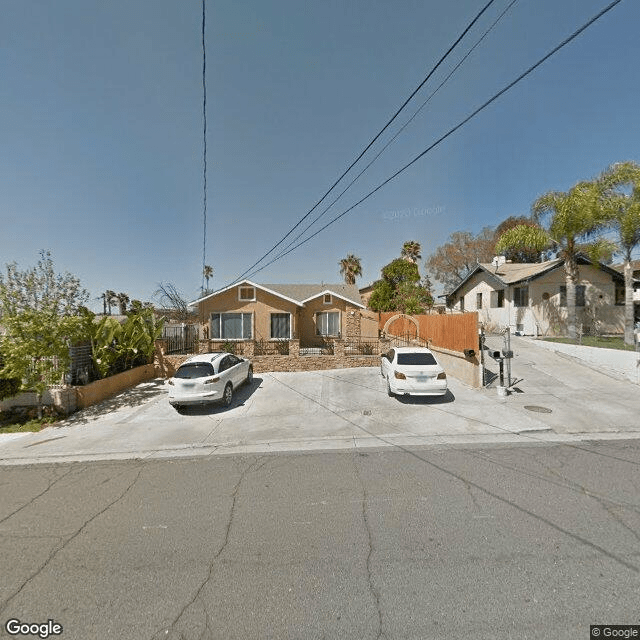
222 Washington Street, Vista, CA 92084
For more information about senior living options: (866) 208-4318
Vista Village Care Costs & Pricing
Vista Village Care offers competitive pricing for its services compared to the broader market in San Diego County and California. For a semi-private room, residents can expect to pay $2,400 per month, significantly lower than the county average of $3,518 and the state average of $3,333. Similarly, the private room rate at Vista Village Care is set at $3,000, which remains below both the county's and state's consistent price point of $3,939. These cost advantages position Vista Village Care as an appealing option for those seeking quality care without compromising financial stability.
| Floor plans | Vista Village Care | San Diego County | California |
|---|---|---|---|
| Semi-Private | $2,400 | $3,518 | $3,333 |
| Private | $3,000 | $3,939 | $3,939 |
Assisted Living communities with a similar price nearby
-
from +$400 / mo
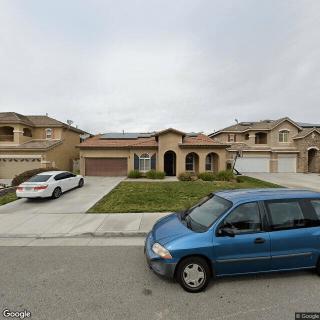
Pebble Brook Senior Home Care
$2,800 to $4,000 / month21.9 miles away -
from -$400 / mo
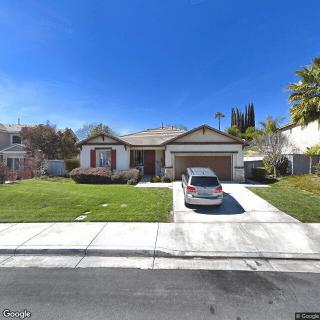
Temeku Hills Assisted Living
$2,000 to $2,800 / month23.7 miles away -
from +$100 / mo

Golden Retreat - Senior Residential Care
$2,500 to $3,000 / month2.1 miles away -
from +$142 / mo
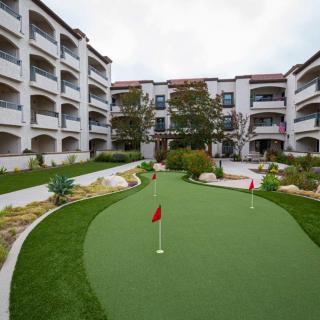
Casa De Las Campanas
$2,542 to $25,000 / month14.4 miles away -
from +$100 / mo
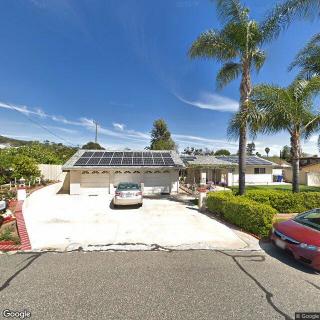
Woodland Borden Care
$2,500 to $3,000 / month7.0 miles away
Overall Review of Vista Village Care
Pros
 The tour of Vista Village Care went well.
- Everyone there was very friendly and welcoming.
- The place was nice.
- A home care nurse feels secure having her mom at Vista Village.
- She feels good knowing Vista Village will safely care for her mom as needed.
- The mom feels more secure at Vista Village.
- It is good for people who are a little confused.
Cons
 The facility is smaller than they wanted.
- The facility is not what they were looking for.
- The place is small and appears oriented to less active residents.
- It seems more suited for people who are a little confused, not for others.
- It may not be ideal for more active or independent residents.
Review
Vista Village Care in Vista, CA is best suited for families seeking a small, intimately run setting where safety and personal attention trump flashier amenities. The community appeals to seniors who are more sedentary or quietly frail, including residents who are a bit confused or increasingly immobile, and who require consistent supervision without a sprawling campus. The upbeat, welcoming atmosphere shown during tours matters: families wanting a warm, approachable team that can grow familiar with individual routines will find this homey vibe reassuring. In short, this is a care-first environment tailored to low- to moderate-activity seniors who thrive on close, predictable support.
Those weighing options should consider alternatives if they want a bigger footprint or more robust programming. Vista Village is simply small, and that size can feel limiting for families hoping for a wide array of social activities, dining choices, or on-site services typical of larger assisted living communities. The reviews repeatedly flag the setting as more oriented to less active residents, which means highly active seniors or those seeking a bustling, campus-like lifestyle may feel boxed in. Additionally, families who prioritize advanced memory-care amenities or a broad activity calendar may prefer a facility with more expansive offerings.
On the upside, the strongest pros align squarely with the needs of its target resident profile. The compact layout fosters a sense of security and allows staff to monitor residents more attentively, a real advantage for those dealing with confusion or immobility. The staff come across as friendly and approachable, a dynamic that translates into smoother day-to-day care and easier family communication. There is a clear emphasis on safety and reassurance; when meals or daily routines become concerns, caregivers communicate promptly, helping families feel informed and confident that needs will be addressed.
That said, the main cons are mostly a function of size and scope. The very intimacy that supports close oversight can also limit social opportunities and activity variety, which may leave more active or social residents feeling under-stimulated. Some families expressly note that the setting isn’t aligned with their expectations for a larger, more energetic community. Because the care model appears tailored to less active residents, there may be fewer opportunities for enrichment programs, outdoor activities, or diverse dining experiences that larger campuses typically offer.
The strongest way the pros offset the cons is through safety, personalized attention, and reliable communication. For families with a resident who is easily unsettled, fears wandering, or requires steady assistance, the small team-to-resident ratio enables consistent supervision and rapid response. The recurring affirmation from a home-health perspective, that caregivers will safely manage a complicated or immobile parent, carries significant weight for decision-making. In practice, this translates into meaningful peace of mind: a resident who may be at risk elsewhere can often remain calmer and more secure within Vista Village’s intimate setting, and families can expect candid updates about eating and daily status.
For families nearing a decision, Vista Village Care offers a clear fit: safety-forward, low-activity care with a personal touch. If the priority is a tranquil, well-supervised home where staff know the resident’s routines and cues, this is a compelling choice. If, however, the goal is a bustling social environment, a wide schedule of activities, or advanced memory-support services, alternatives with larger campuses or dedicated memory-care wings should be explored. The evaluative path should include multiple visits at varied times, direct questions about staff-to-resident ratios, care level flexibility, meal monitoring, and memory-care capabilities to confirm alignment with the resident’s current and anticipated needs.
 12 resident community capacity
 Assisted Living
 Board and Care Home
 Activities on-site
 Cable or satellite TV
 Dining room
 Fully furnished
 Garden
 Housekeeping services
 Indoor common areas
 Move-in coordination
 Outdoor common areas
 Private
 Telephone
 Wheelchair accessible showers
 Wi-Fi/high-speed internet available
 MC Clellan-Palomar Airport (6 miles away)
 24-hour supervision
 Ambulatory care
 Assistance with bathing
 Assistance with dressing
 Assistance with transfers
 Diabetes diet
 High acuity care
 Incontinence care
 Meal preparation and service
 Medication management
 Special dietary restrictions
 Transportation arrangement (medical)
 Transportation to doctors appointments





 When to Transition from Assisted Living to Memory Care: Key Indicators, Steps, and Finding the Right Community
 Assisted Living and Memory Care: Understanding Their Core Differences
 Beyond the Bingo Hall: 50+ Enriching Activities for Seniors in Assisted Living