
290 Chumash Trail, Vista, CA 92084
To contact a resident: (760) 859-6303
For more information about senior living options: (866) 208-4318
Roxie's Elderly Homes Costs & Pricing
Roxie's Elderly Homes offers competitive pricing for its services, particularly when compared to the broader market in San Diego County and the state of California. For a semi-private room, residents at Roxie's pay $2,500 per month, significantly lower than the county average of $3,518 and the state average of $3,333. Similarly, those opting for a private room at Roxie's will find that the monthly cost of $3,500 is more affordable than both local and statewide norms, which stand at $3,939. This strategic pricing underscores Roxie's commitment to providing high-quality care without compromising on affordability, making it an attractive option for families seeking elder care solutions.
| Floor plans | Roxie's Elderly Homes | San Diego County | California |
|---|---|---|---|
| Semi-Private | $2,500 | $3,518 | $3,333 |
| Private | $3,500 | $3,939 | $3,939 |
Senior living communities with a similar price nearby
-
from +$300 / mo
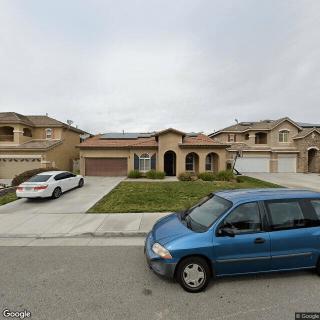
Pebble Brook Senior Home Care
$2,800 to $4,000 / month18.5 miles away -
About the same
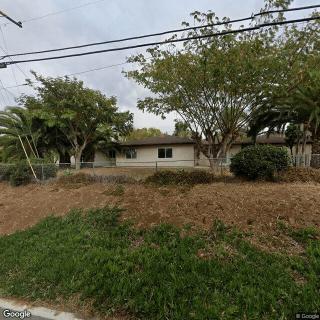
Golden Retreat - Senior Residential Care
$2,500 to $3,000 / month3.1 miles away -
About the same
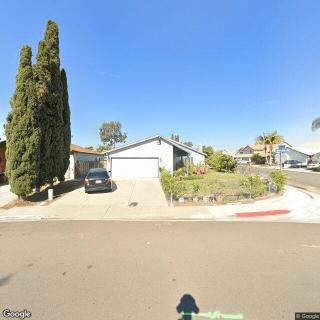
Alychris Senior Board and Care
$2,500 to $3,000 / month22.9 miles away -
from -$300 / mo
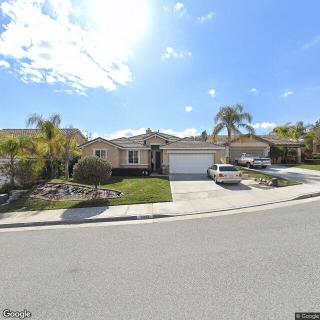
Diamond Residential Care Facility for the Elderly of Murrieta
$2,200 to $3,500 / month20.9 miles away -
from +$400 / mo
Cypress Court
$2,900 to $4,400 / month11.5 miles away
Overall Review of Roxie's Elderly Homes
Pros
 Roxie's Elderly Homes is described as a wonderful experience where residents are loved and treated like family.
- The nurses and caretakers at Roxie's treat residents with respect and friendliness.
- The facility is trustworthy, with families feeling their loved ones are in good hands.
- Roxie's helps residents thrive and brings peace to families who were managing difficult situations.
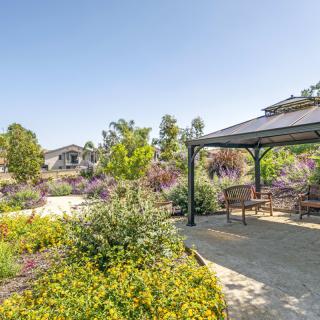
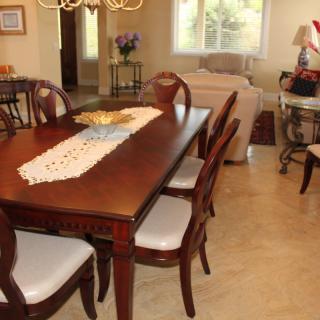
- Roxie's Vista home offers an open, airy, and colorful environment where residents are cared for.
- Residents at Roxie's are reported to be content, well-groomed, and well cared for during visits.
- Families feel grateful for Roxie's role in improving their loved ones' mood and quality of life.
Review
Roxie's Elderly Homes in Vista, CA is best suited for families seeking a warm, home-like assisted living setting where an elder can receive attentive, individualized care without the clinical atmosphere of a hospital or large memory-care campus. The environment is open, airy, and colorful, designed to feel like a genuine home rather than a facility. The care philosophy centers on daily life: meals, grooming, and gentle assistance are woven into everyday routines, guided by a hands-on owner (Roxie) and a devoted team. For seniors who thrive on personal connections, steady presence, and consistent, respectful caregiving, this community offers a powerful alignment between comfort and support. In short, it favors those who prioritize intimate, trustworthy care over formal programming or a highly institutional setting.
Those weighing alternatives should consider residents who require more structured social activities, more formal programming, or advanced, round-the-clock clinical oversight. The reviews emphasize practical, family-like care rather than scheduled “events” or themed gatherings, which can be a signal that the environment may feel less dynamic for residents who crave constant, organized stimulation. Families needing intensive dementia-specific protocols, highly supervised medical monitoring, or frequent, on-site medical interventions from a larger clinical staff might find other facilities that specialize in memory care and offer more formal routines to be a better fit. If a resident’s needs edge toward high medical complexity, it is prudent to compare options with stronger clinical infrastructure.
The strongest selling points center on the staff’s warmth, respect, and the sense of belonging the home fosters. Residents are described as well cared for, clean, well-groomed, and treated with genuine dignity, while Roxie and the caregiving team cultivate an atmosphere that feels like family. The absence of rigid “programs” is overshadowed by consistent daily engagement: cooking, cleaning, caregiving, and meaningful, personal interactions. For families, the most compelling evidence is the transformation in the resident’s mood and outlook: a father who previously resisted care acclimated quickly, began enjoying daily routines, adopted a more content posture, and appeared to thrive under attentive supervision. The resulting peace of mind for relatives is a concrete, measurable benefit.
Another clear pro is the way the operation sustains a home-centered lifestyle without sacrificing reliability. The environment supports a resident’s dignity and autonomy within a structure that keeps them clean, comfortable, and content when family visits. The testimonials highlight that visits become occasions for genuine connection rather than caregiving stress, with residents engaging in simple pleasures, like conversations and light games, without the pressure of bustling, impersonal programming. The emphasis on a calm, respectful culture helps families feel that their loved ones are not merely cared for, but truly valued as individuals. That emotional resonance can be the deciding factor when weighing options with similar staffing levels but different atmospheres.
A practical assessment must acknowledge the potential drawbacks and how they are mitigated. The implicit trade-off in Roxie’s model is a lighter emphasis on formal social programming and structured activities. For families seeking a rhythm of scheduled events (bingo nights, theme parties, or activity calendars designed around social engagement), this may feel underwhelming. Yet the offset comes in the form of consistent, high-touch caregiving, strong staff-resident relationships, and a setting that supports steady mood and self-respect. The apparent calm, clean environment, paired with a caregiver team that treats residents with warmth, often translates into fewer behavioral episodes and a more harmonious daily life, two outcomes that many families value as much as, if not more than, activity density.
Ultimately, Roxie’s Elderly Homes represents a deliberate choice for memory-impacted seniors and their families who value intimate, dependable care over formal programming. It is a strong fit when the priority is a trusted, home-like setting where staff partnership with families delivers tangible peace of mind and a sense of normalcy for a loved one’s daily life. For those who must decide between warmth and structure, this community excels in warmth, dignity, and practical caregiving, while signaling the need to look elsewhere if a resident requires more intensive clinical oversight or a highly scheduled activity regimen. Prospective families should plan a candid visit, ask about staffing ratios and on-site medical oversight, and compare with alternatives that offer more explicit memory-care features to ensure alignment with the resident’s unique needs and preferences.
 Board and Care Home
 Private
 MC Clellan-Palomar Airport (9 miles away)
 Diabetic care
 High acuity care
 Incontinence care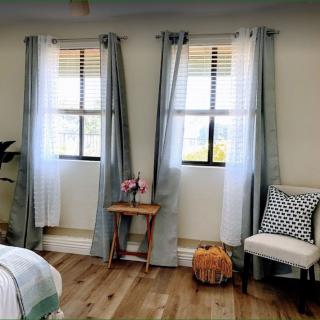



 Ten Vital Duties of a Senior Caregiver: A Comprehensive Guide
 9 Stimulating Memory Activities for Seniors: Puzzles, Cards, and Much More
 Managing Nursing Home Expenses After Medicare Coverage Ends