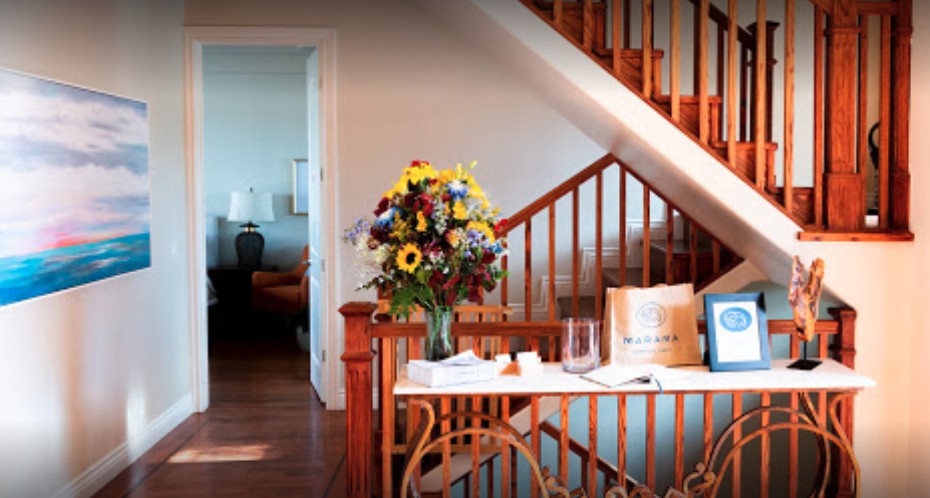
727 Ascot Drive, Vista, CA 92083
For more information about senior living options: (866) 208-4318
Marama Costs & Pricing
Marama's pricing structure reflects a unique positioning within the San Diego County and broader California markets. For semi-private rooms, Marama's monthly cost is $4,000, which is notably higher than the county average of $3,518 and the state's average of $3,333. Similarly, for private accommodations, Marama sets its rate at $4,500 - this aligns with the county's private room costs but exceeds the state's average by approximately $561. These figures suggest that while Marama may be priced above local and state averages, they likely reflect a commitment to quality care and services that attract those seeking an enhanced living experience.
| Floor plans | Marama | San Diego County | California |
|---|---|---|---|
| Semi-Private | $4,000 | $3,518 | $3,333 |
| Private | $4,500 | $3,939 | $3,939 |
Assisted Living communities with a similar price nearby
-
from +$550 / mo
Champine Manor
$4,550 / month9.6 miles away -
from -$500 / mo
Ramona Senior Lodge Assisted Living
$3,500 to $5,500 / month23.7 miles away -
from +$500 / mo
Hidden Meadows Residential Home Care
$4,500 to $4,800 / month9.3 miles away -
from +$200 / mo
Boundless Care for the Elderly
$4,200 to $4,500 / month24.6 miles away -
from -$750 / mo
Mountain View Manor
$3,250 / month4.2 miles away
Overall Review of Marama
Pros
 Marama is a sea change in dementia care, addressing root causes with residents treated with utmost respect and cutting-edge medical care.
- Marama is described as a healing oasis that many hope other facilities will mirror.
- The care at Marama offers a path toward reversing dementia symptoms, not just slowing decline.
- The meals at Marama are like dining at a high-end restaurant, but optimized for brain and body health.
- Marama provides a holistic program including specialized diet, holistic medical work-ups, supplements, sauna, red-light therapy, and oxygen-assisted exercise, with visible improvements.
- The staff at Marama are cheerful and encouraging, helping keep residents' spirits high.
- Marama is a beautiful place to live, with sunshine, outdoor spaces, excellent food, and immaculate grounds.
- Families report significant improvements in loved ones and would choose Marama again.
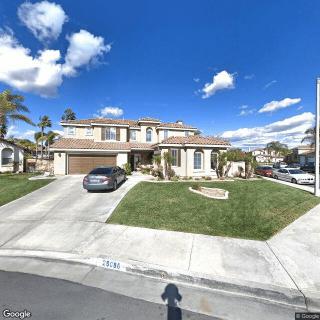
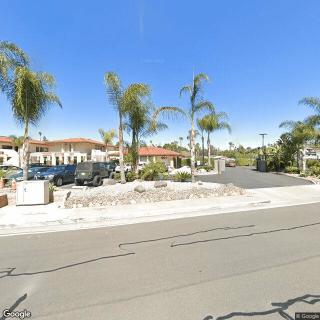
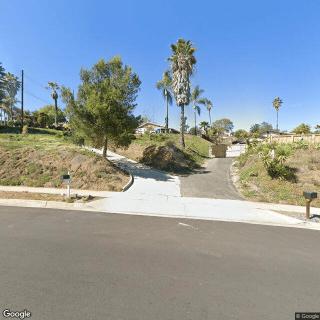
- Ascot Home Care is a large, custom-built two-story home on a hillside with natural light and a great view.
- It has long-term staff, a home-like setting, and staff who treat residents with love and dignity, providing peace of mind for families.
Cons
 The reviewer notes that the owner does not follow medication guidelines and that the nurses are unskilled, suggesting the place should be shut down.
 - The reviewer states they avoided roughly nine other facilities because of poor location and neighborhood conditions, including cars parked in the yard, delayed maintenance, unpleasant odors, dirty linens, and cheap food with fillers.
- The reviewer mentions problems with dispensing medication at Ascot Home Care.
Review
Marama in Vista, CA is best suited for families pursuing an aggressive, dementia-focused care model that blends cutting-edge medical oversight with holistic therapies and a healing-leaning lifestyle. It targets root causes of cognitive decline and aims to reverse symptoms, not merely slow decline. The community is ideal for residents who can benefit from a tightly integrated program, specialized diet, supplements, sauna, red-light therapy, and exercise with supplemental oxygen, delivered in a supportive, home-like setting. Those seeking a traditional, low-intensity memory-care experience or something closer to a generic assisted living model may want to explore alternatives. The strongest fit is a care plan that accepts the intensity and commitment of a restorative approach, with families willing to participate actively in the therapeutic process.
What sets Marama apart are its emphatic, investment-grade commitments to brain health. Families repeatedly praise a medical and nutritional framework that emphasizes reversing or mitigating dementia symptoms, not just managing them. A standout feature is the holistic work-up and ongoing interventions overseen by Dr. Sandison and a team described as loving, attentive, and responsive. The cuisine is highlighted as more than just nourishment, Chef Gil’s three chef-driven meals a day are described as restaurant-grade yet purposefully optimized for brain and body health, with organic ingredients and a focus on cognitive support. Residents often report improvements in mood and function, and families note that the environment, sunlit rooms, patios, serene grounds, contributes to overall well-being and engagement. The program also includes regular activity, social connection, and meaningful routines that reinforce a sense of purpose.
However, a critical caveat appears in the mix of experiences: at least one reviewer raises serious concerns about medication management and staff qualifications, signaling a potential risk if oversight falters. This caveat is not echoed across the board, most families describe strong, benevolent care and tight-knit support, but it does raise a necessary prudence point. The sample size is small, and satisfaction skews very high, yet the concern about adherence to medication guidelines warrants thorough verification during a prospective resident’s evaluation. Prospective families should insist on explicit, written medication protocols, clear oversight of dispensing, and a clearly defined chain of communications between nursing staff, caregivers, and medical providers.
The way Marama’s strengths interact with legitimate cautions matters in real decision-making. If the medical and holistic program is implemented with tight governance, strict med management, regular review by qualified clinicians, transparent reporting to families, its powerful upside can substantially offset the risks signaled by a single negative report. The patient experience described by multiple families, transformation, joy in daily life, meaningful activities, and genuine attachment to staff, provides a compelling counterweight to concerns about safety and oversight. In practical terms, families should tour with a critical eye: ask who supervises medications, how often regimens are reviewed, and how changes are communicated. Confirm the staffing model, and request opportunities to speak with caregivers and with the medical lead about daily care plans.
For those weighing options, Marama's value rests in its promise of cognitive restoration through a comprehensive, medically integrated approach, delivered in a warm, nurturing setting. It is not a hands-off, traditional memory-care environment; it is a high-engagement program that demands engagement from families and a willingness to participate in specialized therapies. Prospective residents should consider proximity to loved ones, the daily schedule that blends therapy with quality-of-life activities, and the overall cost relative to the level of medical and nutritional intervention offered. If the objective is to pursue reversal of symptoms and improved quality of life through a structured, evidence-informed plan, Marama is a compelling choice.
Ultimately, the decision comes down to fit and risk tolerance. Marama is a standout for dementia care that blends cutting-edge medical care, holistic therapies, and a high-touch, affirming culture. For families prioritizing traditional, low-intensity care, or those wary of intensive medical protocols or potential med-management gaps, alternatives may be more suitable. The prudent path is to engage deeply: visit, meet the care team, review medication governance, and speak with several families about their long-term experiences. When aligned with a caregiver’s values and a resident’s clinical needs, Marama offers a credible, hopeful pathway that many other facilities simply do not match.
 12 resident community capacity
 Assisted Living
 Board and Care Home
 Respite Care
 Activities on-site
 Cable or satellite TV
 Dining room
 Fully furnished
 Garden
 Housekeeping services
 Indoor common areas
 Move-in coordination
 Outdoor common areas
 Private
 Private bathrooms
 Telephone
 Wheelchair accessible showers
 Wi-Fi/high-speed internet available
 MC Clellan-Palomar Airport (5 miles away)
 24-hour supervision
 Assistance with bathing
 Assistance with dressing
 Assistance with transfers
 Diabetes diet
 High acuity care
 Meal preparation and service
 Medication management
 Special dietary restrictions
 Transportation arrangement (medical)
 Transportation to doctors appointments
 Christian services

 An Extensive Exploration of the VA Aid and Attendance Benefit
 Senior Transition Services: Understanding Their Role, Cost, and Importance
 Exploring the Path to Senior Living: A Comprehensive Look at Independent Living and Assisted Living