
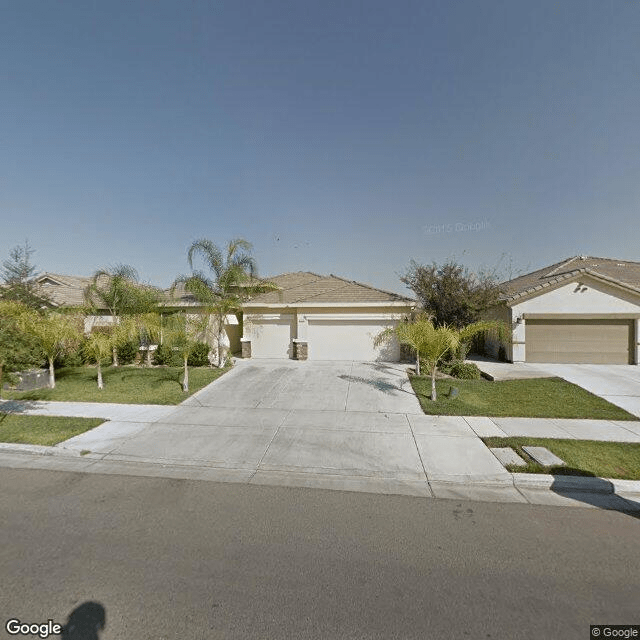
3510 West Elowin Avenue, Visalia, CA 93291
For more information about senior living options: (866) 208-4318
J & M Elderly Homecare Costs & Pricing
J & M Elderly Homecare offers competitive pricing for its services, with semi-private rooms priced at $2,500 per month, which is significantly lower than the average cost of similar accommodations in Tulare County ($3,076) and throughout California ($3,333). For those seeking more privacy, J & M's private rooms are available at $5,000 per month. While this rate exceeds both the county average of $3,980 and the state average of $3,939, it reflects the personalized care and services provided by J & M. Overall, residents can find value in the affordability of semi-private options while also appreciating the tailored care that comes with their private room offerings.
| Floor plans | J & M Elderly Homecare | Tulare County | California |
|---|---|---|---|
| Semi-Private | $2,500 | $3,076 | $3,333 |
| Private | $5,000 | $3,980 | $3,939 |
Memory care communities with a similar price nearby
-
from +$231 / mo
Sierra View Homes
$2,731 to $4,715 / month18.4 miles away -
About the same
Evergreen Residence
$2,500 to $3,000 / month3.1 miles away -
from -$200 / mo
Country Care Living I
$2,300 to $2,500 / month11.9 miles away -
from -$200 / mo
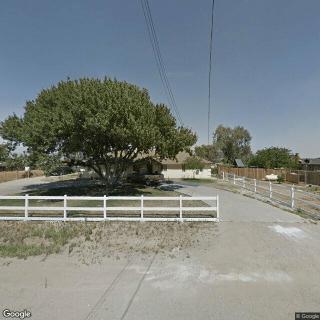
Country Care Living II
$2,300 to $2,500 / month11.9 miles away
Overall Review of J & M Elderly Homecare
Pros
 The staff provides thorough grooming and personal care for residents.
- They work closely with residents during adjustment and keep families updated on status.
- The owners actively train staff by learning each resident’s likes and dislikes.
- The owners personally visit families to meet residents and demonstrate a caring attitude.
- The facility is described as more personal than a traditional skilled nursing facility.
- The four-client residential setting is very nice, quiet, and comfortable.
- The facility hosts monthly dinners, fostering a caring community.
Review
J & M Elderly Homecare in Visalia is best suited for seniors who want a deeply personal, family-style care environment in a small, home-like setting. It excels for residents who are not quite ready for traditional assisted living but do not require full-time skilled nursing. The operation runs as a four-client residential home, where care is highly individualized and consistently attentive. Families benefit when a resident can rely on constant hands-on oversight, predictable routines, and caregivers who learn personal preferences. The owners’ direct involvement in daily care translates into a level of attentiveness that larger facilities often struggle to replicate. In essence, this community is ideal for those navigating a mid-range care space, where dignity and personal connection drive the decision over sheer scale or clinical pace.
Those considering alternatives should note who may not be the best fit. If a senior requires frequent skilled medical attention, complex wound care, continuous monitoring, memory-care specialization, or a robust, schedule-driven activity calendar, a larger assisted living or skilled-nursing community may be more appropriate. Families seeking a formal, transportation-enabled program with broad social programming may be better served elsewhere. Likewise, if the resident values a busier, more institutional atmosphere, or needs extensive on-site amenities, the quiet, intimate home environment could feel limiting. The choice hinges on balancing intimate oversight with the breadth of medical and recreational resources.
The strongest advantages flow directly from the owners’ hands-on approach. Grooming and daily personal care, nails, hair, shaving, showers, skin lotion, are delivered with dignity and routine that feel refreshingly respectful. The facility’s emphasis on a smooth adjustment period means staff are trained and recalibrated by the owners to align with each resident’s likes and dislikes. Family members are kept consistently informed about status and progress, a reliability that reduces anxiety during transitions. The owners’ prior visit before relocation signals thoughtful preparation and a genuine commitment to compatibility. A home-like, quiet atmosphere stands in contrast to the more clinical feel of traditional skilled nursing, while social touches, including a monthly group dinner, provide gentle connection without overwhelming the small setting.
However, the limited scale does temper expectations in several ways. A four-client house naturally restricts the depth of staff coverage and the range of therapies available on-site, with medical oversight not matching what larger communities provide. Residents who experience rising medical needs or require ongoing coordination with specialists may feel constrained by the ceiling of services. The smaller footprint inevitably translates to fewer on-site amenities and a leaner calendar of daily programming, which is a drawback for seniors seeking a wide array of activities. Yet these constraints are largely offset by the owners’ visible commitment, transparent communication, and a stable, tightly knit care team that quickly learns personal rhythms and preferences. In practical terms, the balance favors trusted, high-quality care for mid-level needs over scale and breadth.
For families actively evaluating options, a practical checklist helps separate fit from miss. Confirm the acuity range the home can safely manage and how medications are administered and overseen, including after-hours plans. Inquire about on-site nursing availability and the protocols for urgent care or hospital transfers. Seek clarity on the scope of daily activities and whether the monthly dinner is indicative of a broader program or a one-off treat. Observe staff interactions to gauge warmth, respect, and responsiveness, and verify whether the environment supports fall prevention, mobility aids, and consistent hygiene routines. Finally, consider how comfortable the resident will be with a small, quiet home setting versus a larger, activity-rich community, and whether the transition plan feels personalized rather than generic.
Bottom line: J & M Elderly Homecare stands out for families seeking warm, individualized, family-led care in a genuinely home-like setting. The consistent thread across reviews is exceptional personal attention, owner-model mentorship of the care team, and a small-scale environment that honors dignity above all else. The 4.7 rating from three reviews reinforces that this approach resonates with families seeking a mid-range care solution. This community is a compelling match for residents who benefit from steady routines, direct owner involvement, and meaningful social moments that feel intimate rather than institutional. For seniors needing deeper medical management, memory-care specialization, or a broader social program, larger assisted-living or skilled-nursing options should be explored. A direct visit to meet the owners will reveal whether the mid-level care niche aligns with individual trajectory and family expectations.
 6 resident community capacity
 Assisted Living
 Board and Care Home
 Memory Care
 Respite Care
 Cable or satellite TV
 Dining room
 Fully furnished
 Garden
 Housekeeping services
 Move-in coordination
 Outdoor space
 Private
 Telephone
 Wheelchair accessible showers
 Wi-Fi/high-speed internet available
 24-hour supervision
 Activities of daily living assistance
 Ambulatory care
 Assistance with bathing
 Assistance with dressing
 Assistance with transfers
 Diabetes diet
 Diabetic care
 High acuity care
 Incontinence care
 Meal preparation and service
 Medication management
 Special dietary restrictions
 Transportation arrangement (medical)
 Transportation to doctors appointments


 22 Remarkable Caregiver Support Groups Available Online and In-Person
 Understanding Medicaid Coverage for Assisted Living: A Comprehensive Guide
 How and When Medicaid May Cover Assisted Living Costs