









15402 W. Sage St. Ste 204, Victorville, CA 92395
To contact a resident: (760) 962-1470
For more information about senior living options: (866) 208-4318
Overall Review of Visiting Angels - Victorville
Pros
 Visiting Angels' providers are heaven sent.
- The service is highly communicative about coverage when caregivers are unavailable.
- It has been a great experience for the whole family.
- The caregiver is punctual, industrious, and cheerful, like a new family member.
- Amy matched a perfect caregiver for the husband.
- The agency is friendly, professional, and adaptable to different needs and hours.
- The weekly caregiver is kind, reliable, and communicative.
- Transportation services are punctual, friendly, and safe.
Cons
 They disliked Visiting Angels' policy requiring a three-hour minimum.
- They felt the cost was higher than what they were willing to pay.
- They had one caregiver who wasn’t a good fit for their parent.
- They stopped using the transportation service because it charged more than they were willing to pay.
- They felt the caregiver sent was not interactive or attentive, which they found concerning.
Review
This Victorville Visiting Angels location is best suited for families seeking dependable in-home support that enables a loved one to stay comfortably at home while receiving help with daily tasks, mobility challenges, and practical errands. The service excels for households that prize reliable caregiver matching, clear communication, and the ability to cover gaps when the regular aide is unavailable. With a solid 4.5 rating from 15 reviews, the program consistently earns trust through hands-on responsiveness, punctuality, and a demonstrated track record of keeping care plans intact even when schedules shift.
The strongest case here rests on the human side of care. Families repeatedly describe caregivers as “heaven sent,” punctual, industrious, and capable of forming meaningful bonds with clients. The agency’s communication style stands out, when a caregiver is sick or a substitute is needed, the team moves quickly to fill the gap and preserve continuity of care. That reliability reduces the stress of out-of-town travel and emergencies, a frequently decisive factor for families balancing work, health crises, and caregiving from a distance. The long-standing practice of adjusting staffing to fit changing needs shows a level of operational finesse that makes the arrangement feel both personal and dependable.
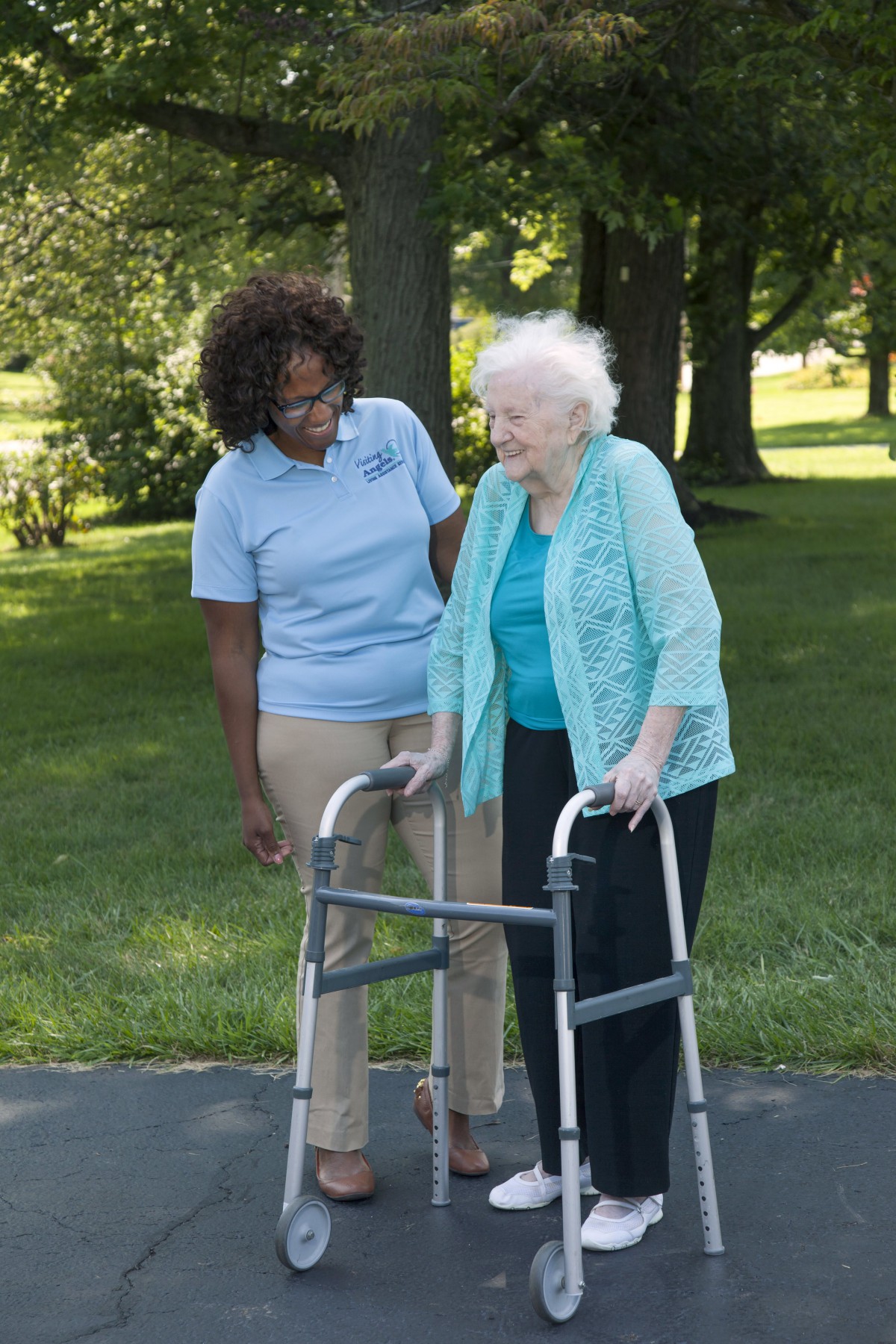
A further strength lies in flexibility and the breadth of tasks handled. Photos of success stories show a caregiver roster comfortable with light housekeeping, laundry, grocery shopping, and transportation, all delivered with a friendly, person-centered approach. Several families highlight the ability to arrange substitutions without losing momentum, which translates into genuine respite for caregivers and regular, predictable support for the senior. The experience with matching caregivers to individual personalities and needs appears to be a core competency, which matters deeply when trust, comfort, and compatibility govern day-to-day interactions. In practical terms, this translates to fewer disruptions when the preferred caregiver is unavailable and a smoother overall care rhythm.
Yet the program carries distinct trade-offs. The primary sticking point for many families is the policy requiring visits in three-hour minimum blocks, a structure that can inflate costs even when only shorter tasks are needed. That minimum, when multiplied across a week, becomes a meaningful consideration for budgets, especially for those seeking purely minimal assistance. Pricing concerns extend to ancillary services such as transportation, where some reviewers felt the value did not align with what was paid. There are also occasional caveats about caregiver fit; one reported a caregiver who was not interactive or attentive, underscoring that, despite strong matchmaking, mismatches can occur and require repeat adjustments. These factors collectively temper enthusiasm for the model for families with tight financial constraints or someone who needs only very light, short visits.
Despite these headwinds, the core advantages often compensate for the drawbacks when the priority is maintaining home life with dependable, personable support. For clients who require consistent daily routines, regular companionship, and help with routine tasks, the benefits of reliable staffing and quick substitution capability outweigh the three-hour minimum in many cases. The experience of caregivers who feel like an extended part of the family adds emotional value that is hard to quantify but plainly reflected in caregiver interactions and the sense of security it creates for families. When care plans are well-structured, covering meal prep, shopping, housekeeping, and mobility assistance, the service can deliver a high-quality, home-first approach without resorting to a full-time facility move.
For families weighing options, this agency represents a pragmatic choice for in-home care that emphasizes stability, communication, and caregiver continuity. It remains an especially strong fit for those who prize the ability to keep a loved one at home, value responsive scheduling, and can absorb the cost of minimum-hour blocks in exchange for a trusted network of caregivers who show up consistently and adapt to evolving needs. However, it is prudent to consider alternatives if the situation demands around-the-clock medical oversight, a lower-cost model with no minimum visit requirement, or a more structured skilled-nursing framework. Assisted living communities or other home-health providers may offer different price structures, regulatory nuances, and staffing models that align more closely with those specific requirements.
In the end, Visiting Angels of Victorville stands out as a seasoned, family-centered option for in-home support, especially when the objective is to preserve independence at home with a dependable safety net. The key is to enter with clear expectations: understand the three-hour minimum, probe pricing for the exact mix of tasks desired, and confirm caregiver compatibility early in the process. Prospective families should request a dedicated care manager, insist on a transparent care plan, and verify responsiveness for out-of-town contingencies. For many households, this combination of reliable staffing, flexible substitution, and a genuine focus on keeping loved ones comfortable at home makes Visiting Angels a compelling, action-ready choice. If the need leans toward intensive daily medical supervision or budget-conscious, low-hour visits, alternative paths, such as different agencies or a transition to assisted living, should be explored sooner rather than later.









 Top Cars for Senior Drivers and Essential Safety Innovations
 A Closer Look at Private Pay Home Care
 Comprehensive Approaches for Arthritis: A Detailed Guide to Symptoms, Causes, and Care