
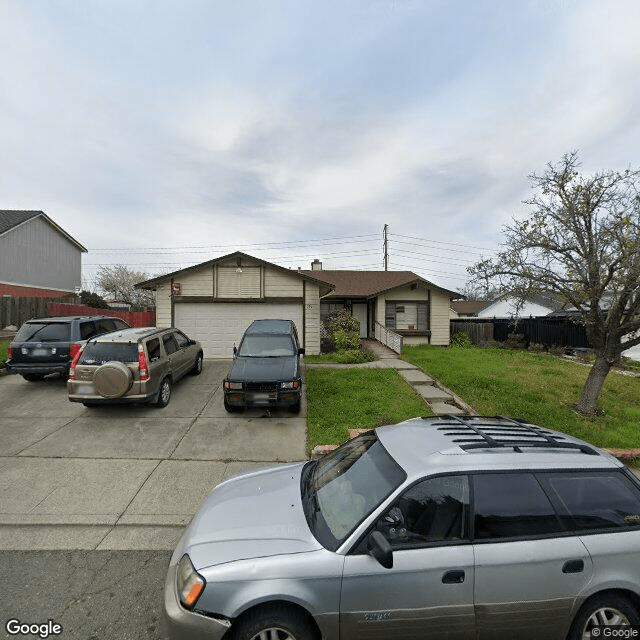
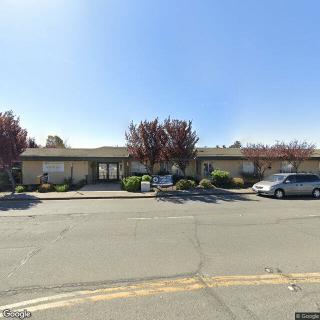
325 Clydesdale Drive, Vallejo, CA 94591
To contact a resident: (707) 649-8638
For more information about senior living options: (866) 208-4318
Heritage Home II Costs & Pricing
Heritage Home II offers competitive pricing for its private room accommodations at $3,500 per month. This cost is slightly above the average for Solano County, which stands at $3,482, yet it remains more affordable than the state average of $3,939 for similar facilities across California. By positioning itself within this range, Heritage Home II provides a valuable option for those seeking quality care without stretching their budget excessively. The pricing reflects a balance of quality services and local market trends, making it an appealing choice for potential residents and their families.
| Floor plans | Heritage Home II | Solano County | California |
|---|---|---|---|
| Private | $3,500 | $3,482 | $3,939 |
Senior living communities with a similar price nearby
-
from -$500 / mo
Golden Harmony Elderly Care
$3,000 / month18.1 miles away -
from -$500 / mo
Laylor Care Home For The Elderly
$3,000 to $4,000 / month24.7 miles away -
from -$500 / mo

Palm Garden Home Care
$3,000 to $4,000 / month23.7 miles away -
About the same
An Oak Grove Manor
$3,400 to $3,800 / month17.9 miles away -
from +$485 / mo

Interim Assisted Care of East Bay
$3,985 / month17.4 miles away
Overall Review of Heritage Home II
Pros
 The home is beautiful.
- The home is extremely clean.
- The caregiver is very intelligent and kind.
Cons
 The home did not know the guest was arriving and refused admission.
- The experience was a total waste of gas and left the guest completely disappointed.
- The facility was full, leaving no space available for the reviewer.
- The guest’s fall left them with significant pain for several days.
- The family felt the location was too far to consider.
Review
Heritage Home II in Vallejo is best suited for seniors who want a warm, home-like setting where cleanliness and personal attention from a capable caregiver define daily life. The environment shines in upkeep and in care delivered by a caregiver described as intelligent and kind, signaling daily interactions that feel personal rather than institutional. Families able to tolerate scheduling quirks will appreciate the option of a nearby backup site in Fairfield, where the same caregiver operates another home, should Vallejo space prove temporarily unavailable. In short, this community works for those who prize a small-house atmosphere, high cleanliness, and devoted caregiving, and who can be flexible on location and admission timing.
Those who should consider alternatives are families needing predictable, immediate placement and straightforward admission. The repeated impression that a first visit can be missed or doors closed points to administrative gaps that could complicate urgent transitions. Distance also matters: even with a nearby Fairfield option, the extra travel can be a burden for elders who rely on frequent visits, have mobility challenges, or require timely assistance. For residents who need quick access to care or closer proximity to family, other communities may deliver fewer uncertainties and faster intake.
On the upside, a beautiful, extremely clean home and a caregiver who is both intelligent and kind create real security. These attributes can offset concerns about daily care for seniors not requiring intensive medical monitoring, and they support a calm, dignified living environment. Yet the reality that the facility can be full means that positive impressions may be moot if admission is delayed. The sense of personal attention is valuable, but bed availability governs timing, the kind of factor that can derail plans for a smooth transition if a move is urgent.
Distance and transport practicality also weigh in. The Fairfield backup helps, but it is not identical to Vallejo, and for families counting on routine visits or rapid assistance, the extra miles matter. The mention of a fall where days passed before proper attention raises a red flag about response times and escalation protocols. Those realities do not erase warmth and cleanliness, but they do affect decision-making for seniors with mobility concerns or those who rely on timely intervention.
Families should demand transparency before committing. Confirm current bed availability, expected admission timelines, and whether there is a firm hold policy. Request an in-person meeting with the caregiver and staff to gauge responsiveness and reliability, and ask for a clear escalation plan if late access occurs. Verify whether the Fairfield space can serve as a seamless backup with logistics in place. A practical checklist should include daily routines, meal options, activity scheduling, and any medical support available on site. If possible, arrange a trial visit to observe how staff handle routine care, emergency situations, and resident comfort. The goal is to separate promises from real-world practice before making a binding decision.
Bottom line: Heritage Home II offers a clean, home-like setting and a warm, capable caregiver that can deliver solid daily companionship and safety for the right resident. The main concerns are admission reliability, bed availability, and distance to family, which may steer some families toward alternatives where intake is steadier and closer. For those who can navigate scheduling and travel, and who prioritize intimate, personalized care over institutional scale, this community remains a viable option worth pursuing, with explicit verification of admission details and clear expectations laid out at the outset.
 Board and Care Home
 Activities on-site
 Devotional services off-site
 Indoor common areas
 Private
 Ambulatory care
 Diabetic care
 Meals provided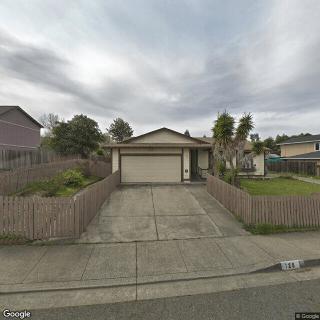

 Powerful Realities of Elder Abuse and the Most Effective Ways to Report It
 Ten Vital Duties of a Senior Caregiver: A Comprehensive Guide
 9 Stimulating Memory Activities for Seniors: Puzzles, Cards, and Much More