
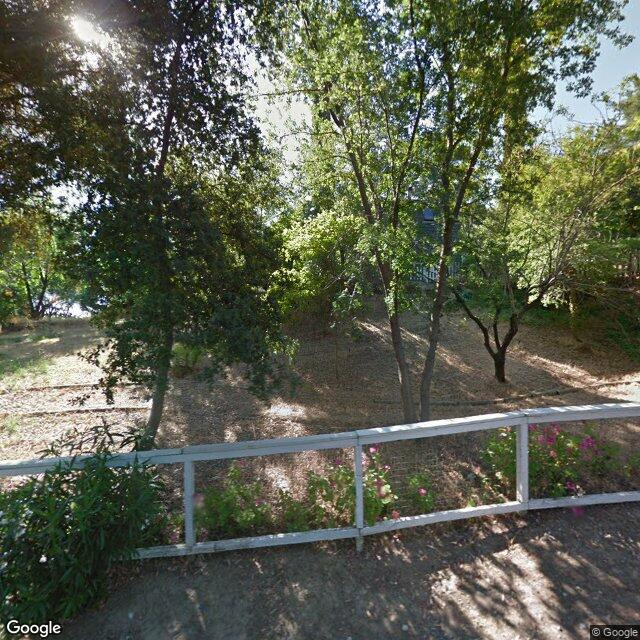
691 Buck Avenue, Vacaville, CA 95688
To contact a resident: (707) 319-3771
For more information about senior living options: (866) 208-4318
Josephine Manor Costs & Pricing
Josephine Manor offers competitive pricing for its residential accommodations, providing both semi-private and private room options at significantly lower rates compared to the broader market in Solano County and throughout California. Specifically, the monthly cost for a semi-private room at Josephine Manor is $2,000, which stands in stark contrast to the county average of $2,762 and the state average of $3,333. For those seeking more privacy, a private room is available at $2,500 - again undercutting both Solano County's average of $3,482 and California's state-wide average of $3,939. These appealing price points not only reflect Josephine Manor's commitment to affordability but also highlight its value proposition within the realm of senior living options.
| Floor plans | Josephine Manor | Solano County | California |
|---|---|---|---|
| Semi-Private | $2,000 | $2,762 | $3,333 |
| Private | $2,500 | $3,482 | $3,939 |
Senior living communities with a similar price nearby
-
from -$100 / mo
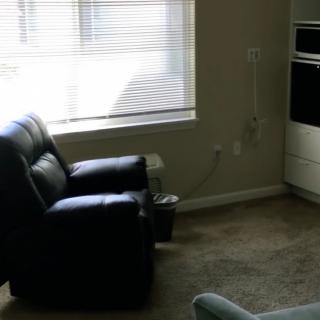
Paramount House Senior Living
$1,900 to $4,695 / month2.7 miles away -
from -$200 / mo
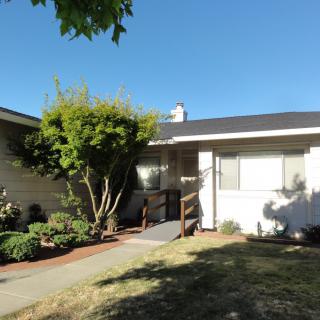
The Residences - Suisun
$1,800 to $2,500 / month7.2 miles away -
About the same
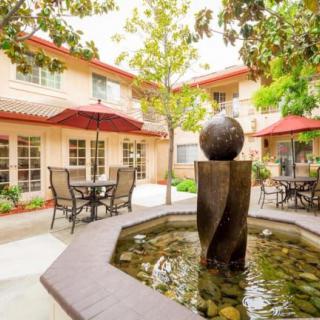
Cogir Of North Bay
$2,000 to $4,000 / month19.8 miles away -
from +$200 / mo
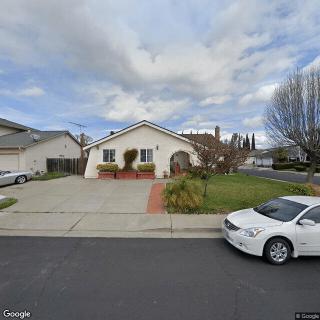
Dover Valley Residential Care Home
$2,200 to $3,000 / month4.9 miles away -
About the same
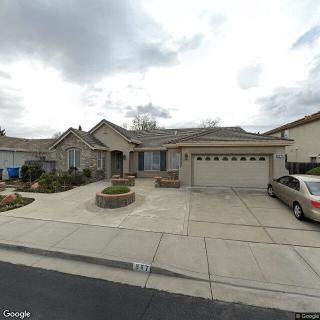
Bert Lilleen Care Home
$2,000 to $2,200 / month4.0 miles away
Overall Review of Josephine Manor
Pros
 The elder home is a very nice place with clean, friendly people.
- The grounds are beautiful, the apartments are clean, and indoors are secure with really nice people.
- The owners are multilingual—speaking English, Tagalog, and American Sign Language—and are extremely caring and compassionate.
- The facility would have been ideal and close to their homes; it was their first choice.
- The facility offers easy access to services and amenities and is near Alamo Creek Park.
- The care services are satisfactory.
Cons
 The package has not arrived yet.
- The reviewer lived there for over a year and says it needs a serious redo.
- The mother's insurance would not transfer to the facility, causing disappointment.
- The facility does not offer any activities.
- The reviewer considers the food to be mediocre.
Review
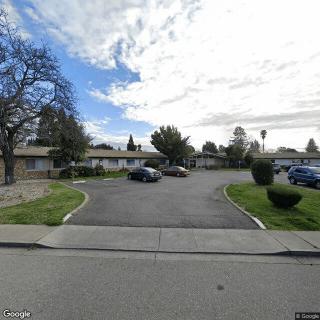
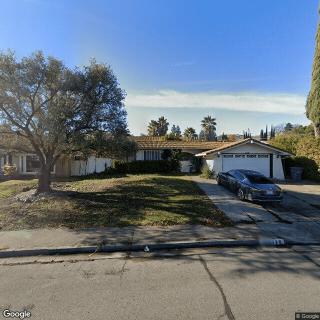
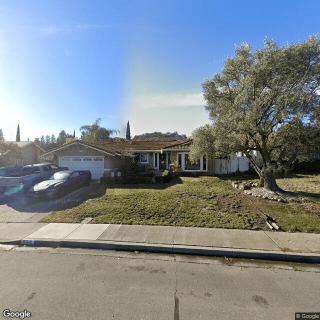
Josephine Manor in Vacaville is best suited for families seeking a warm, low-stress transition into assisted living for someone who prioritizes safety, cleanliness, and barrier-free communication. The community’s strength lies in approachable, multilingual leadership and staff who genuinely communicate with residents. For seniors who rely on American Sign Language or who speak English and Tagalog, the ability to converse with caregivers and administrators without a language barrier is a meaningful, practical advantage. The grounds are pleasant, the apartments are clean, and indoor spaces feel secure, which supports families looking for a calm, predictable routine. It serves well those who want reasonable proximity to services along a main street and easy access to parks, without necessarily needing a vibrant activities calendar or gourmet dining as non-negotiables.
The most persuasive positives are the people and the environment. Owners are described as caring and compassionate, with a genuine interest in residents’ well-being that translates into attentive daily care. The multilingual capability that includes ASL stands out as a practical safeguard for residents who are profoundly deaf or hard of hearing, ensuring communication isn’t an obstacle to quality care. The setting, clean, well-kept, and indoors-secure, gives families confidence about daily safety and a predictable living environment. The convenient location on a main thoroughfare can be a benefit for families seeking quick access to appointments, groceries, or community resources, and the nearby park adds a welcome option for outdoor time. In short, Josephine Manor delivers reliability, not flash.
Significant caveats temper the positives. Several reviewers flag that the facility “needs a serious redo,” hinting at outdated interiors and a sense of aging infrastructure that isn’t fully aligned with modern expectations. A recurring concern is the absence of structured activities or organized programming, which matters for seniors who value social engagement, cognitive stimulation, and purposeful daily routines. Food quality is variable at best, with some residents judging meals as only fair or unsatisfactory, a factor that can influence overall satisfaction and daily mood. A practical but real hurdle is insurance compatibility; for families, the inability of a preferred insurer to transfer coverage can derail an otherwise ideal fit. A logistical quirk, packages occasionally not arriving, also punctuates the picture as a potential administrative weak spot.
These strengths and deficits interact in a clear, decision-forward way. For families prioritizing respectful communication accommodations, dependable daily care, and a supportive, friendly community, the pros can clearly offset the cons: the emphasis on multilingual access and compassionate care directly addresses common friction points in elder care, while clean, secure spaces reduce safety concerns. The lack of programming and older interiors are mitigated if the primary need is reliable, courteous assistance rather than a bustling social scene or high-end amenities. Proximity to services and parks also helps preserve independence, enabling residents to participate in life outside the building with relative ease. In other words, the core caregiving value proposition remains solid if expectations are aligned around daily care rather than resort-style living.
Those who should actively consider alternatives include families for whom active engagement, robust activity calendars, or a highly modernized facility are non-negotiable. If gourmet dining and frequent social programming are top criteria, look elsewhere. If the resident’s insurance requires a facility that accepts that specific plan, the transfer issue here could be a deal-breaker. For seniors needing more intensive rehab services, memory care specialization, or a facility with modern renovations and turnkey amenities, Josephine Manor may feel like a stepping-stone rather than a long-term home. Additionally, if reliable package handling and incident-free administrative operations are essential, the occasional lapses reported could be a warning sign.
Actionable next steps guide families toward an informed decision. Visit with a candid list of questions about activity offerings, meal plans, and the current state of the facility’s renovations, asking for concrete examples and a tour of typical days. Confirm what insurance plans are accepted and whether any exceptions or partial coverage arrangements exist. Talk to current residents or their families about daily routines, accessibility features for hearing-impaired residents, and how communication with staff is managed on busy days. Finally, compare Josephine Manor to a small set of nearby alternatives in Vacaville to gauge whether a more active calendar, updated interiors, or preferred insurer acceptance better align with the resident’s priorities, and then decide with clarity, not compromise.
 Board and Care Home
 Private
 Respite or short term stays offered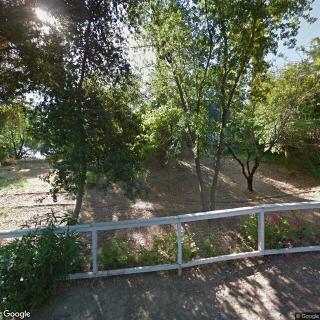
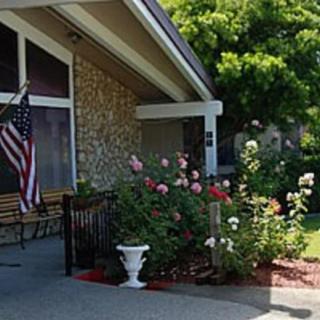

 Comprehensive Guide to Blood Pressure Charts for Older Adults: Understanding Normal and High Readings by Age
 Financing Long-Term Nursing Home Care Through Social Security: A Thorough Exploration
 Essential Knowledge on Pneumonia in Older Adults