
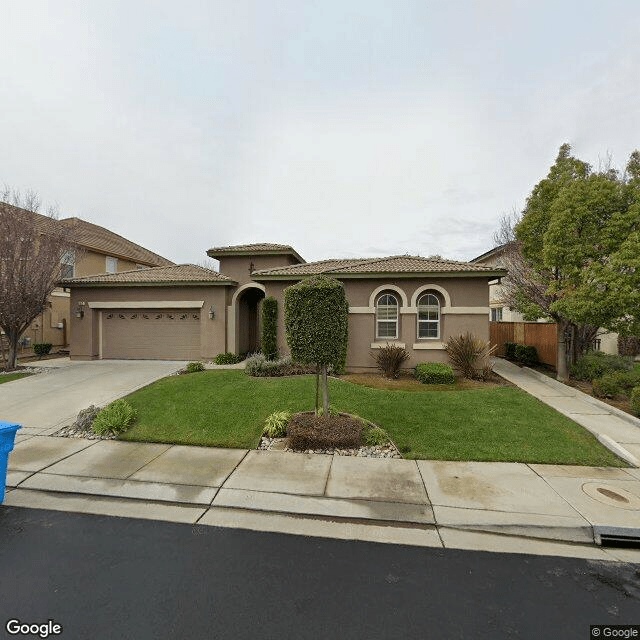
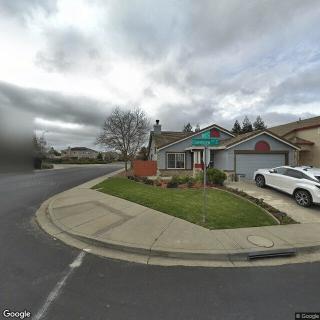
657 Canterbary Circle, Vacaville, CA 95687
To contact a resident: (707) 689-5807
For more information about senior living options: (866) 208-4318
Agape Gardens Costs & Pricing
At Agape Gardens, the cost for a private room is set at $3,500 per month, placing it slightly above the average rate in Solano County, which stands at $3,482. However, this rate remains considerably lower than the broader average across California, where private rooms typically cost around $3,939. This competitive pricing reflects Agape Gardens' commitment to providing quality care while remaining mindful of regional market trends. Residents can expect not only a welcoming environment but also value that aligns well with local standards.
| Floor plans | Agape Gardens | Solano County | California |
|---|---|---|---|
| Private | $3,500 | $3,482 | $3,939 |
Assisted Living communities with a similar price nearby
-
from +$450 / mo
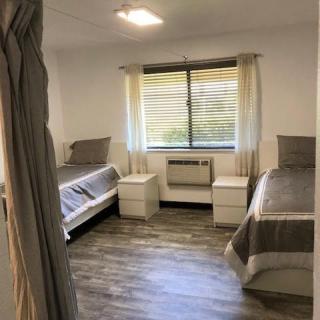
Solano Life House
$3,950 / month10.6 miles away -
from +$495 / mo
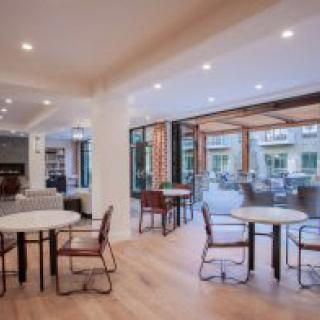
The Watermark at Napa Valley
$3,995 to $6,795 / month20.0 miles away -
from -$505 / mo
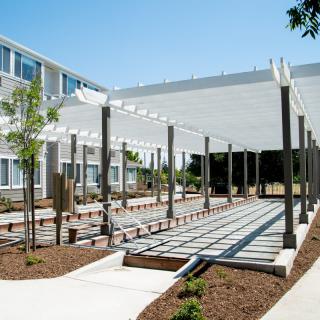
TreVista at Antioch
$2,995 to $5,995 / month24.8 miles away -
from -$250 / mo

Magnolia Court
$3,250 to $6,000 / month2.4 miles away -
from -$405 / mo

Cogir Of Vallejo Hills
$3,095 to $3,895 / month20.1 miles away
Overall Review of Agape Gardens
Pros
 Agape Gardens is described as organized and efficient.
- The staff provide compassionate care and clear communication, making families feel supported.
- The home features a structured, predictable routine that benefits residents.
- The facility is clean and well kept, with excellent care for residents.
- The staff are friendly and personable, and residents are cared for with genuine warmth.
- The location is conveniently close to home and offers a welcoming, home-like atmosphere.
Cons
 They didn’t see any residents during the tour.
- All the bedroom doors were closed.
- They felt there were not enough activities going on for their mom.
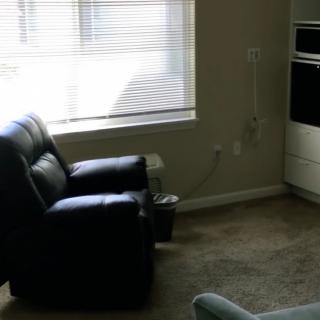
- There was no furniture in the room.
- Five people shared the same bathroom.
- Three residents were bed ridden.
- They were not 100% loving it.
- There weren’t a lot of outside activities.
- No clients were seen.
Review
Agape Gardens in Vacaville is best suited for families seeking a small, home-like setting where an elderly loved one can receive steady, hands-on care with clear, ongoing family communication. The community works well for residents who thrive on a predictable routine, personal attention from a tight-knit staff, and proximity to family for regular visits and updates. Its intimate footprint, organized daily schedule, and a distinctly personal approach make it a practical choice for someone who values comfort and continuity over expansive programming or campus-sized amenities.
Those who should consider alternatives are residents who crave robust social calendars, abundant activities, or larger, more contemporary facilities. The lack of visible, in-room social programming during some tours raises questions for families prioritizing constant stimulation or highly active engagement. Room configurations and bathrooms are modest, private rooms are small and shareable baths are common, which may deter families seeking generous private space, individual bathrooms, or a higher level of amenities. Additionally, a few reviews mention limited outside activities and a quieter pace that may not suit a more active senior or one who relies on structured group events to stay engaged.
The strongest positives center on care quality and family-centered communication. Staff members are consistently described as friendly, personable, and genuinely caring, with one family recounting outstanding care during a frail period and appreciating regular, transparent updates. The home-style environment is noted for its organized routine and clean, well-kept surroundings, which translate into predictable days that can ease anxiety for residents and families alike. When comfort at the end of life or during fragile health is the objective, these aspects, coupled with proximity to family and a kitchen that supports home-cooked meals, create a compelling value proposition.
Yet several concrete drawbacks temper those strengths. The physical footprint and room-sharing realities mean less private space and fewer in-room privacy options, which can be a problem for residents who value personal autonomy or require consistent dedicated bathroom access. The ongoing concern about activity levels, reports of limited in-house entertainment such as arts, games, or outside excursions, suggests a risk of social isolation for residents who derive energy from more dynamic daily engagement. In some tours, the absence of visible residents and the impression of closed doors also contributes to a perception of lower social interaction, even if care quality remains high.
From a decision-making standpoint, the pros most strongly offset the cons for families prioritizing intimate, attentive care, steady routines, and easy family involvement. For those who accept a smaller, quieter setting in exchange for consistent care and strong communication, Agape Gardens offers meaningful peace of mind. For others, particularly active seniors who expect a full calendar of activities, vibrant social life, and larger private living spaces, alternatives with more expansive programming and bigger accommodations will likely be a better match.
In closing, the best-fit profile centers on a senior who values personalized attention, transparent caregiver communication, and a calm, home-like atmosphere near family. Pros such as compassionate staff, a structured routine, and a clean, approachable environment can offset the drawbacks of smaller rooms, shared baths, and limited programming, but only if the resident’s needs align with a more intimate pace. Prospective families should prioritize a direct conversation about daily activity options, room configurations, and the cadence of family updates, and should verify that the care plan aligns with current health needs. If those align, Agape Gardens stands out as a prudent, steady choice; if not, exploring alternatives with broader activity calendars and more private accommodations will yield better long-term fit.
 6 resident community capacity
 Assisted Living
 Board and Care Home
 Activities off-site
 Bath tubs
 Cable or satellite TV
 Devotional services off-site
 Dining room
 Fully furnished
 Garden
 Housekeeping services
 Indoor common areas
 Move-in coordination
 Outdoor common areas
 Private
 Private bathrooms
 Respite or short term stays offered
 Telephone
 Wheelchair accessible showers
 Wi-Fi/high-speed internet available
 24-hour supervision
 Ambulatory care
 Assistance with bathing
 Assistance with dressing
 Assistance with transfers
 Diabetes diet
 High acuity care
 Incontinence care
 Meal preparation and service
 Medication management
 Special dietary restrictions
 Transportation arrangement (medical)
 Transportation to doctors appointments
 Christian services
 Comprehensive Insights into Activities of Daily Living (ADLs) and Their Assessment
 Medicare Coverage for Assisted Living: An In-Depth Exploration
 Your Comprehensive Guide to Luxury Assisted Living: Elevated Facilities, Amenities, and Costs