
110 East Mt. Diablo Avenue, Tracy, CA 95376
For more information about senior living options: (866) 208-4318
Overall Review of Rm Ugale Care Home
Pros
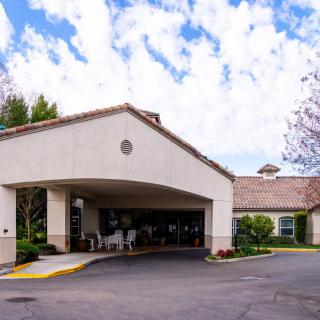
 Crystal Residential Care Homes is one of the cleanest, lovingly kind, and beautiful places to have a loved one reside.
- The owners and care providers take pride in caring for people who need care.
Review
Rm Ugale Care Home in Tracy, California is the kind of small, home-like residence that works best for families whose loved ones need help with daily activities but do not require intensive medical programming. The setting is clearly built around cleanliness, warmth, and neighborly care, with owners and caregivers who take pride in providing attentive, compassionate service. This community suits seniors who value a calm, intimate environment where staff can build real relationships and monitor day-to-day needs closely. It’s the sort of place where a resident is known by name, not by room number, and where routines feel human rather than institutional.
Those considering alternatives should evaluate their loved one’s medical complexity and desired level of structure. If 24/7 skilled nursing on site, a broader menu of specialized memory care, or a more expansive social calendar are non-negotiables, larger assisted living communities or a facility with dedicated memory-care wings may serve better. Families seeking greater privacy options, a wider array of on-site amenities, or a setting with more robust programming should compare options that balance medical oversight with independence. In short, this care home thrives on closeness and personal touch, not on the scale or systematic breadth of bigger campuses.
The strongest pros revolve around the essentials: cleanliness, a warm atmosphere, and prideful, hands-on care. The review notes a level of tidiness that stands out, paired with staff who are described as lovingly kind and dedicated. When care providers take ownership of their work, residents benefit from consistent routines, punctual assistance, and a sense of safety that comes from visible attention. The beauty of a well-kept residence also contributes to mood and dignity, which matters for longer stays. For families, these factors translate into fewer daily frictions, clearer communication, and a more confident sense that a loved one is cherished.
Yet every option has limits, and this setting is no exception. The implicit con is a smaller operation, which often means fewer on-site medical resources, fewer specialized programs, and less breadth in activity options than a larger campus. Residents with complex wound care, high-level medication management, or specialized behavioral health needs may outgrow what a home like this can offer. Privacy can be more communal by design, and the space for expansive social programming may be limited. The practical offset is that the intimate environment allows staff to tailor care with exceptional immediacy, but it will still require families to coordinate with outside providers and to stay actively engaged in planning and oversight.
In deciding, families should approach a tour with a clear checklist: verify licensing and inspection histories, confirm current staffing patterns and ratios, and ask how medical oversight is handled (which professionals are available and when). Clarify what daily tasks are covered, what constitutes “care” in this home, and what the boundaries are for emergency situations. Discuss costs, contracts, respite options, and tenure expectations, so no surprise charges derail the choice. If there is a need for ongoing memory-care support, inquire about staff training and whether specialized protocols are in place. Observing direct interactions between staff and residents can be the most telling gauge of how well the atmosphere and care philosophy translate into daily life.
Bottom line: this community is a persuasive fit for families seeking a warm, clean, small-scale home where personal attention and a respectful, family-like culture are the norm. It shines for seniors who require help with day-to-day activities but who do not demand high-intensity medical services or formalized memory-care programming. For those whose loved ones have more demanding medical needs, or who require a broader range of on-site amenities and structured therapies, exploring alternatives with more extensive clinical support will align better with long-term goals. The decisive factor rests on fit, the daily lived experience, not just the glossy description or a high rating. A thoughtful visit will reveal whether the intimate intimacy of this home truly matches the resident’s needs and the family’s expectations.
 6 resident community capacity
 Assisted Living
 Board and Care Home
 Cable or satellite TV
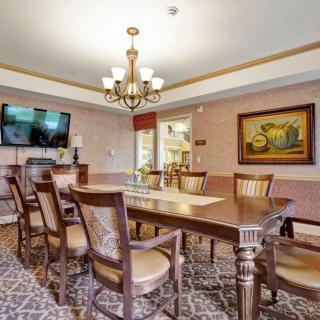
 Dining room
 Fully furnished
 Garden
 Housekeeping services
 Move-in coordination
 Outdoor space
 Telephone
 Wi-Fi/high-speed internet available
 24-hour supervision
 Activities of daily living assistance
 Assistance with bathing
 Assistance with dressing
 Assistance with transfers
 Diabetes diet
 Meal preparation and service
 Medication management
 Special dietary restrictions
 Transportation arrangement (medical)
 Transportation to doctors appointments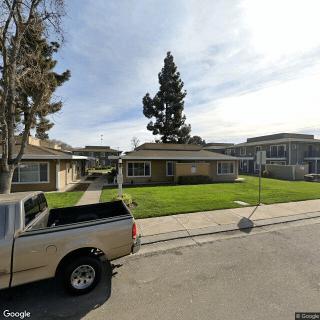

 Beyond the Bingo Hall: 50+ Enriching Activities for Seniors in Assisted Living
 Understanding the Distinctions: Assisted Living and Memory Care Explained
 Guiding Elderly Parents Who Refuse Assisted Living: 6 Practical Steps