Oakmont of Torrance

Save

  • Interior

    An elegant dining room with neatly arranged tables and chandeliers.
  • Outdoors

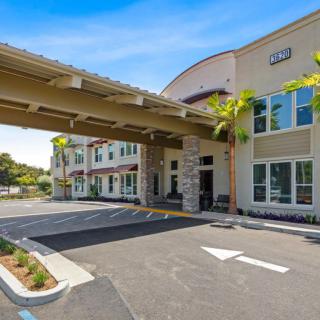
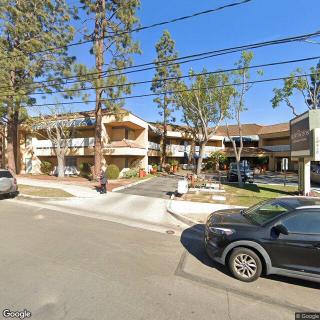
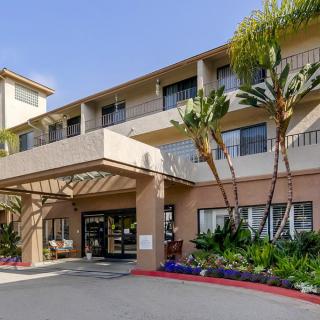
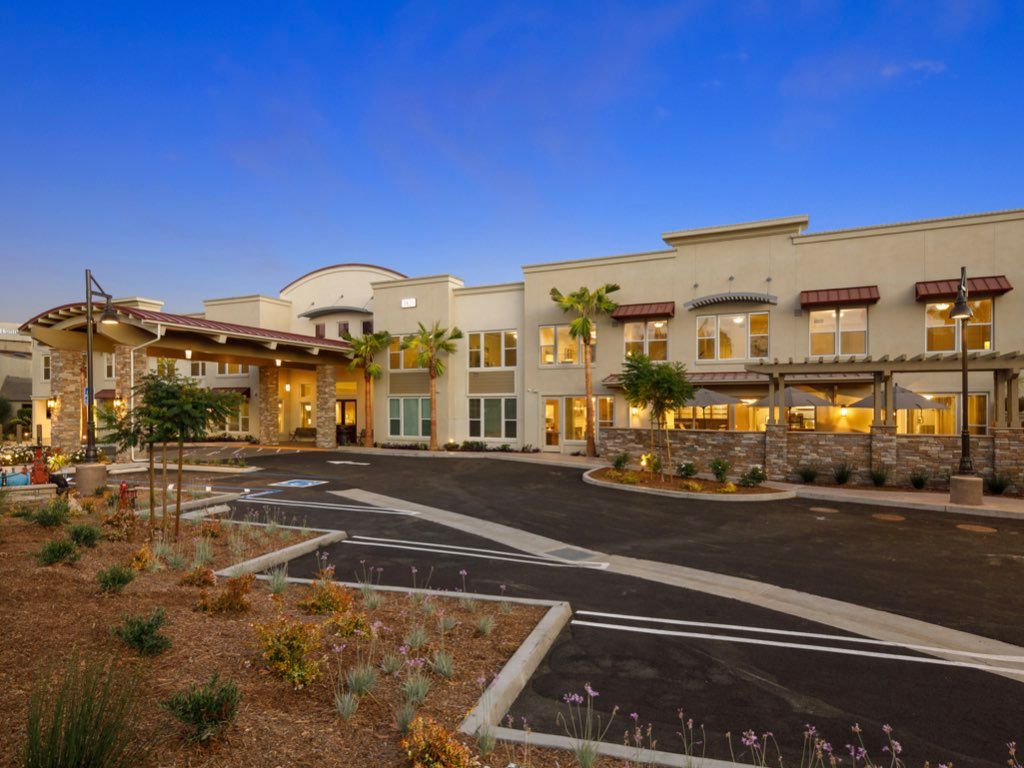
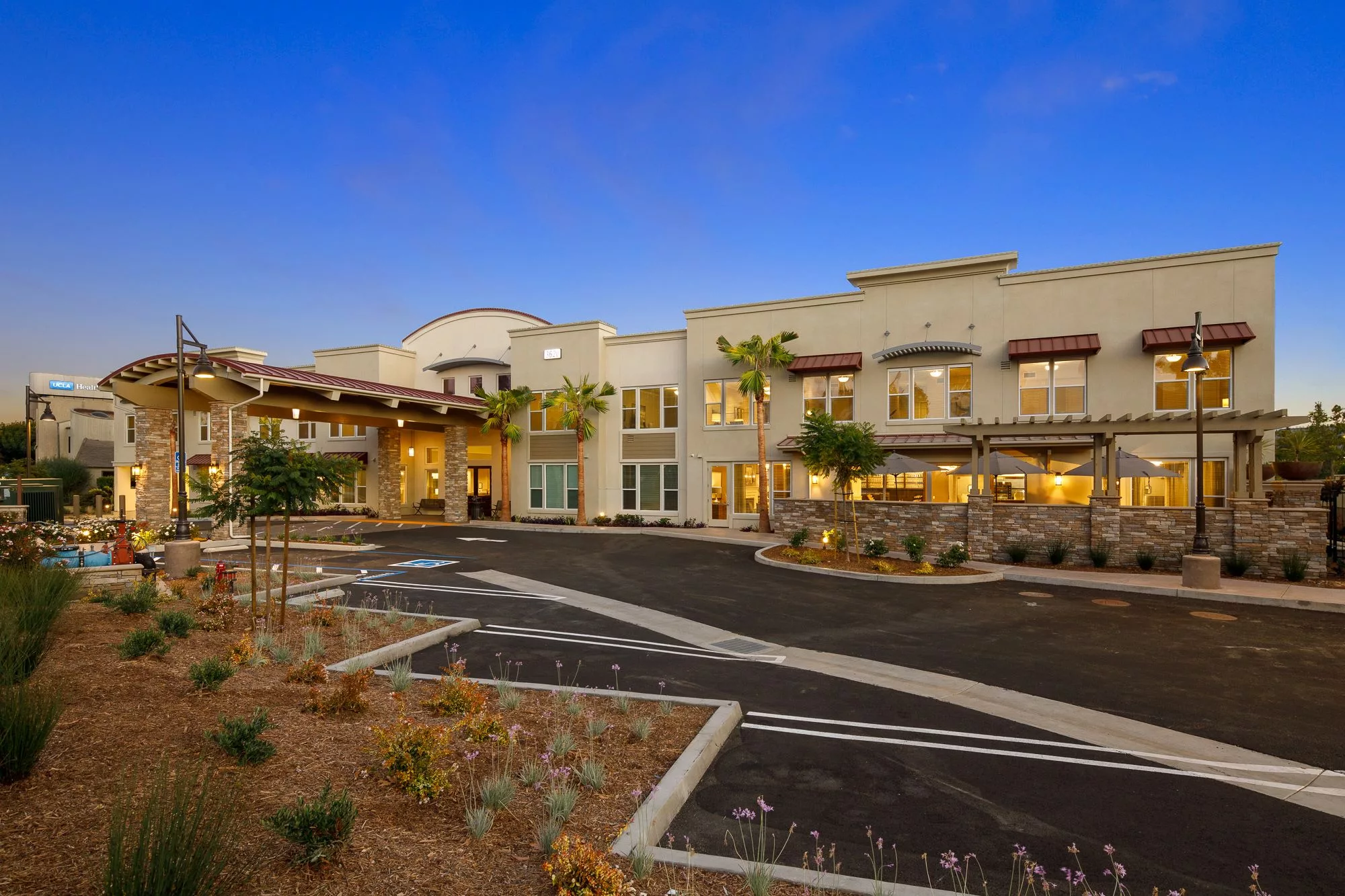
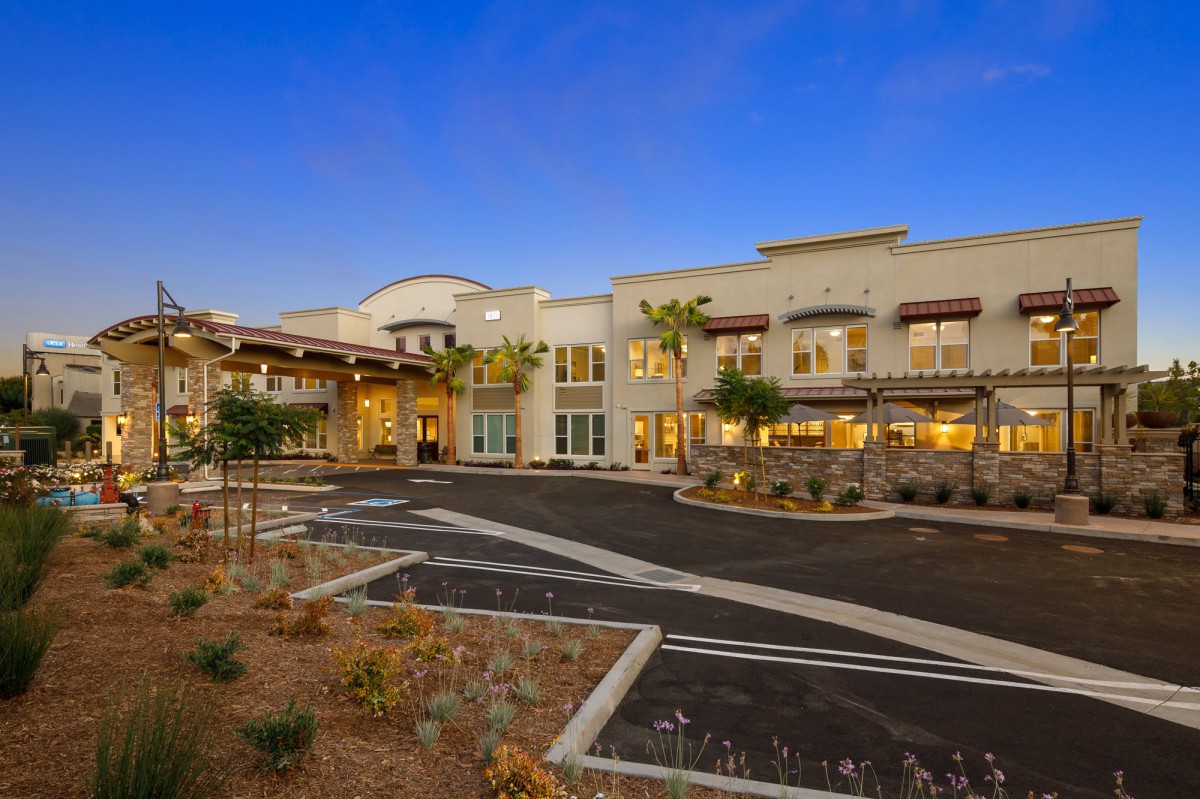
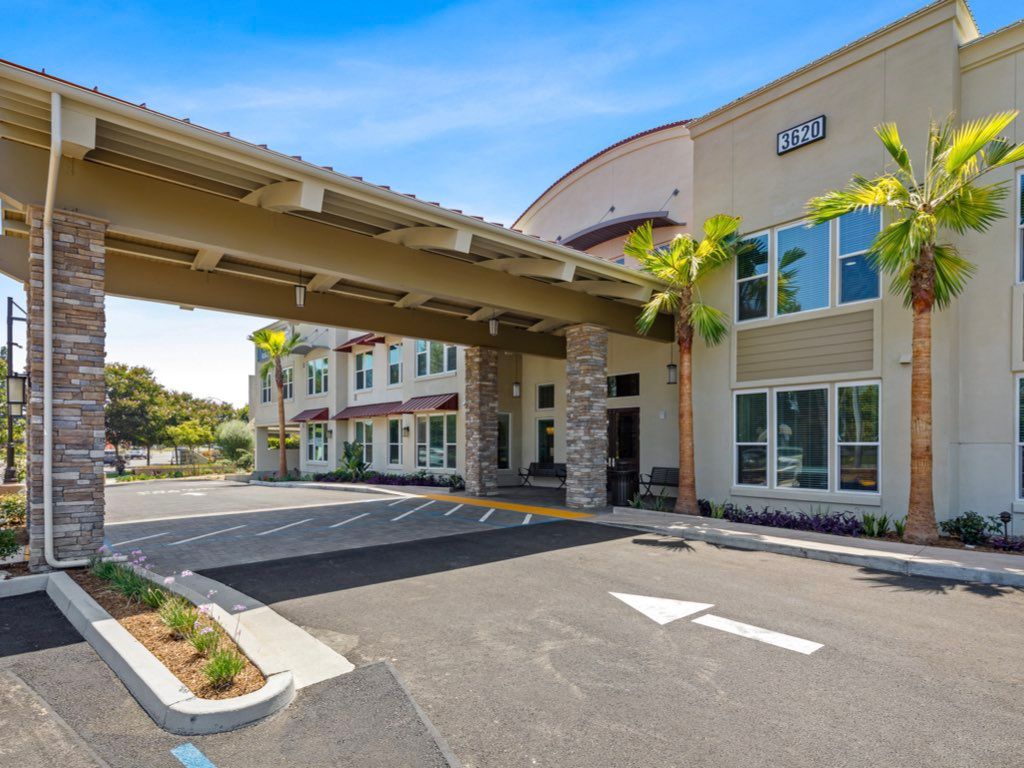
    Exterior view of a modern building with palm trees and a covered entrance.
  • Decor

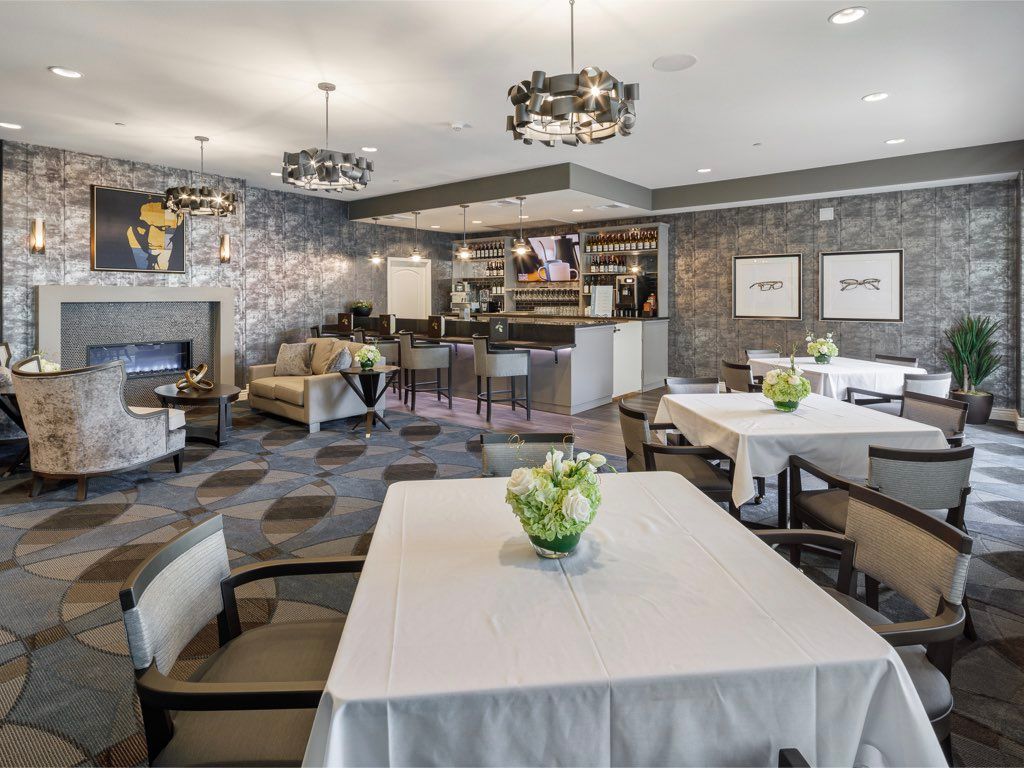
    A modern lounge area featuring comfortable seating and a stylish bar.
  • Living Room

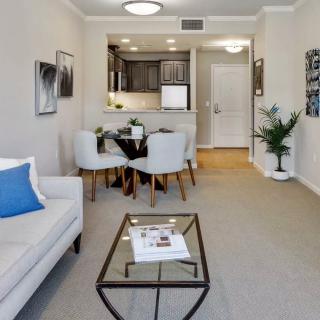
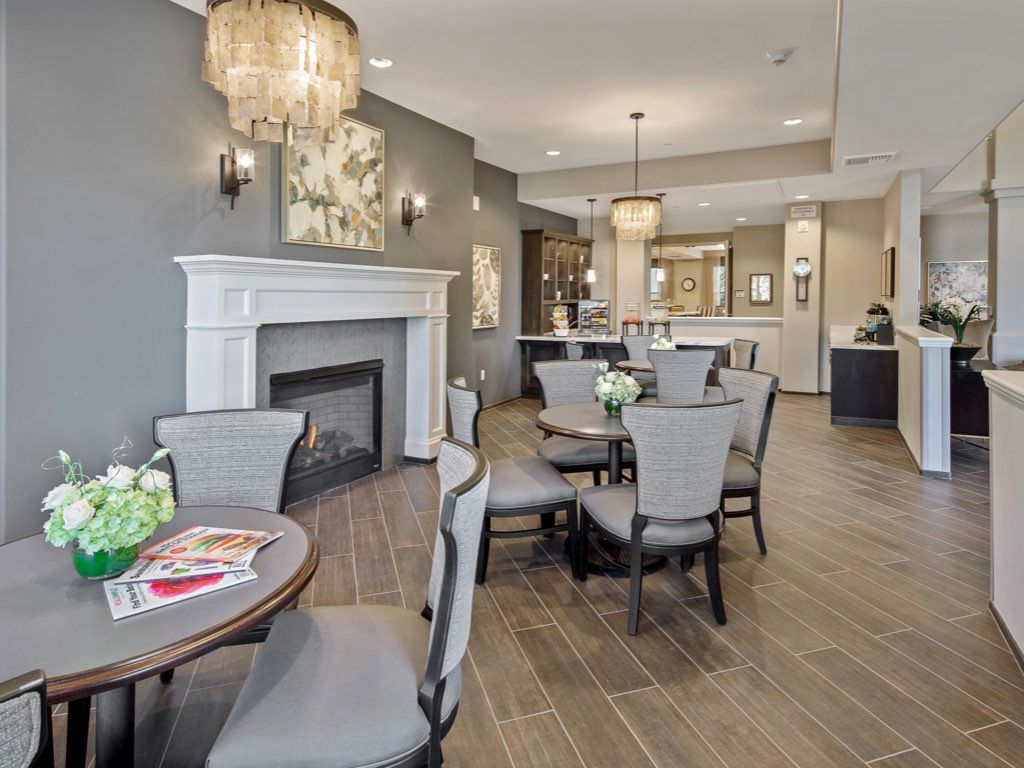
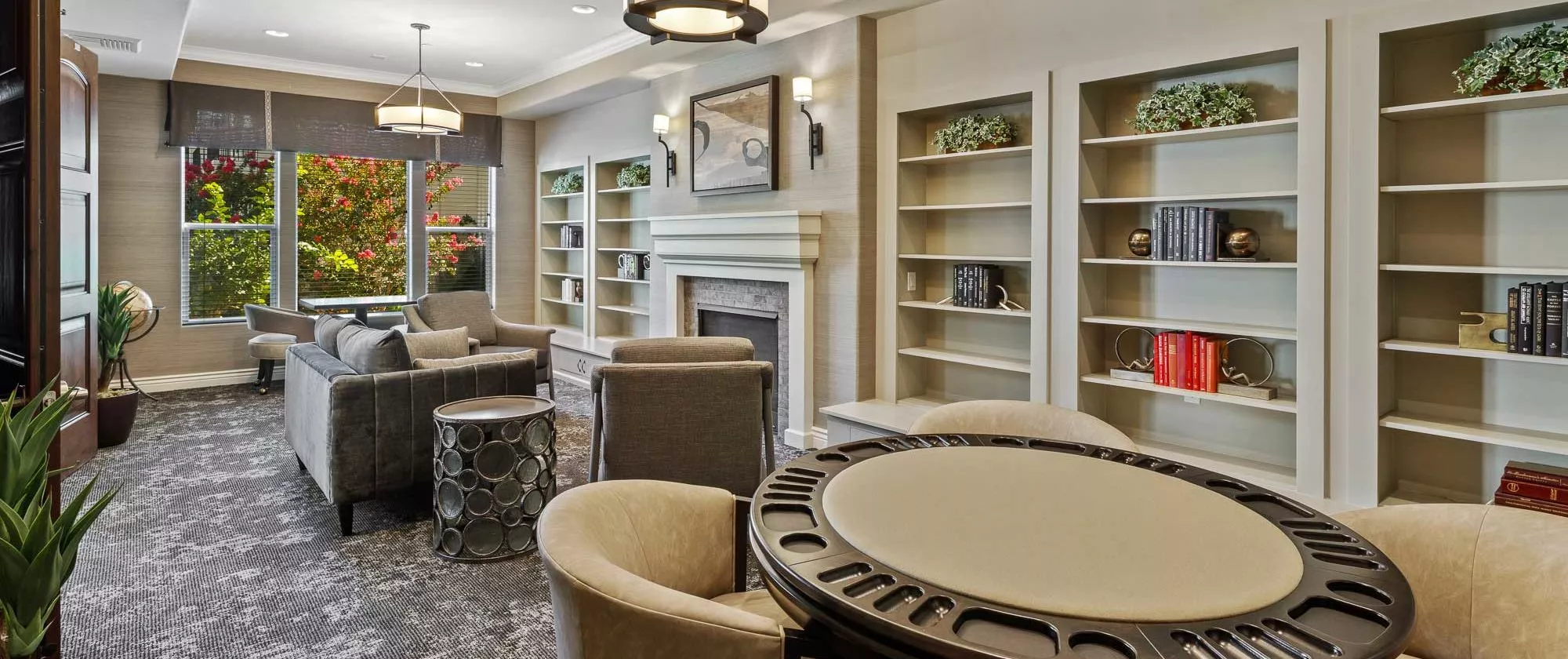
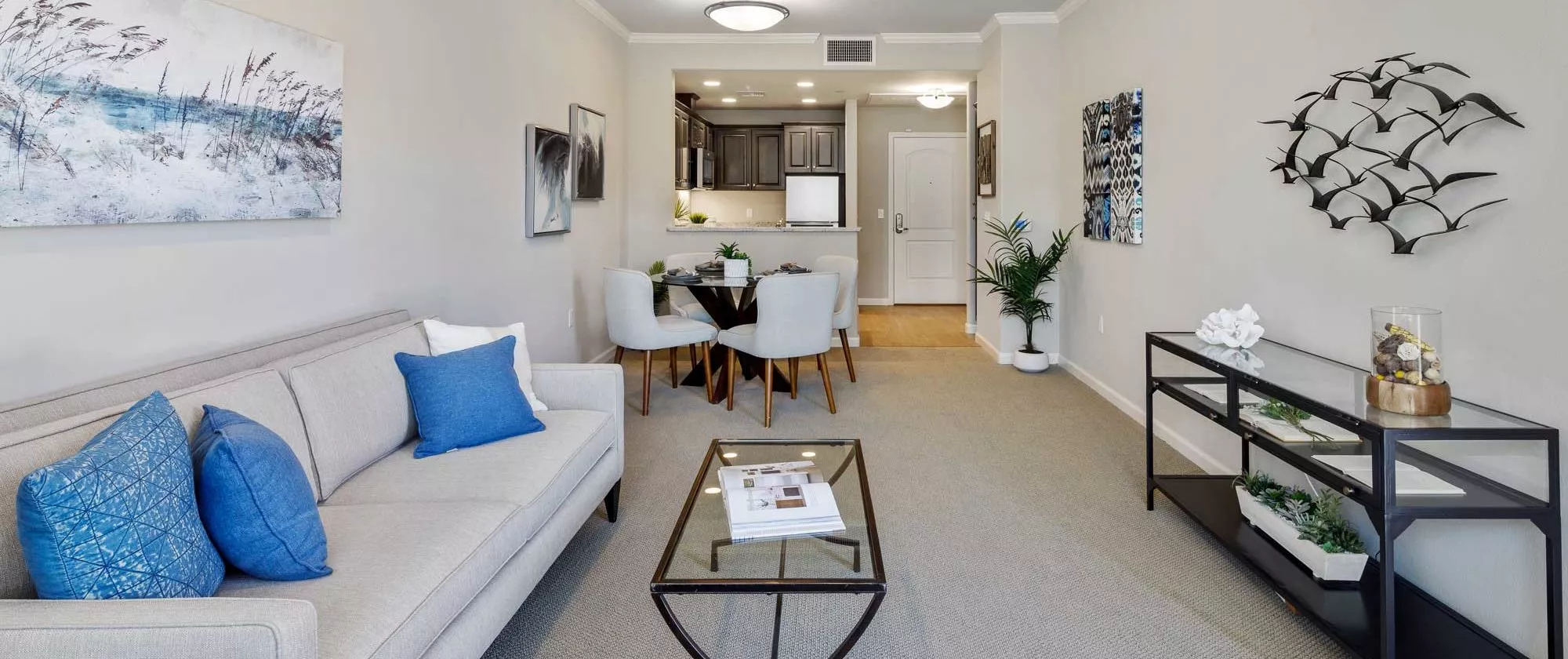
    A modern living room featuring two beige sofas, a central coffee table, an elegant fireplace, and abstract artwork on the walls.
  • Building

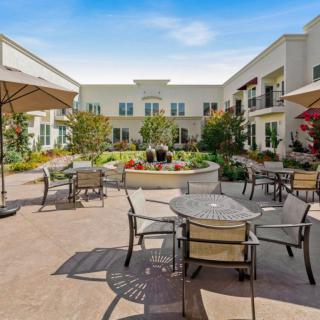
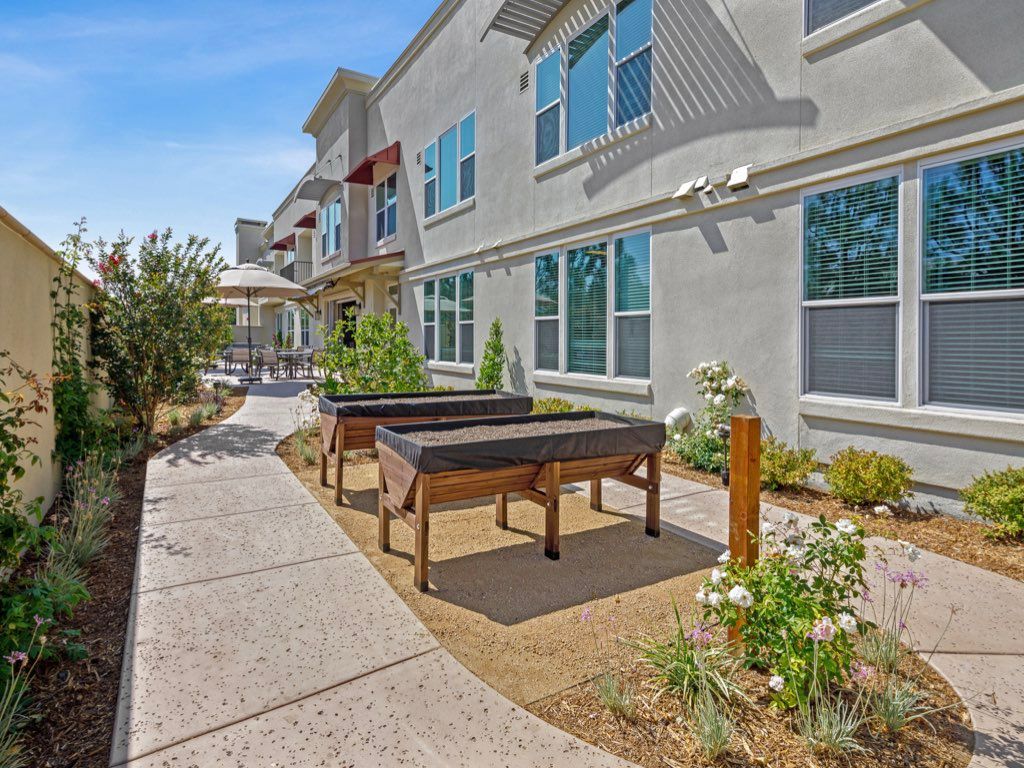
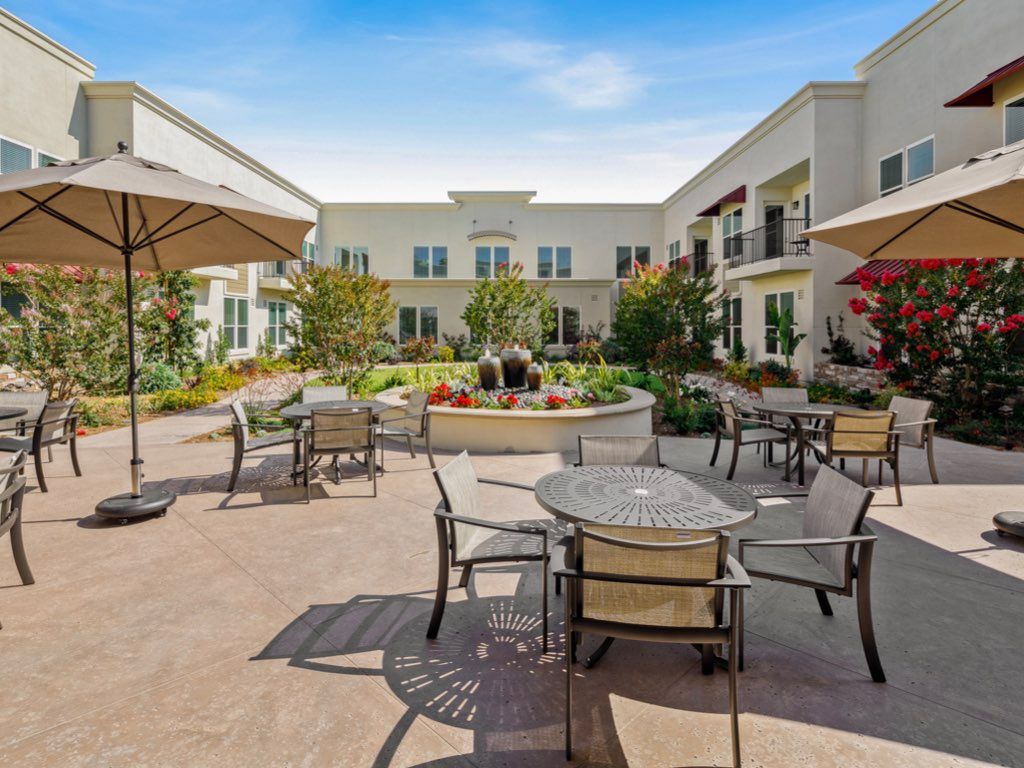
    A spacious courtyard with outdoor seating and umbrellas surrounded by a modern building.
  • Architecture

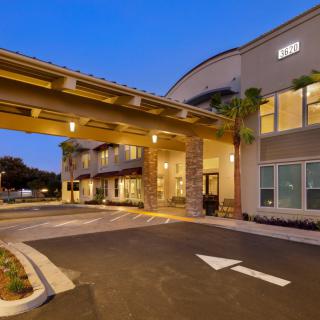
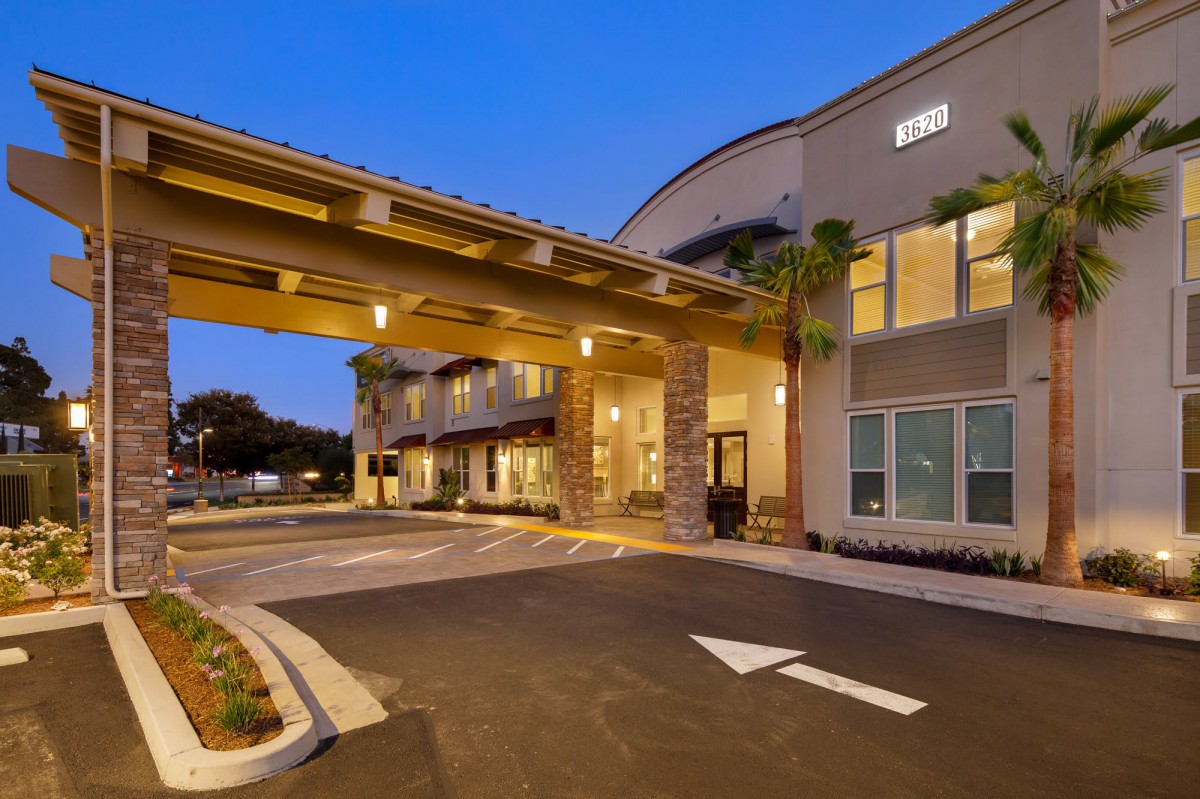
    A modern residential building with a well-lit exterior in the evening, featuring a spacious parking area.
  • Windows

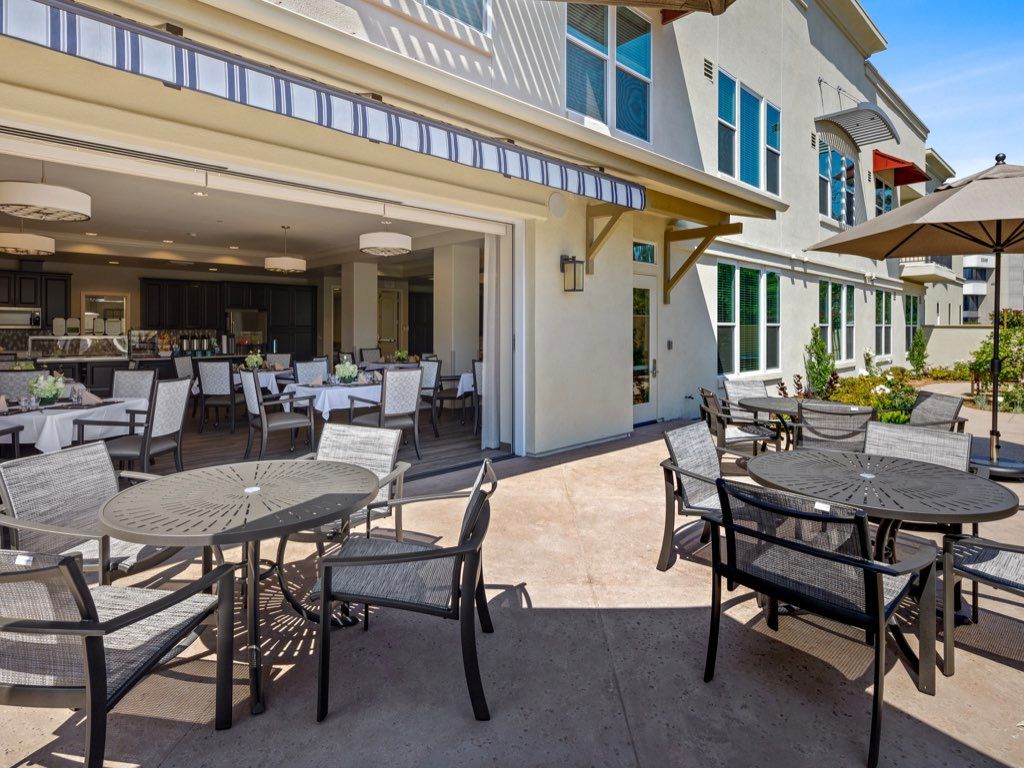
    Outdoor seating area at a restaurant with tables and chairs on a sunny day.
  • Dining

    A modern restaurant interior with dining tables and elegant chandeliers.
  • Landscaping

    A beautifully lit luxury house with a spacious outdoor patio and garden at night.
  • Kitchen

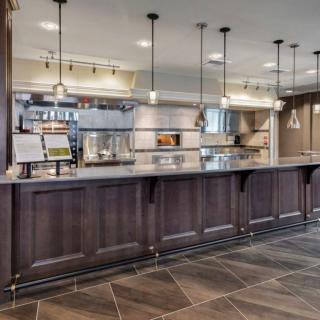
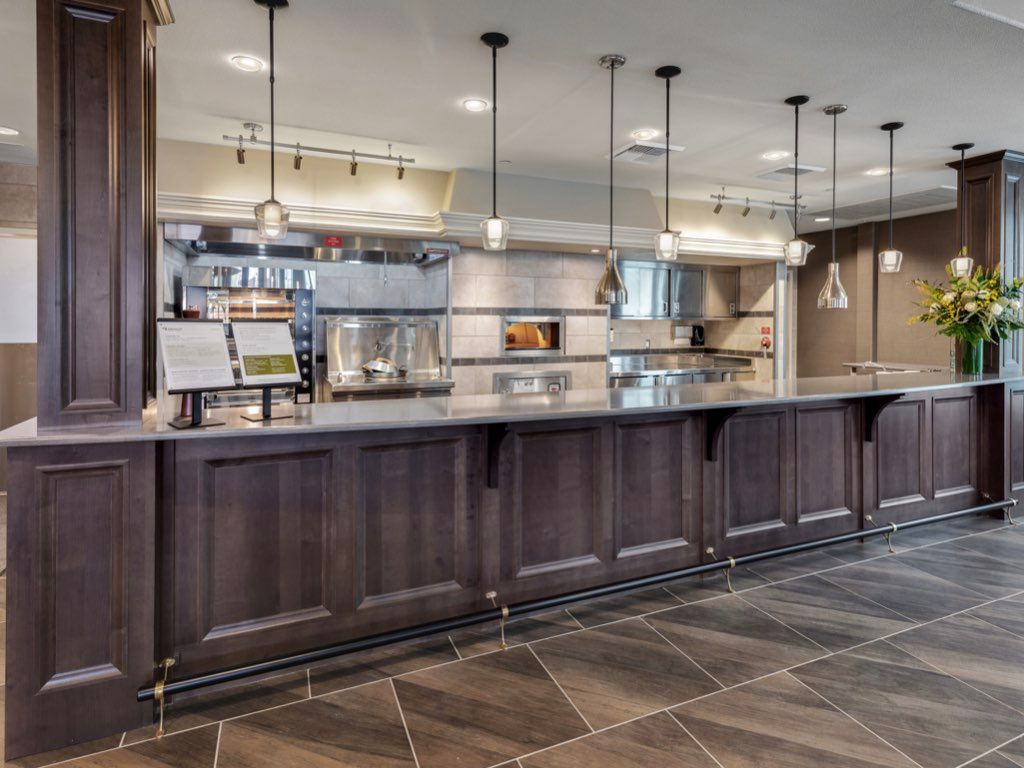
    A modern restaurant counter and kitchen with stylish lighting.
  • Lighting

    A beautifully lit courtyard with outdoor seating and a central fountain under an evening sky.
  • Garden

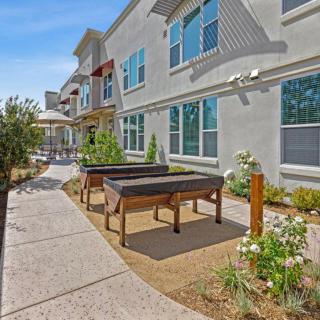
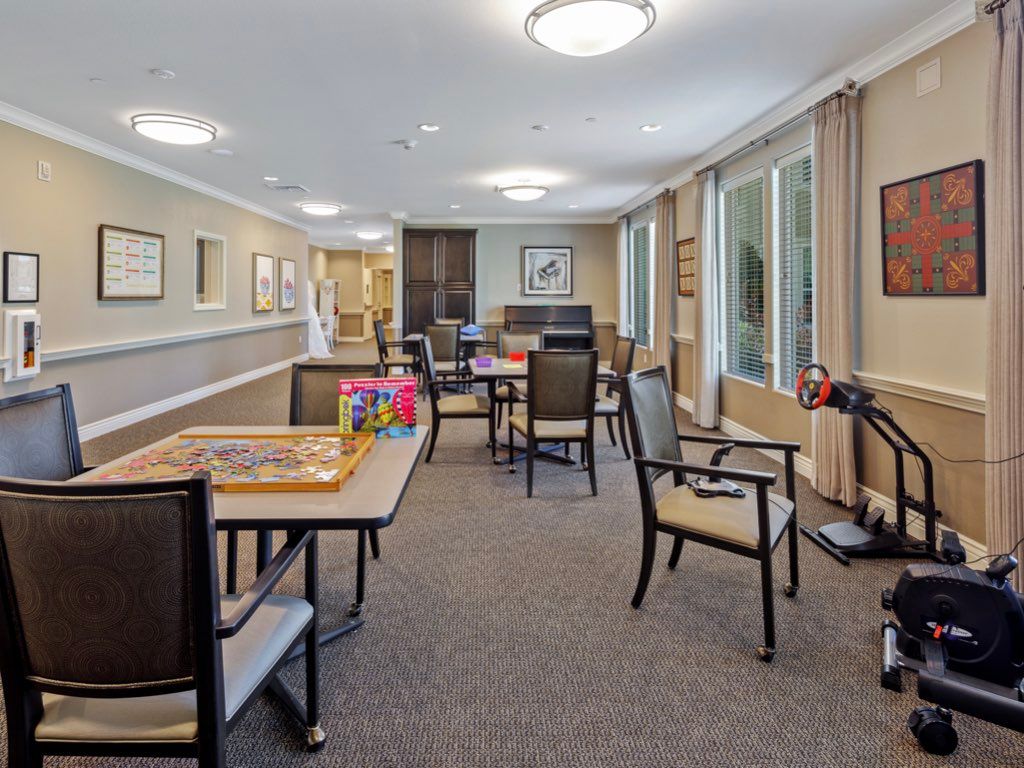
    A sunny outdoor area featuring a walkway, foosball tables, and landscaped garden beside a modern building.
  • Entrance

    Exterior view of a hotel entrance illuminated during the evening.
  • Artwork

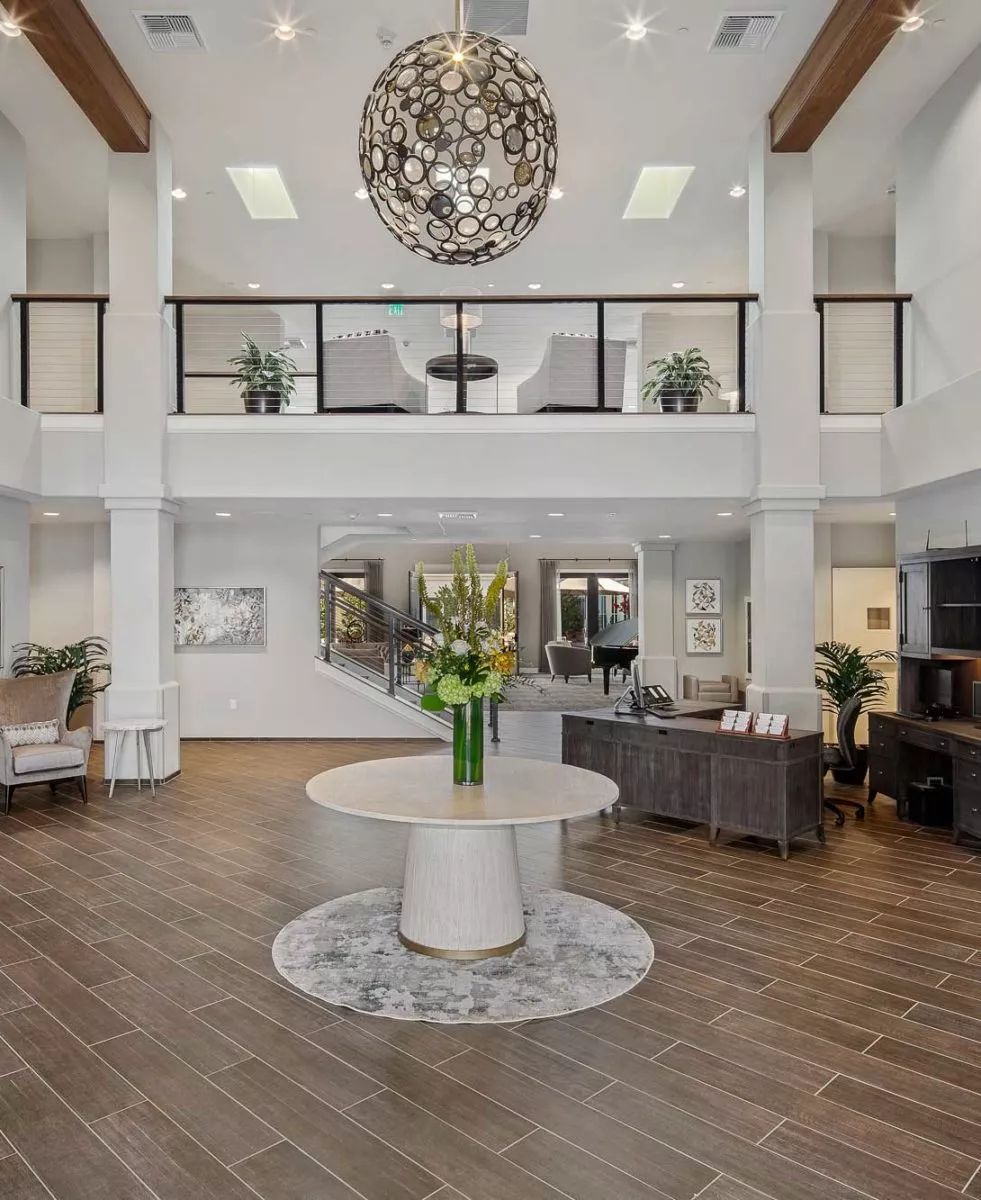
    Spacious modern lounge with a grand piano and fireplace.

Oakmont of Torrance in Torrance, CA

3620 Lomita Blvd, Torrance, CA 90505

For more information about senior living options: (844) 490-3973

4.2 from 88 reviews
5 stars
56
4 stars
17
3 stars
4
2 stars
2
1 stars
9

Assisted Living Memory Care

Oakmont of Torrance Costs & Pricing

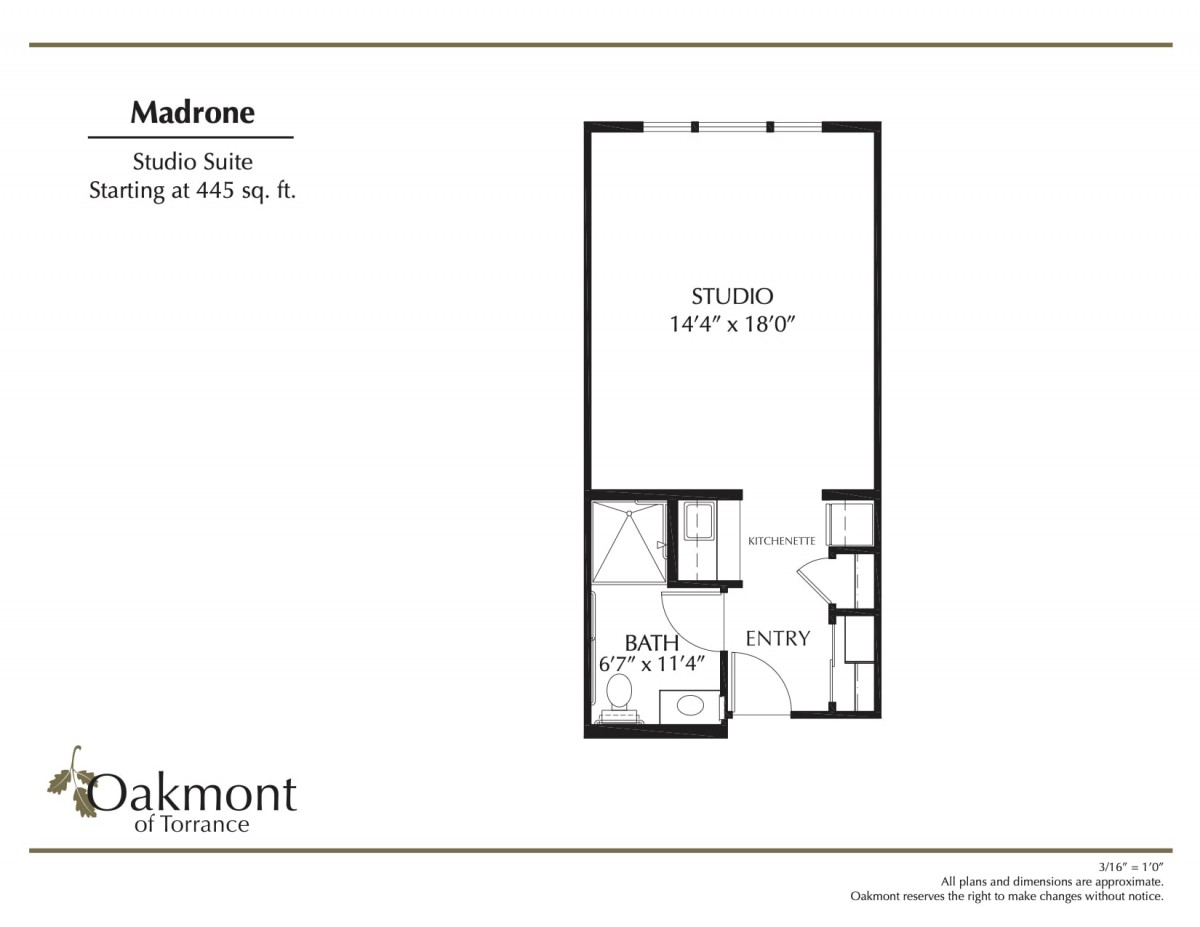
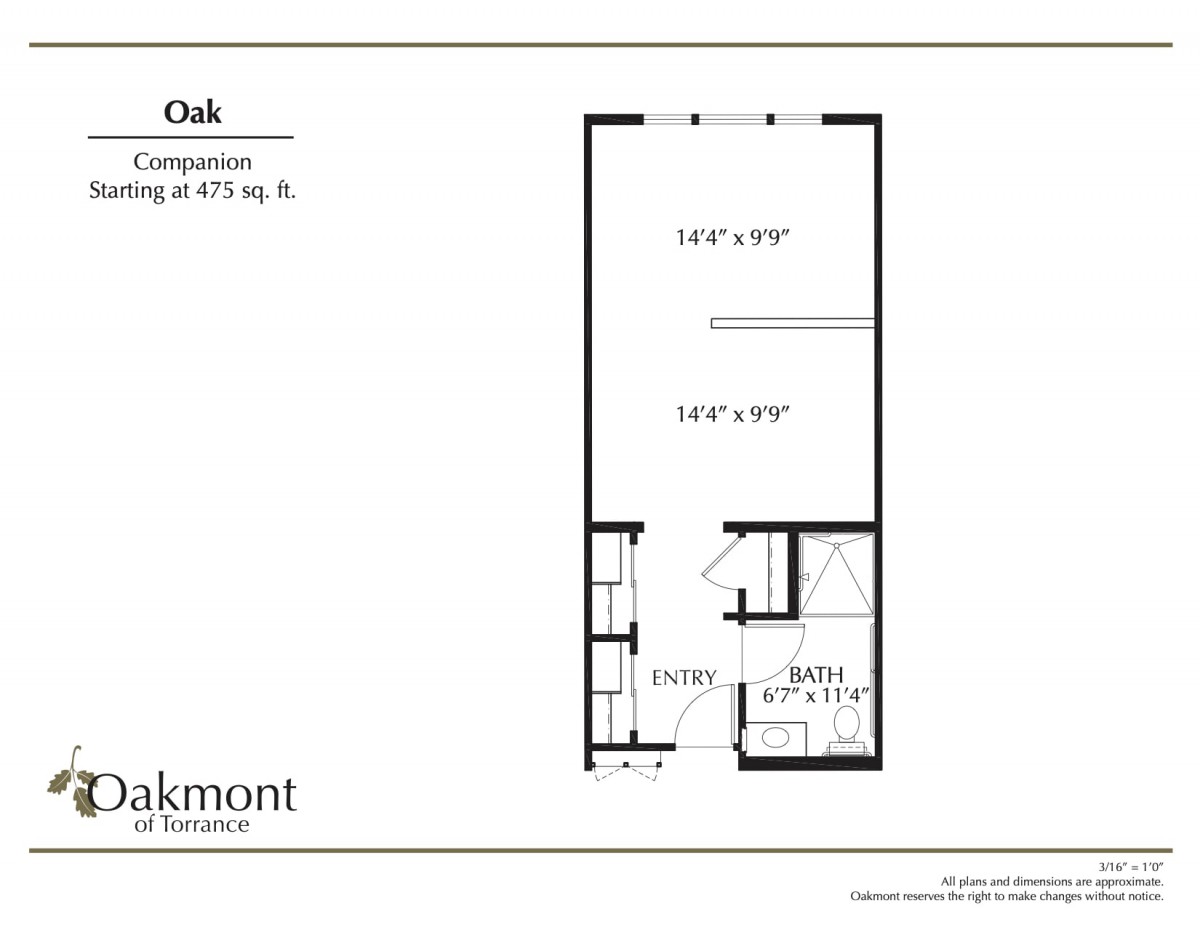
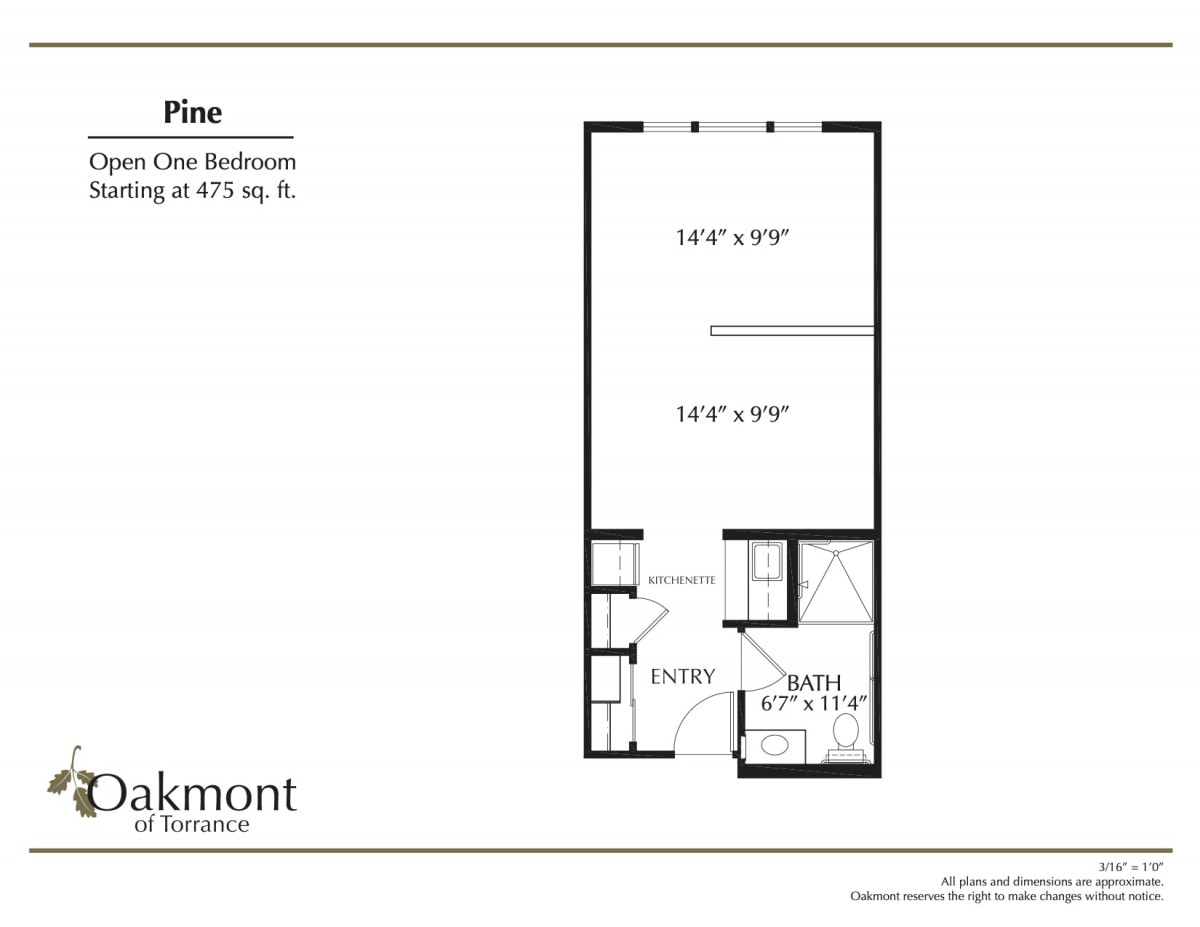
Oakmont of Torrance offers a range of accommodation options that reflect a premium price point compared to the average costs in Los Angeles County and throughout California. For a semi-private room, residents can expect to pay $5,295 per month, which is significantly higher than the county's average of $3,349 and the state's average of $3,333. The studio option at Oakmont is priced at $6,695, again surpassing both local and state averages. One-bedroom units are offered at $9,195, considerably more than the county's average of $4,603 and the statewide figure of $4,340. Finally, for those seeking more space with two-bedroom accommodations, Oakmont charges $10,695 per month - well above Los Angeles County's average of $6,164 and California's average of $5,270. These costs reflect Oakmont's commitment to providing an upscale living experience tailored to meet the needs of its residents.

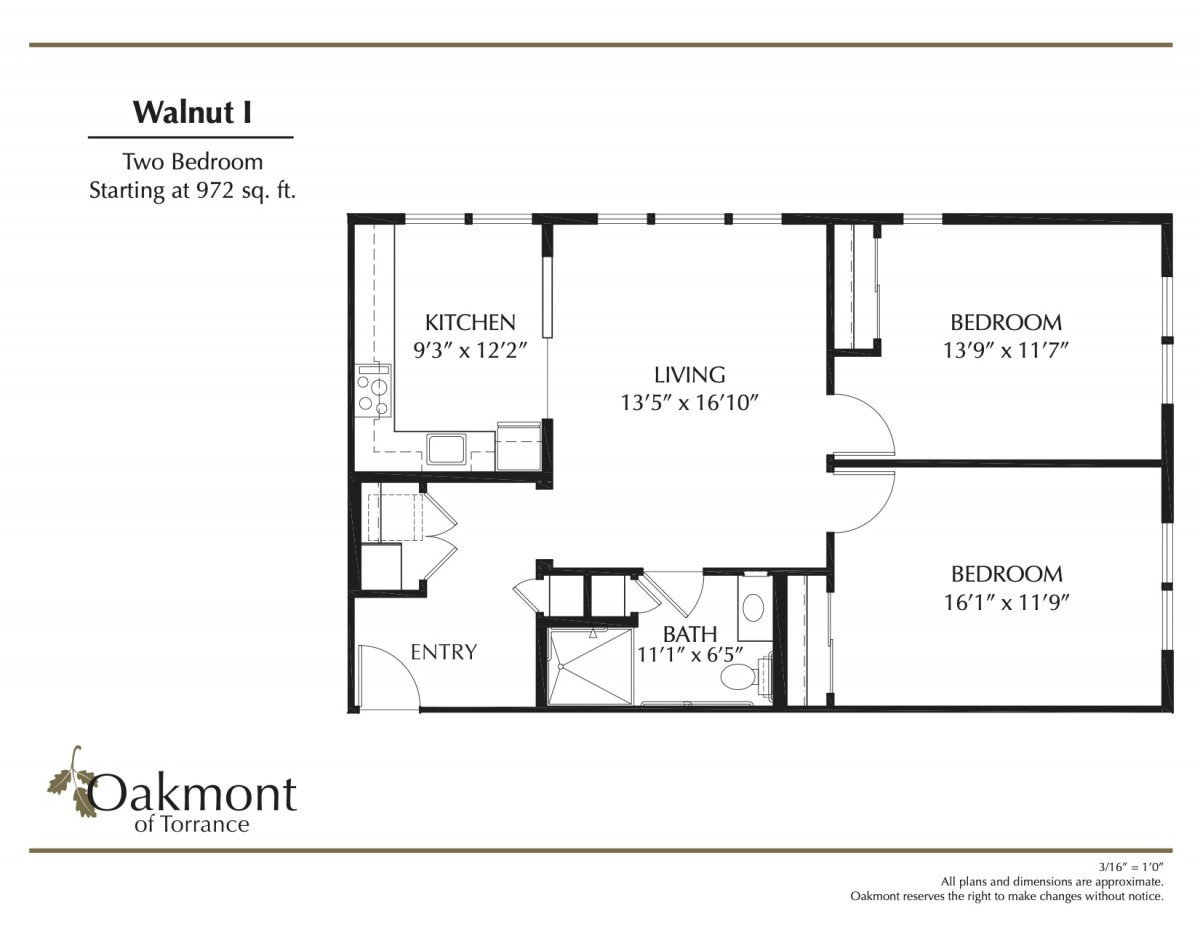
Floor plansOakmont of TorranceLos Angeles CountyCalifornia
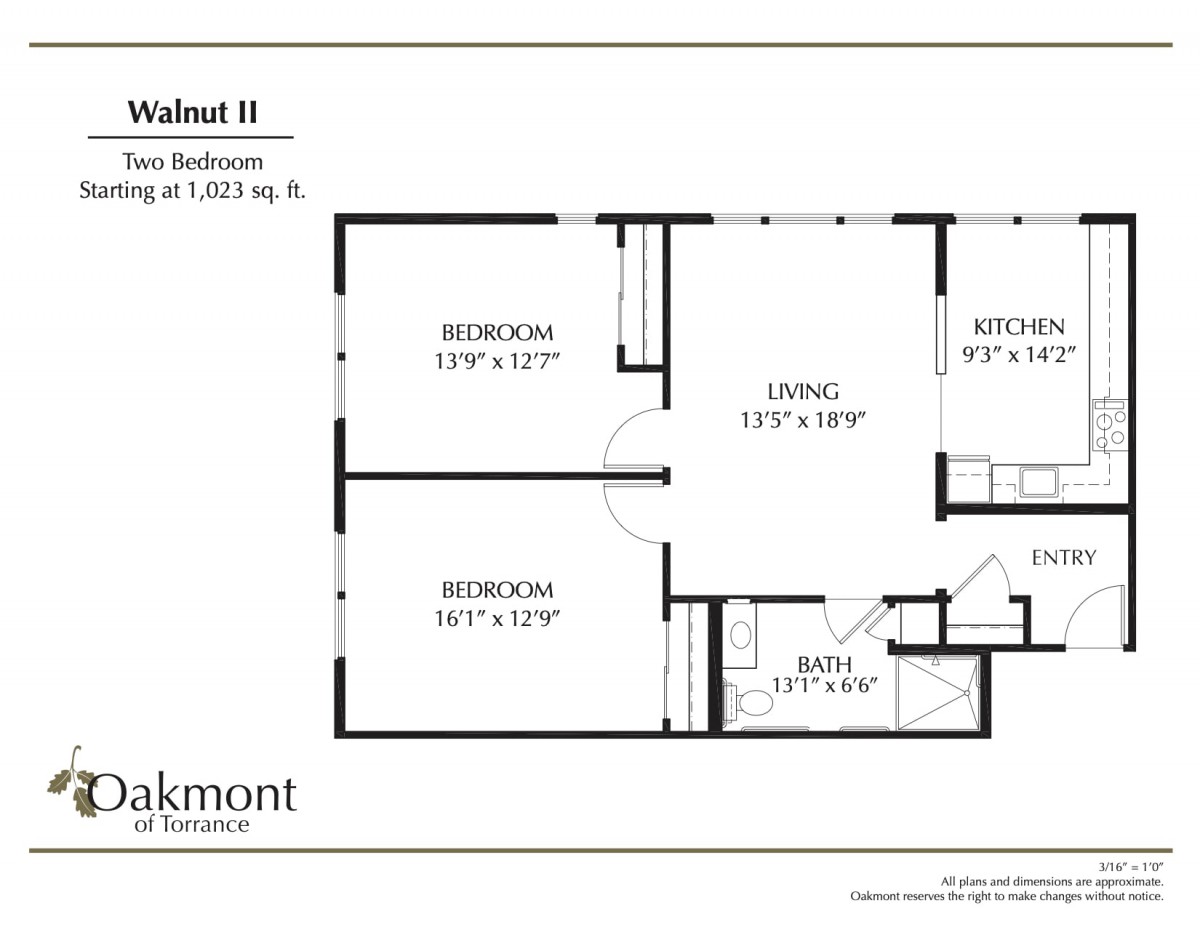
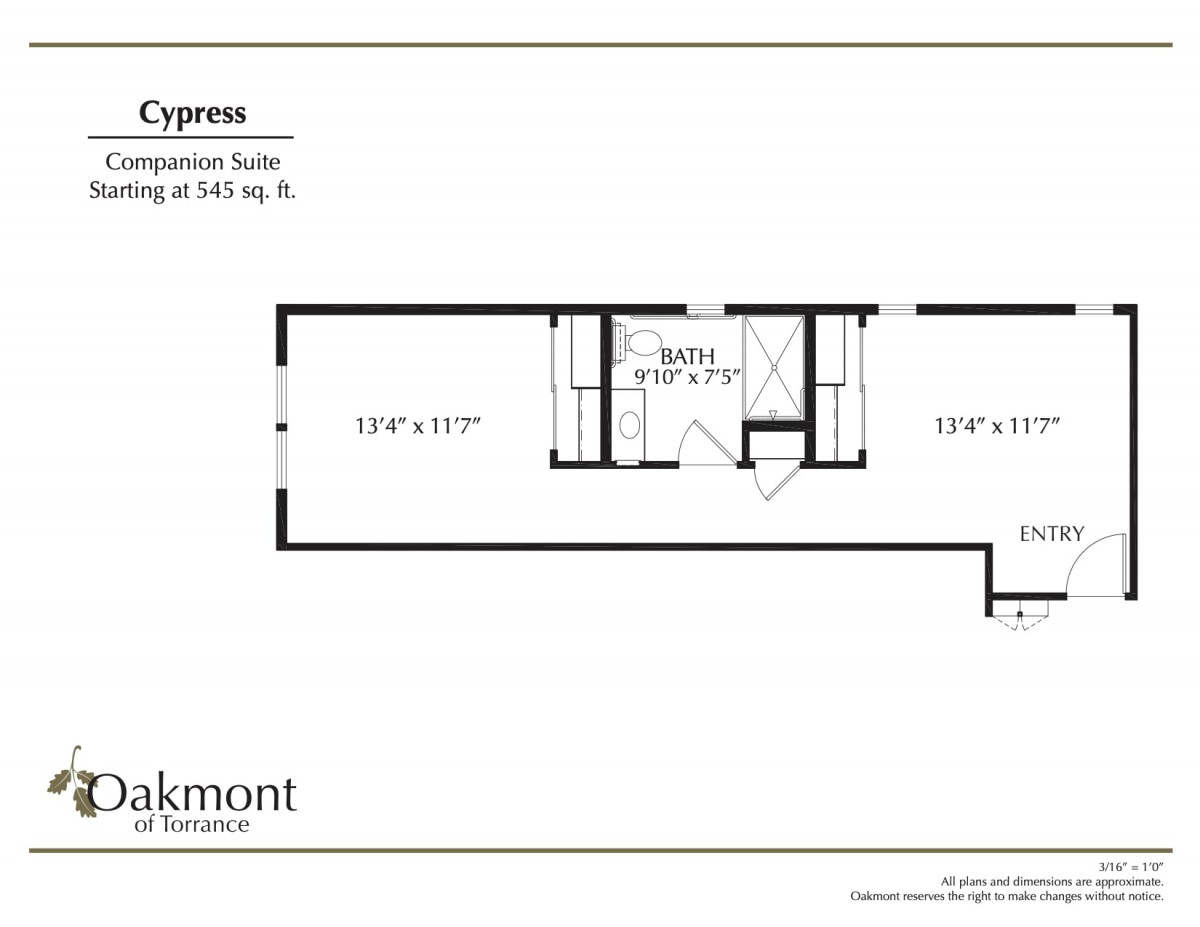
Semi-Private$5,295$3,349$3,333
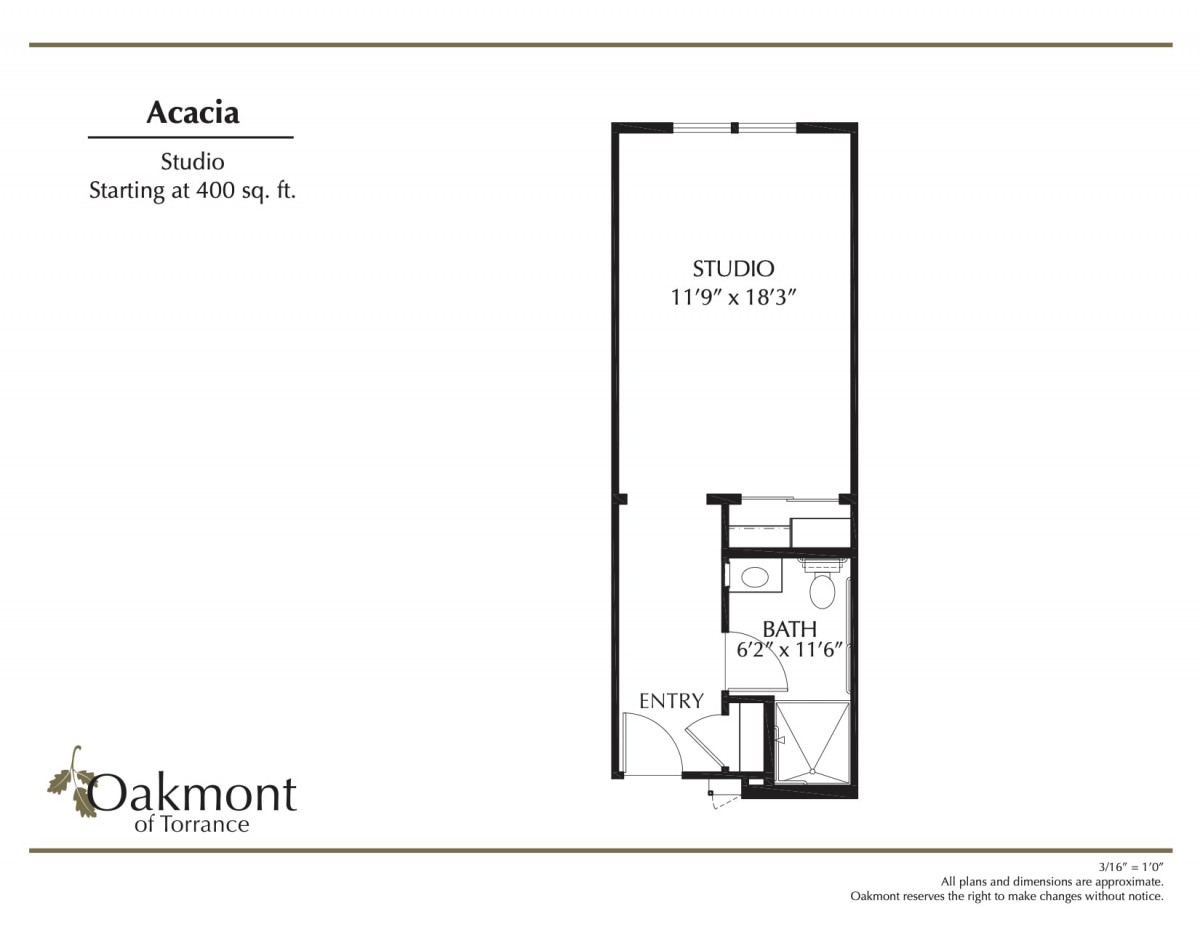
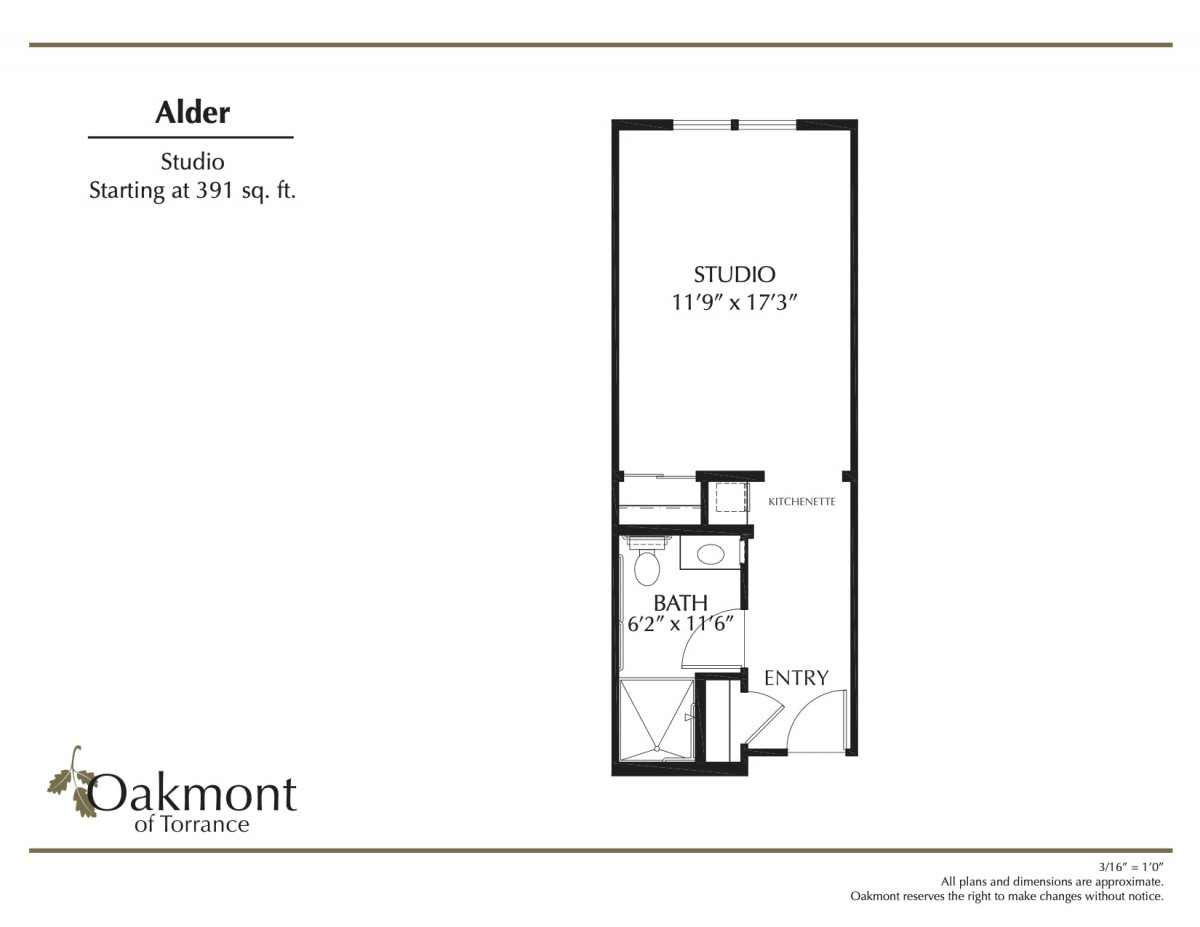
Studio$6,695$4,172$4,145
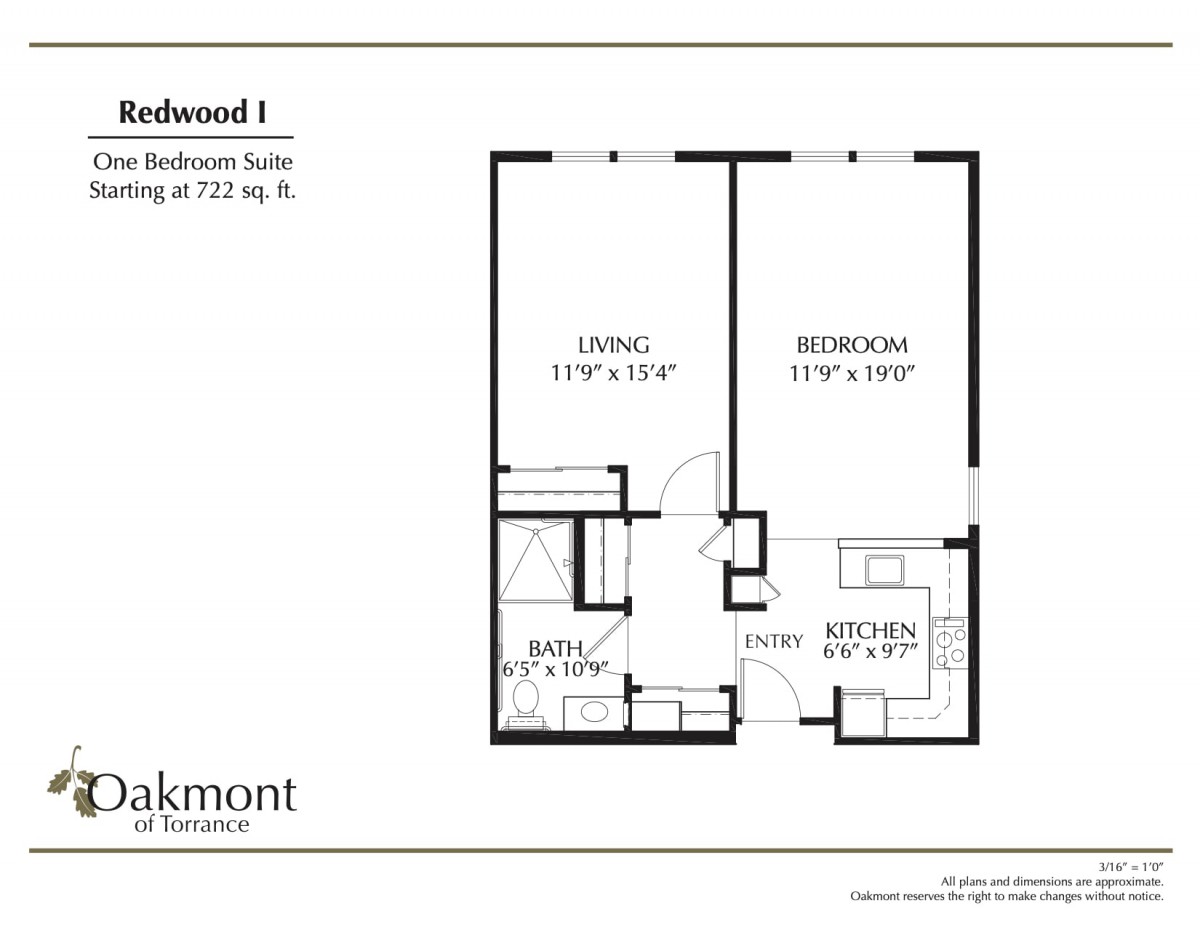
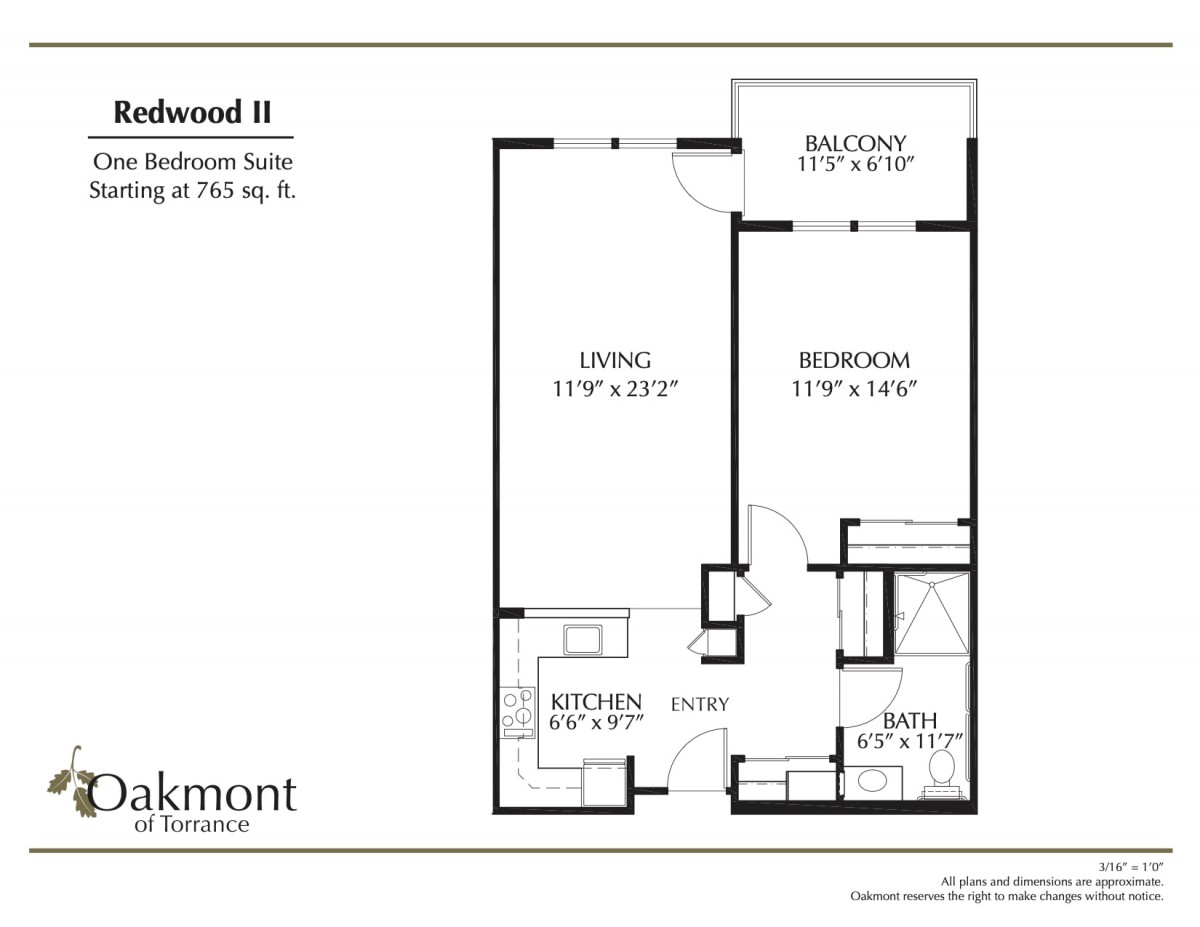
1 Bedroom$9,195$4,603$4,340
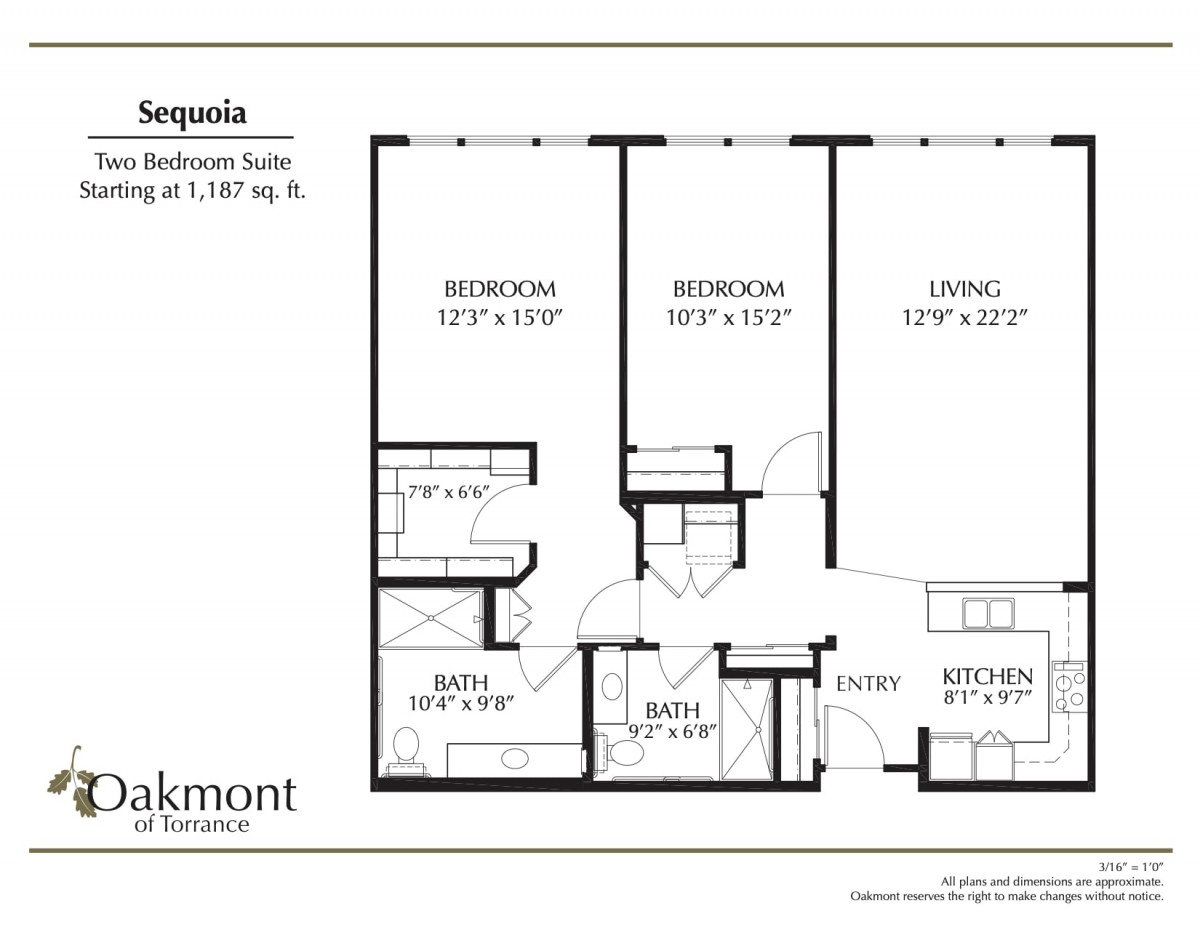
2 Bedrooms$10,695$6,164$5,270

Overall Review of Oakmont of Torrance

Pros

  • pro Oakmont is a wonderful residence for loved ones, with kind and caring staff.
  • pro The staff and administration respond promptly to requests and concerns.
  • pro Physical Therapy and Occupational Therapy are available on-site, and wheelchair transportation is provided for local doctor visits.
  • pro Residents receive top-quality personal care, medical care, and nutrition.
  • pro Families have peace of mind knowing their loved ones are safe and well cared for.
  • pro The facility is beautifully maintained, clean, and welcoming.
  • pro Angelie, the Health Services Director, goes above and beyond to ensure residents receive quality care.
  • pro Richard Alvarenga, the Memory Care Director, is passionate, knowledgeable, and personally attentive to residents and families.
  • pro The leadership fosters a culture of support for staff and residents, with prompt communication.
  • pro The community offers engaging, educational, and fun experiences for residents.
  • pro The meals are first class, and dining feels like a high-end restaurant.
  • pro Oakmont feels like a home away from home, with a luxurious, comfortable environment and compassionate staff.

Cons

  • pro They describe Oakmont as very expensive, with extra fees that increase without explanation.
  • pro They report chronic understaffing and high turnover, leading to slow responses to call bells and inconsistent care.
  • pro They claim the kitchen and memory care staff are poorly trained, with half-cooked meals and dirty dishes.
  • pro They recount incidents where residents were left without breakfast or shoes for appointments due to staffing shortages.
  • pro They allege safety issues and neglect, including bedsores, malnutrition, and not calling 911 when needed.
  • pro They criticize management as disorganized and focused on selling rather than resident well-being, with frequent leadership changes.
  • pro They say itemized billing is unavailable or unclear, raising concerns about paying for services not received.

Review

Oakmont of Torrance is best suited for families seeking a decidedly upscale senior living environment where memory care is a central competency and medical coordination is a formal service. The community's strengths lie in its on-site rehabilitation therapies, ready access to transportation for doctor visits, and a robust program of activities that keeps residents engaged. For families who prize a polished setting - gorgeous common areas, multiple dining options, a cinema, salon, gym, and landscaped courtyards - paired with attentive health services leadership, Oakmont delivers reassurance and a sense of belonging. This is not simply a place to reside; it is a campus designed to feel like a resort while maintaining a strong medical and daily-care backbone.

Those who may want to consider alternatives fall along a few lines. Budget-conscious families or those wary of premium pricing and the potential for fluctuating monthly charges should compare options carefully, as Oakmont's cost tier is consistently at the higher end and some reviewers flag opaque add-ons. Families that require unwavering staffing stability and ultra-fast response times may also want to scrutinize recent leadership history and current staffing ratios, since turnover, especially at executive and memory care levels, has colored several experiences. Finally, those who prioritize a absolutely predictable, low-stress billing process or minimal dependence on external care vendors may find value in shopping for facilities with more transparent financial structures or different care-model arrangements.

On balance, the positives at Oakmont frequently outweigh the drawbacks. The on-site PT/OT programs, wheelchair transportation for local visits, and proactive medical leadership give families confidence that health needs are managed rather than deferred. Caregivers and administrators are widely described as compassionate, with strong examples of individualized attention and coordinated care - especially in memory care - where directors and health-services leaders have demonstrated hands-on involvement, quick hospital communication, and a willingness to vet vendors to secure the best fit for each resident. The environment reinforces that commitment: residents enjoy regular outings, live music, exercise classes, and social events, all within a setting that many families compare to a luxury hotel. The emphasis on naming and knowing residents, plus the ability to customize experiences, further supports families seeking personal connection.

Yet certain persistent concerns cannot be dismissed. A recurring theme across reviews is staffing turnover and occasional understaffing, which translate into slower call-response times and gaps in daily care. Food service and kitchen operations have drawn mixed feedback, with some families praising quality and variety and others pointing to inconsistent dining experiences, particularly during periods of staff strain. The most worrisome notes touch on uneven care across shifts, instances of delayed assistance, and expenses that seem to escalate without transparent explanations. When these factors align, the premium environment can feel transactional rather than truly holistic, and families must weigh the luxury against practical daily realities.

Mid- to long-term decision-making should center on current leadership performance, staffing stability, and a clear understanding of charges. Prospective residents should seek updated specifics about caregiver-to-resident ratios, the process for urgent call responses, and the cadence of family updates from the Memory Care Director and Health Services Director. It is wise to review a sample monthly statement, clarify which services are included and which incur extra fees, and ask for a concrete plan if additional one-on-one care is recommended. Above all, request candid conversations with the on-site leadership team about how recent changes have translated into day-to-day improvements for residents.

In the end, Oakmont of Torrance stands out as a premier option for families who want a bright, comprehensive living solution with robust health services, meaningful activities, and a hospitality-forward ambiance. It serves well those who can justify a higher price for a well-coordinated care ecosystem and a village-like network of staff who remember each resident by name. For families where cost sensitivity, consistent staffing, or crystal-clear billing is paramount, alternatives may offer more predictable tides. The prudent path is to tour thoroughly, speak with current families and residents, and compare concrete metrics - care plans, staff stability, and true monthly costs - before committing.

Features

Housing

  • 126 resident community capacity 126 resident community capacity
  • 1-bedroom apartments 1-bedroom apartments1-bedroom apartments are important for seniors because they provide a sense of independence, privacy, and autonomy while still offering the necessary space for comfortable living. These apartments allow seniors to maintain their own personal space and lifestyle preferences in a supportive community setting.
  • 2-bedroom apartments 2-bedroom apartments2-bedroom apartments are important for seniors because they provide extra space for guests, hobbies, and caregivers, as well as potential for additional income through roommates or rental.
  • Studio apartments Studio apartmentsStudio apartments are important for seniors because they offer a smaller, more manageable living space that is easier to navigate and maintain as physical abilities decline. Additionally, studio apartments provide seniors with independence and privacy while still being part of a community that offers support and social opportunities.

Types of Care

  • Assisted Living Assisted LivingAssisted living facilities provide crucial support and care for seniors who may need help with daily tasks such as medication management, bathing, and meal preparation. These communities offer a safe and comfortable environment where seniors can maintain their independence while receiving the assistance they need to thrive in their golden years.
  • Memory Care Memory CareMemory care is crucial for seniors as it provides specialized support and services for individuals with dementia or Alzheimer's disease. These programs offer a safe and secure environment where residents receive personalized care, cognitive stimulation, and help with daily activities. Memory care helps seniors maintain their independence, quality of life, and dignity while also providing peace of mind for their families.

Pets

  • Cats allowed Cats allowed"Pet friendly" senior living communities are important for seniors because pets provide companionship, reduce feelings of loneliness and depression, promote physical activity and mental stimulation, and offer a sense of purpose and responsibility. Pets can improve overall well-being and quality of life for seniors in many ways.
  • Dogs allowed Dogs allowed"Pet friendly" senior living communities are important for seniors because pets provide companionship, reduce feelings of loneliness and depression, promote physical activity and mental stimulation, and offer a sense of purpose and responsibility. Pets can improve overall well-being and quality of life for seniors in many ways.

Amenities

  • Activities off-site Activities off-siteEngaging in off-site activities is crucial for seniors to maintain social connections, stay active, and stimulate their minds. It promotes overall well-being and helps combat feelings of isolation and loneliness.
  • Activities on-site Activities on-siteActivities on-site are important for seniors because they provide opportunities for socialization, mental stimulation, physical activity, and overall well-being. Engaging in activities can help seniors stay active, maintain their independence, and improve their quality of life.
  • Air-conditioning Air-conditioningAir conditioning is important for seniors as they are more vulnerable to heat-related illnesses and may have underlying health conditions that make it difficult for them to regulate their body temperature. It helps to keep them comfortable, safe, and healthy in hot weather.
  • Beautician on-site Beautician on-siteHaving a beautician on-site at a senior living community is important for seniors as it allows them to easily access grooming and personal care services, boosting their self-esteem and overall well-being. It also provides convenience and helps seniors maintain their sense of independence and personal style.
  • Beauty salon Beauty salonBeauty salons are important for seniors because they provide a space for them to feel pampered, socialize, and maintain their personal grooming and hygiene. Regular visits to a beauty salon can help boost seniors' self-esteem and overall well-being.
  • Cable or satellite TV Cable or satellite TVCable or satellite TV is important for seniors because it provides entertainment, news, and companionship, helping to combat loneliness and boredom. It also offers a wide range of programming options tailored to different interests and preferences.
  • Cafe CafeCafes are important for seniors because they provide a social setting where they can connect with others, enjoy a meal or beverage, and engage in activities that promote mental stimulation and overall well-being. Additionally, cafes offer a convenient and accessible option for seniors to dine out without the hassle of preparing meals at home.
  • Computer center Computer centerA computer center is essential for seniors as it provides access to technology, communication tools, and resources that can enhance their daily lives. It allows them to stay connected with loved ones, engage in online activities, and learn new skills, ultimately promoting socialization and mental stimulation.
  • Devotional services off-site Devotional services off-siteDevotional services off-site are important for seniors as they provide spiritual nourishment, social engagement, and a sense of community outside of the senior living facility. This can enhance overall well-being and help combat feelings of isolation and loneliness often experienced by older adults.
  • Devotional services on-site Devotional services on-siteDevotional services on-site provide seniors with spiritual support and a sense of community, as well as an opportunity for reflection and guidance during their senior living experience. This can promote emotional well-being and connection to others, leading to a more fulfilling and enriching lifestyle in their later years.
  • Dining room Dining roomDining rooms are important for seniors as they provide a space for socialization, connection, and nutritious meals. They offer opportunities for residents to bond over shared meals, foster a sense of community, and promote healthy eating habits. Dining rooms also ensure that seniors have access to well-balanced meals tailored to their dietary needs and preferences.
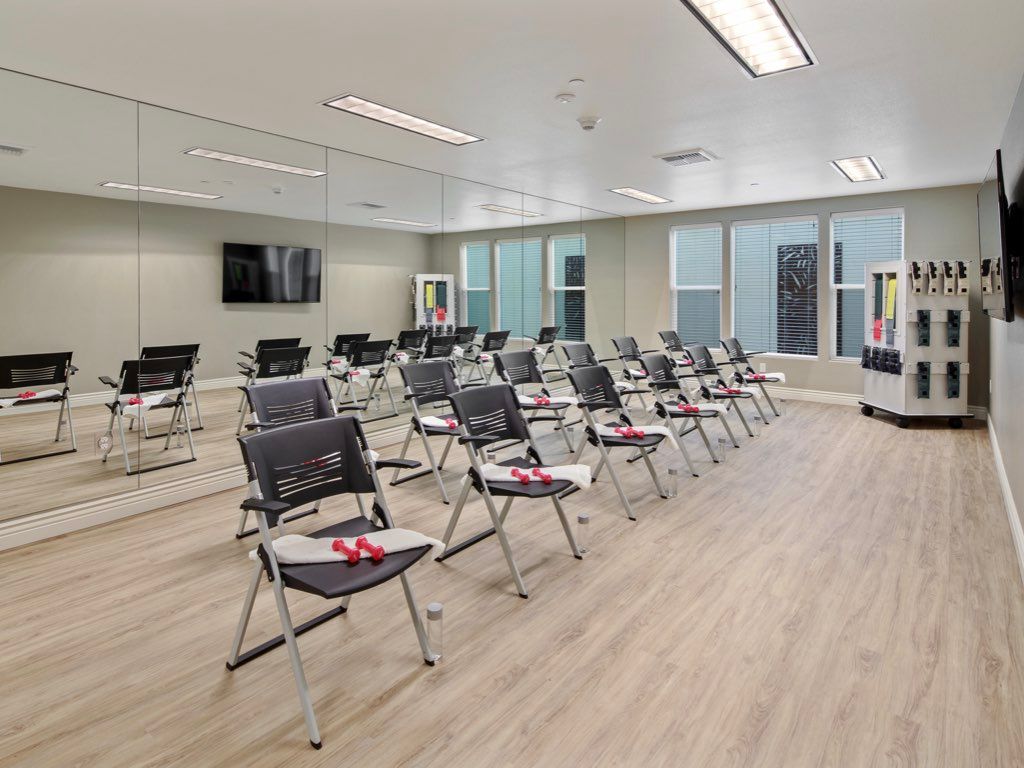
  • Fitness room Fitness roomHaving a fitness room in a senior living community is essential for seniors to stay active, maintain their physical health, and improve their overall well-being. Regular exercise can help prevent falls, reduce the risk of chronic diseases, and promote mental sharpness. It also provides social opportunities for residents to connect with others and enjoy a sense of community.
  • Full kitchen Full kitchenHaving a full kitchen in a senior living facility is important for seniors because it allows them to maintain their independence and prepare their own meals. This promotes healthy eating habits, saves money on dining out, and provides a sense of familiarity and comfort for residents.
  • Fully furnished Fully furnishedFully furnished senior living communities are important for seniors because they provide convenience, comfort, and a hassle-free moving experience. Seniors can easily settle into their new living space without the stress of having to buy and move furniture. This allows them to focus on enjoying their new home and community.
  • Gaming room Gaming roomGaming rooms are important for seniors as they provide a fun and engaging environment for socializing, cognitive stimulation, and physical activity. Games can improve memory, problem-solving skills, and overall mental well-being while fostering friendships and reducing feelings of isolation.
  • Garden GardenGardens are important for seniors as they provide a peaceful and therapeutic environment for relaxation, physical activity, and socialization. Being in nature has been shown to reduce stress, improve mood, and promote overall well-being. Gardens also offer opportunities for seniors to engage in gardening activities, which can improve mobility, flexibility, and cognitive function. Additionally, gardens create a sense of community and connection with others who share a passion for plants and outdoor spaces.
  • Guasts at mealtime Guasts at mealtime"Guests at mealtime" offer seniors the opportunity for social interaction, companionship, and a sense of community during meals, which can help combat feelings of loneliness and isolation commonly experienced in senior living environments. It can also enhance their overall dining experience and improve their mental and emotional well-being.
  • Housekeeping services Housekeeping servicesHousekeeping services are important for seniors because they help maintain a clean and safe living environment, promote independence, and reduce the risk of accidents or illnesses. Additionally, having assistance with household chores can alleviate physical strain and allow seniors to focus on other aspects of their well-being.
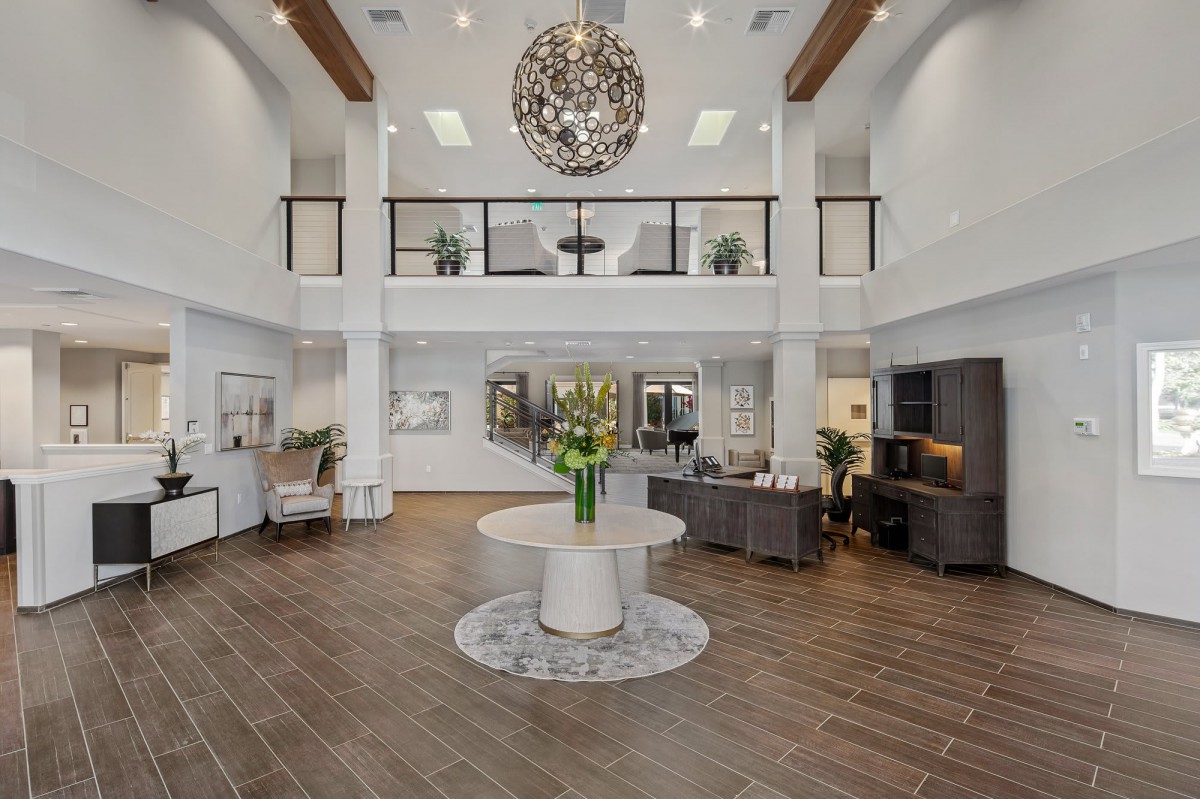
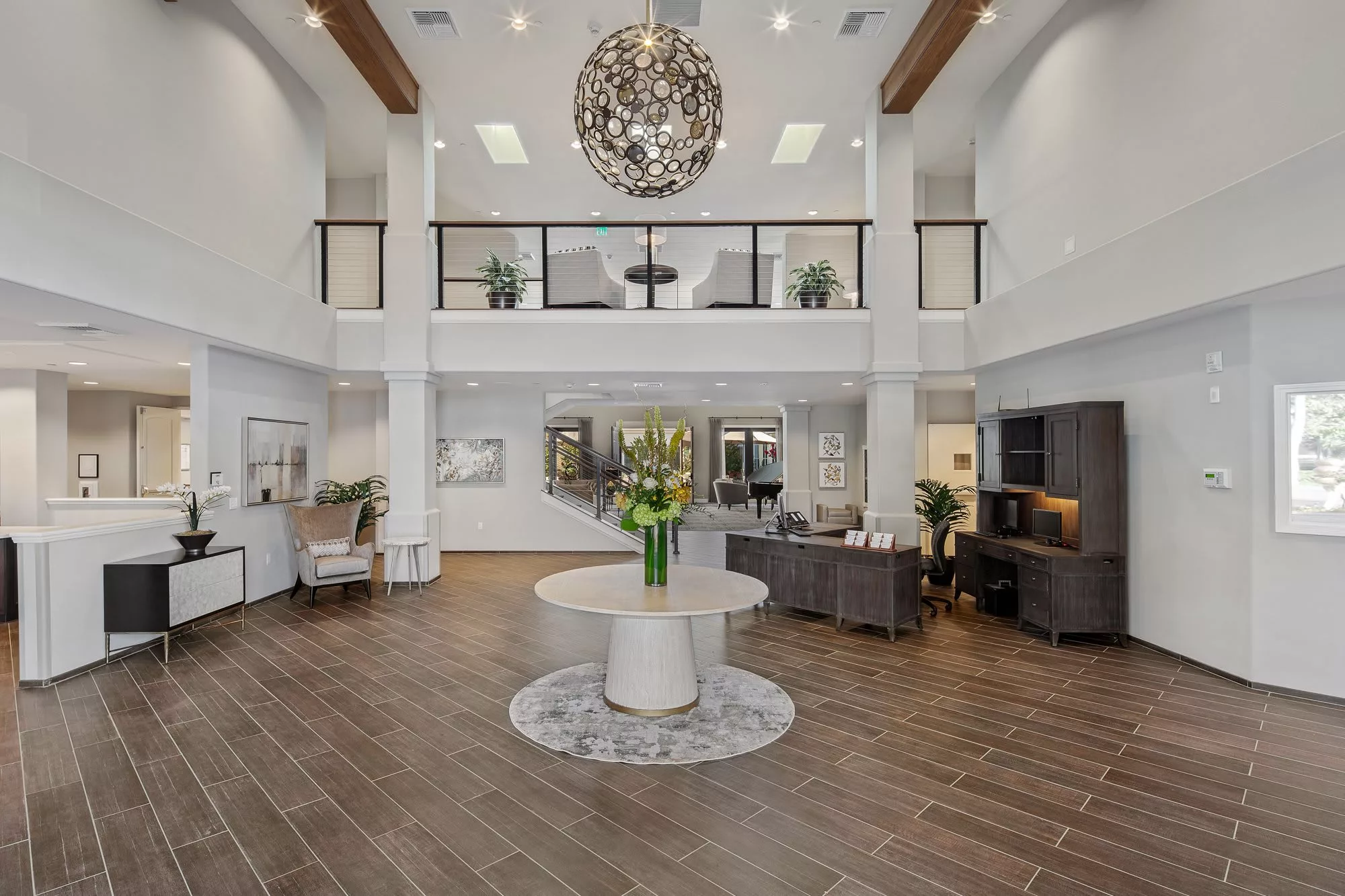
  • Indoor common areas Indoor common areasIndoor common areas are crucial for seniors as they provide a space for socialization, recreation, and community engagement, promoting overall well-being and reducing feelings of isolation and loneliness.
  • Kitchenette KitchenetteKitchenettes are important for seniors living in senior living communities because they provide the convenience and independence of being able to prepare simple meals and snacks in the comfort of their own living space. This can help promote a sense of autonomy and well-being for seniors, allowing them to maintain some level of control over their dietary choices and daily routines.
  • Laundry LaundryLaundry services are important for seniors as they may have difficulty with physical tasks such as bending, lifting, or carrying heavy loads. Having access to laundry services can help seniors maintain personal hygiene, cleanliness, and independence in their daily lives.
  • Move-in coordination Move-in coordinationMove-in coordination is important for seniors because it helps ease the transition into their new living environment. It ensures that all logistics, such as packing, organizing movers, and setting up utilities are taken care of, allowing seniors to focus on settling in and adjusting to their new home. Having a smooth move-in process can alleviate stress and anxiety, making the transition smoother and more enjoyable for seniors.
  • Outdoor common areas Outdoor common areasOutdoor common areas are important for seniors as they provide a space for socialization, physical activity, and relaxation. Being outside in nature can improve mood and overall well-being, while also encouraging movement and engagement with others. These spaces can help combat feelings of isolation and promote a sense of community among residents.
  • Outdoor space Outdoor spaceOutdoor spaces are important for seniors as they provide opportunities for physical activity, social interaction, exposure to natural light and fresh air, and a sense of connection to nature. Having access to outdoor spaces can improve overall well-being and quality of life for older adults living in senior communities.
  • Overnight guests Overnight guestsOvernight guests provide companionship, social engagement, and emotional support for seniors in senior living communities. They can help reduce feelings of loneliness, isolation, and boredom, while also promoting mental well-being and overall quality of life. Additionally, overnight guests can offer a sense of familiarity and comfort for seniors who may be transitioning into a new living environment.
  • Party space Party spaceHaving access to party space is important for seniors as it provides opportunities for socialization, connection, and enjoyment. These spaces allow seniors to celebrate special occasions, host gatherings with friends and family, and participate in community events, enhancing their overall well-being and quality of life.
  • Private bathrooms Private bathroomsPrivate bathrooms are important for seniors in senior living communities because they provide independence, dignity, and comfort. Having a private bathroom allows seniors to maintain their personal hygiene routines without the need for assistance, promoting a sense of autonomy and privacy. Additionally, private bathrooms help prevent the spread of infections and provide a safe and clean environment for seniors to navigate safely.
  • Resident parking Resident parkingResident parking is crucial for seniors in a senior living community as it provides convenience, accessibility, and safety for residents who may have limited mobility or rely on personal vehicles for transportation. Having designated parking spaces ensures that seniors can easily access their homes without having to walk long distances or navigate crowded parking lots, ultimately enhancing their overall quality of life and sense of independence.
  • Respite or short term stays offered Respite or short term stays offeredRespite or short term stays provide seniors with a temporary solution when their regular caregiver is unavailable, offering them the opportunity to receive additional care and support during times of need, while also giving caregivers a chance to rest and recharge.
  • Restaurant-style dining Restaurant-style diningRestaurant-style dining is important for seniors because it allows them to enjoy delicious, nutritious meals in a social and upscale setting. This enhances their dining experience, promotes healthy eating habits, and fosters socialization with fellow residents, ultimately contributing to their overall well-being and quality of life.
  • Security gate Security gateSecurity gates provide an added layer of protection and peace of mind for seniors living in a community. They help prevent unauthorized entry, deter potential intruders, and create a sense of security for residents. This extra security measure can make seniors feel safe and secure in their living environment.
  • Small library Small librarySmall libraries are important for seniors as they provide access to a variety of reading materials, including books, newspapers, and magazines. This can help stimulate their minds, keep them engaged, and provide a sense of community through book clubs and other social activities. Additionally, reading has been shown to improve cognitive function and overall mental well-being in older adults.
  • Spa SpaSpas are important for seniors because they provide relaxation, stress relief, and therapeutic benefits which can improve their overall well-being and quality of life. Additionally, spa treatments such as massages, hydrotherapy, and aromatherapy can help alleviate common age-related ailments such as arthritis, joint pain, and circulation issues. Seniors deserve to enjoy a pampering experience that promotes physical and emotional wellness.
  • TV room TV roomTV rooms are important for seniors in senior living communities because they provide a space for social interaction, entertainment, and relaxation. Watching TV can help reduce feelings of loneliness and boredom, and create a sense of community among residents. Additionally, TV rooms offer a break from daily routines and can be a source of comfort and familiarity for seniors.
  • Telephone TelephoneTelephones are important for seniors as they provide a lifeline for communication with loved ones, emergency services, and healthcare providers. They offer a sense of security and independence, enabling seniors to stay connected and access assistance when needed.
  • Wellness center Wellness centerWellness centers are important for seniors because they offer a variety of programs and services that promote physical, mental, and emotional well-being. These centers provide opportunities for exercise, socialization, education, and relaxation, helping seniors maintain their overall health and quality of life.
  • Wheelchair accessible showers Wheelchair accessible showersWheelchair accessible showers are crucial for seniors as they provide a safe and independent bathing option for those with mobility challenges. These showers help prevent falls and allow seniors to maintain their dignity and autonomy while ensuring they can bathe comfortably.
  • Wi-Fi/high-speed internet available Wi-Fi/high-speed internet availableWi-Fi/high-speed internet is important for seniors to stay connected with loved ones, access online resources, and participate in virtual activities to combat feelings of loneliness and isolation. It also allows them to easily manage healthcare needs, access entertainment, and engage in lifelong learning opportunities.

Transportation

  • Los Angeles International (10 miles away) Los Angeles International (10 miles away)
  • Long Beach (Daugherty) (11 miles away) Long Beach (Daugherty) (11 miles away)
  • Community operated transportation Community operated transportationCommunity operated transportation is crucial for seniors as it provides them with the means to access essential services, social activities, and medical appointments. It allows seniors to maintain their independence and quality of life by ensuring they can participate in activities outside of their homes. Additionally, community-operated transportation services offer a safe and reliable way for seniors to travel without having to rely on family or friends for assistance.
  • Transportation & parking Transportation & parkingTransportation and parking are vital for seniors as they offer access to essential services, activities, and social interactions. Reliable transportation options can help seniors maintain independence, stay connected within their community, and enjoy a higher quality of life. Additionally, convenient parking facilities ensure that seniors can easily access necessary resources and amenities without added stress or difficulty.
  • Transportation arrangement Transportation arrangementTransportation arrangements are crucial for seniors as they may face challenges with driving, mobility, or access to public transportation. Having reliable transportation services ensures that seniors can easily attend appointments, social activities, and maintain their independence and quality of life.
  • Transportation arrangement (non-medical) Transportation arrangement (non-medical)Transportation arrangements are essential for seniors as they provide access to essential services, activities, and social interactions outside the home. This service helps maintain independence, mobility, and overall well-being for seniors who may have limited transportation options.
  • Transportation to doctors appointments Transportation to doctors appointmentsTransportation to doctors appointments is crucial for seniors as it ensures they have access to necessary medical care and support, promoting their health and well-being. It allows them to receive timely treatment, monitor existing conditions, and address any new health concerns efficiently. Additionally, transportation services can help seniors maintain their independence and quality of life by enabling them to stay connected with their healthcare providers.

Care Services

  • 12-16 hour nursing 12-16 hour nursing12-16 hour nursing care is crucial for seniors in order to ensure around-the-clock monitoring, timely medication administration, and prompt response to any health concerns or emergencies. This level of care helps to promote the overall well-being and safety of seniors living in senior living communities.
  • 24-hour call system 24-hour call system24-hour call systems are important for seniors because they provide peace of mind and immediate assistance in case of emergencies. This technology ensures that help is always available, promoting safety and security for elderly individuals living alone or in assisted living facilities.
  • 24-hour supervision 24-hour supervision24-hour supervision is important for seniors to ensure their safety, well-being, and access to immediate assistance in case of emergencies or health issues. This constant support provides peace of mind for both seniors and their loved ones, allowing them to age in place with dignity and security.
  • Activities of daily living assistance Activities of daily living assistanceActivities of daily living assistance are important for seniors because they provide essential support with tasks such as eating, bathing, dressing, and mobility. This assistance helps seniors maintain their independence, dignity, and overall quality of life as they age.
  • Assistance with bathing Assistance with bathingAssistance with bathing is crucial for seniors as it helps maintain personal hygiene, prevents infections, and ensures their overall well-being and comfort. It also provides a sense of dignity and independence for seniors who may struggle with this task on their own.
  • Assistance with dressing Assistance with dressingAssistance with dressing is important for seniors because it helps maintain their independence, promotes personal hygiene, prevents accidents and injuries, and improves overall quality of life. This service ensures that seniors can continue to dress comfortably and confidently, despite any physical limitations they may have.
  • Assistance with transfers Assistance with transfersAssistance with transfers is crucial for seniors as it helps prevent falls and injuries, maintains their independence, and ensures they can safely navigate their living environment. It also provides peace of mind for both seniors and their loved ones.
  • Coordination with health care providers Coordination with health care providersCoordination with health care providers is crucial for seniors to ensure proper medical care, medication management, and overall well-being. This collaboration helps prevent overlapping treatments, track progress more effectively, and provide comprehensive support tailored to individual needs.
  • Dementia waiver Dementia waiverDementia waivers are essential for seniors as they provide critical protections and accommodations for those experiencing cognitive decline. These waivers ensure individuals with dementia receive appropriate care, support, and resources to maintain their quality of life and dignity as they navigate the challenges of this progressive condition.
  • Diabetes diet Diabetes dietA diabetes diet is crucial for seniors as it helps manage blood sugar levels, reduce risks of complications, and improve overall health and well-being. By following a balanced and nutritious diet tailored to their specific needs, seniors can better control their diabetes and enhance their quality of life.
  • Diabetic care Diabetic careDiabetic care is crucial for seniors as they are more susceptible to developing diabetes due to aging and other health conditions. Proper management of diabetes can help prevent complications such as heart disease, vision loss, and nerve damage, improving the overall quality of life for seniors in senior living communities.
  • Hospice care Hospice careHospice care is important for seniors as it provides specialized end-of-life support, pain management, and emotional comfort for both the senior and their loved ones. It allows seniors to maintain dignity, receive personalized care, and spend their remaining time in a peaceful and comfortable environment.
  • Hospice waiver Hospice waiverHospice waivers are important for seniors because they allow individuals to receive specialized end-of-life care and support at home or in a hospice facility. This waiver ensures that seniors can access the necessary resources and services to maintain comfort and dignity during their final days.
  • Incontinence care Incontinence careIncontinence care is essential for seniors to maintain their dignity, hygiene, and overall quality of life. By addressing incontinence issues promptly and effectively, seniors can enjoy a sense of independence and comfort in their daily activities.
  • Meal preparation and service Meal preparation and serviceMeal preparation and service are crucial for seniors as they may have limited mobility or energy to cook nutritious meals. Having access to healthy and convenient food options can ensure they are getting the proper nutrition needed to maintain their overall health and well-being.
  • Medication management Medication managementMedication management is crucial for seniors to ensure they are taking the right medications at the correct dosages and times. This helps prevent adverse drug interactions, reduces the risk of medication errors, and promotes overall health and well-being. Proactive management also allows for adjustments as needed based on changing health conditions or new prescriptions.
  • Mental wellness program Mental wellness programMental wellness programs are essential for seniors as they promote cognitive stimulation, emotional support, and social engagement. These programs help prevent isolation, depression, and cognitive decline, ultimately enhancing the overall quality of life for older adults.
  • Mild cognitive impairment Mild cognitive impairment"Mild cognitive impairment" is important for seniors because it is an early stage of cognitive decline that can potentially progress to more severe conditions such as dementia. Recognizing and addressing mild cognitive impairment can help seniors receive appropriate care and support to maintain their quality of life and independence for as long as possible.
  • Physical therapy Physical therapyPhysical therapy is essential for seniors to maintain and improve their mobility, strength, and overall quality of life. It helps reduce pain, prevent falls, and enhance independence in daily activities. By promoting movement and function, physical therapy can help seniors stay active, healthy, and engaged in their communities.
  • Special dietary restrictions Special dietary restrictionsSpecial dietary restrictions are important for seniors because age-related changes in metabolism and health conditions can make it difficult for their bodies to process certain foods. By following a diet tailored to their specific needs, seniors can maintain their overall health and well-being, manage chronic conditions, and reduce the risk of complications such as malnutrition or food interactions with medications.
  • Specialized memory care programming Specialized memory care programmingSpecialized memory care programming is crucial for seniors with cognitive impairments such as dementia or Alzheimer's disease. These programs provide a safe and supportive environment tailored to the unique needs of individuals with memory loss, helping them maintain their independence, dignity, and quality of life.
  • Transportation arrangement (medical) Transportation arrangement (medical)Transportation arrangements for medical purposes are essential for seniors as they may have difficulty driving themselves to appointments or accessing public transportation. Having reliable and safe transportation options ensures that seniors can receive timely medical care and maintain their health and well-being.
  • Transportation to doctors appointments Transportation to doctors appointmentsTransportation to doctors appointments is crucial for seniors as it ensures they have access to necessary medical care and support, promoting their health and well-being. It allows them to receive timely treatment, monitor existing conditions, and address any new health concerns efficiently. Additionally, transportation services can help seniors maintain their independence and quality of life by enabling them to stay connected with their healthcare providers.

Dining

  • Diabetes diet Diabetes dietA diabetes diet is crucial for seniors as it helps manage blood sugar levels, reduce risks of complications, and improve overall health and well-being. By following a balanced and nutritious diet tailored to their specific needs, seniors can better control their diabetes and enhance their quality of life.
  • Low / no sodium Low / no sodiumLow/no sodium options are important for seniors because excessive sodium intake can lead to high blood pressure, heart disease, and other health issues commonly experienced by older adults. By choosing low/no sodium foods, seniors can better manage their health and reduce their risk of developing these conditions.
  • Low fat Low fatLow fat diets are important for seniors because they can help reduce the risk of heart disease, stroke, and other health issues commonly faced by older adults. Consuming less fat can also help manage weight and improve overall health and well-being in the senior population.
  • Meals provided Meals provided"Meals provided" are crucial for seniors in assisted living communities as it ensures they have access to nutritious, balanced meals without the stress of meal planning and preparation. This can help promote overall health and well-being for seniors who may have limited mobility or cognitive abilities.
  • Room service Room serviceRoom service is important for seniors in a senior living community because it provides convenience and allows them to have their meals delivered directly to their room. This can be especially beneficial for seniors who may have mobility issues or difficulty accessing the dining area. Room service ensures that seniors are able to receive nutritious meals without having to navigate through the facility, allowing them to maintain their independence and overall well-being.
  • Special dietary restrictions Special dietary restrictionsSpecial dietary restrictions are important for seniors because age-related changes in metabolism and health conditions can make it difficult for their bodies to process certain foods. By following a diet tailored to their specific needs, seniors can maintain their overall health and well-being, manage chronic conditions, and reduce the risk of complications such as malnutrition or food interactions with medications.
  • Special dining programs Special dining programsSpecial dining programs are important for seniors because they provide nutritious meals tailored to their dietary needs and preferences. These programs also offer socialization opportunities, promote overall health and well-being, and can help prevent malnutrition.
  • Vegetarian VegetarianA vegetarian diet is important for seniors because it can help lower the risk of chronic diseases, maintain a healthy weight, and provide essential nutrients needed for aging bodies. Additionally, plant-based diets are often easier on digestive systems and can contribute to overall well-being in older adults.

Activities

  • Activities off-site Activities off-siteEngaging in off-site activities is crucial for seniors to maintain social connections, stay active, and stimulate their minds. It promotes overall well-being and helps combat feelings of isolation and loneliness.
  • Activities on-site Activities on-siteActivities on-site are important for seniors because they provide opportunities for socialization, mental stimulation, physical activity, and overall well-being. Engaging in activities can help seniors stay active, maintain their independence, and improve their quality of life.
  • Arts and crafts Arts and craftsEngaging in arts and crafts activities provides seniors with a creative outlet, promotes cognitive function, enhances dexterity and fine motor skills, fosters social interaction, and boosts overall well-being and mental health.
  • Community-sponsored activities Community-sponsored activitiesCommunity-sponsored activities are important for seniors as they provide opportunities for social interaction, mental stimulation, and physical activity. These activities can help improve overall well-being, combat loneliness and isolation, and promote a sense of belonging and purpose among older adults.
  • Concierge services Concierge servicesConcierge services are essential for seniors as they provide assistance with daily tasks and errands, enhance their quality of life by offering convenience and personalized care, and promote a sense of safety and security.
  • Devotional activities offsite Devotional activities offsiteDevotional activities offsite are important for seniors because they provide social engagement, spiritual growth, and a sense of community outside of their living environment. This can improve overall well-being, mental health, and combat feelings of isolation or loneliness.
  • Devotional activities on-site Devotional activities on-siteDevotional activities on-site provide seniors with a sense of community, spiritual fulfillment, and emotional support, promoting overall well-being and a positive sense of purpose in their lives.
  • Fitness programs Fitness programsFitness programs are crucial for seniors as they help improve strength, flexibility, balance, and overall well-being. Staying active can reduce the risk of chronic diseases, improve mental health, and enhance quality of life in older adults.
  • Planned day trips Planned day tripsPlanned day trips are important for seniors because they offer opportunities for socialization, mental stimulation, and physical activity. They provide a change of scenery and help seniors stay engaged and connected to their community, promoting overall well-being and quality of life.
  • Resident-run activities Resident-run activitiesResident-run activities are important for seniors as they encourage social interaction, creativity, and a sense of autonomy. These activities empower seniors to stay engaged and active in their community while fostering meaningful connections with their peers.
  • Scheduled daily activities Scheduled daily activitiesScheduled daily activities are important for seniors because they provide structure, socialization, mental stimulation, and physical activity. Engaging in regular activities can improve overall well-being and quality of life for seniors living in a community setting.

Languages Spoken

  • American sign language American sign languageAmerican Sign Language is important for seniors as it provides a way for them to communicate effectively, even if they have hearing impairments or difficulties with speech. This can help them maintain social connections, access services, and participate in activities within their community. Learning ASL can also improve cognitive function and overall well-being for seniors.
  • Cantonese CantoneseCantonese language and cultural services are important for seniors as they provide a sense of familiarity, comfort, and connection to their heritage, facilitating better communication with caregivers and creating a more inclusive and enriching experience in senior living communities.
  • English EnglishEnglish is important for seniors as it allows them to communicate effectively with healthcare providers, understand important information related to their health and medications, stay connected with loved ones, and engage in social activities within their communities. It also opens up opportunities for lifelong learning and intellectual stimulation.
  • Farsi FarsiFarsi resources are important for seniors as they cater to the needs of Persian-speaking individuals, providing vital information on senior living options, healthcare services, and community events in their native language. This helps ensure that seniors feel comfortable and supported as they navigate through their aging journey.
  • French FrenchFrench culture and language can provide a sense of familiarity and comfort for seniors, especially those with a French background. It can also offer opportunities for socialization, cognitive stimulation, and connection to their heritage in a senior living community.
  • German GermanGerman culture is important for seniors as it can provide a sense of familiarity and connection to their heritage. It also offers opportunities for socializing with others who share similar backgrounds and experiences. Additionally, participating in German activities and events can help keep seniors mentally sharp and engaged as they age.
  • Hebrew HebrewLearning Hebrew can be beneficial for seniors in various ways, including helping them connect with their heritage, providing cognitive stimulation, and fostering a sense of community within the Jewish senior living population. It can also enhance their communication skills and open up new social opportunities.
  • Hindi HindiHindi language services are important for seniors in senior living communities because they cater to their cultural and linguistic needs, helping them feel more comfortable and connected. This can enhance communication, socialization, and overall well-being for Hindi-speaking seniors.
  • Italian ItalianItalian cuisine and culture are important for seniors because they offer a sense of tradition, community, and connection to their heritage. Familiar foods and activities can provide comfort and nostalgia, promoting overall well-being and quality of life for older adults. Additionally, Italian cuisine is often associated with health benefits such as Mediterranean diet which can help seniors maintain optimal health in their later years.
  • Japanese JapaneseJapanese culture and traditions can provide valuable opportunities for seniors to connect with their heritage, stay active and engaged, and maintain mental acuity. From activities like calligraphy and tea ceremonies to the health benefits of a traditional Japanese diet, incorporating aspects of Japanese culture into senior living can enhance overall well-being and quality of life.
  • Korean KoreanKorean cultural programs, activities, and language services are essential for Korean seniors in senior living communities to maintain their identity, sense of belonging, and overall well-being. Providing culturally sensitive care ensures that they feel respected, understood, and supported as they age.
  • Mandarin MandarinMandarin-speaking staff and resources are important for seniors in senior living communities because many elderly individuals may speak Mandarin as their primary language. Providing access to support and communication in Mandarin can help seniors feel more comfortable, engaged, and understood in their living environment.
  • Russian RussianRussian language and cultural programs are important for seniors in senior living communities because they help residents maintain their cultural identity, connect with others who share their background, and engage in activities that are meaningful to them. These programs can improve seniors' mental and emotional well-being, enhance their sense of belonging, and make their overall living experience more fulfilling.
  • Spanish SpanishSpanish is an important language for seniors because it allows them to communicate effectively with caregivers, medical professionals, and others in their community who may speak Spanish as their primary language. It also provides opportunities for cultural enrichment and social connections.
  • Tagalog TagalogTagalog language services are important for seniors as they provide a sense of connection and comfort for those who speak the language. This can help them feel more at ease and engaged in their community, improving their overall well-being and quality of life.
  • Vietnamese VietnameseVietnamese culture and language hold immense importance for seniors, as it fosters a sense of connection to their heritage and community. Access to Vietnamese services and resources can enhance their quality of life and provide a supportive environment where they feel understood and valued.

Description

Oakmont of Torrance in Torrance, CA is a premier assisted living community that offers a comfortable and vibrant environment for seniors. The community provides various housing options including 2-bedroom apartments and studio apartments to cater to different needs and preferences. Oakmont of Torrance specializes in memory care, ensuring personalized support for residents with cognitive impairments.

With an array of amenities available, residents can enjoy a fulfilling lifestyle within the community. Engaging activities are offered on-site to promote social interaction and mental stimulation. A beautician is available on-site to help residents with their grooming needs. Cable or satellite TV is provided in each apartment for entertainment. There is also a cafe where residents can enjoy a cup of coffee or tea while socializing with friends.

Oakmont of Torrance boasts beautiful indoor and outdoor common areas where residents can relax, read a book, or engage in conversations. The community features a full kitchen in each apartment, allowing residents to prepare meals if they prefer. For those who prefer not to cook, delicious and nutritious meals are provided in the dining room with special dietary restrictions taken into consideration. Additionally, room service is available for added convenience.

Residents at Oakmont of Torrance benefit from exceptional care services such as hospice care, medication management, and physical therapy. Incontinence care is provided to ensure comfort and dignity for residents needing assistance in this area.

The community supports a healthy lifestyle by providing low/no sodium and low-fat dining options. Special dining programs accommodate various dietary needs including vegetarian choices.

Oakmont of Torrance offers an extensive range of activities to keep residents engaged and entertained. Arts and crafts sessions stimulate creativity, while devotional activities cater to spiritual well-being. Fitness programs promote physical health and well-being.

Communication is made easier at Oakmont of Torrance as multiple languages are spoken by staff members including Cantonese, English, Farsi, French, German, Hebrew, Hindi, Italian, Japanese, Korean, Mandarin, Russian, Spanish, Tagalog, and Vietnamese.

Conveniently located, Oakmont of Torrance is close to various amenities including cafes, parks, pharmacies, physicians' offices, restaurants, places of worship, and theaters. Transportation services are available for residents to access these nearby destinations easily.

Oakmont of Torrance is dedicated to providing personalized care in a warm and welcoming environment, ensuring a high quality of life for its residents.

Nearby Places of Interest

This part of Torrance, California offers a convenient and diverse range of amenities suitable for senior living. With several pharmacies located within a short distance, accessing medication and healthcare services is easily manageable. There are also various parks nearby for recreational activities and enjoying the outdoors. A selection of well-known restaurants and cafes provide options for dining out or grabbing a quick bite to eat. Additionally, there are theaters for entertainment and physicians offices for medical care within close proximity. Places of worship offer spiritual opportunities, while transportation options such as metro stations and car rental services make getting around the area accessible. The community in this part of Torrance provides a comfortable and convenient environment for seniors looking to settle in the area.

Pharmacies

  • Walgreens (0.5 miles)
  • CVS Pharmacy (0.5 miles)
  • CVS Pharmacy (1.1 miles)
  • Rite Aid (1.1 miles)
  • Walgreens (1.1 miles)
  • CVS Pharmacy (1.7 miles)
  • Rite Aid (1.8 miles)

Parks

  • De Portola Park (1.1 miles)
  • Charles H. Wilson Park (1.9 miles)
  • Sur La Brea Park (2.1 miles)
  • Sunnyglen Park (3.2 miles)
  • Noble Park (4.8 miles)
  • Polliwog Park (5.8 miles)
  • Shoreline Aquatic Park (9.5 miles)

Restaurants

  • King's Hawaiian Bakery (1.2 miles)
  • In-N-Out Burger (1.3 miles)
  • Lazy Dog Restaurant & Bar (1.7 miles)
  • McDonald's (2.2 miles)
  • Tendon Tempura Carlos Junior Restaurant (2.6 miles)
  • In-N-Out Burger (2.8 miles)
  • Redondo Beach Pier (3.2 miles)

Cafes

  • Sidecar Doughnuts & Coffee (1.6 miles)
  • Starbucks (4.5 miles)
  • Lees Sandwiches - Gard (5.2 miles)
  • Donut King 2 (6.4 miles)
  • Corner Bakery Cafe (6.7 miles)
  • Starbucks (9.5 miles)

Theaters

  • AMC Rolling Hills 2 (1.6 miles)
  • AMC Del Amo 18 (1.7 miles)
  • AMC DINE-IN South Bay Galleria 16 (4.3 miles)

Physicians

  • Lighthouse Pediatrics (2 miles)
  • Paulson Theresa A Palos Verdes Dermatology Rolling Hills Estates (3 miles)
  • Monica B Espiritu M.D. | Kaiser Permanente (3.4 miles)
  • Harbor Ucla Medical Center - David Durkovich Do (3.4 miles)
  • UCLA Health Manhattan Beach Pediatrics (5.9 miles)

Places of Worship

  • Peninsula Community Church (3.2 miles)
  • St Catherine Laboure Church (4.8 miles)

Transportation

  • Aviation/LAX Metro Station (8.5 miles)
  • Metro Rail - Hawthorne/Lennox (8.6 miles)
  • Metro - Willow Street Station (9.2 miles)
  • Fox Rent A Car (9.5 miles)
  • LAX-it (9.6 miles)
  • Terminal 8 (9.6 miles)
  • Terminal 7 (9.7 miles)

Frequently Asked Questions

How much does it cost to live at Oakmont of Torrance in Torrance, CA?
What floor plans and room types does Oakmont of Torrance offer?
Where is Oakmont of Torrance?
Does Oakmont of Torrance provide care for residents with dementia or Alzheimer's disease?
Does Oakmont of Torrance allow residents to have pets?
What photos are available for Oakmont of Torrance in Torrance, California?

Nearby Communities

  • A Place at Home - Los Angeles,  CA

    A Place at Home - Los Angeles, CA

    Palos Verdes, CA

    5 from 11 reviews
     

    pro Responsive, compassionate caregivers with personalized in-home care.

  • Luxucare

    Luxucare

    Torrance, CA


    pro Excellent nearby amenities and healthcare access.

  • Amada Senior Care of Torrance,  CA

    Amada Senior Care of Torrance, CA

    Torrance, CA


    pro Prime Torrance location with easy access to cafes, parks, pharmacies, physicians, restaurants, places of worship, and theaters.

  • HomeLife Partners LLC

    HomeLife Partners LLC

    Torrance, CA


    pro Convenient central Torrance location with extensive nearby amenities and services (cafes, parks, pharmacies, physicians, restaurants, places of worship, theaters).

  • Villa Sorento

    Villa Sorento

    Torrance, CA


    pro Excellent access to nearby cafes, parks, pharmacies, physicians, restaurants, theaters, and places of worship.

  • Villa Sorrento

    Villa Sorrento

    Torrance, CA

    4 from 43 reviews
    $2,200 to $5,000 / month

    pro Friendly staff, engaging activities, and affordable pricing.

  • Royalwood Care Center

    Royalwood Care Center

    Torrance, CA

    4.3 from 40 reviews
     

    pro Comprehensive skilled nursing with 24-hour supervision and diverse amenities.

  • Huntington Retirement Hotel

    Huntington Retirement Hotel

    Torrance, CA

    4 from 39 reviews
    $2,500 to $4,300 / month

    pro Caring staff, clean and updated rooms, engaging activities, and strong family involvement.

  • Brookdale South Bay

    Brookdale South Bay

    Torrance, CA

    4.6 from 73 reviews
    $4,630 to $9,635 / month

    pro Friendly staff, clean environment, and a broad range of activities and dining options create an engaging, welcoming community.

Related Resources

  • alzheimer's factsIlluminating Insights About Alzheimer's Disease: Ten Crucial Realities

    Alzheimer’s disease is a progressive neurological disorder that significantly impacts memory and cognitive functions, accounting for 60-80% of dementia cases, with early diagnosis being crucial yet challenging. It involves brain changes like beta-amyloid plaques and tau tangles, influenced by genetic and lifestyle factors, and while there is no cure, symptom management and support for caregivers are essential.

  • list of drugs linked to dementiaA Thorough Discussion of Medications Potentially Linked to Dementia Risk

    Dementia, influenced by aging and certain medications, may be exacerbated by drug classes such as anticholinergics, benzodiazepines, and antipsychotics, which are associated with cognitive impairment. Regular medication reviews by healthcare professionals are crucial for older adults to manage risks and optimize cognitive health.

  • do dementia patients sleep a lotWhy Do Dementia Patients Sleep So Much? Understanding Oversleeping, Stages, and Care Approaches
    Dementia often results in disrupted sleep patterns, leading to excessive daytime sleeping due to factors like brain damage affecting circadian rhythms, medication side effects, and lack of structure in daily activities. Caregivers must monitor these changes closely, as oversleeping can increase risks such as malnutrition or dehydration, and provide necessary support and routines to enhance patient engagement and well-being.