
18349 Amie Avenue., Torrance, CA 90504
To contact a resident: (310) 921-2029
For more information about senior living options: (866) 208-4318
Kizuna Assisted Living Costs & Pricing
Kizuna Assisted Living offers a private room at a monthly cost of $4,500, positioning itself slightly above the average for Los Angeles County, which is $4,197, and significantly higher than the statewide average of $3,939. This pricing reflects Kizuna's commitment to providing quality care and personalized services in a supportive environment. While it may be more expensive than other options in the area, residents can expect a range of amenities and attentive care that justify this investment in their well-being. The additional costs might appeal to those seeking enhanced services or specialized attention that aligns with their individual needs.
| Floor plans | Kizuna Assisted Living | Los Angeles County | California |
|---|---|---|---|
| Private | $4,500 | $4,197 | $3,939 |
Overall Review of Kizuna Assisted Living
Pros
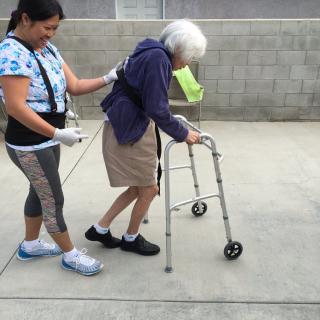
 Kinzuna House provides care and attention to all residents.
- They deliver exceptional care and kindness to residents and their families.
- The facility is consistently clean and has a pleasant smell.
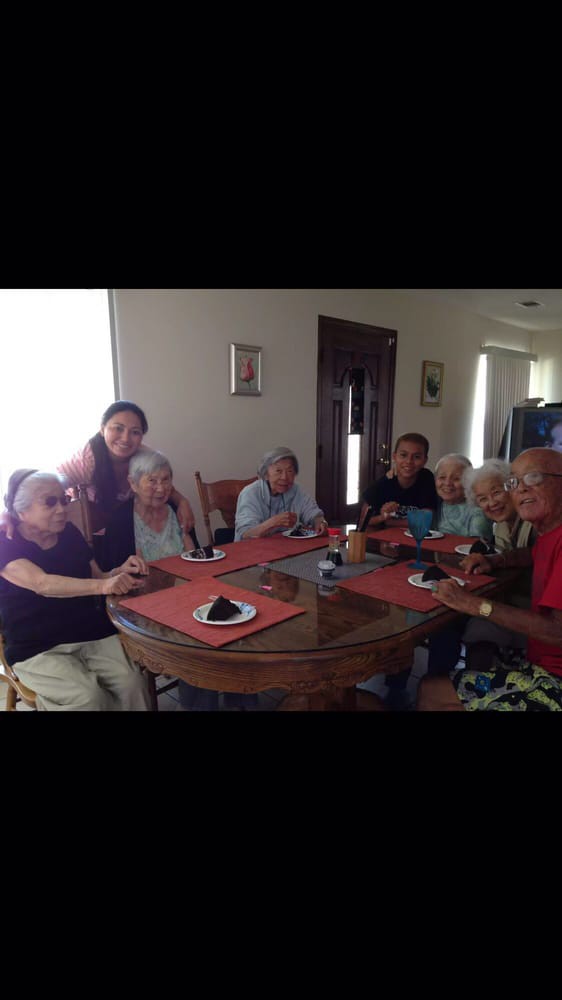
- The food is homemade, and the owners and administrator are kind.
- The facility is typically full, reflecting trust and demand.
- The staff become a resident’s second family, offering comfort and support.
- The hospice care is accommodated with dignity and compassion.
- Residents enjoy meals, including Japanese cooking.
Review
Kizuna Assisted Living in Torrance is best suited for families seeking a small, home-like setting where residents are treated with consistent warmth and personal attention. This community works well for seniors who value intimate, hands-on care over a large, impersonal campus, and who appreciate meals prepared on-site with a home-style focus. The environment conveys cleanliness, comfort, and a lived-in feel, with owners and an administrator who come across as genuinely invested in each resident’s well-being. From the patient and observant observations shared by families, care feels attentive and real, not transactional, and staff are kept approachable enough to build trusted relationships.
That said, alternatives should be on the radar for families with particular needs. The house tends to be full, which can translate into waitlists and uncertainty for those needing immediate placement. For residents who require 24/7 on-site nursing, high-level medical oversight, or memory-care programming with structured, specialized support, a larger assisted living community or a facility focused on dementia care may deliver more predictability and breadth of services. Those seeking extensive social programming, transportation fleets, or on-site rehab services may also find a bigger campus a better match.
The core advantages of Kizuna, dedicated staff who treat residents like family, a clean and cozy home atmosphere, and homemade meals, arguably outweigh the drawbacks of a smaller operation. The personal touch means fewer resident transitions, more consistent routines, and a sense of security for families who want hands-on involvement. While the scale may limit certain services, the daily life experience for residents is marked by dignity, familiarity, and attentive companionship, which can produce better quality of life than larger, more impersonal settings.
Complementing these strengths are compelling anecdotes of meaningful, compassionate care. Families report hospice arrangements that feel integrated and respectful, and stories of residents finding comfort and joy in meals, especially those who enjoy Japanese cooking, underscore how food culture can elevate everyday living. The repeated emphasis on a second-family dynamic and the staff’s visible care products a powerful offset to concerns about limited on-site amenities. In short, the environment is not merely safe; it’s emotionally nourishing for many residents.
When approaching a decision, prospective residents should verify practical details that shape daily life. Current vacancy status and wait times are essential, as is clarity on dietary accommodations and any specific care needs (mobility support, medication management, memory care), to ensure alignment with individual requirements. Straightforward questions about staffing ratios, whether professional nursing is available 24/7, and how hospice or end-of-life preferences are coordinated will reveal whether Kizuna can match the expected level of medical oversight. Transparent pricing, what’s included, and any potential add-ons should be mapped out, along with transportation, activity programming, and family involvement.
Ultimately, Kizuna stands out as a compelling option for families who prize a caregiver-first culture and a warm, homey setting in Torrance, provided there is patience for a potential wait and an understanding of the level of medical or dementia-focused services offered. It delivers warmth, consistent personal attention, and a high-quality daily life that can feel more meaningful than what larger communities provide. For those needing immediate admission, expansive clinical support, or specialized memory care, alternatives may be more appropriate, but for families prioritizing intimate care and homestyle nourishment, Kizuna represents a confident, practical choice.
 6 resident community capacity
 Assisted Living
 Board and Care Home
 Cable or satellite TV
 Dining room
 Fully furnished
 Garden
 Housekeeping services
 Move-in coordination
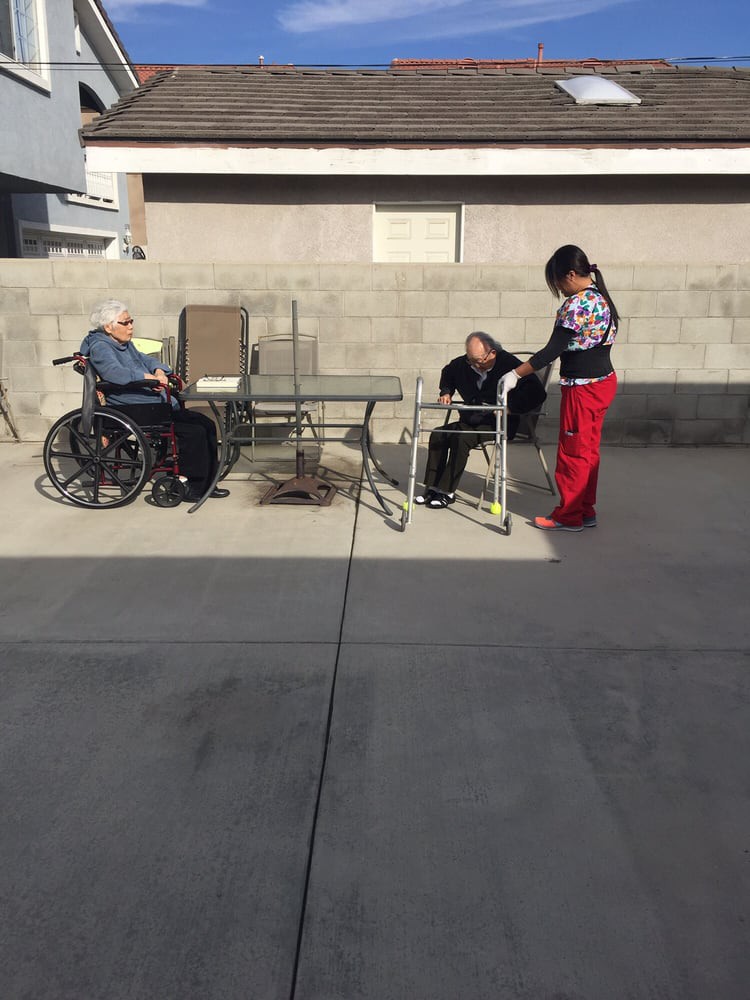
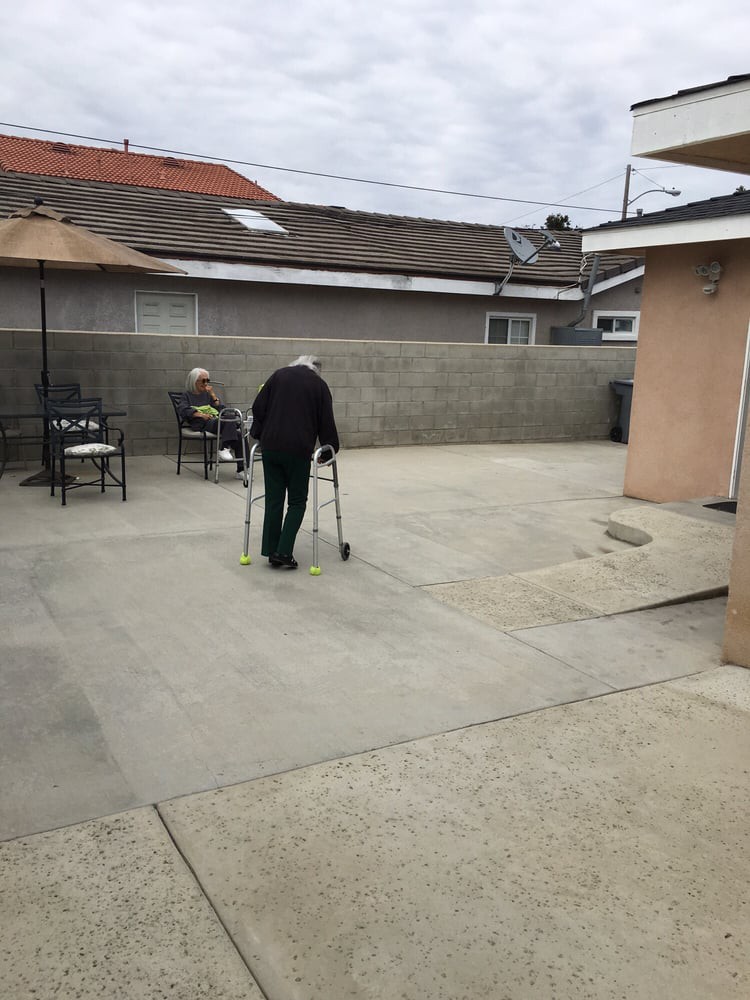
 Outdoor space
 Private
 Telephone
 Wi-Fi/high-speed internet available
 Los Angeles International (6 miles away)
 24-hour supervision
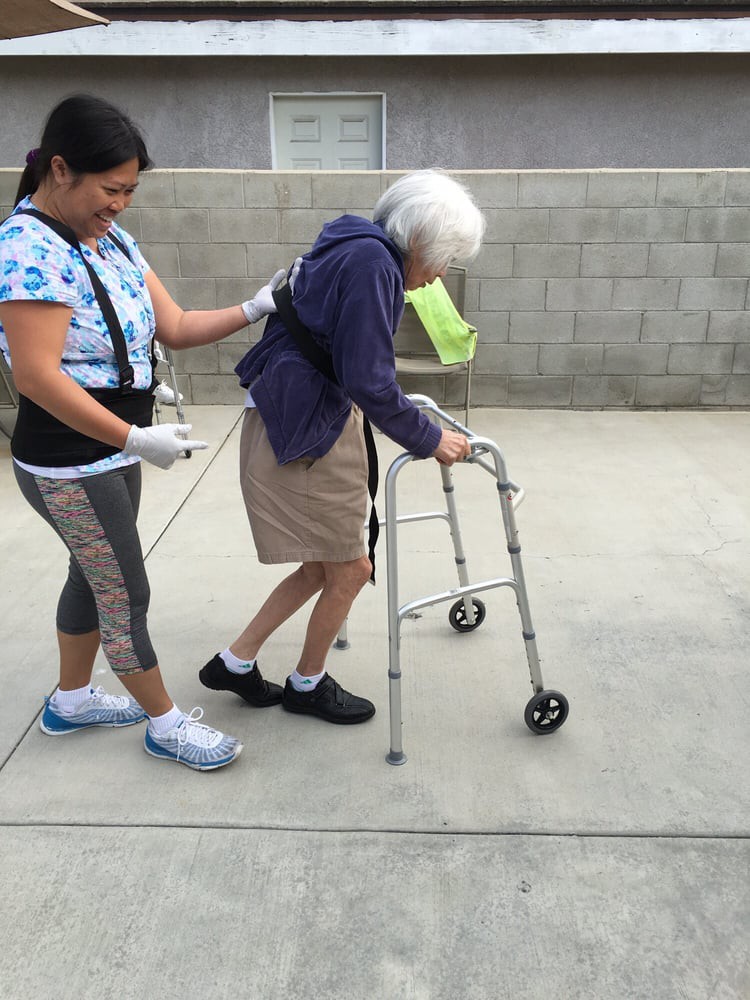
 Activities of daily living assistance
 Assistance with bathing
 Assistance with dressing
 Assistance with transfers
 Diabetes diet
 Meal preparation and service
 Medication management
 Special dietary restrictions
 Transportation arrangement (medical)
 Transportation to doctors appointments



 Social Security Benefits and Assisted Living: Navigating Options Across the U.S.
 An Extensive Exploration of the VA Aid and Attendance Benefit
 Senior Transition Services: Understanding Their Role, Cost, and Importance