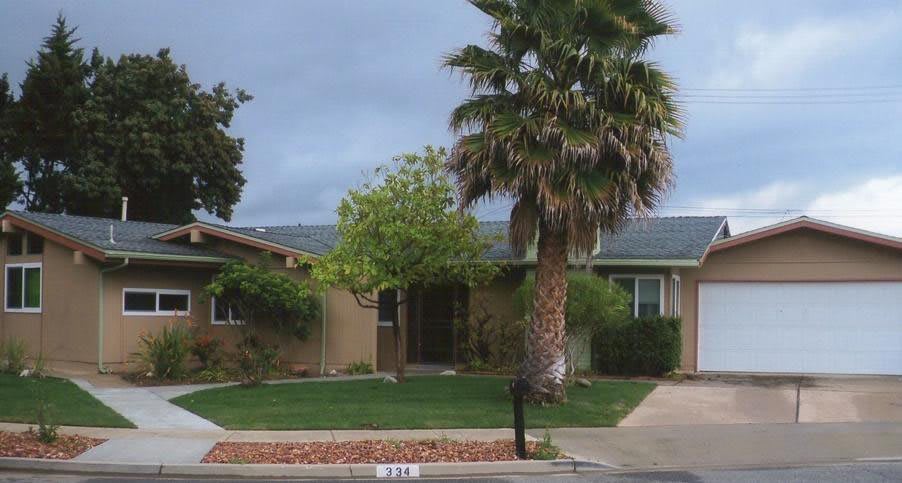
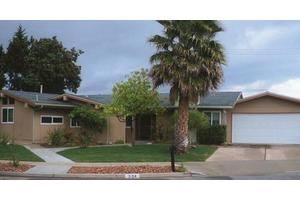

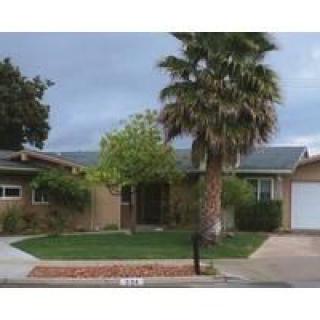



334 Burton Court, Thousand Oaks, CA 91360
For more information about senior living options: (866) 208-4318
Our Home Thousand Oaks 3 Costs & Pricing
Our Home Thousand Oaks 3 offers competitive pricing for its residential care services, with monthly costs that reflect a thoughtful approach to affordability without compromising quality. For semi-private rooms, residents can expect a monthly fee of $3,000, which is notably lower than both the Ventura County average of $3,438 and the state average of $3,333. For those seeking more privacy, the private room option at Our Home is priced at $3,800, offering a more economical choice compared to the Ventura County average of $4,082 and California's statewide average of $3,939. This positioning provides prospective residents with an attractive alternative in a desirable location while ensuring they receive personalized care tailored to their individual needs.
| Floor plans | Our Home Thousand Oaks 3 | Ventura County | California |
|---|---|---|---|
| Semi-Private | $3,000 | $3,438 | $3,333 |
| Private | $3,800 | $4,082 | $3,939 |
Assisted Living communities with a similar price nearby
-
from -$250 / mo

Dignity Care Home 1
$2,750 to $4,150 / month21.9 miles away -
About the same
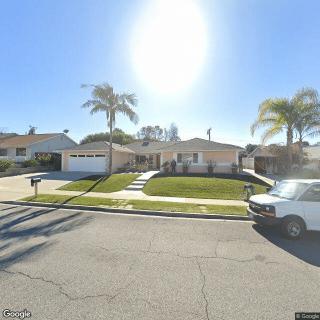
Thousand Oaks Home Care IV
$3,000 to $4,000 / month0.1 miles away -
About the same
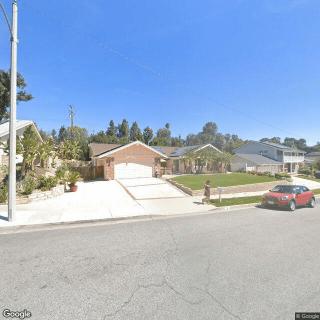
Thousand Oaks Home Care II
$3,000 to $4,000 / month0.2 miles away -
from +$500 / mo

California Senior Of Sherman Oaks
$3,500 to $4,000 / month23.9 miles away -
About the same
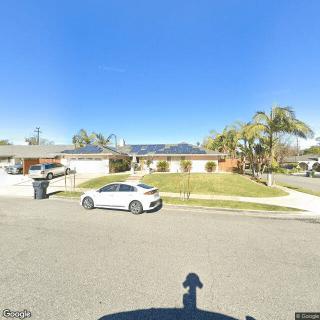
Thousand Oaks Home Care VI
$3,000 to $4,000 / month0.3 miles away
Overall Review of Our Home Thousand Oaks 3
Pros
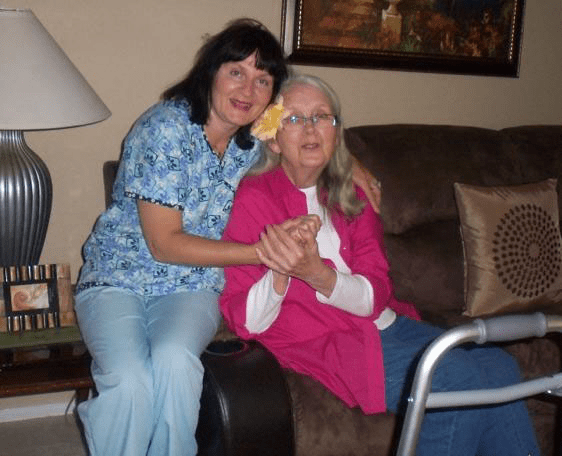
 Gilliana and her staff are caring and wonderful to residents.
 - Thousand Oaks Home Care is the right choice, with impeccably maintained homes and long-term, caring staff.
- Gilliana, as administrator/owner, is an incredible person who supports families through transitions.
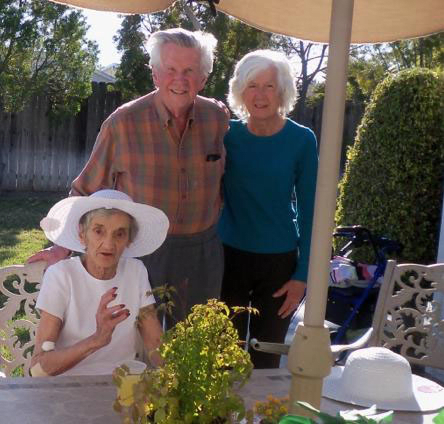
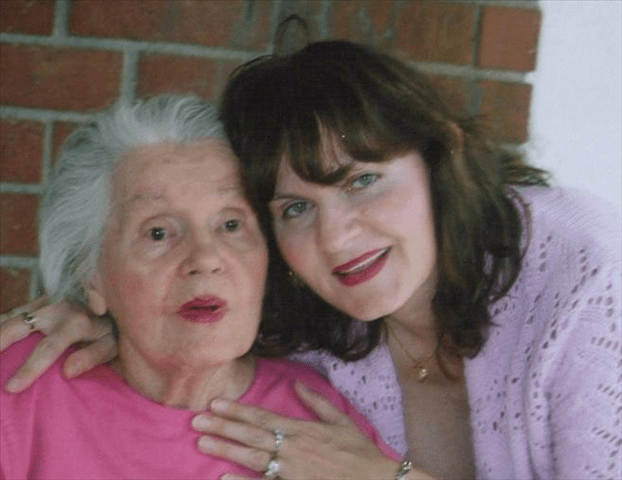
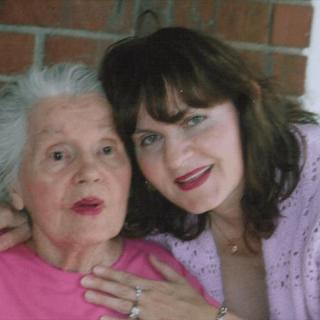
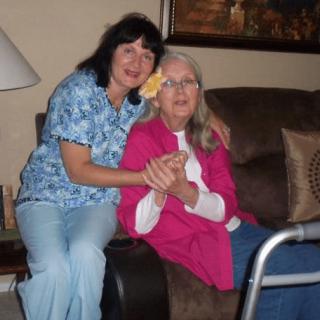
- The staff is loving and caring, and residents feel like family.
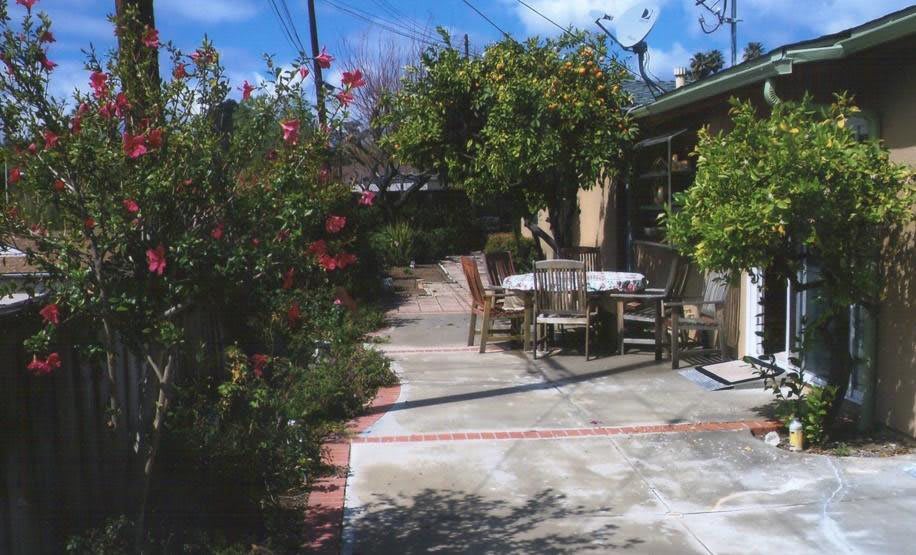
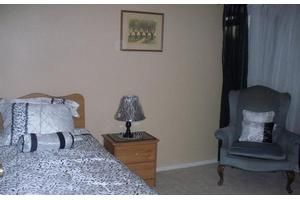
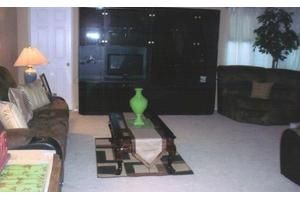
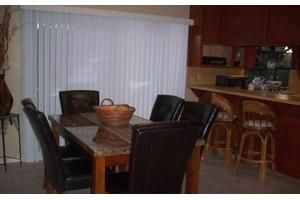
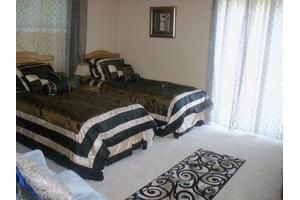
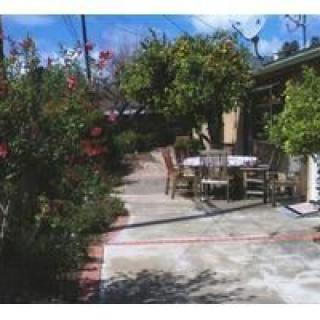
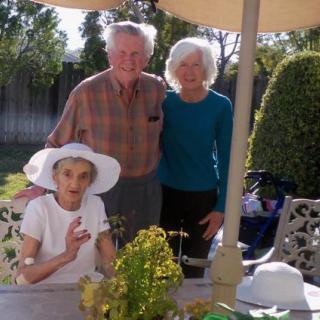
- The home is beautiful and clean, with an inviting backyard.
- Odette and Mervin are caring and loving caretakers, and the staff feels like family.
- Families highly recommend Thousand Oaks Home Care.
Cons
 The community is described as pretty average.
- There is nothing great about it, nor anything horrible.
- The staff seem to liquefy residents’ food even if they can still chew.
- The owner, an RN, gives the impression that she doesn’t want anyone second-guessing her.
Review
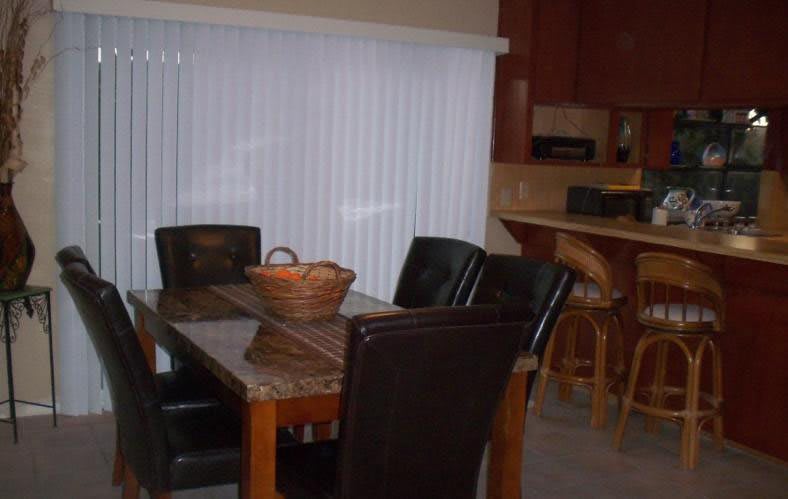
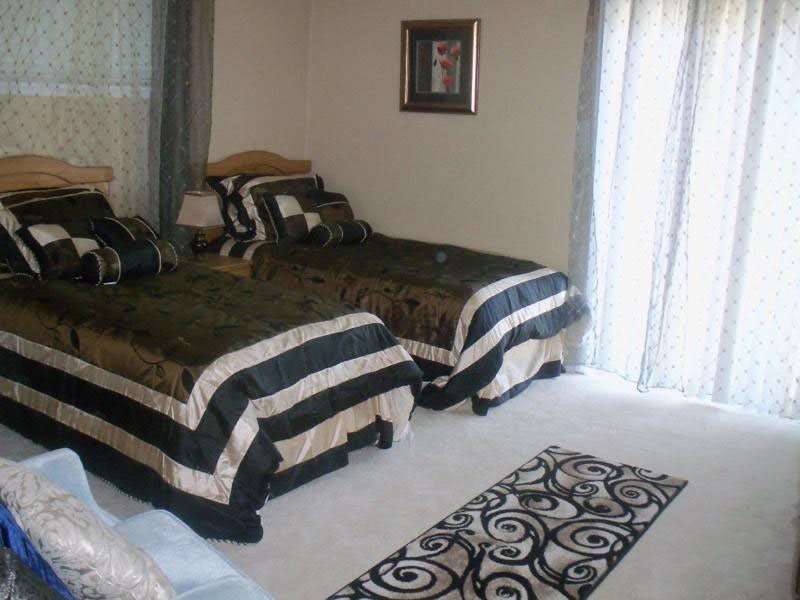
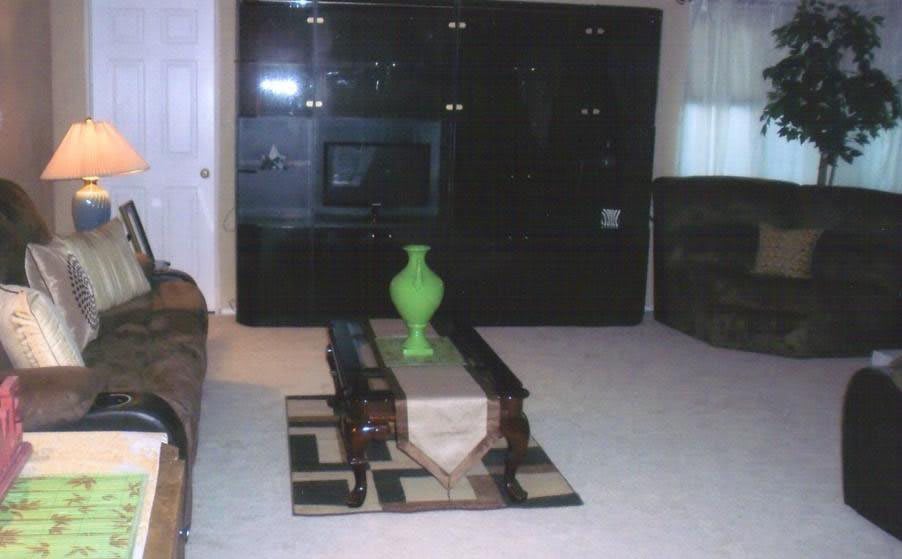
This community is best suited for families seeking a warm, home-style board-and-care in Thousand Oaks where personal attention and continuity matter most. It thrives when a resident benefits from a hands-on owner-operator’s steady oversight, paired with long-tenured caregivers who treat residents like family. The setting is intimate rather than institutional, and the impression of a well-kept, welcoming home carries through in the cleanliness of the interiors and the care staff’s daily rhythms. For families prioritizing a smooth transition, consistent staffing, and a nurturing, familiar atmosphere, this is a compelling fit.
Those who may want to consider alternatives are families seeking a higher level of clinical structure or formal memory-care programming, or those who want the scale and amenities of a larger assisted-living campus. A wary eye should be kept on expectations around dining style and governance, especially if a resident requires highly specialized dietary practices or wants more explicit collaborative decision-making with leadership. One review notes a broader perception of “average” performance and hints at a management style that may feel less open to unsolicited input, which can matter for families that want a more collaborative planning process.
The strongest positives here revolve around people and place. Staff are described as long-term, caring, and deeply attached to residents, with Gilliana’s leadership helping families navigate transitions with confidence. The homes themselves are portrayed as impeccably maintained, with a clean, inviting interior and a welcoming backyard that supports a sense of freedom and comfort. For families who value a caregiver team that becomes part of the family fabric and a setting that fosters day-to-day familiarity, these factors create a compelling offset to the inherent limitations of a smaller, board-and-care model. The positive testimonials about trust, warmth, and continuity carry real weight in a decision focused on daily quality of life.
The main concerns surfaced in a single critique point to two practical risks: dining practices and governance style. The note about “liquefied” meals for residents who can chew and swallow raises questions about whether the kitchen accommodates varied dietary needs and textures in a way that respects each resident’s preferences and safety. Additionally, the sense that the owner-physician leadership does not welcome second-guessing can translate into a perception that families have limited input into day-to-day care decisions. While these concerns do not erase the strong caregiving culture, they are meaningful for families who want transparent, collaborative care planning and a dining program that adapts to individual needs.
To decide with clarity, prospective residents should verify several practical details during visits. Ask for a transparent overview of meal planning: menu options, texture-modified choices, and whether resident input is routinely solicited. Inspect the caregiver-to-resident ratios during peak hours and request examples of individualized care plans to see how resident goals are reflected in daily routines. Request references from current families about how transitions were managed, how long-term staff feel about the leadership style, and whether any tensions around governance ever affected care. A personal tour should include conversations with multiple staff members and, if possible, with families whose loved ones have stayed for more than a year.
Ultimately, for families who prize a home-like environment, genuine warmth, and consistent, long-tenured care, this Thousand Oaks community offers a strong, practical match. The combination of well-maintained spaces, a neighborly, family-centric culture, and a hands-on owner who actively guides the transition creates a reliable foundation for comfort and trust. Yet, for those who require rigorous clinical oversight, formalized memory-care programming, or a dining model that prioritizes strict texture customization and collaborative governance, it pays to explore alternatives. This residence stands out in its category, but the decision should hinge on aligning specific care needs, dining expectations, and governance comfort with what the home delivers each day.
 6 resident community capacity
 Assisted Living
 Board and Care Home
 Cats allowed
 Dogs allowed
 Cable or satellite TV
 Dining room
 Fully furnished
 Garden
 Housekeeping services
 Move-in coordination
 Outdoor space
 Private
 Respite or short term stays offered
 Telephone
 Wheelchair accessible showers
 Wi-Fi/high-speed internet available
 Oxnard (19 miles away)
 24-hour supervision
 Activities of daily living assistance
 Assistance with bathing
 Assistance with dressing
 Assistance with transfers
 Diabetes diet
 Diabetic care
 Incontinence care
 Meal preparation and service
 Medication management
 Special dietary restrictions
 Transportation arrangement (medical)
 Transportation to doctors appointments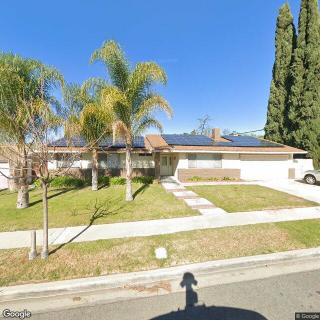



 An Extensive Exploration of the VA Aid and Attendance Benefit
 Senior Transition Services: Understanding Their Role, Cost, and Importance
 Exploring the Path to Senior Living: A Comprehensive Look at Independent Living and Assisted Living