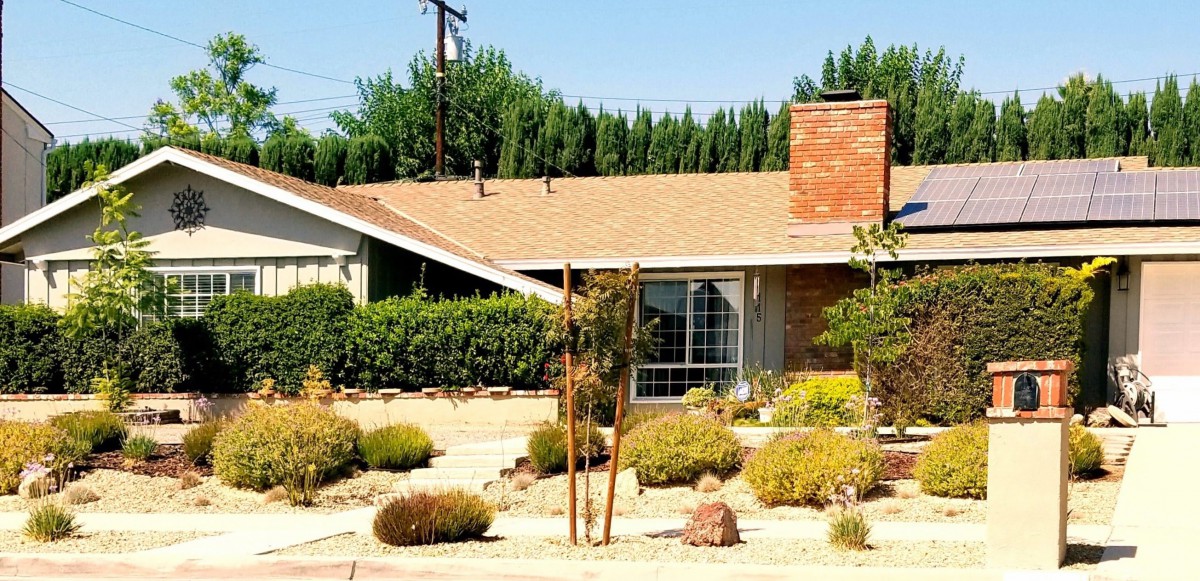

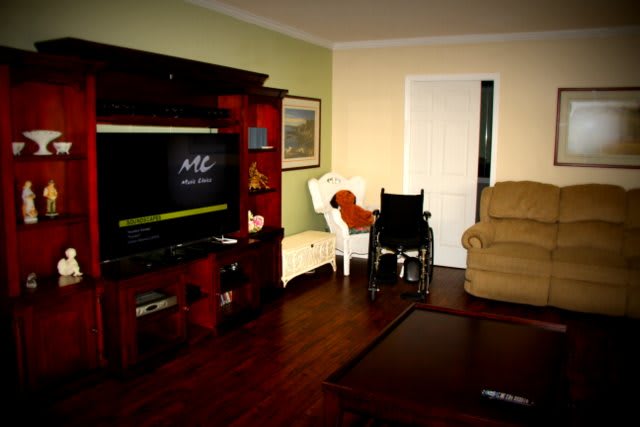

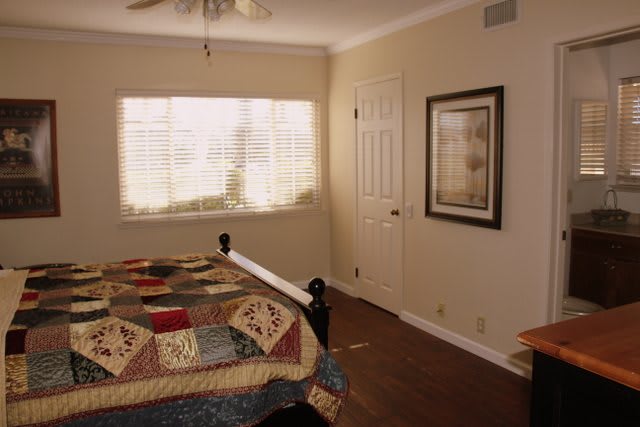







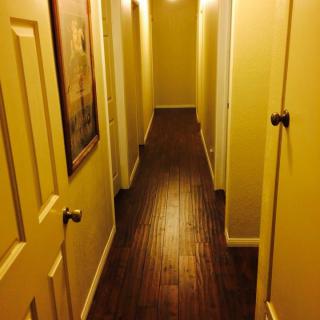
115 Thames Street, Thousand Oaks, CA 91360
For more information about senior living options: (866) 208-4318
Brio Manor Costs & Pricing
At Brio Manor, the monthly costs for various room types reflect a competitive stance within both Ventura County and the broader California market. For a semi-private room, residents can expect to pay $3,500, which is slightly above the county average of $3,438 but still remains lower than the state average of $3,333. When considering one-bedroom accommodations, Brio Manor's price of $4,100 is notably more affordable than the county's average rate of $4,513 while aligning closely with the statewide rate of $4,340. For those seeking more privacy in a private room setting, Brio Manor charges $4,100 - again fitting into a favorable niche as it is comfortably above the Ventura County average of $4,082 yet less than California's average of $3,939. Overall, Brio Manor offers a balanced pricing structure that emphasizes value without compromising on quality or amenities.
| Floor plans | Brio Manor | Ventura County | California |
|---|---|---|---|
| Semi-Private | $3,500 | $3,438 | $3,333 |
| 1 Bedroom | $4,100 | $4,513 | $4,340 |
| Private | $4,100 | $4,082 | $3,939 |
Memory care communities with a similar price nearby
-
About the same
Paradise Senior Living 1
$3,500 to $4,500 / month18.5 miles away -
from +$300 / mo
America's Care Manor
$3,800 to $4,000 / month12.3 miles away -
from +$500 / mo
Land of Peace 6
$4,000 to $5,500 / month14.7 miles away -
About the same

California Senior Of Sherman Oaks
$3,500 to $4,000 / month24.3 miles away -
from -$500 / mo

Navita Residence Edgemont Drive
$3,000 / month10.0 miles away
Overall Review of Brio Manor
Pros
 Brio Manor’s caregivers are wonderful, helping residents regain strength and enjoy short, accompanied walks.
 - The owner is hands-on, gets to know residents and their families, and is always available.
- The Brio staff are kind, caring, and lovingly supportive of residents and their families.
- Brio Manor feels like a family, with residents and loved ones treated with dignity and care.
- The staff are attentive, warm, and professional, and the small, family-style environment helps residents thrive.
- The facility is clean and welcoming, with home-cooked meals prepared daily.
- The owner and care team consistently go above and beyond, making Brio Manor one of the area’s best board-and-care homes.
- Families report peace of mind and high satisfaction with the care and support Brio Manor provides.
Cons
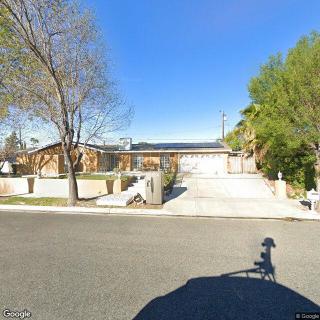
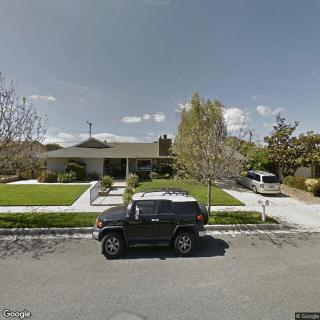
 Brio Manor leaves much to be desired, with large recreational vehicles and boats, and huge trucks parked along the street for weeks, blocking drivers’ views.
 - Visitors block neighbors’ mailboxes, bring barking dogs in their cars, and park tires up on the curb, giving the area a frat-house vibe rather than a retirement home.
- While inside the house the care may be lovely, what’s happening outside is upsetting for almost every neighbor on the street.
- One reviewer cannot assess the care since they do not know anyone at Brio Manor, leaving the quality of care uncertain.
Review
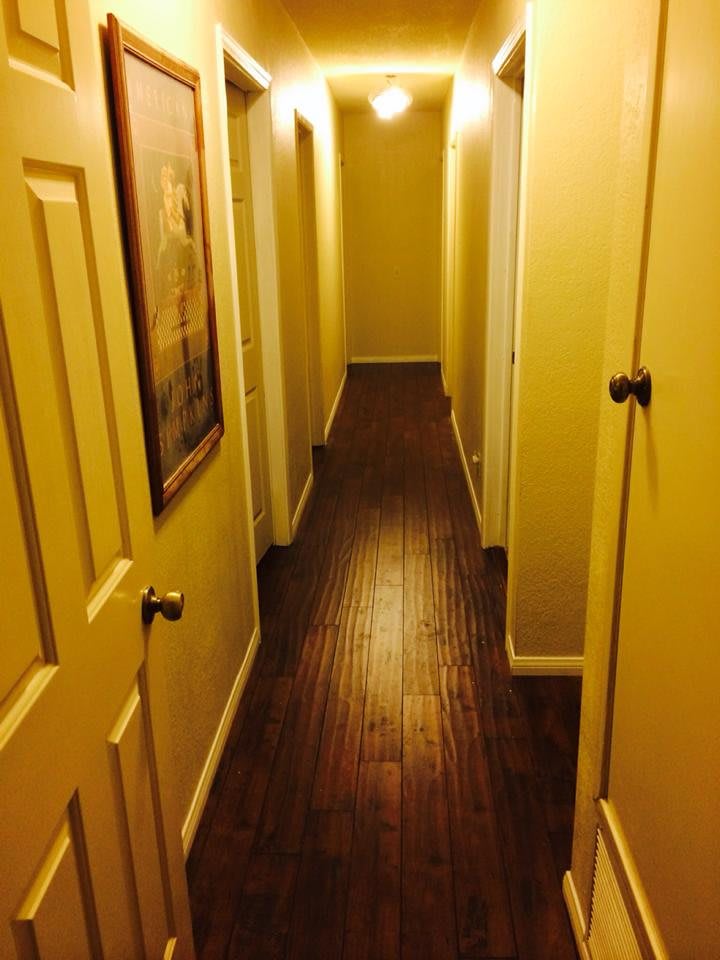
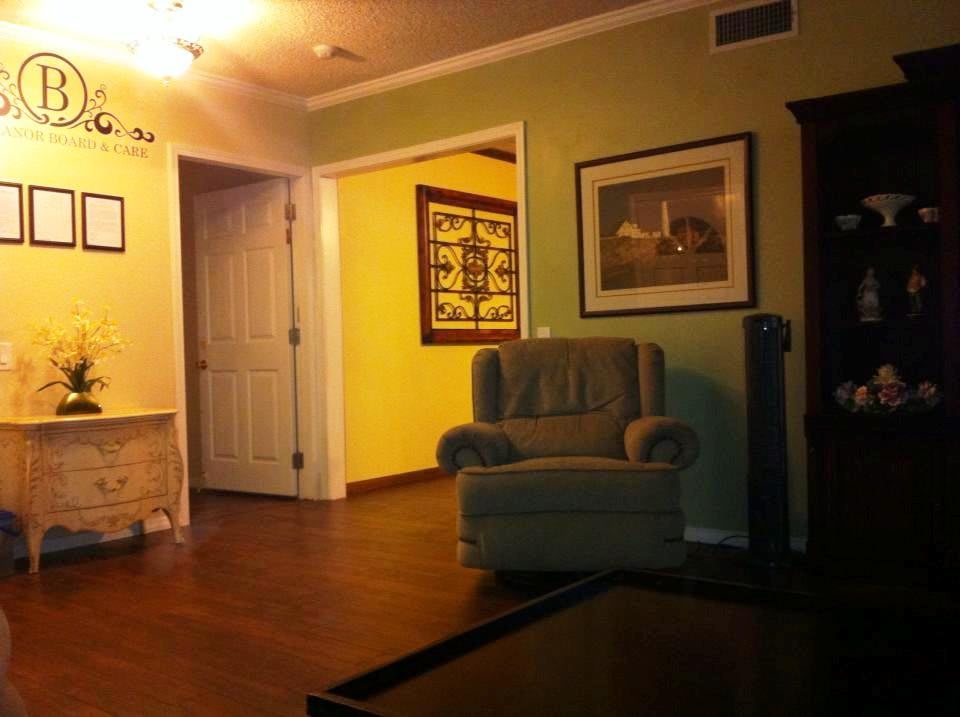
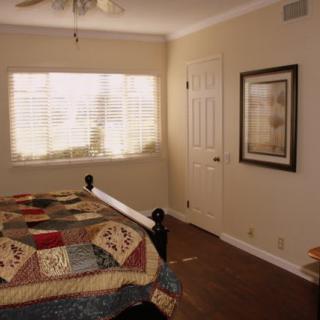
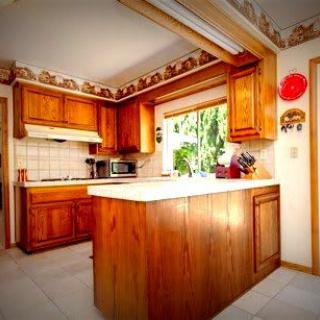
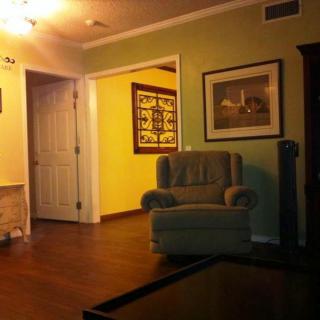
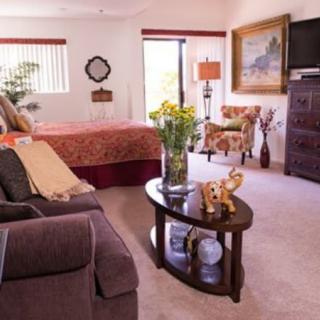
Brio Manor in Thousand Oaks is best suited for families seeking a warm, intimate board-and-care setting where a hands-on owner and a small, tightly knit staff deliver personalized, relationship-driven care. The community shines for seniors who value being treated like family, with caregivers who know personal histories, preferences, and routines. Several residents arrive frail, require assistance, or are navigating end-of-life transitions, yet Brio Manor consistently helps them regain strength, eat well, and stay engaged through daily routines that feel natural rather than clinical. The environment reads as a well-kept home: clean, with fresh meals prepared on-site, a welcoming atmosphere, and a staff that actively participates in residents’ days. The owner’s visibility and willingness to know each resident and their family create a stability that reduces anxiety and fosters trust, an essential factor when transition times are fragile.
That said, Brio Manor is not the right fit for every situation. Families with loved ones who require advanced skilled nursing on-site around the clock, or who need ongoing, structured memory-care programming with secure environments, should consider larger, more medicalized communities. Likewise, families prioritizing a broad social calendar, a wide array of on-site therapies, or upscale amenities may want to explore options beyond a small board-and-care setting. Some neighbors and prospective residents may notice a busier exterior footprint, large recreational vehicles and other activity nearby, that can feel incongruent with a quiet residential street. For residents who crave an ultra-institutional or hospital-like setting, Brio Manor’s intimate, home-like model will feel restricted.
The strongest pros, owner involvement, staff relationships with residents, and a genuine, family-centered culture, work squarely against the core drawbacks. The care team is described as deeply attentive, warm, and professional, with owners and operators who treat residents as individuals rather than numbers. The level of personal attention is reinforced by stories of caregivers going above and beyond, including safety-first gestures like staying close to wandering relatives and ensuring consistent, compassionate oversight. Home-cooked meals, exceptional cleanliness, and the sense that residents are not merely housed but welcomed into a caring “extended family” all contribute to stability and well-being. When a resident’s appetite or weight is a concern, the small setting and hands-on approach enable rapid adjustments to meals, activity, and daily routines, often producing meaningful gains in strength and morale.
The one negative outlier among the reviews, concerns about what happens outside Brio Manor’s doors, offers a useful reminder for decision-makers: a small community can feel intensely integrated with its neighborhood, for better and for worse. The exterior scene may include busy traffic or vehicles that other residents or visitors bring in, something a family will want to verify during a tour. Yet the interior narrative remains consistent: a clean, well-maintained home with dedicated staff who know each resident well, a kitchen that delivers from-scratch meals, and a management team that remains accessible and responsive. In practical terms, these external considerations should be weighed against the internal certainty of care quality, personal dignity, and the absence of a cold, impersonal atmosphere that often accompanies larger facilities.
For families weighing Brio Manor against alternatives, a clear due-diligence path yields the best decision outcome. Start with a firsthand tour at different times, mealtimes, activity windows, and quiet periods, to observe staff interactions, resident engagement, and how care plans are communicated. Ask to meet the nurse administrator and key caregivers, and request a detailed look at a sample care plan, including how weight or mobility concerns are managed, how meals are adapted to dietary needs, and how fall prevention is implemented. Explore the resident selection process, Brio Manor screens new residents to ensure compatibility, which can prevent mismatches and foster a safer, happier living environment. Finally, discuss transparency around vacancies, cost structures, and what happens if care needs escalate; the community’s small size is a strength when matched to a compatible resident, but it may become a constraint if acuity rises.
The bottom-line verdict is practical and decisive: Brio Manor is an excellent choice for families seeking a hands-on, home-like alternative to a larger assisted living, where staff become extended family and care plans reflect individual histories and preferences. It excels for seniors who benefit from constant, personable supervision, freshly prepared meals, and a community culture built on dignity, respect, and genuine warmth. It may be less suitable for those whose needs require robust on-site medical programming, advanced memory-care infrastructure, or a bustling, highly scheduled calendar of activities. For families who want to invest in a deeply personal care experience, one that prioritizes comfort, safety, and human connection, Brio Manor stands out as a thoughtful, reliable option worth pursuing with a direct conversation and a careful visit.
 6 resident community capacity
 Assisted Living
 Board and Care Home
 Memory Care
 Dogs allowed
 Activities off-site
 Beautician on-site
 Cable or satellite TV
 Devotional services off-site
 Dining room
 Fully furnished
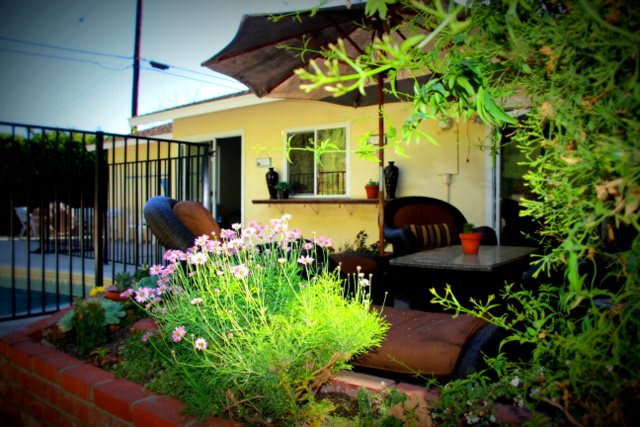
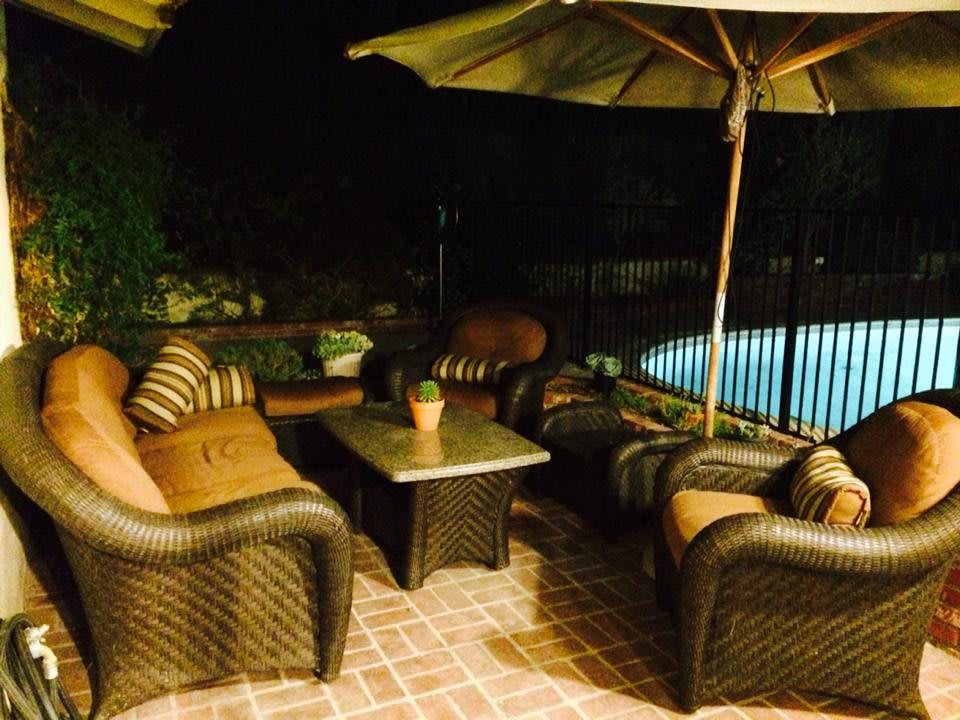
 Garden
 Housekeeping services
 Indoor common areas
 Move-in coordination
 Outdoor common areas
 Private
 Private bathrooms
 Respite or short term stays offered
 Swimming pool / hot tub
 Telephone
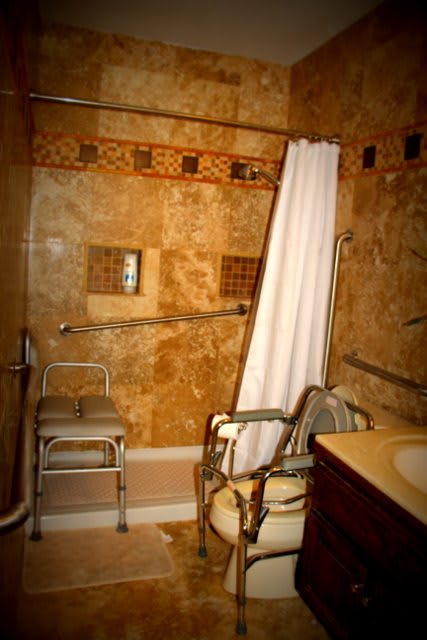
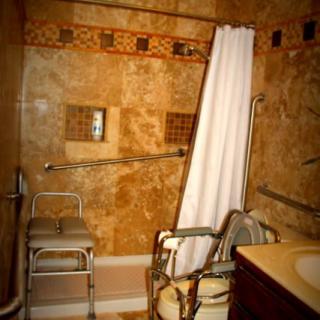
 Wheelchair accessible showers
 Wi-Fi/high-speed internet available
 Oxnard (19 miles away)
 24-hour supervision
 Ambulatory care
 Assistance with bathing
 Assistance with dressing
 Assistance with transfers
 Diabetes diet
 High acuity care
 Incontinence care
 Meal preparation and service
 Medication management
 Special dietary restrictions
 Transportation arrangement (medical)
 Transportation to doctors appointments



 Why Do Dementia Patients Sleep So Much? Understanding Oversleeping, Stages, and Care Approaches
 8 Key Indicators That Suggest It May Be Time to Transition from Assisted Living to Skilled Nursing Care
 Nourishing the Mind: Essential Dietary Approaches for Dementia