
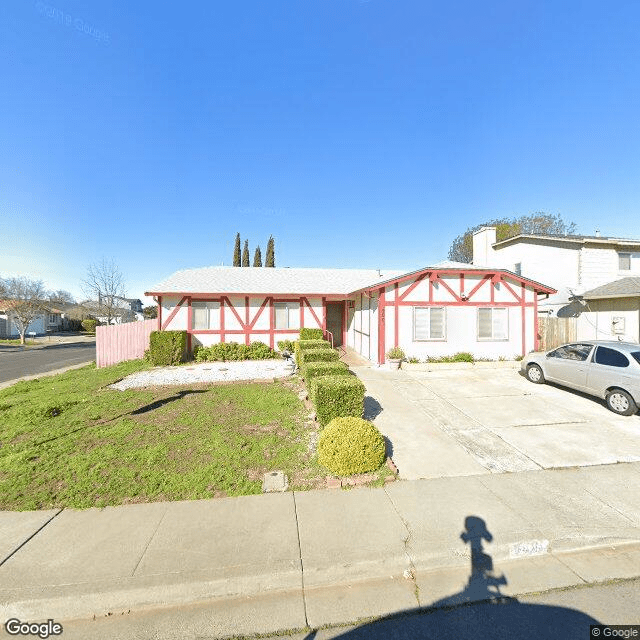
900 Murre Way, Suisun City, CA 94585
For more information about senior living options: (866) 208-4318
Golden Haven Care Home II Costs & Pricing
Golden Haven Care Home II offers competitive pricing for its room types compared to both Solano County and the broader California market. With monthly costs of $2,000 for a semi-private room and $2,500 for a private room, Golden Haven stands out as an affordable option. In contrast, the average cost for a semi-private room in Solano County is approximately $2,762, while a private room averages around $3,482. When looking at state-wide figures, these costs rise significantly to an average of $3,333 for semi-private rooms and $3,939 for private accommodations. This positions Golden Haven Care Home II as a more economical choice without compromising on quality care.
| Floor plans | Golden Haven Care Home II | Solano County | California |
|---|---|---|---|
| Semi-Private | $2,000 | $2,762 | $3,333 |
| Private | $2,500 | $3,482 | $3,939 |
Memory care communities with a similar price nearby
-
from -$100 / mo
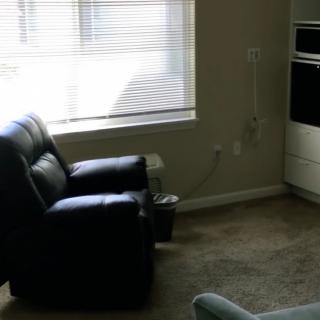
Paramount House Senior Living
$1,900 to $4,695 / month6.0 miles away -
from -$100 / mo
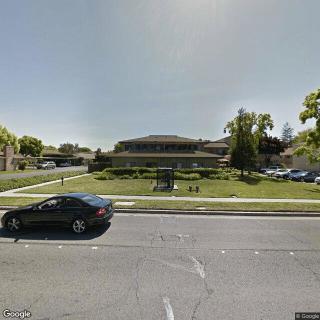
Concord Royale
$1,900 to $4,900 / month19.8 miles away -
from +$200 / mo
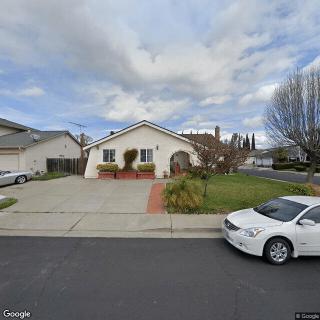
Dover Valley Residential Care Home
$2,200 to $3,000 / month2.6 miles away -
About the same

Country Place- Mental Health
$2,000 / month20.3 miles away -
from +$200 / mo
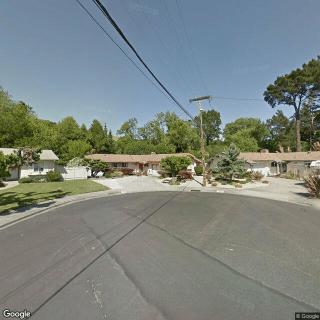
Granada Care Home No 1
$2,200 to $3,500 / month23.8 miles away
Overall Review of Golden Haven Care Home II
Pros
 The facility is impeccably clean and has a pleasant aroma upon entry.
- The staff are incredibly attentive, informative, and professional.
- The care provided has led to remarkable improvement in the patient's condition.
- The family expresses gratitude for the dedication and hard work of the staff.
- The aunt feels comfortable and safe at the facility.
- The staff are welcoming and provide peace of mind to families.
- The staff show kindness and empathy, including when handling long-distance calls to relatives.
Review
Golden Haven Care Home II in Suisun City, CA is best suited for families seeking hospice-oriented comfort in a clean, welcoming setting where residents receive attentive, professional care and where distant relatives can engage with ease and confidence. The two positive cases point to a pattern: residents show improvement or stable comfort under hospice-style support, and families report peace of mind from staff responsiveness and compassionate treatment. The environment matters here, the facility’s cleanliness, a pleasant entry aroma, and a calm atmosphere provide tangible reassurance to families navigating end-of-life planning and ongoing care.
Alternatives are worth considering for residents with broader needs. The reviews emphasize hospice care and general well-being rather than specialized memory-care programming or extensive clinical management beyond comfort-focused support. For families prioritizing an active daily schedule, dementia-specific programming, or more intensive medical oversight, other communities may be a better fit. Location can also tilt the decision; for those not tied to Suisun City, exploring options with a broader range of services nearby could make sense.
The strongest positives in these accounts, impeccable cleanliness, a welcoming ambiance, and staff who are attentive, informative, and professional, more than offset the lack of explicit drawbacks in the feedback. These factors translate into real outcomes: a resident who feels cared for day in and day out, measurable comfort improvements in hospice contexts, and families who feel heard and kept in the loop during visits or long-distance updates. The caveat is the small sample size: with only two narratives, it is wise to confirm consistency across different shifts, seasons, and resident needs before concluding that nothing else matters.
Staff behavior is repeatedly highlighted as the linchpin. Families describe genuine empathy, patient communication, and kindness in handling long-distance calls and updates, which reduces the stress common to families split by distance. The care team’s professional demeanor reinforces trust that a loved one is safe, well-attended, and treated with dignity. The combination of a clean, comfortable living environment and responsive, compassionate caregivers creates a practical and emotionally stabilizing foundation for residents facing serious illness and their families seeking steadiness during a challenging transition.
Practically, prospective residents should inquire about how hospice services integrate with ongoing medical oversight, as well as what happens if needs escalate. Visiting the facility in person, speaking with frontline caregivers, and requesting a day-in-the-life snapshot can reveal whether daily routines, social engagement, and clinical responsiveness align with expectations. Transportation, guest policies, and the frequency of visits are important for families managing long-distance involvement and should be clarified early. The two strong testimonials suggest a favorable baseline, but firsthand impressions will determine whether Golden Haven truly matches individual care priorities.
Overall, Golden Haven Care Home II presents as a solid choice for families prioritizing a clean, peaceful environment and highly attentive caregiving within a hospice framework. It delivers reassurance through a compassionate staff and a dignified atmosphere that supports both resident comfort and family confidence. For those whose needs extend beyond hospice-level support, such as dementia-specific programming, broader clinical services, or different location–based options, alternative communities should be explored. Yet for families seeking dependable comfort, clear communication, and a respectful, well-kept setting, this community warrants serious consideration.
 6 resident community capacity
 Assisted Living
 Board and Care Home
 Memory Care
 Activities off-site
 Cable or satellite TV
 Devotional services off-site
 Dining room
 Fully furnished
 Garden
 Housekeeping services
 Indoor common areas
 Move-in coordination
 Outdoor common areas
 Private
 Telephone
 Wi-Fi/high-speed internet available
 24-hour supervision
 Ambulatory care
 Assistance with bathing
 Assistance with dressing
 Assistance with transfers
 Diabetes diet
 High acuity care
 Incontinence care
 Meal preparation and service
 Medication management
 Special dietary restrictions
 Transportation arrangement (medical)
 Transportation to doctors appointments



 Comprehensive Insights on the Late Stages of Dementia: What to Expect and How to Provide Care
 Medications Associated with Dementia Risk: A Comprehensive Overview
 Guiding Your Journey: Understanding Power of Attorney for Elderly Parents