
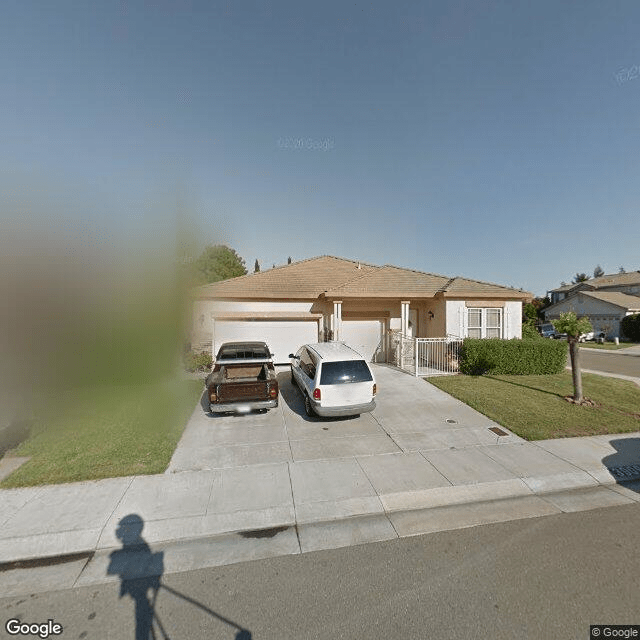
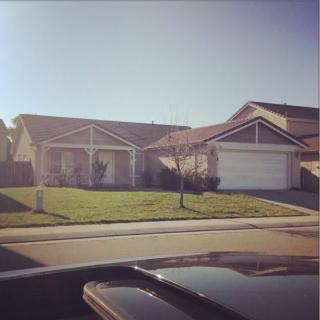
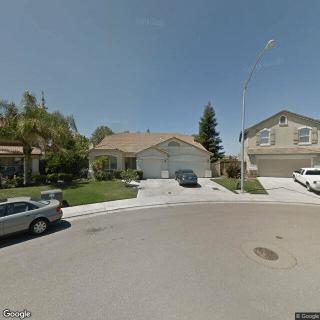
3909 Upton Ct, Stockton, CA 95206
To contact a resident: (209) 373-6438
For more information about senior living options: (866) 208-4318
Upton Court Living Costs & Pricing
Upton Court Living offers competitive pricing for its living arrangements compared to broader regional data. For those interested in semi-private accommodations, Upton Court Living charges $2,500 per month, which is significantly lower than the average cost of $3,074 in San Joaquin County and $3,333 across California. Similarly, for private rooms, Upton Court Living's monthly fee of $3,000 stands out against the county and state averages of $3,364 and $3,939 respectively. These favorable rates reflect Upton Court Living's commitment to providing quality care without compromising on affordability within the community.
| Floor plans | Upton Court Living | San Joaquin County | California |
|---|---|---|---|
| Semi-Private | $2,500 | $3,074 | $3,333 |
| Private | $3,000 | $3,364 | $3,939 |
Senior living communities with a similar price nearby
-
About the same
Brentwood Care Home
$2,500 to $4,000 / month21.5 miles away -
About the same

Stetson Court Living
$2,500 / month0.1 miles away -
About the same
Beta Care Home
$2,500 to $4,000 / month21.6 miles away -
from -$301 / mo
Paradise Residential Care Home in Mountain House
$2,199 to $3,199 / month15.4 miles away -
About the same

Rio Las Palmas
$2,510 to $3,125 / month6.4 miles away
Overall Review of Upton Court Living
Pros
 It is a nice place to visit.
- The staff provided attentive, wonderful care to their father.
- They are thankful for finding this home.
- This means a lot to them.
- The food is good.
Cons
 The facility was not suitable for Mom, as it felt too barren.
- The food was unappetizing.
Review
Upton Court Living in Stockton is best suited for seniors who want a small, caregiver-focused setting where staff attentiveness and steady, personal care are the defining strengths. The community reads as a homey, low-traffic campus that appears to support memory-care needs with a calm, routine-driven approach. For families seeking dependable, compassionate caregivers who will stay close to a loved one’s day-to-day needs, this option can feel like the right fit. The emphasis is on consistent staffing and a dignified, nonclinical atmosphere, which often translates into meaningful peace of mind for families grappling with memory-impairment concerns.
Those who may want to consider alternatives are precisely the families chasing a more vibrant, resort-like environment or top-tier dining. Several reviews flag the space as bare or unstimulating, suggesting that the decor and activity options may not meet expectations for residents who crave more social engagement or sensory richness. On the dining side, messages are mixed: some residents enjoy “good food,” while others encounter meals described as unappetizing. This inconsistency matters for long-term satisfaction, especially for memory-care residents whose appetite and mood can be closely tied to mealtime routine and ambiance. Prospective residents should weigh the desire for a quiet, residential feel against the wish for more robust programming.
The strongest pro is obviously the staff's attentiveness and the reliable, caring treatment families observe. Reviews repeatedly point to attentive caregivers and meaningful, personal care, with heartfelt gratitude from relatives who feel they have found a home for a loved one. The sense that caregivers know residents well and respond with patience and respect is a powerful offset to the uncertainties many families face at this life stage. The “nice place to visit” and “nice place” sentiments also reinforce that the atmosphere, when staffed well, feels comfortable and safe. For families prioritizing relationship-based care and dependable daily support, these advantages cannot be dismissed.
The primary cons, environmental sparseness and mixed dining experiences, pose real drawbacks. The characterization of the space as barren implies fewer amenities, less stimulation, and a feeling of confinement for some residents. When meals fail to meet expectations, it compounds concerns about overall well-being, appetite, and mood, particularly for memory-care residents who rely on routine and pleasing surroundings to maintain engagement. The fact that the negative feedback centers on both atmosphere and nutrition means potential residents should verify current dining options, meal quality, and whether programming has improved or declined since the reviews were written. The 3.8 rating reflects a genuine split between solid caregiving and areas that lag behind.
In weighing the positives against the negatives, the care quality and the genuine warmth from staff can offset a lot of hesitation for families who place a premium on trust, respect, and a neighborly feel. The memory-care designation matters here: a facility that can deliver steady routines, familiar faces, and compassionate support often matters more than high-end finishes. Yet the drawbacks cannot be dismissed, if a resident’s well-being hinges on stimulating activities and consistently appetizing meals, those needs may not be fully met. The decision hinges on what point dominates: the solace of a devoted caregiving team or the lure of more dynamic programming and culinary execution.
Bottom line for families evaluating Upton Court Living is practical and decisive: it is a credible choice for memory-care-capable living where dependable caregivers deliver heartfelt support in a modest, home-like setting. It is less compelling for those who prioritize a vibrant social calendar, upscale dining, or highly polished interiors. Prospective movers should schedule a thorough visit to observe mealtime, review the daily activity calendar, and speak directly with staff about resident-specific routines. Clarify memory-care services, staff-to-resident ratios, and how programming has evolved. If those measures align with the resident’s needs and expectations, Upton Court Living can be a solid, comfort-centered home; if not, alternatives with richer stimulation and consistently appetizing meals deserve serious consideration.
 Board and Care Home
 Activities off-site
 Bath tubs
 Devotional services off-site
 Indoor common areas
 Outdoor common areas
 Private
 Private bathrooms
 Respite or short term stays offered
 Wheelchair accessible showers
 Diabetic care
 Incontinence care
 Medication management
 Meals provided


 Encouraging Participation in Adult Day Care: A Guide to Supporting a Hesitant Parent
 Comprehensive Exploration of Living Wills and Other Advance Directives
 A Detailed Exploration of Living Wills and Advance Directives