
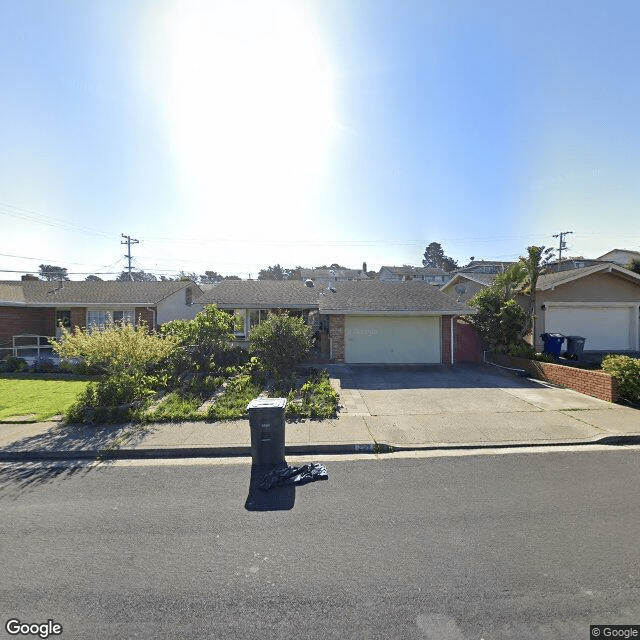
2311 Tipperary Avenue, South San Francisco, CA 94080
For more information about senior living options: (866) 208-4318
Oikos Care Home Costs & Pricing
Oikos Care Home offers competitive pricing for its private room accommodations at $3,500 per month, which is significantly lower than the average rates in San Mateo County and across California. In comparison, the cost for similar private rooms in San Mateo County stands at $4,281, while the statewide average is approximately $3,939. This positioning not only underscores Oikos Care Home's commitment to providing quality care at an accessible price but also highlights its value proposition within a region where costs can be prohibitively high.
| Floor plans | Oikos Care Home | San Mateo County | California |
|---|---|---|---|
| Private | $3,500 | $4,281 | $3,939 |
Assisted Living communities with a similar price nearby
-
from -$305 / mo
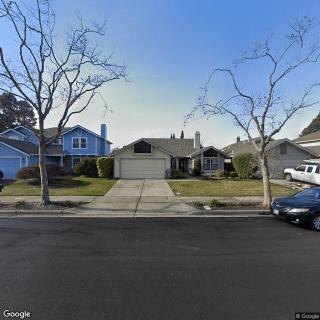
Harbor Bay Assisted Living
$3,195 to $5,000 / month13.2 miles away -
from +$500 / mo

Golden Age Of Channing Way
$4,000 to $5,000 / month13.3 miles away -
from -$500 / mo

Eden Assisted Living
$3,000 / month20.0 miles away -
About the same

Blossom Garden Senior Home
$3,500 to $4,800 / month19.4 miles away -
About the same

East Bay Assisted Living
$3,500 to $5,000 / month16.2 miles away
Overall Review of Oikos Care Home
Pros
 The facility feels warm and inviting.
- The staff make residents comfortable and well cared for.
- Residents are greeted by name and treated with dignity.
- The food is varied, tasty, and well liked, with daily new options.
- A wide range of activities keeps residents engaged and enjoying themselves.
- The environment is homey, clean, and well maintained.
- Staff are compassionate, responsive, and attentive to individual needs.
- The Life Enrichment program helps residents stay active and connected.
- Transitions into care are supported with kindness and thorough onboarding.
- Friends and social connections flourish among residents.
Cons
 Anne Marie is rude and borderline racist.
- The memory care area reeks of urine.
- There are odors in the rec room.
- There is a sense that aging residential care needs improving.
- Yvonne appears to be primarily interested in money.
- Yvonne complained about the reviewer’s father and was not very kind to him.
- She did not give any notice when ending the stay.
- The 30-day contract left the family with little notice.
Review
This community is best suited for families seeking a warm, home-like atmosphere where staff cultivate real relationships with residents. The pattern in the reviews points to a setting that feels inviting, with caregivers who learn each resident’s name, greet them warmly, and tailor daily routines to individual needs. It shines for families who prioritize daily kindness, accessible social engagement, and dependable meal service with varied options. For residents who thrive on personal attention, familiar faces, and a sense of belonging, this environment can deliver a reassuring, hotel-like level of care without an impersonal, institutional feel.
Those who may want to consider alternatives are families whose top priorities include highly structured clinical oversight, rigorous memory-care protocols, or an exceptionally consistent leadership presence. Several reviews hint at concerns around management responsiveness and continuity, which can matter a great deal when a loved one requires steady problem-solving and clear lines of accountability. Additional red flags cited in similar public feedback, such as odor issues in memory-care areas or contract- or move-in handholding gaps during transitions, signal that a few facilities in this category can pose real friction for families seeking flawless operation and predictable service.
The strongest pros here center on genuine warmth and personal attention. Residents benefit from staff who greet them by name, are quick to respond, and partner with families to maintain independence while providing appropriate support. A solid menu with daily variety and engaging activities that range from entertainments to physical programs helps residents stay connected and emotionally invested in daily life. The care approach appears to emphasize movement support, medication reliability, and a holistic view of well-being, which is particularly meaningful for residents managing chronic conditions or mobility limitations.
However, the main drawbacks carry enough weight to temper the positives. When leadership alignment or consistency falters, whether due to turnover, miscommunication, or less proactive move-in setup, the risk increases that families feel left to navigate a complex system on their own. Odors or cleanliness issues in memory-care settings, if present, can erode trust and complicate afternoons and evenings. These cons do not automatically negate the strengths of a warm, activity-rich environment, but they do shift the calculus for families who place a premium on seamless operations, transparent communication, and predictable, proactive care planning.
Practical steps can tighten the fit when evaluating this community. Prospective families should request a candid discussion about staff-to-resident ratios across different shifts, the program structure for memory care, and who leads the care team for each resident. A tour should include time with direct caregivers, housekeeping and maintenance staff, and a frontline manager to gauge responsiveness. Ask for a detailed move-in plan, a clear list of services included in the rate, and a written outline of how concerns are escalated and resolved. It is wise to review contract terms, cancellation policies, and transitional supports so expectations align with reality from day one.
In the end, this community offers substantial value for families who prize a welcoming, engaging setting where residents feel seen and heard. It is a strong match for individuals who want companionship, predictable routines, and robust programming wrapped in a warm, person-centered culture. For families seeking rigorous clinical oversight, perfectly uniform leadership, or odor-free memory-care environments with peer-reviewed protocols, alternatives should be explored. A careful, in-person assessment, focusing on staff continuity, move-in support, and the cleanliness and atmosphere of shared spaces, will determine whether this community delivers the steady, high-touch experience that the decision requires.
 6 resident community capacity
 Assisted Living
 Board and Care Home
 Activities on-site
 Cable or satellite TV
 Dining room
 Fully furnished
 Garden
 Housekeeping services
 Indoor common areas
 Move-in coordination
 Outdoor common areas
 Private
 Telephone
 Wheelchair accessible showers
 Wi-Fi/high-speed internet available
 San Francisco International (5 miles away)
 24-hour supervision
 Ambulatory care
 Assistance with bathing
 Assistance with dressing
 Assistance with transfers
 Diabetes diet
 Diabetic care
 High acuity care
 Incontinence care
 Meal preparation and service
 Medication management
 Special dietary restrictions
 Transportation arrangement (medical)
 Transportation to doctors appointments




 Exploring the Contrasts Between Assisted Living and Skilled Nursing
 8 Key Indicators That Suggest It May Be Time to Transition from Assisted Living to Skilled Nursing Care
 Vibrant Senior Living: A Comprehensive Guide for Active Older Adults