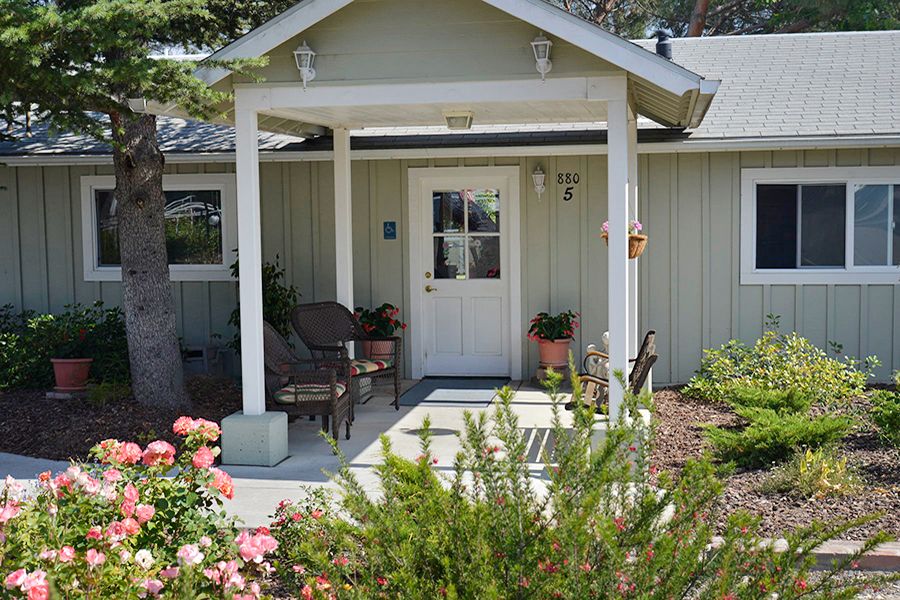
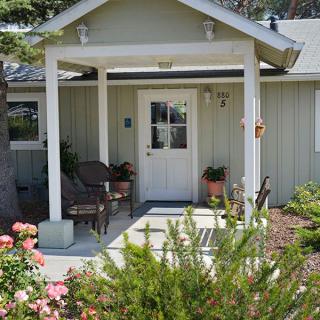
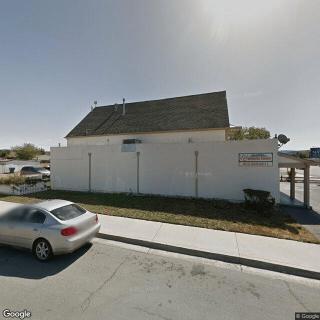
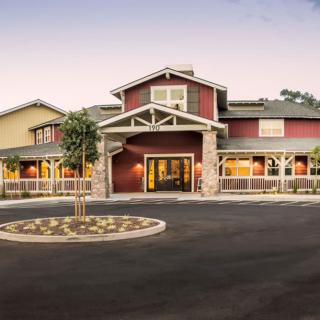
880 Friendship Lane, Solvang, CA 93463
For more information about senior living options: (866) 208-4318
Solvang Friendship House Costs & Pricing
Solvang Friendship House offers competitive monthly rates for both studio and one-bedroom accommodations, providing an appealing option within the Santa Barbara County and California markets. With a studio priced at $3,465, it stands out as a more affordable choice compared to the county average of $4,147 and the state average of $4,145. Similarly, the one-bedroom unit at Solvang Friendship House is available for $3,980, which is notably lower than the county's $4,114 and the higher state average of $4,340. These cost-effective options make Solvang Friendship House an attractive alternative for those seeking quality housing in a desirable location without compromising on financial considerations.
| Floor plans | Solvang Friendship House | Santa Barbara County | California |
|---|---|---|---|
| Studio | $3,465 | $4,147 | $4,145 |
| 1 Bedroom | $3,980 | $4,114 | $4,340 |
Memory care communities with a similar price nearby
-
from -$665 / mo
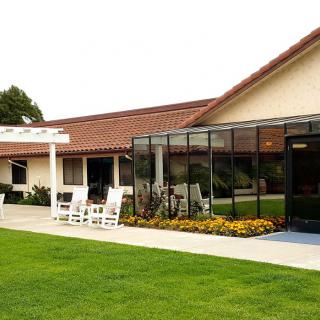
Fountain Square of Lompoc
$2,800 to $4,245 / month21.3 miles away -
About the same
Comforts Of Home Senior Care
$3,500 to $4,200 / month20.6 miles away
Overall Review of Solvang Friendship House
Pros
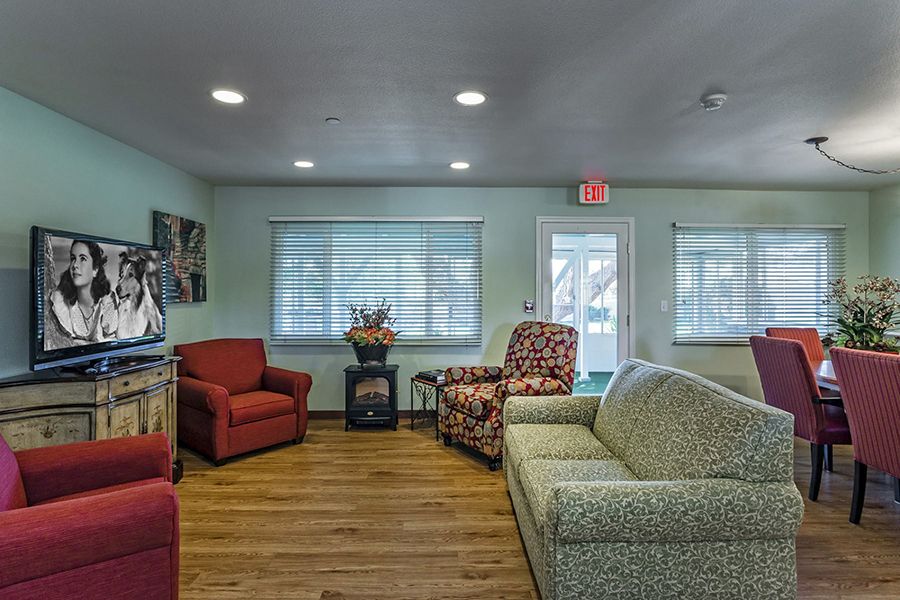
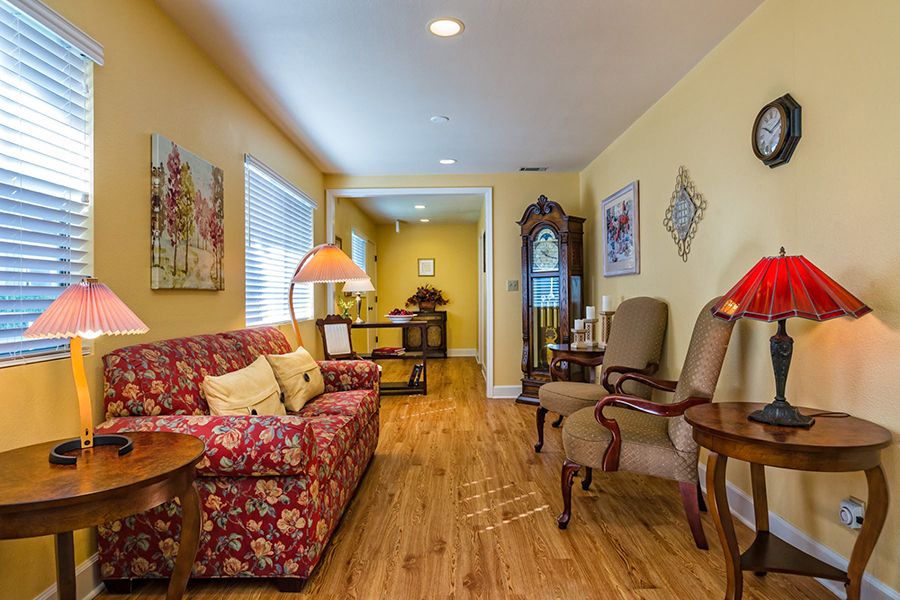
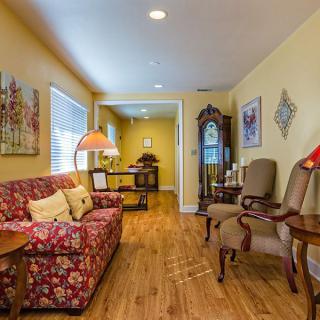
 Friendship House has a distinctive quality of home.
- The staff are warm and welcoming.
- The community is engaging.
- The environment feels uplifting and well tended.
- Friendship House is a caring memory-care community.
- The management and staff are amazing.
- They made Grandma's room welcoming and comfortable from day one.
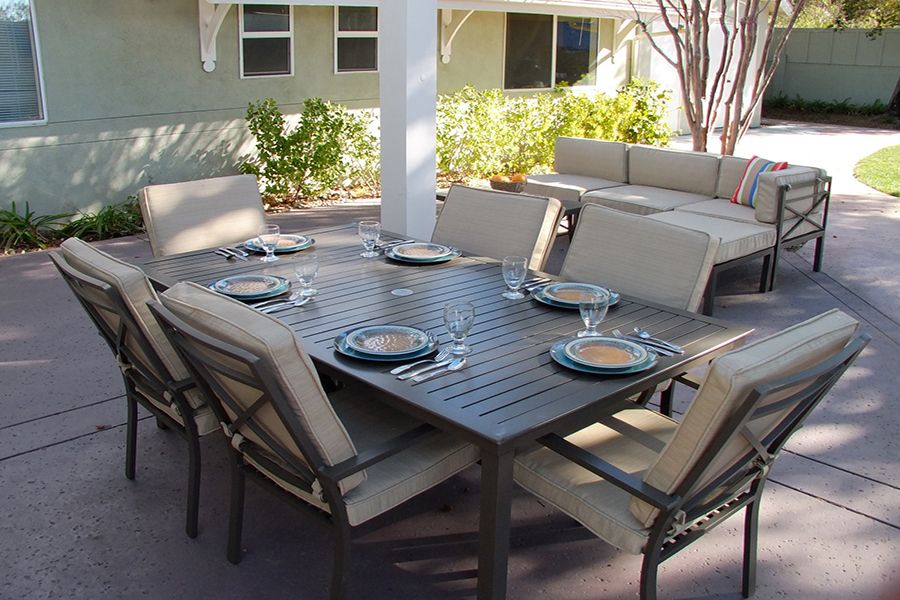
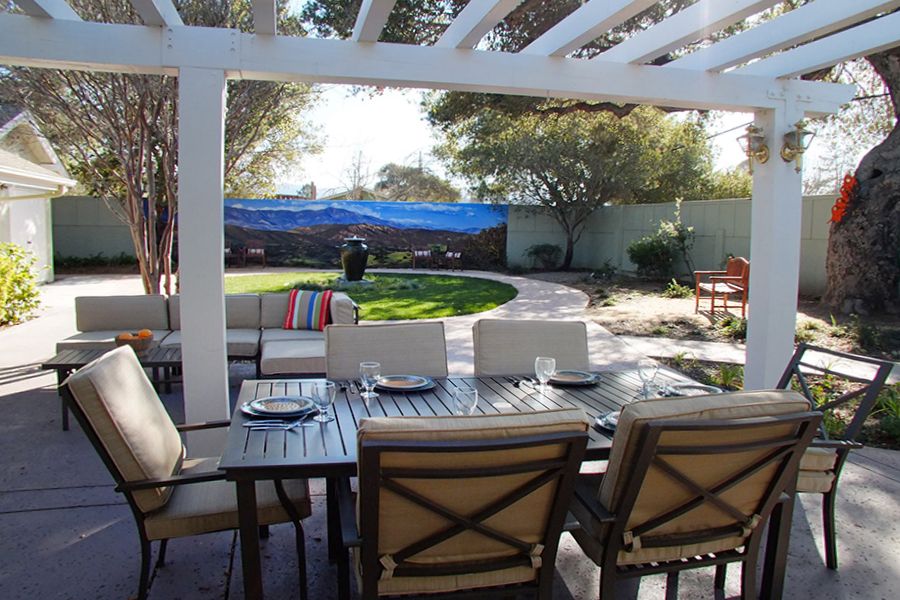
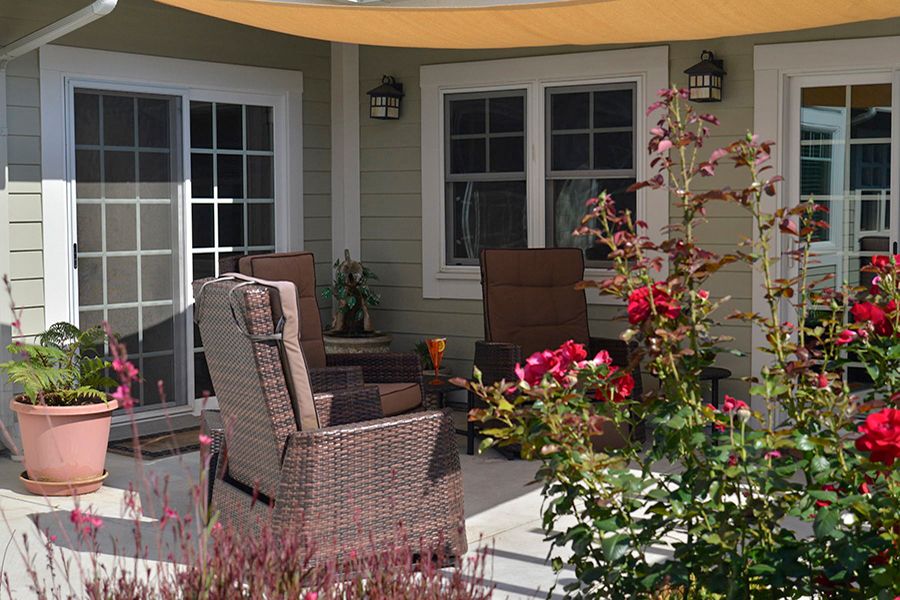
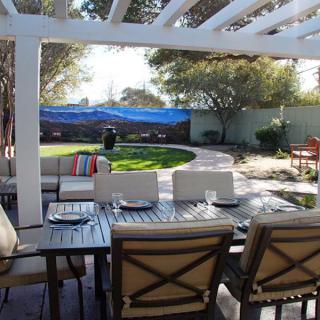
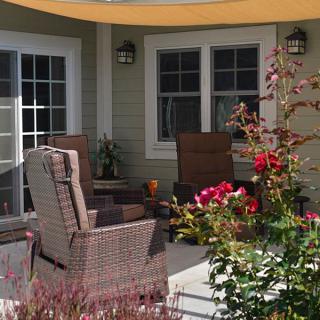
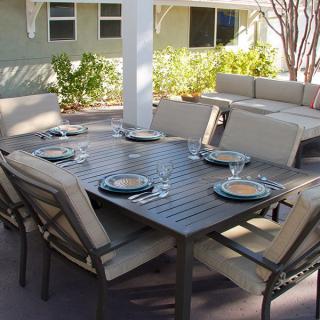
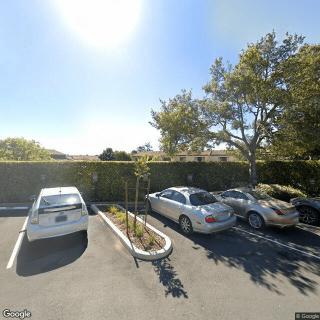
- The grounds are lovely and well maintained, with lots of flowers and foliage.
Cons
 It felt like it was much more advanced than what his dad needed.
- Most of the people there were completely non-functioning, so it didn’t feel like a good fit.
- The rooms were very small, and the facility itself was just very small.
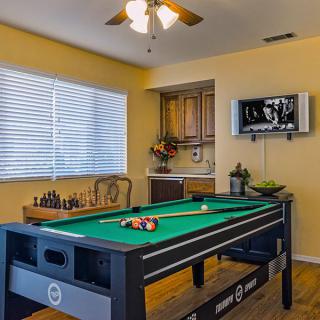
- It wasn’t the place for someone who still wants entertainment.
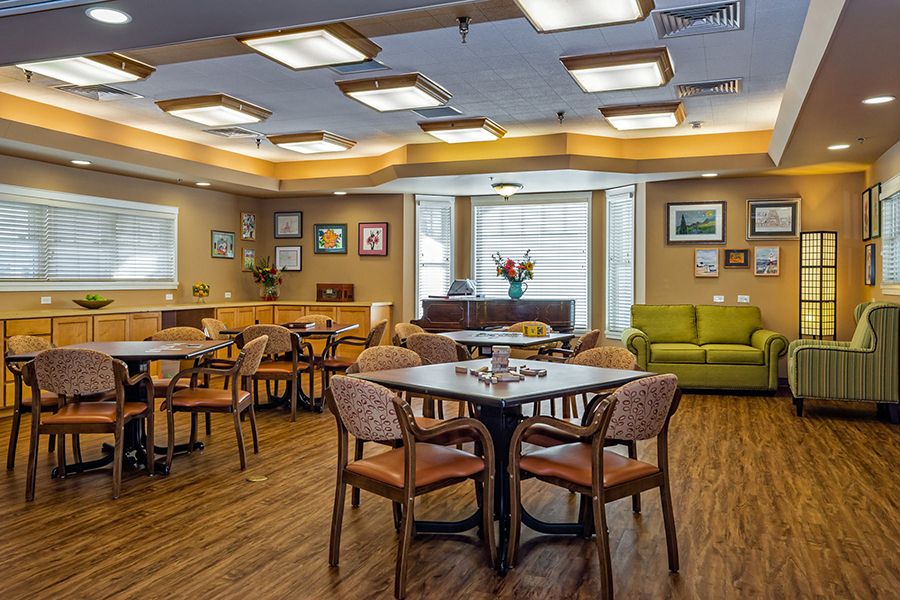
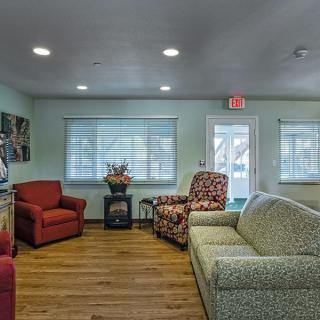
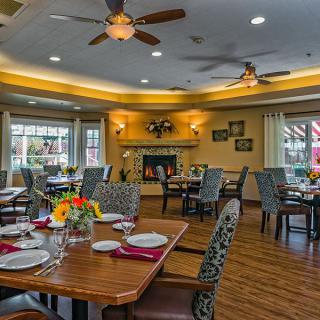
- The pictures on the website looked nicer than it did in person.
- It didn’t feel like a retirement community.
- It was a place for people who need lots of constant help.
Review
Solvang Friendship House in Solvang, California, is best suited for seniors who need substantial daily support and memory-care supervision, and for families that prize a warm, home-like atmosphere with consistently attentive staff. The community stands out for residents who benefit from structured care, reassuring supervision, and the sense that caretakers form a stable, trustworthy presence around the clock. It is a setting where dignity, safety, and personalized attention are the primary currency, and where visits from loved ones are accommodated and respected as part of the care plan.
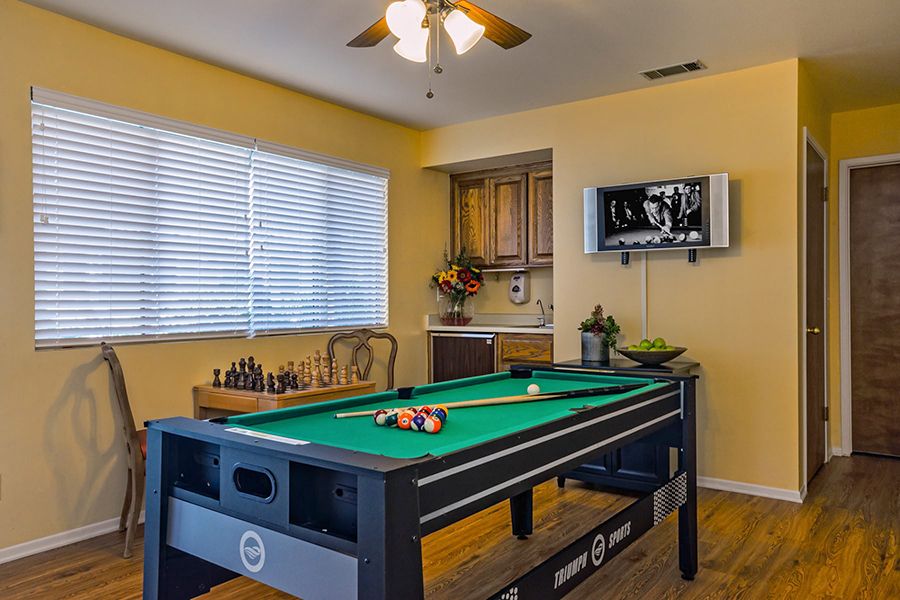
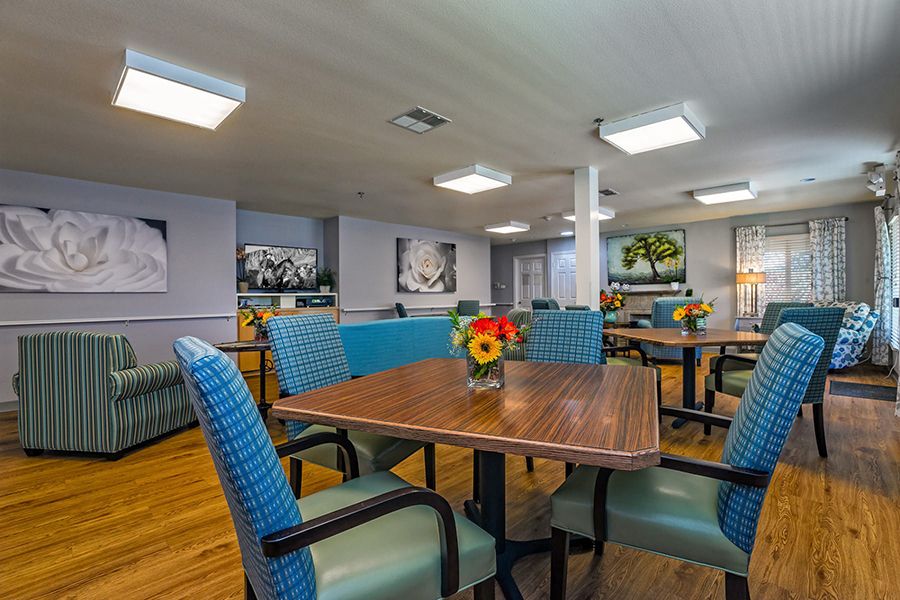
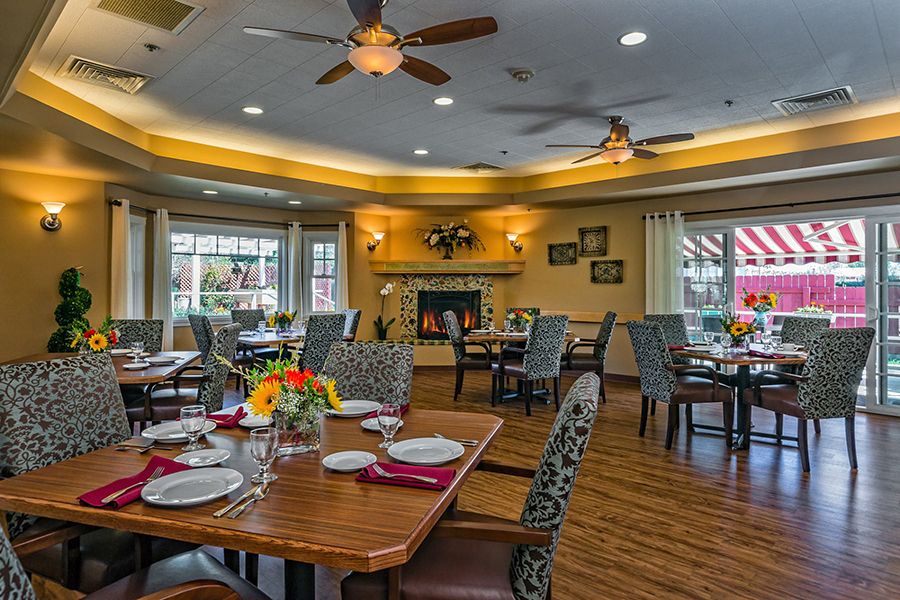
Those weighing alternatives should note who may want to look elsewhere. Families seeking a more independent, activity-rich retirement vibe may find Friendship House too containment-oriented and not oriented toward high-energy programming or entertainment. The floor plan and dining options are described as small, and at least one visitor felt the environment was “a higher level of care” rather than a traditional retirement community. For seniors who still crave abundant social events, sizable living spaces, or a broader sense of independent living, other options may align better with expectations.
The strongest pros center on the staff and the overall care philosophy. Residents benefit from a warm, welcoming team that treats families and loved ones with consideration, making rooms feel inviting from day one and prioritizing individualized comfort as mobility changes. The staff’s professionalism translates into consistent, well-coordinated care, with families noting smooth visitation arrangements and ongoing responsiveness to changing needs. The management’s competence shines through in the way care plans are executed and in the steady, disciplined operation of daily life within the community.
Another clear advantage is the environment itself: well-tended grounds with a calm, safe vibe that offers peace of mind. The facility presents a dignified setting where residents can remain comfortably oriented and protected, even as their functional needs evolve. The existence of memory-care–specific care routines and the ability to keep loved ones close through visits or short outings further bolster confidence that the community can sustain meaningful, person-centered care over time. The presence of a connected day-service option and other services nearby also helps families stay engaged without sacrificing continuity of care.
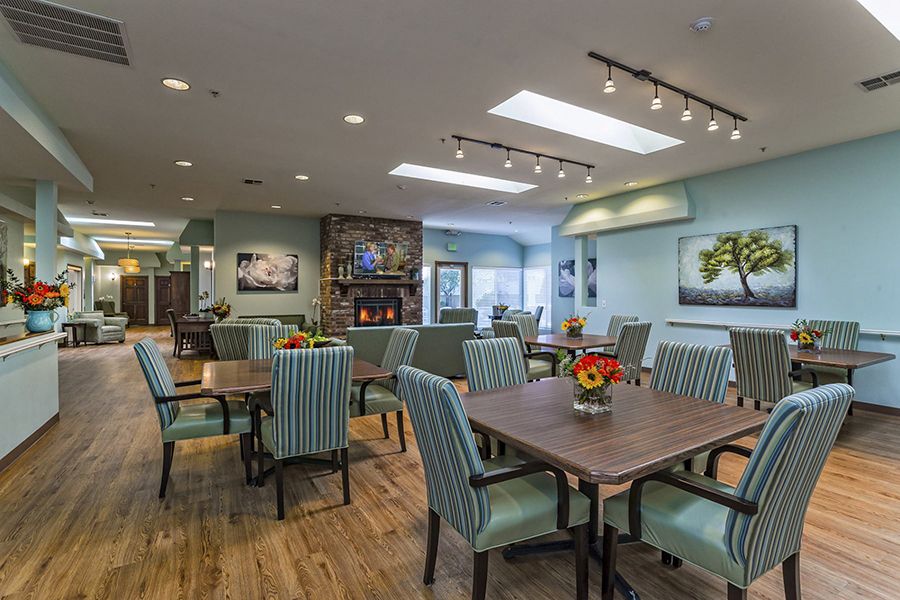
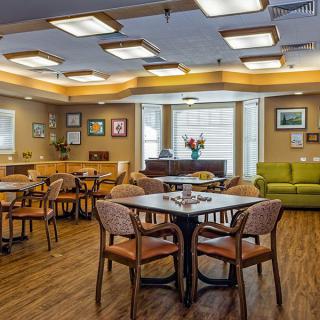
Yet certain limits temper the enthusiasm. The living spaces tend to run smaller than what some families expect for long-term dreams of “home, sweet home,” and the dining area mirrors that compact footprint. For residents who prize a bustling activity calendar, there may be a gap between expectations and daily life, since this model evidently emphasizes steady, intensive care over high-frequency entertainment. The inescapable conclusion is that Friendship House excels when the priority is high-level supervision and compassionate, professional care, but it may feel restrictive to those seeking a more expansive, activity-rich, retirement-community experience.
In practical terms, Solvang Friendship House earns its keep for families prioritizing safety, consistent caregiving, and a nurturing, memory-care–focused setting. The key decision hinges on aligning resident needs with what the community most effectively delivers: high-quality caregiving, a homey atmosphere, and a staff that feels like an extension of family, rather than a purely social, independent-living environment. For residents requiring significant assistance who value stability and a caring touch, this is a strong, well-regarded option. For those chasing more entertainment, larger private spaces, or a more independent lifestyle, clear-eyed consideration of alternatives is advised after a visit and direct conversations about programming, room sizes, and activity scheduling.
 40 resident community capacity
 1-bedroom apartments
 Assisted Living
 Memory Care
 Cats allowed
 Dogs allowed
 Activities off-site
 Beautician on-site
 Cable or satellite TV
 Devotional services off-site
 Dining room
 Fully furnished
 Garden
 Housekeeping services
 Indoor common areas
 Kitchenette
 Move-in coordination
 Outdoor common areas
 Respite or short term stays offered
 Restaurant-style dining
 Small library
 Telephone
 Wheelchair accessible showers
 Wi-Fi/high-speed internet available
 Santa Barbara Municipal (19 miles away)
 24-hour call system
 Assistance with bathing
 Assistance with dressing
 Assistance with transfers
 Diabetes diet
 Diabetic care
 Incontinence care
 Medication management
 Mental wellness program
 Special dietary restrictions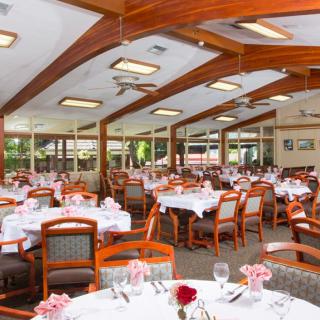

 8 Key Indicators That Suggest It May Be Time to Transition from Assisted Living to Skilled Nursing Care
 Nourishing the Mind: Essential Dietary Approaches for Dementia
 Understanding Dementia Behaviors: Practical Insights and Strategies for Caregivers