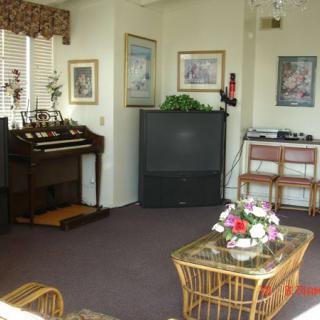
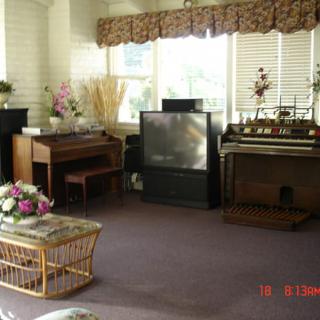
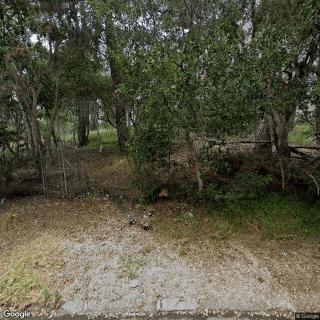
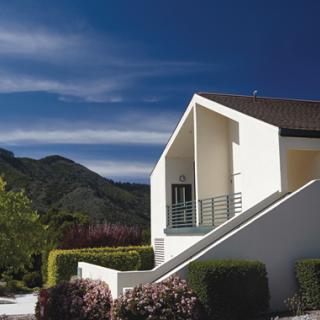
555 Francis Avenue, Seaside, CA 93955
For more information about senior living options: (866) 208-4318
Anjelica's Villa Costs & Pricing
Anjelica's Villa offers competitive pricing for its accommodation options, particularly when compared to both Monterey County and the broader California state averages. The cost of a semi-private room at Anjelica's Villa is set at $3,200 per month, which is notably lower than the Monterey County average of $3,561 and slightly more affordable than California's state average of $3,333. For those considering studio apartments, Anjelica's Villa charges $4,900 monthly; while this figure exceeds the county's average of $3,761 and closely aligns with the state average of $4,145, it reflects the unique amenities and services that residents can expect at this esteemed facility. Overall, Anjelica's Villa presents a balanced value proposition in the context of local and state pricing trends.
| Floor plans | Anjelica's Villa | Monterey County | California |
|---|---|---|---|
| Semi-Private | $3,200 | $3,561 | $3,333 |
| Studio | $4,900 | $3,761 | $4,145 |
Memory care communities with a similar price nearby
-
from +$595 / mo

Ivy Park at Salinas
$3,795 to $5,195 / month11.0 miles away -
from -$200 / mo
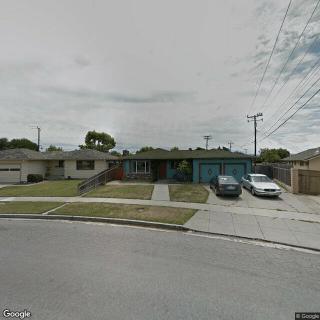
Songbird Care Home
$3,000 to $4,000 / month13.2 miles away -
from +$200 / mo

Montecito Manor
$3,400 to $4,500 / month22.9 miles away -
About the same
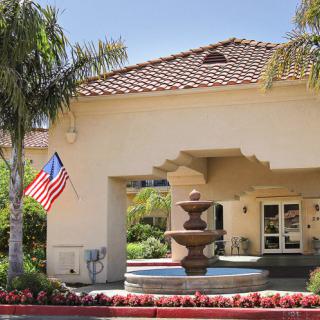
Vista Harden Ranch
$3,195 to $4,595 / month13.5 miles away -
from -$190 / mo
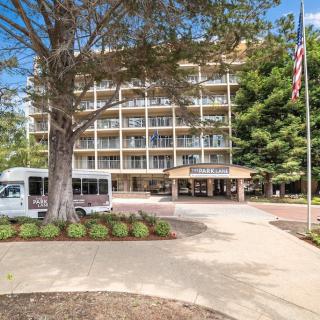
The Park Lane
$3,010 to $5,965 / month2.3 miles away
Overall Review of Anjelica's Villa
Pros
 Sonia is very patient, helpful, kind, and caring.
- Sonia was very helpful during the guest’s mother's stay.
- Anjelica's Villa has a caring staff and an A+ Administrator.
- The administrator involves the family in the care of their clients.
- The administrator communicates the clients' needs, and the staff listen to what the clients have to say.
- The facility is exceptionally clean, and there is always someone to provide assistance to those who need help.
- The facility was truly a life saver.
Cons
 A virtual tour was the only option due to covid.
- The mother developed pneumonia, which she did not have prior to entering the villa.
- There were not many activities.
- There was not much physical activity going on.
Review
Anjelica's Villa in Seaside is best suited for families that value a small, tightly run community where staff responsiveness, hands-on family involvement, and a pristine, calm environment define daily life. It works well for seniors who need dependable assistance with everyday tasks but do not require intensive medical intervention or a robust, on-site activity calendar. The strongest appeal lies in a compassionate staff and an administrator who actively engages families in care decisions, backed by consistently clean facilities. For households prioritizing transparent communication and a home-like atmosphere over lavish programming, this villa delivers.
Those who want vigorous daily programming, frequent physical activities, or specialized memory care should consider alternatives. If a loved one benefits from a wide calendar of social events, structured fitness activities, and close medical oversight, the current offering here may feel limited. The somewhat lean activities line-up means mood and engagement can dip for residents who thrive on regular, varied stimulant, be it movement classes, group outings, or cognitively oriented programs. In short, this setting excels on care attentiveness and cleanliness, not on activity breadth.
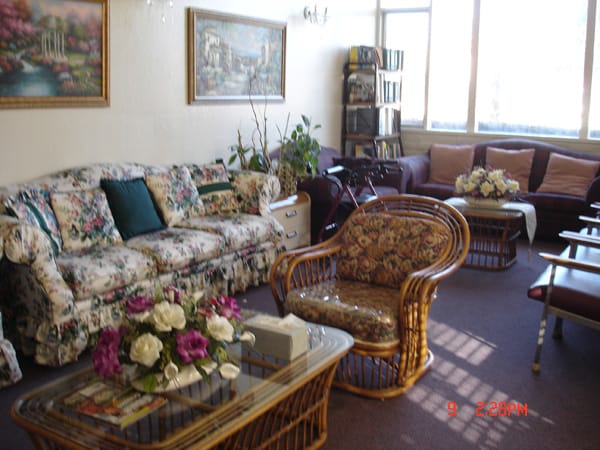
The balance of pros versus cons tilts decisively toward dependable, people-first care. Stories from families highlight a genuinely caring staff, with Sonia singled out for patience, kindness, and practical help during a loved one’s stay. An administrator described as A+ not only runs a tight, clean operation but also makes family voices central to care planning, ensuring needs are translated into action. The cleanliness is repeatedly cited as top-tier, and the implication is that staff are consistently available to assist those who need help. That combination, empathetic front-line care, strong leadership, and a supportive, sanitary milieu, can offset a number of operational gaps, especially for families seeking reassurance and straightforward oversight.
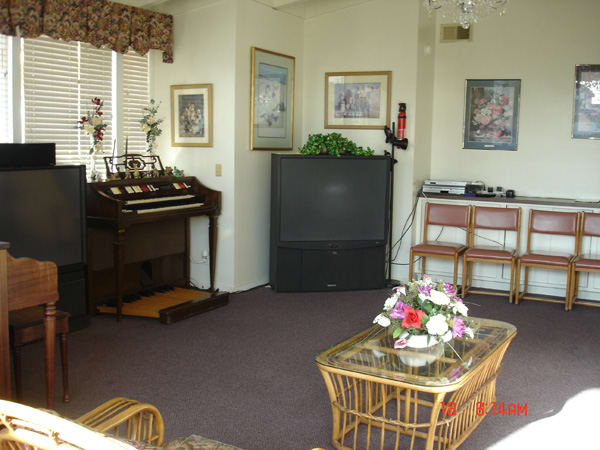
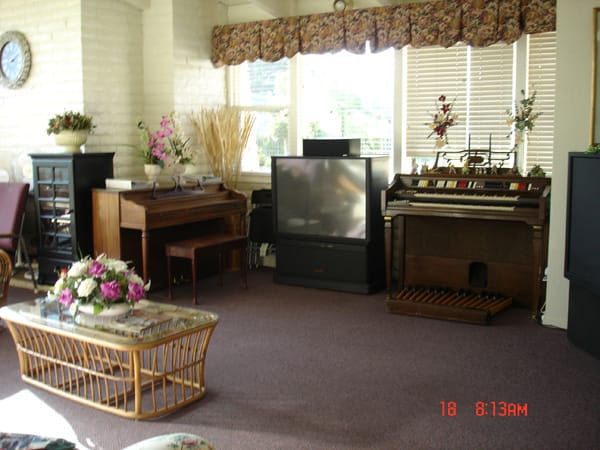
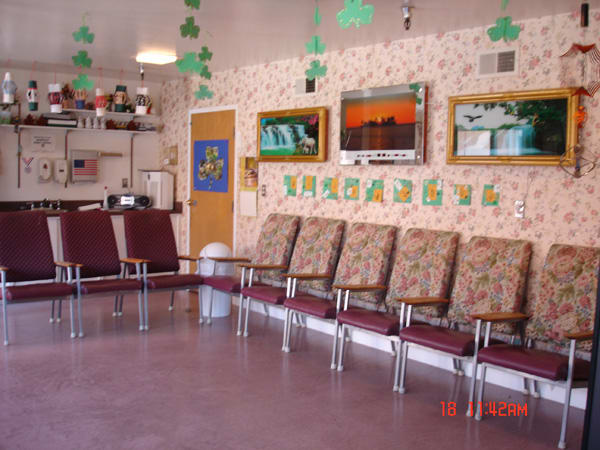
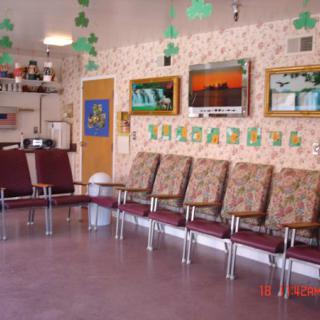
Nevertheless, the tall, clear downside is the subdued activity landscape. A rec room with a TV and limited physical programming translates into fewer everyday opportunities for movement, social connection, and structured engagement. For seniors who rely on daily stimulation to maintain mobility or who crave a bustling social scene, this can become a meaningful constraint. The positive, person-centered culture helps a great deal, but it does not fully compensate for the lack of built-in, proactive activities. A separate note from one family mentions a health incident, pneumonia in a parent while enrolled, which underscores the importance of robust medical oversight and infection-control vigilance, even in well-run, clean environments. It’s not a verdict on care, but a reminder to assess medical staffing and response plans as part of the decision.
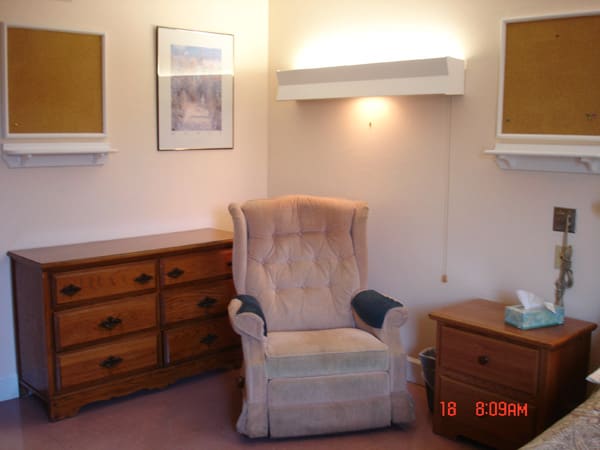
From a practical decision-making standpoint, prospective residents should use a focused set of questions during tours: how care plans are created and updated with family input; what nursing and physician availability looks like on a daily basis; how medication management is handled; what specific activities are available and whether they can tailor a program to individual interests. Inspect the dining experience and menu variety, the intimacy of the living spaces, and the degree of resident autonomy versus staff-assisted routines. Request concrete examples of how staff involve families in care reviews, and seek current resident references to gauge consistency beyond the glowing anecdotes. The standout cleanliness and the administrator’s hands-on approach should not be overshadowed by the sparse activity calendar; rather, they should be weighed against a family’s tolerance for program depth.
In the end, Anjelica's Villa offers a solid, caregiver-focused option with a high standard of cleanliness and a leadership culture that invites family participation. It is a prudent choice for families who prize reliable daily support, transparent communication, and a warm, respectful atmosphere over must-have programming or specialized medical services. For households that prioritize active, expansive social programs, frequent physical activity, or memory-care capabilities, it is sensible to compare with alternatives that foreground those elements. The best path is a candid tour, an explicit read on care planning processes, and a clear check on medical oversight, then align those findings with the loved one’s personal needs and daily rhythm.
 40 resident community capacity
 Assisted Living
 Memory Care
 Respite Care
 Activities on-site
 Beauty salon
 Cable or satellite TV
 Devotional services off-site
 Dining room
 Fully furnished
 Garden
 Housekeeping services
 Indoor common areas
 Kitchenette
 Move-in coordination
 Outdoor space
 Restaurant-style dining
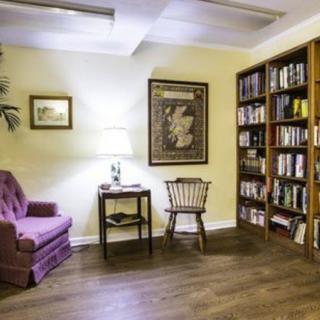
 Small library
 Telephone
 Wi-Fi/high-speed internet available
 Monterey Peninsula (1 miles away)
 24-hour call system
 Ambulatory care
 Assistance with bathing
 Assistance with dressing
 Assistance with transfers
 Diabetes diet
 Medication management
 Mental wellness program
 Special dietary restrictions


 8 Important Indicators That Memory Care May Be Necessary
 Delving into the Inner World of Dementia: Insights into Thoughts and Awareness
 Five Subtle Dementia Indicators to Observe: An In-Depth Guide to Understanding “Does My Mom Have Dementia?”