
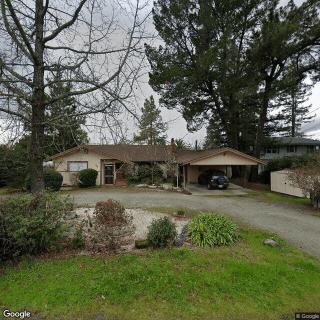
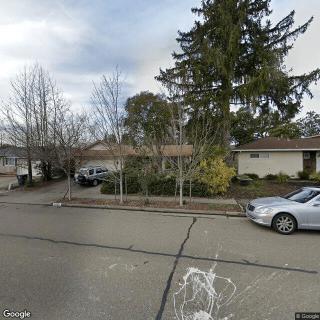
5200 Yerba Buena, Santa Rosa, CA 95409
For more information about senior living options: (866) 208-4318
Overall Review of Yerba Buena Residential Care Home
Pros
 Serenity Board and Care provided excellent care for four years.
- Helen, Joel, and the staff showed immense patience and kindness to residents.
- They always treated residents with respect and dignity.
- They were warm and loving and maintained a sense of humor.
- The home had a family feeling, with birthdays and holidays celebrated as a group with wonderful meals.
- Helen’s knowledge and experience helped the family advocate for residents with their doctors to receive appropriate care.
- The caregivers offered gentle, constant, and loving care, always delivered with humor and positivity.
- Birthdays and holidays at Serenity are beautiful, with festive decorations and real family events.
- Families never had to worry about their loved ones at Serenity, thanks to around-the-clock care.
Review
Yerba Buena Residential Care Home in Santa Rosa is best suited for families seeking a small, home-like setting where a loved one can receive full-time, compassionate care in the later stages of life. The care team, led by Helen and Joel Trinidad, delivers patient, respectful, and warm support that blends practical expertise with genuine warmth. In the experiences shared, residents were treated with dignity and humor, and birthdays and holidays became meaningful, communal occasions. The environment emphasizes a steady, personal touch over clinical bustle, with caregivers who understand aging changes and advocate alongside families to coordinate with physicians. This combination creates a reassuring atmosphere for families navigating difficult decisions.
Those with different needs may want to consider alternative options. If a setting demands a larger campus, a broader medical program, or specialized memory care with structured routines and onsite nursing, a bigger facility could be more appropriate. Families seeking a highly independent lifestyle with minimal supervision, or those requiring extensive rehabilitative services and a formal clinical environment, may find a small board-and-care home too limited. For loved ones needing aggressive medical management, frequent specialist visits, or a robust continuum of care within a hospital-like framework, exploring other communities makes sense.
The core strengths are unmistakable: profoundly patient and kind caregiving, steady oversight, and a deep respect for resident autonomy and dignity. The staff maintain a warm, family-oriented tempo, creating an environment where daily life feels personal rather than procedural. The setting supports emotional well-being through humor, festive gatherings, and communal meals that honor birthdays and holidays as shared milestones. Helen’s knowledge and experience shine in practical advocacy, helping families collaborate with doctors to secure appropriate treatment. The continuity of care, built on long-tenured relationships with residents and families, reduces anxiety and makes the aging journey less isolating. For families, this translates into confidence that a loved one is seen, heard, and cared for around the clock.
That warmth comes with trade-offs typical of a small home setting. The intimate scale means fewer on-site medical amenities and less of a hospital-like infrastructure; this is not a place for intensive rehab programs or highly specialized clinical services. Emergency coverage relies on the home’s caregiving team and external medical support, which can be a concern for families prioritizing constant on-site nursing. Yet these potential gaps are often offset by the strength of relationships and proactive communication. The same small footprint that can limit resources also fosters consistent staff assignments, deeper familiarity with routines, and quicker responsiveness to changing needs. The ability to coordinate with physicians, evident in the care plans and advocacy noted by families, helps ensure medical decisions stay aligned with the resident’s goals, preserving dignity even as needs evolve.
When evaluating Yerba Buena, families should ask targeted questions during visits: how staff-to-resident ratios are managed across shifts; how medications are administered and overseen; how care plans are developed, updated, and communicated to families; and what medical supports are readily accessible on-site or nearby. Inquire about routines for meals, social activities, and celebrations that sustain a sense of community. Given the emphasis on family involvement, discuss how family members participate in care discussions and goals, and how emergencies or rapid health changes are handled. Observing interactions and listening to how staff describe their approach will reveal whether the home’s warmth translates into reliable, professional care.
In practical terms, Yerba Buena Residential Care Home is a compelling choice for families seeking a warm, intimate, around-the-clock caregiving environment where staff combine professional competence with genuine affection. It suits loved ones who thrive in a stable, family-like setting and who rely on dedicated advocates who can coordinate with physicians and honor individual preferences. For families prioritizing expansive medical resources, rapid access to a wide array of therapies, or a denser care continuum, exploring larger facilities or dedicated memory-care communities is prudent. A visit to meet Helen and Joel will clarify fit and guide the next steps.
 6 resident community capacity
 Assisted Living
 Board and Care Home
 Cable or satellite TV
 Dining room
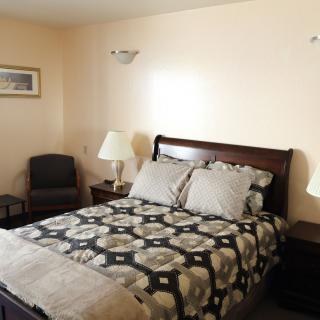
 Fully furnished
 Garden
 Housekeeping services
 Move-in coordination
 Outdoor space
 Telephone
 Wi-Fi/high-speed internet available
 24-hour supervision
 Activities of daily living assistance
 Assistance with bathing
 Assistance with dressing
 Assistance with transfers
 Diabetes diet
 Meal preparation and service
 Medication management
 Special dietary restrictions
 Transportation arrangement (medical)
 Transportation to doctors appointments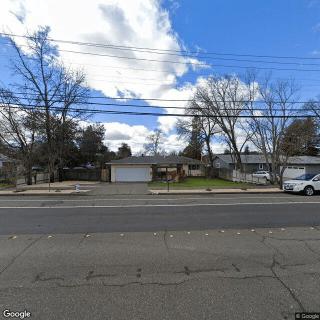




 Understanding the Distinctions: Assisted Living and Memory Care Explained
 Guiding Elderly Parents Who Refuse Assisted Living: 6 Practical Steps
 Your Comprehensive Guide to Luxury Assisted Living: Elevated Facilities, Amenities, and Costs