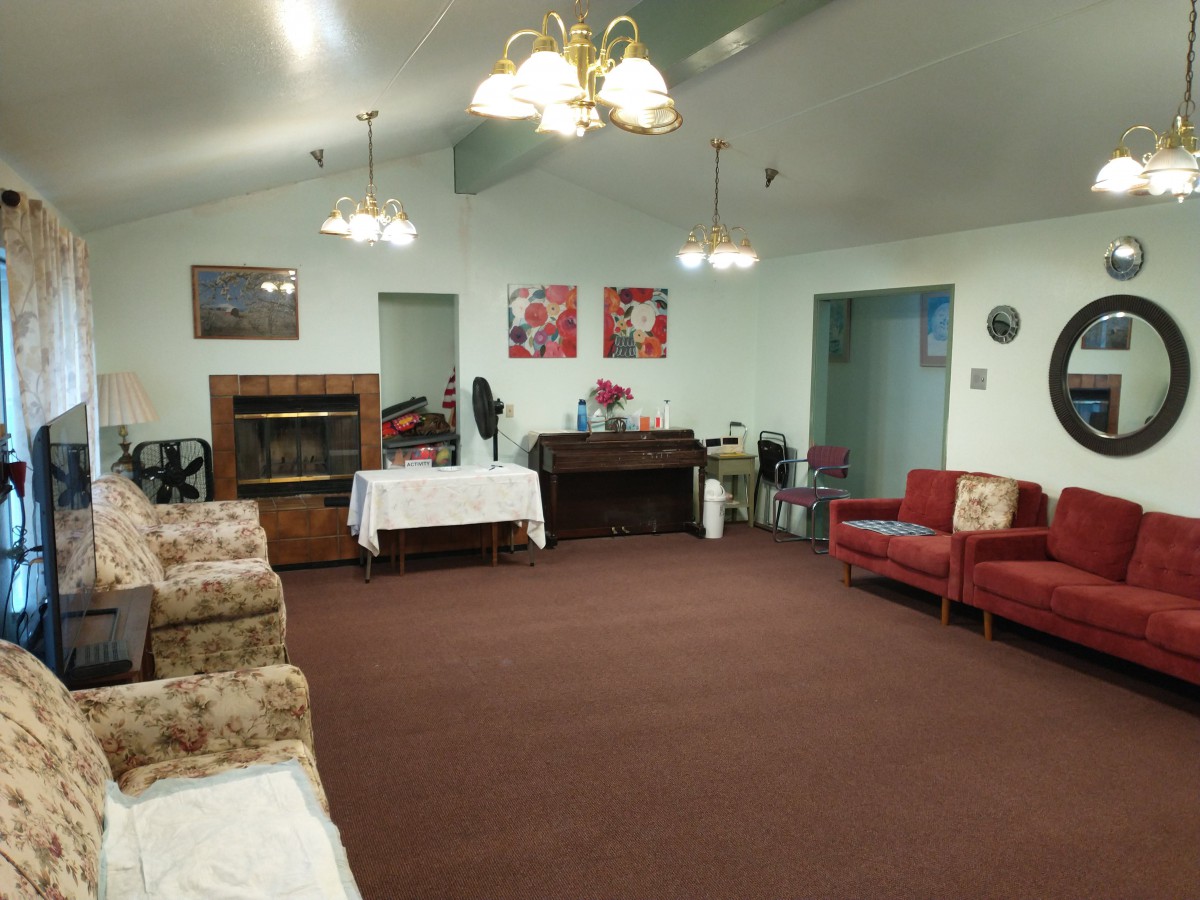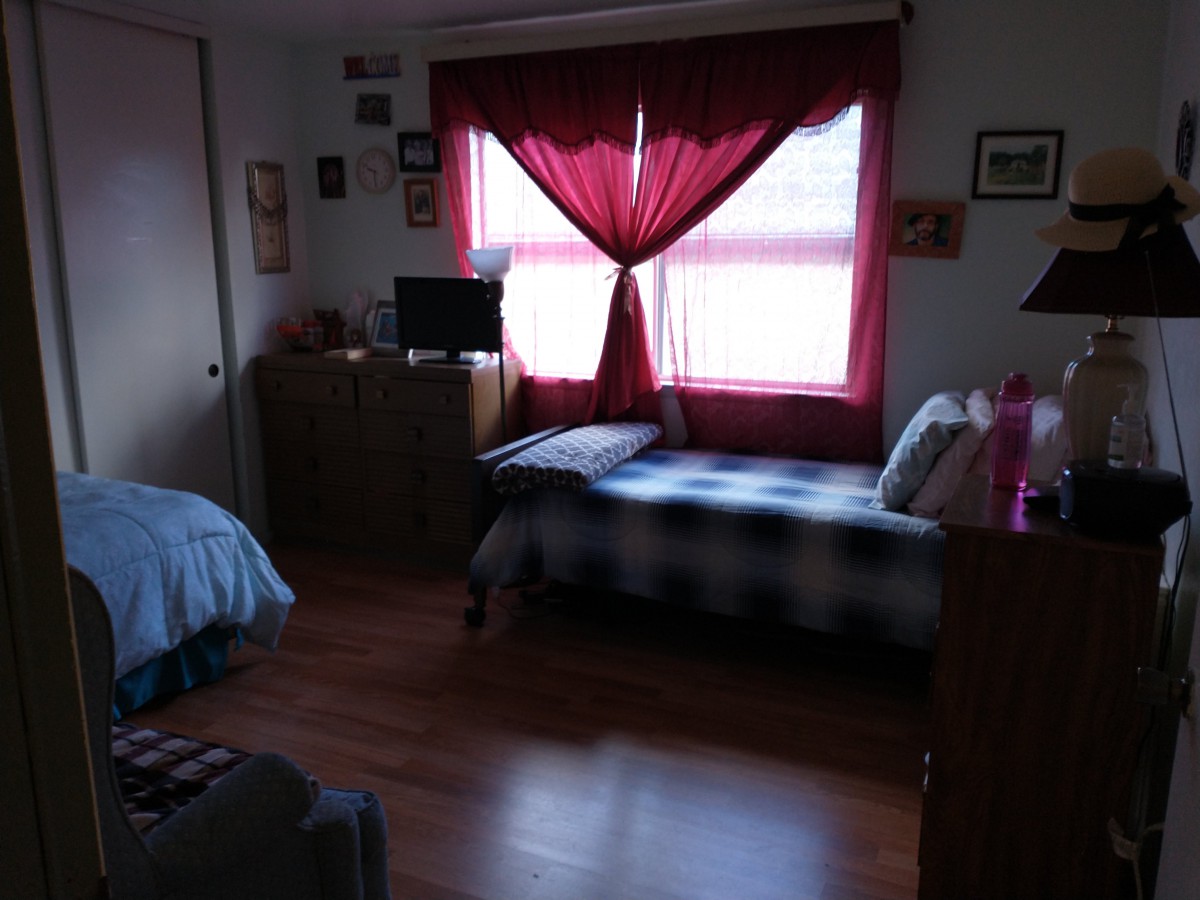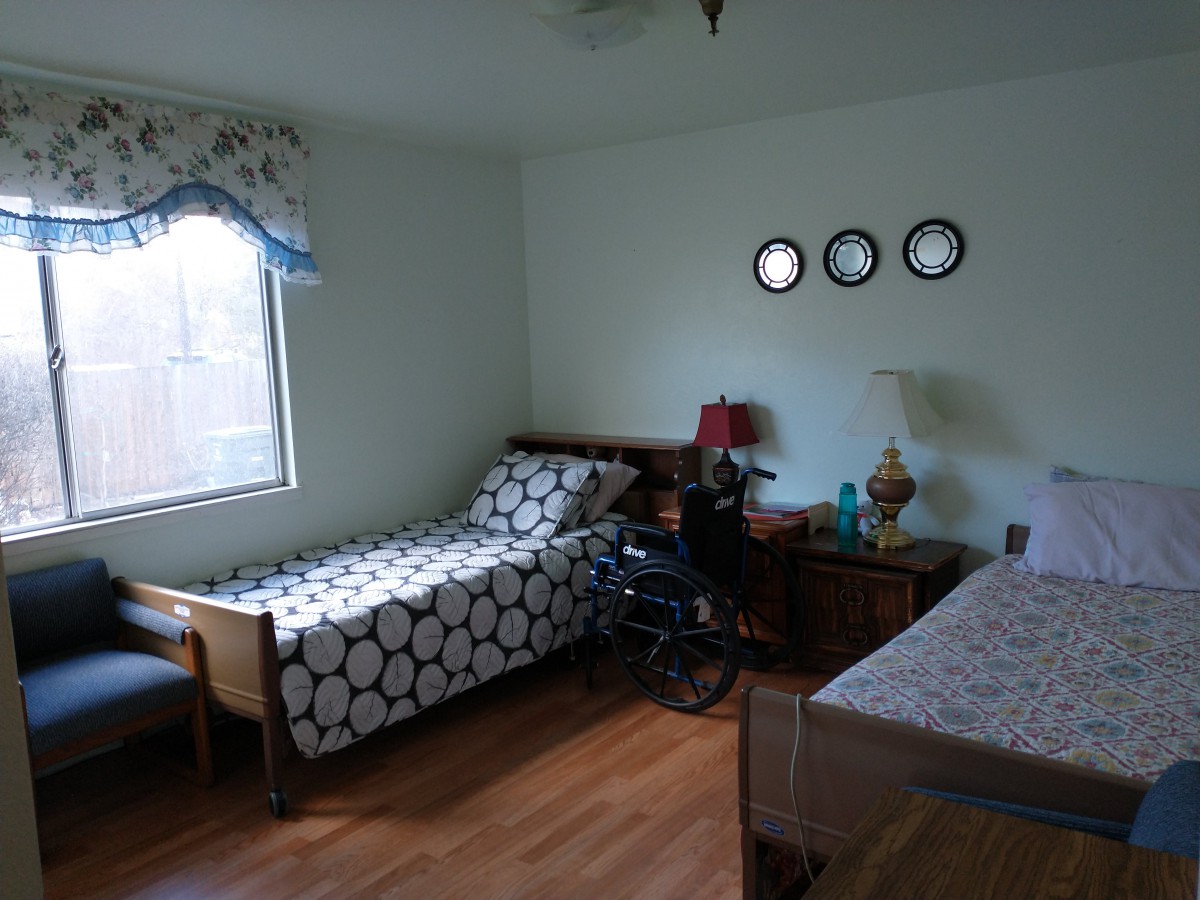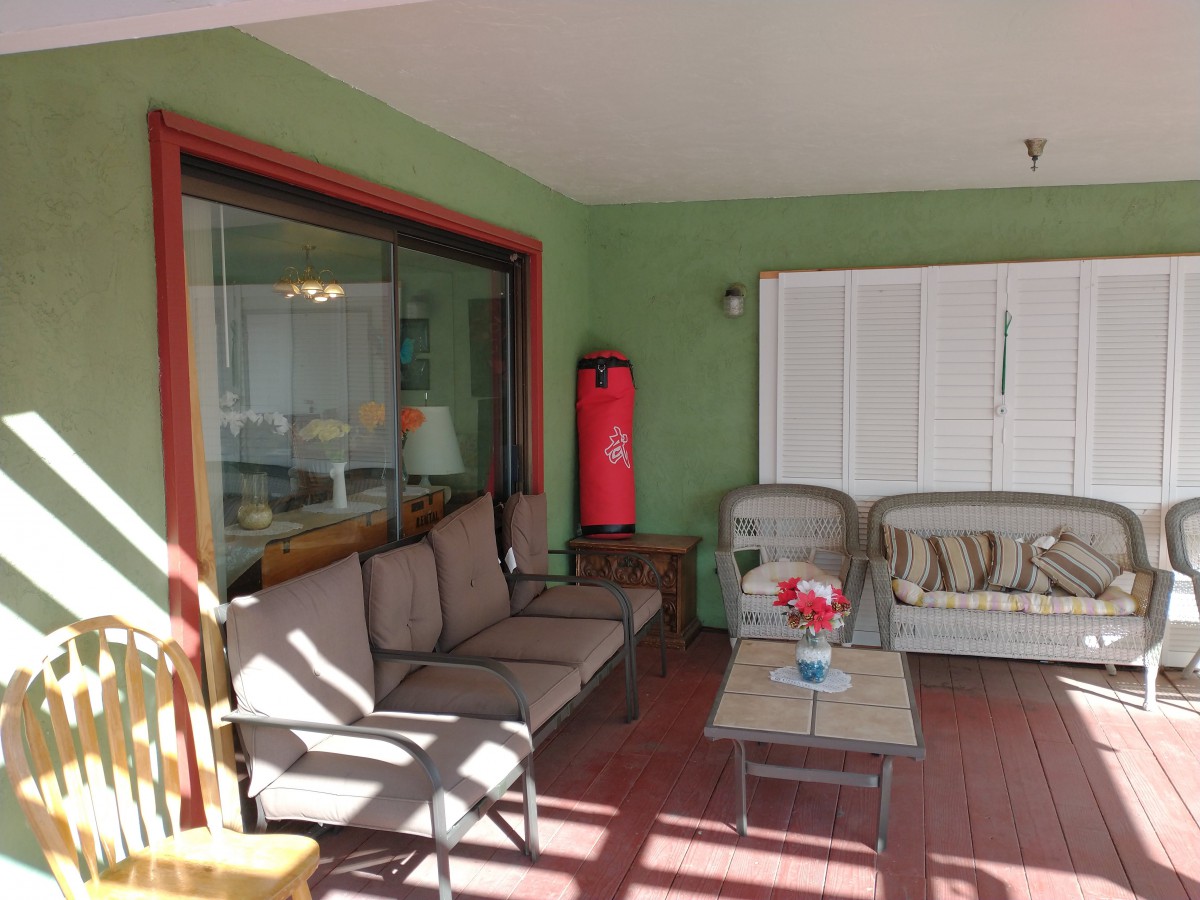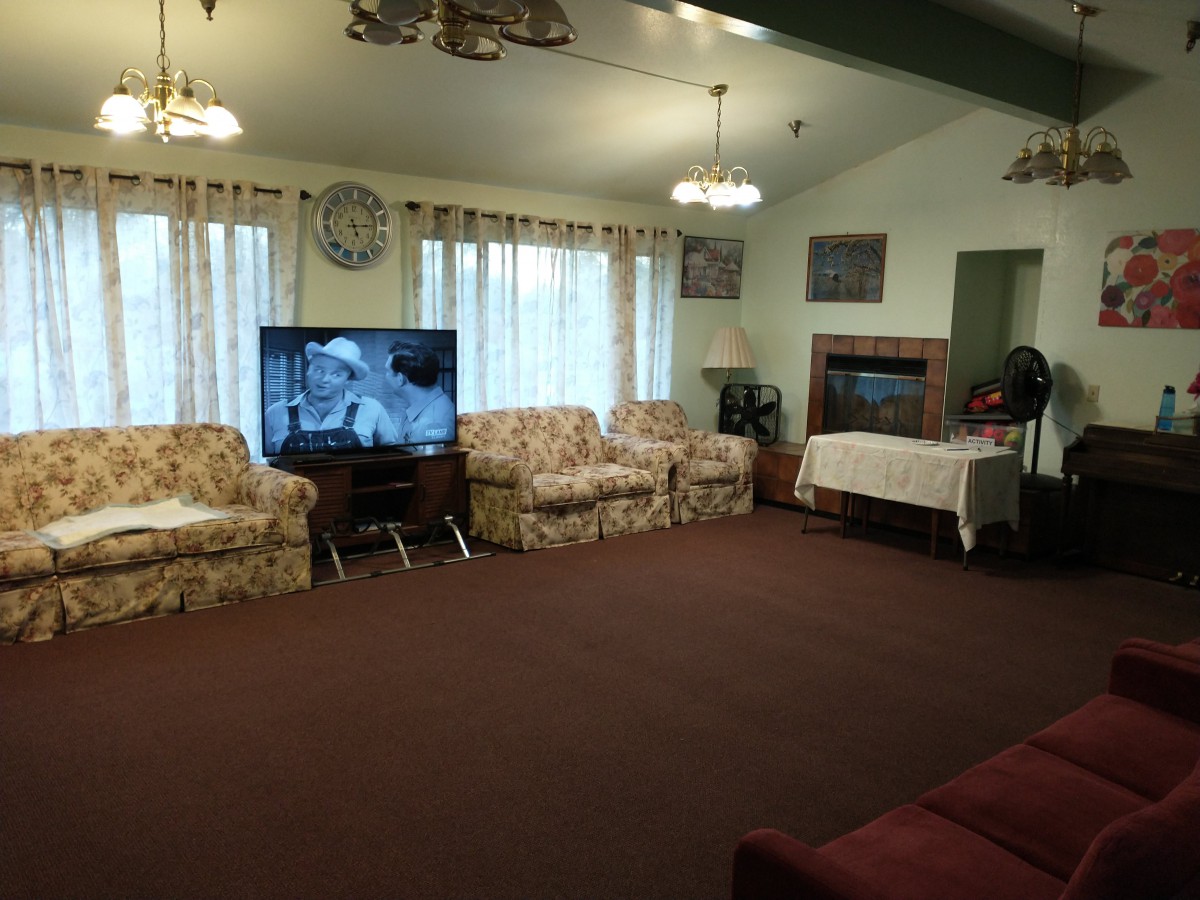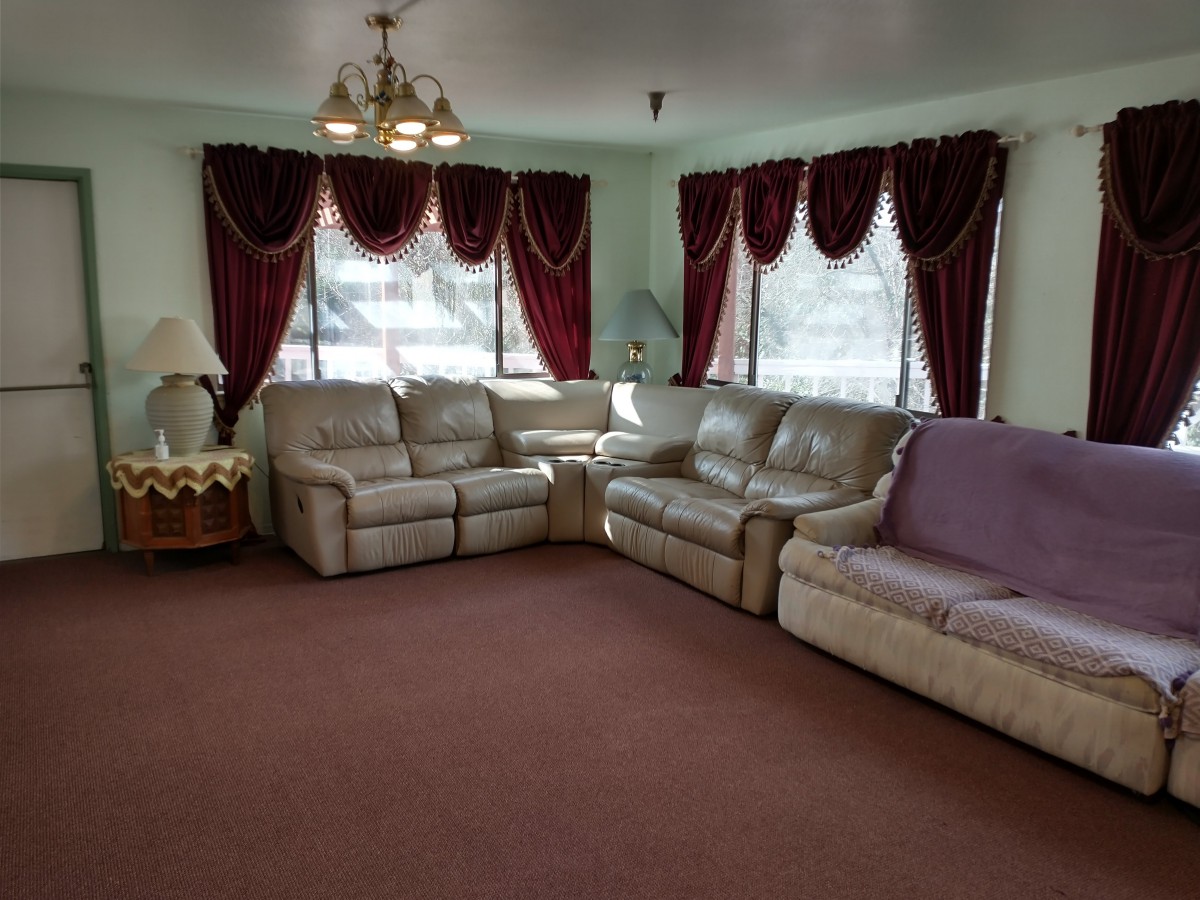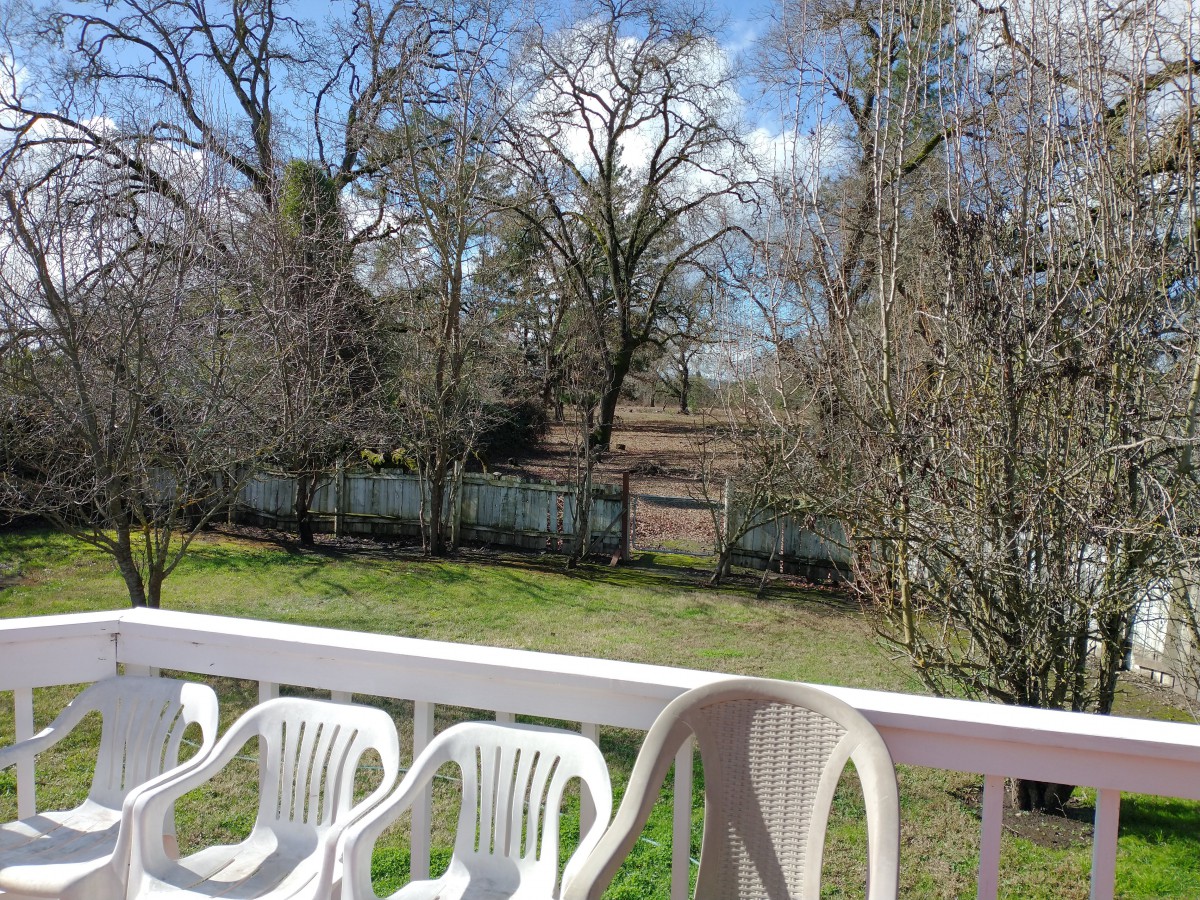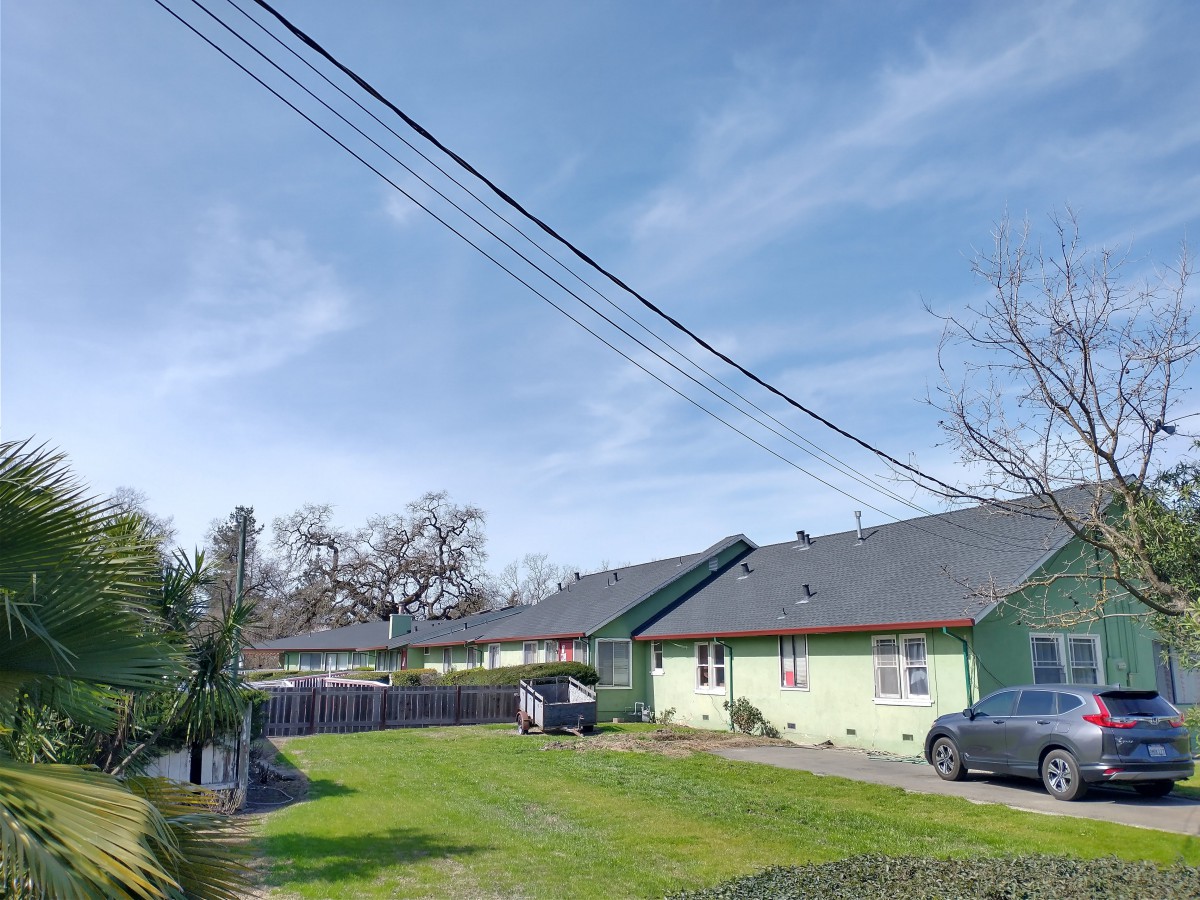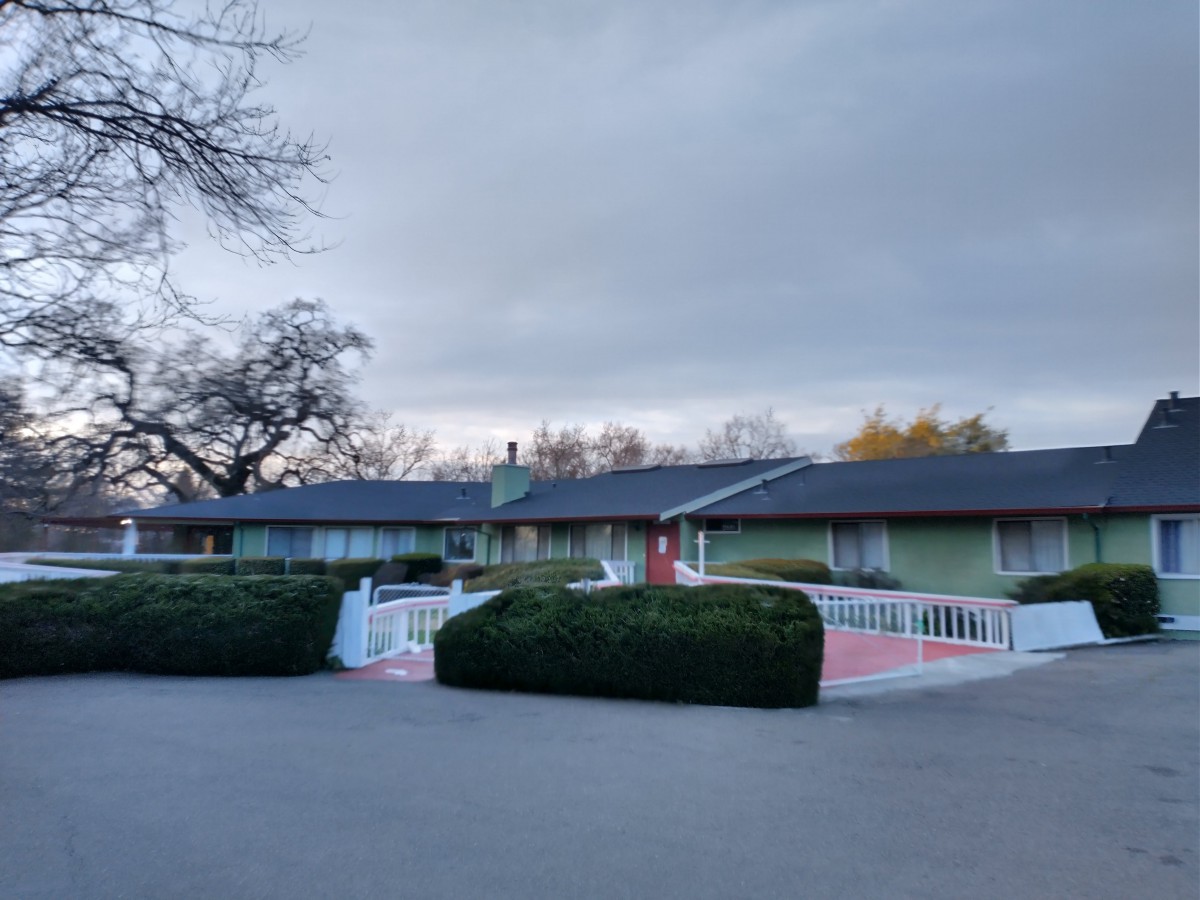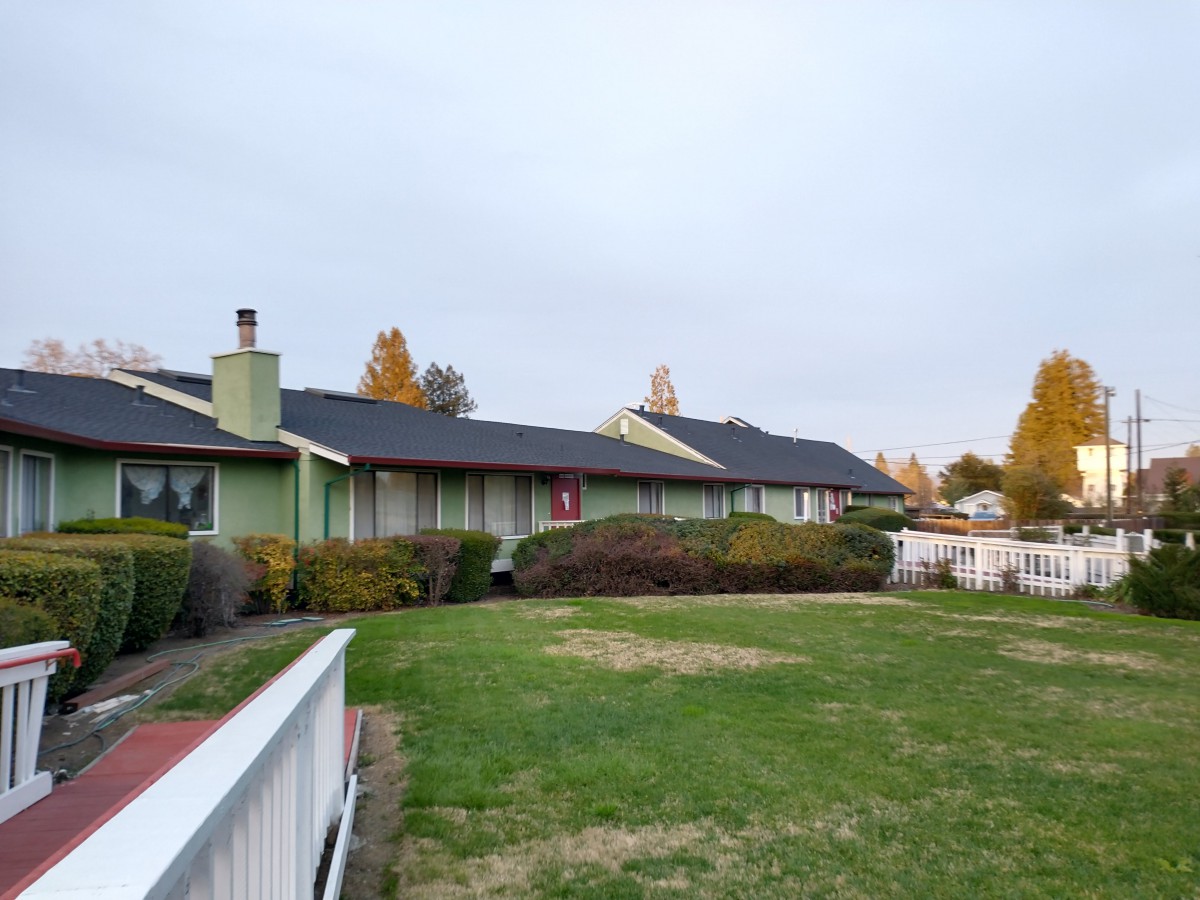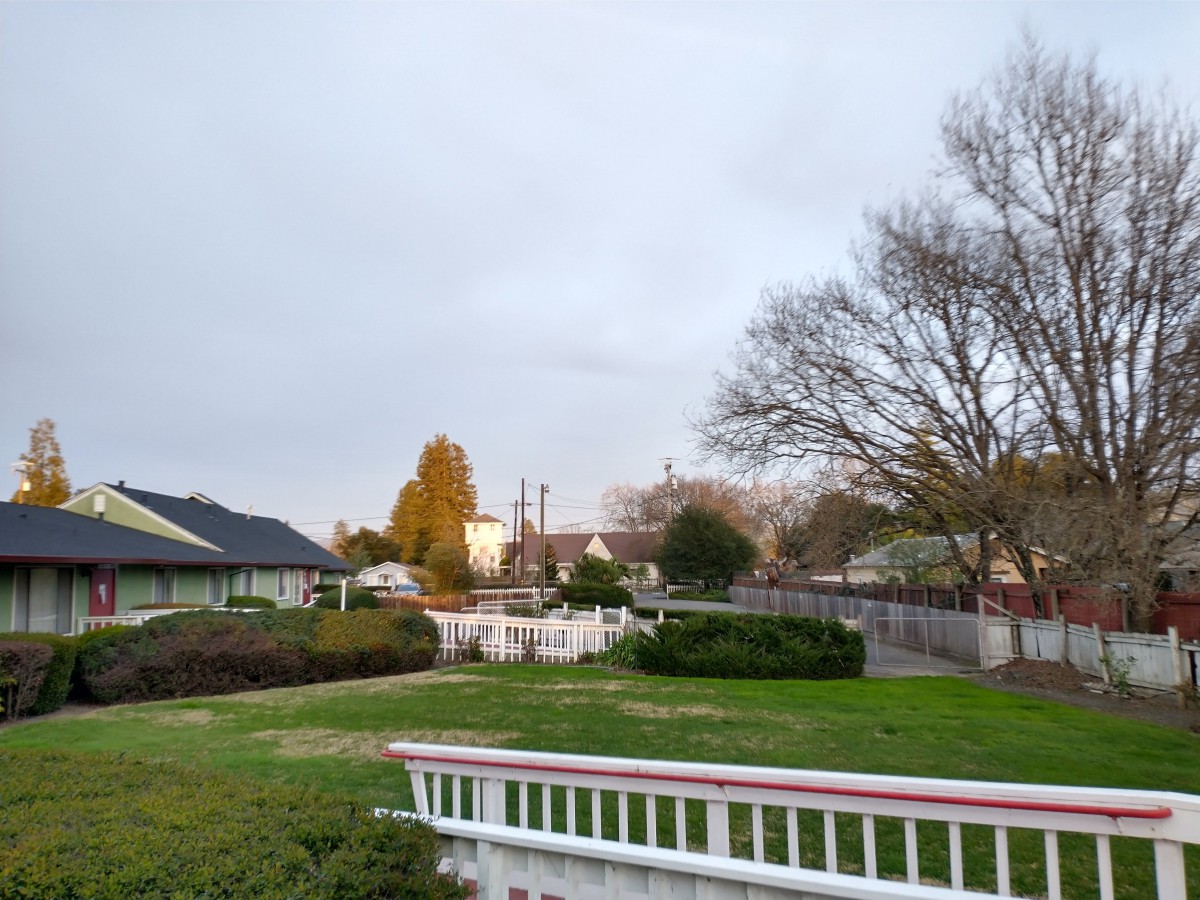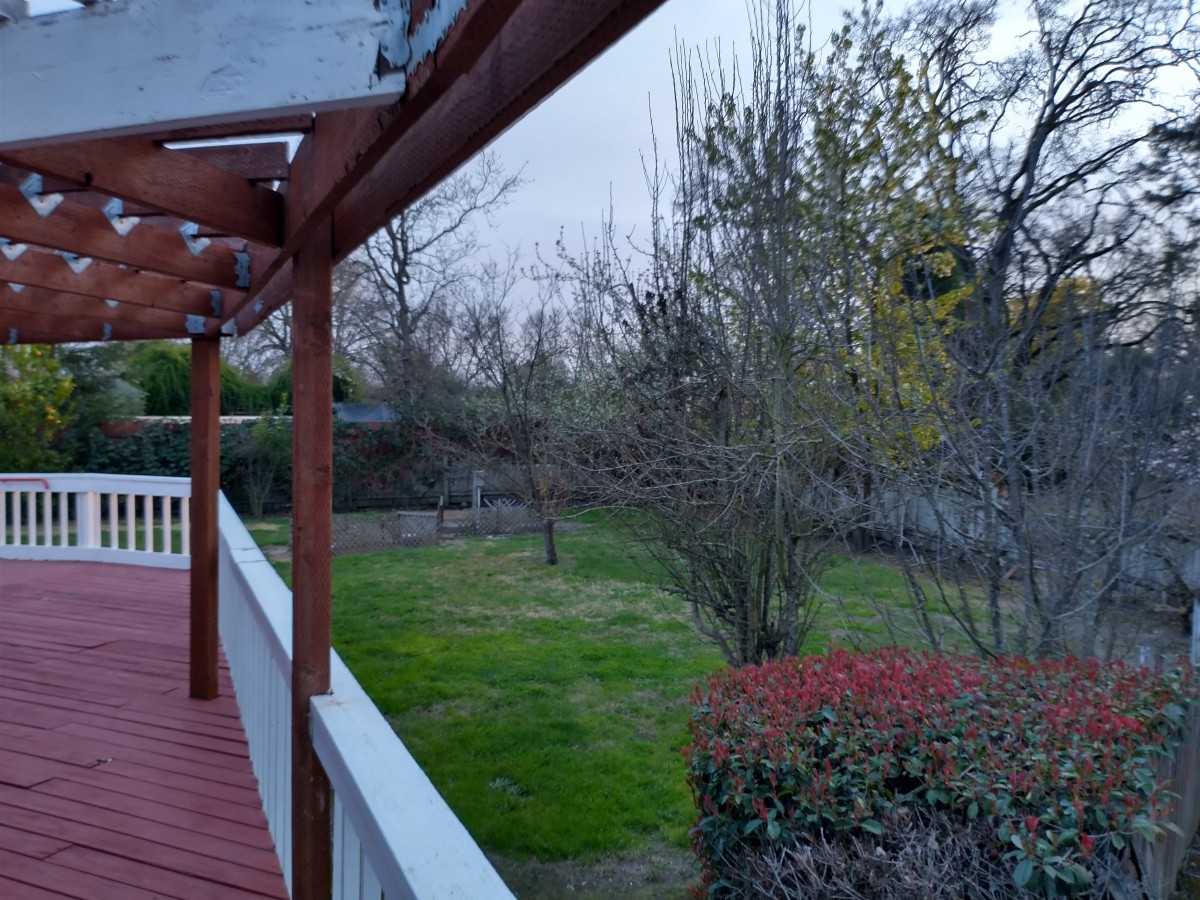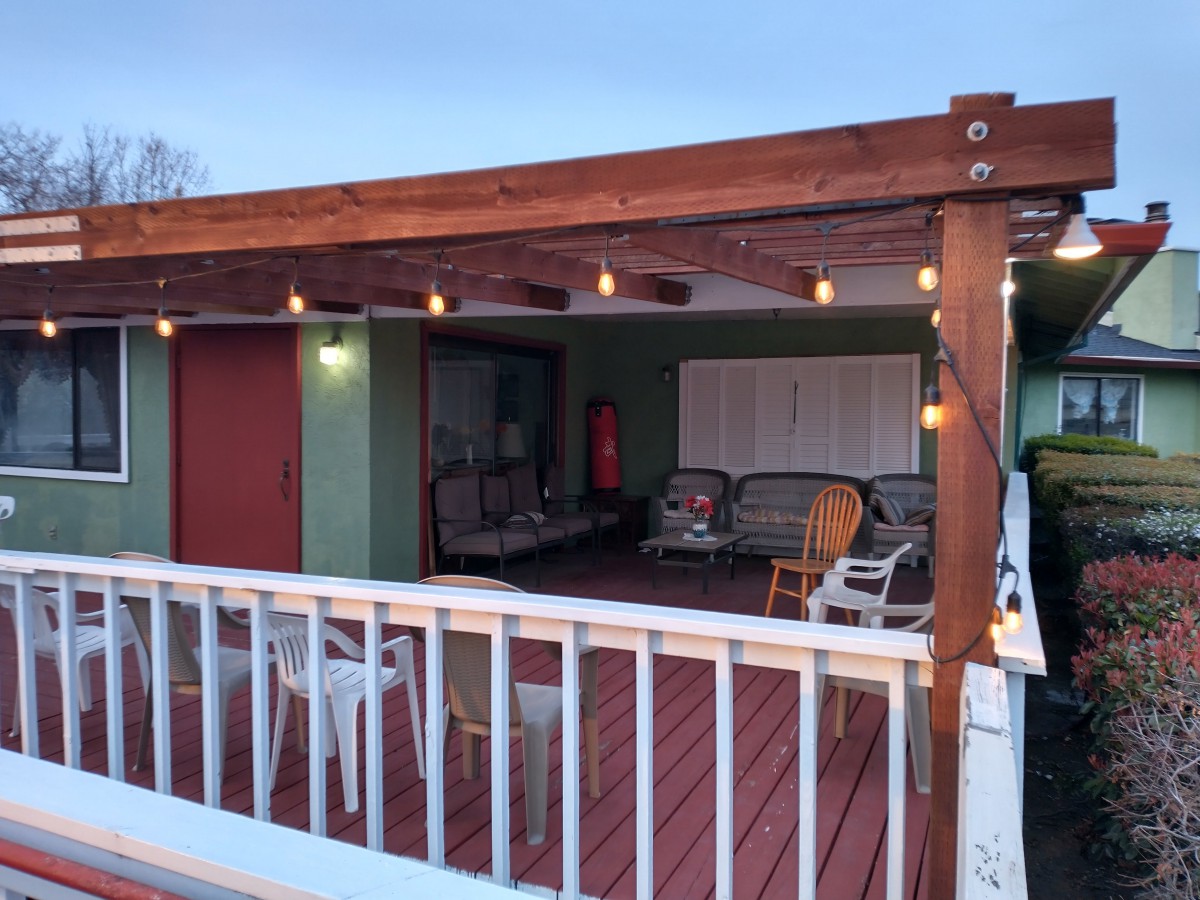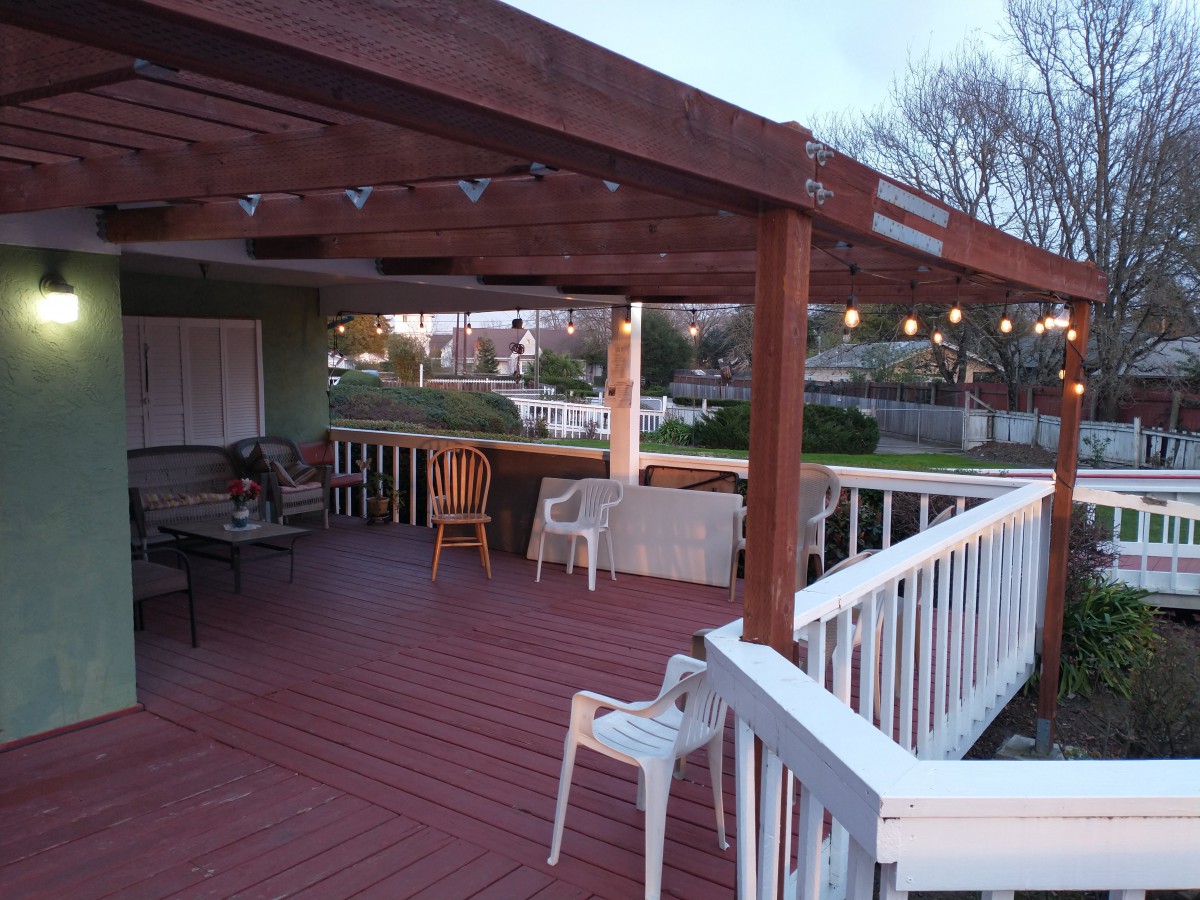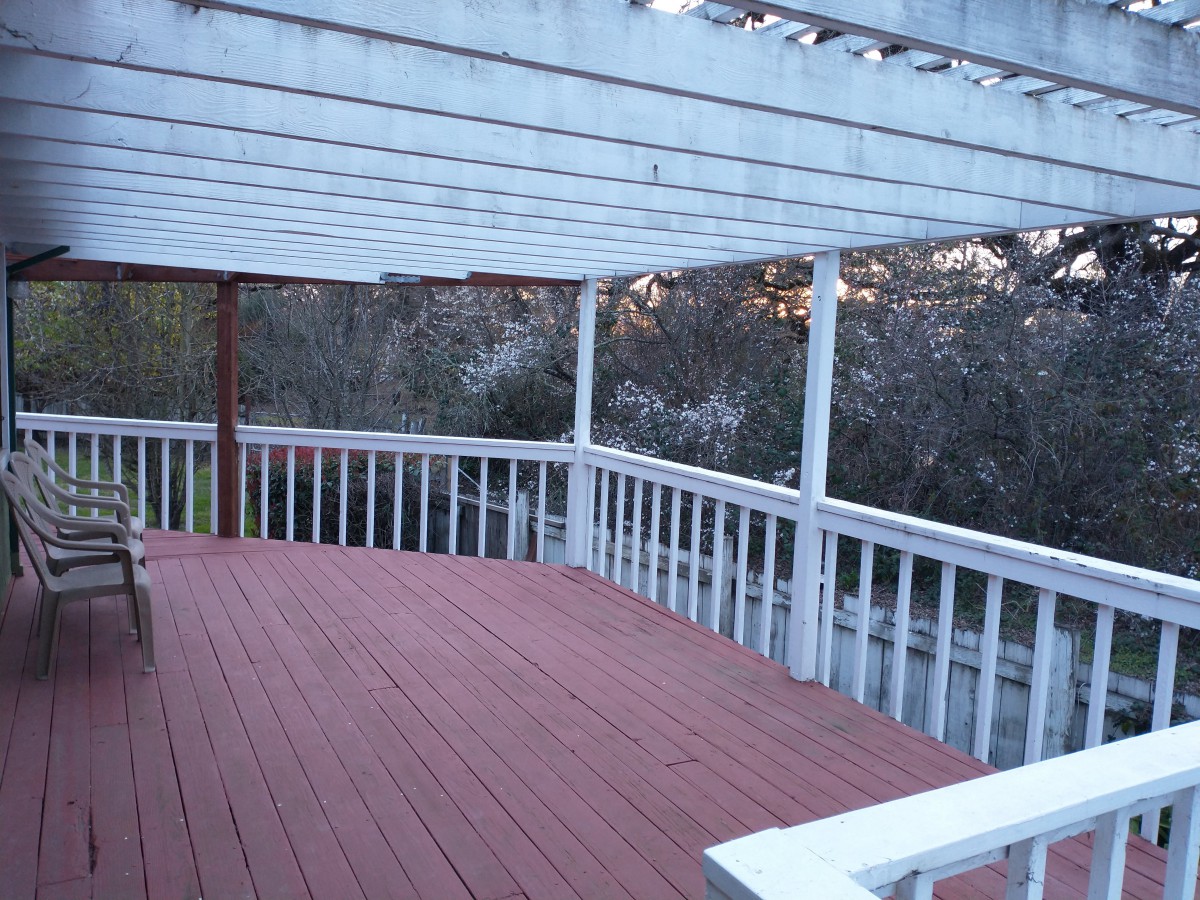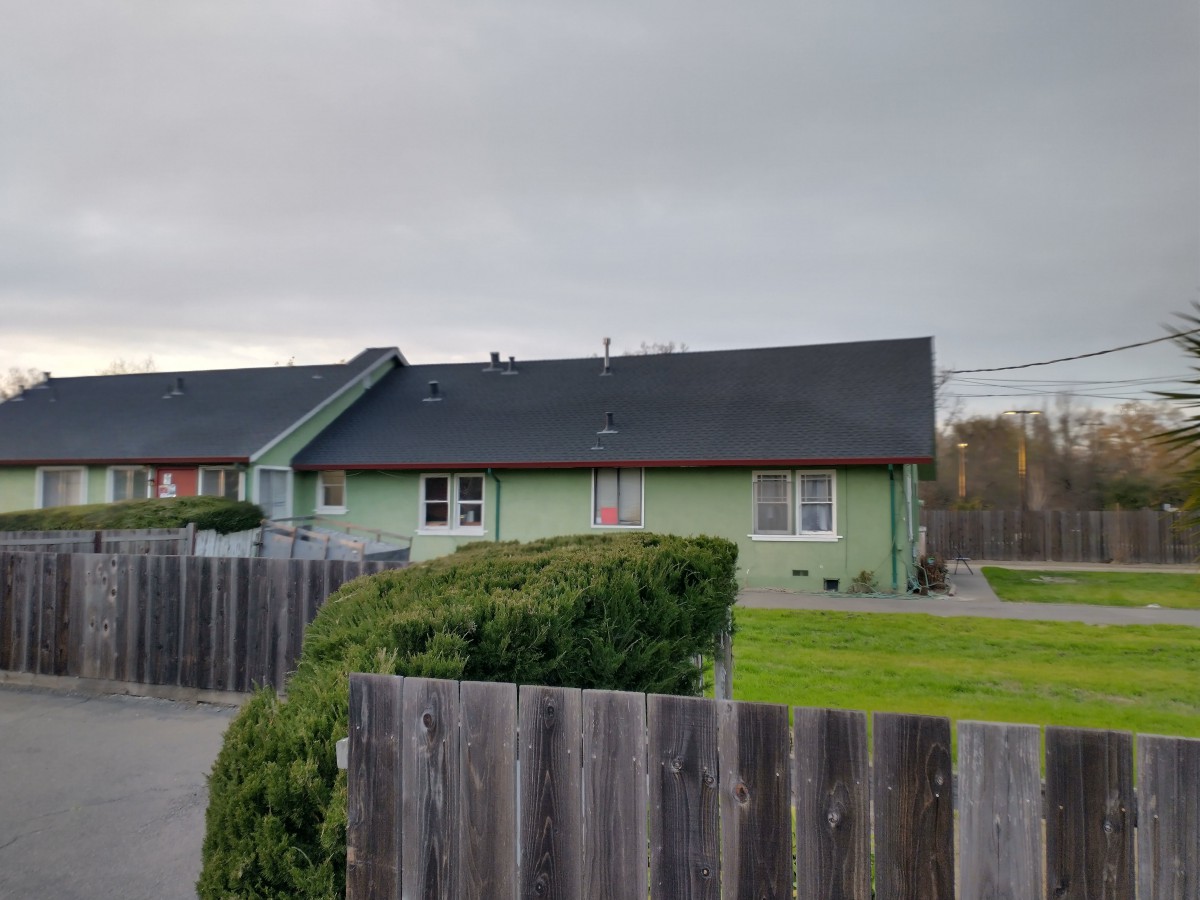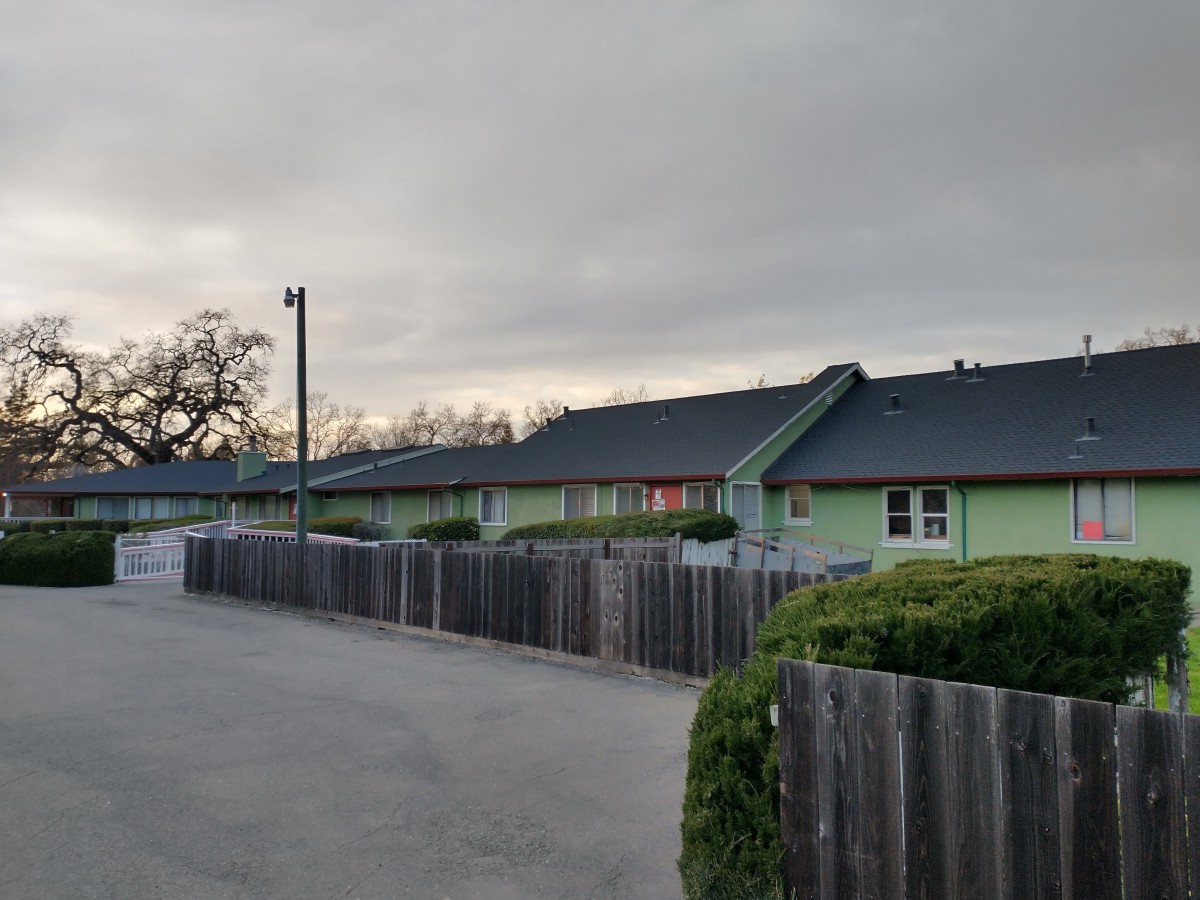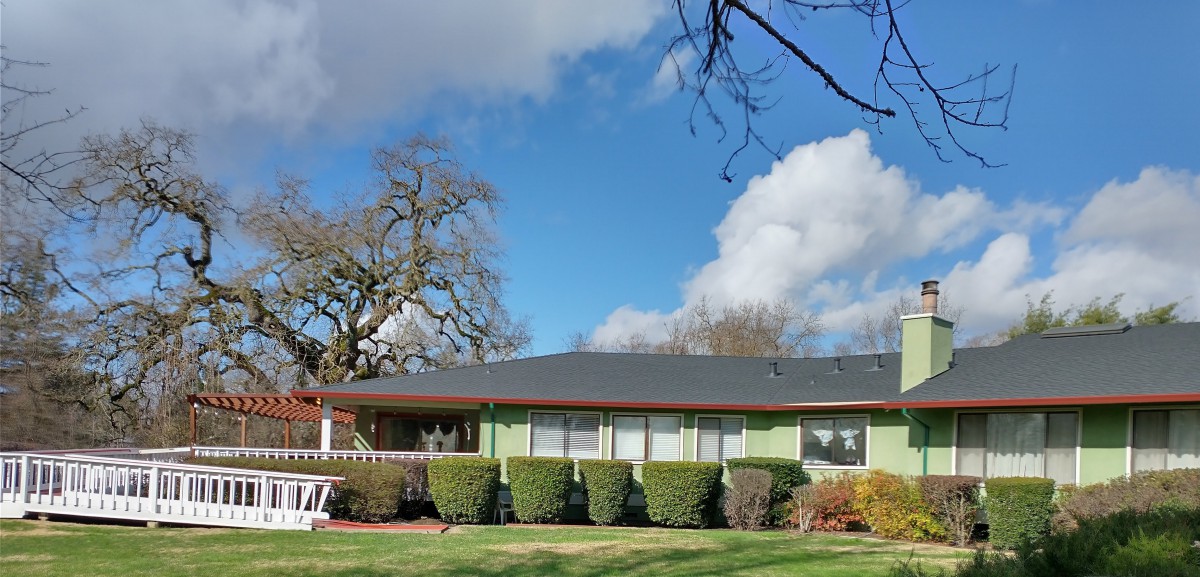
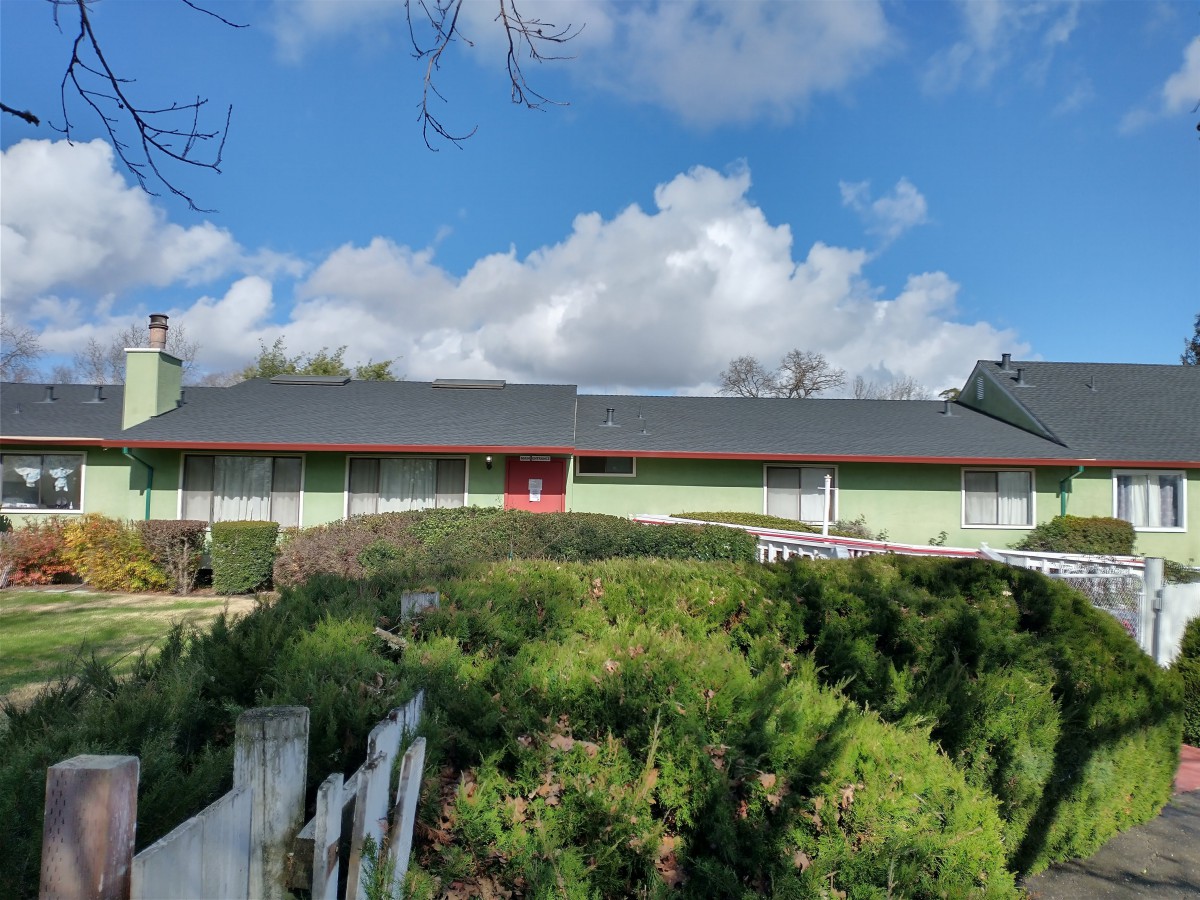
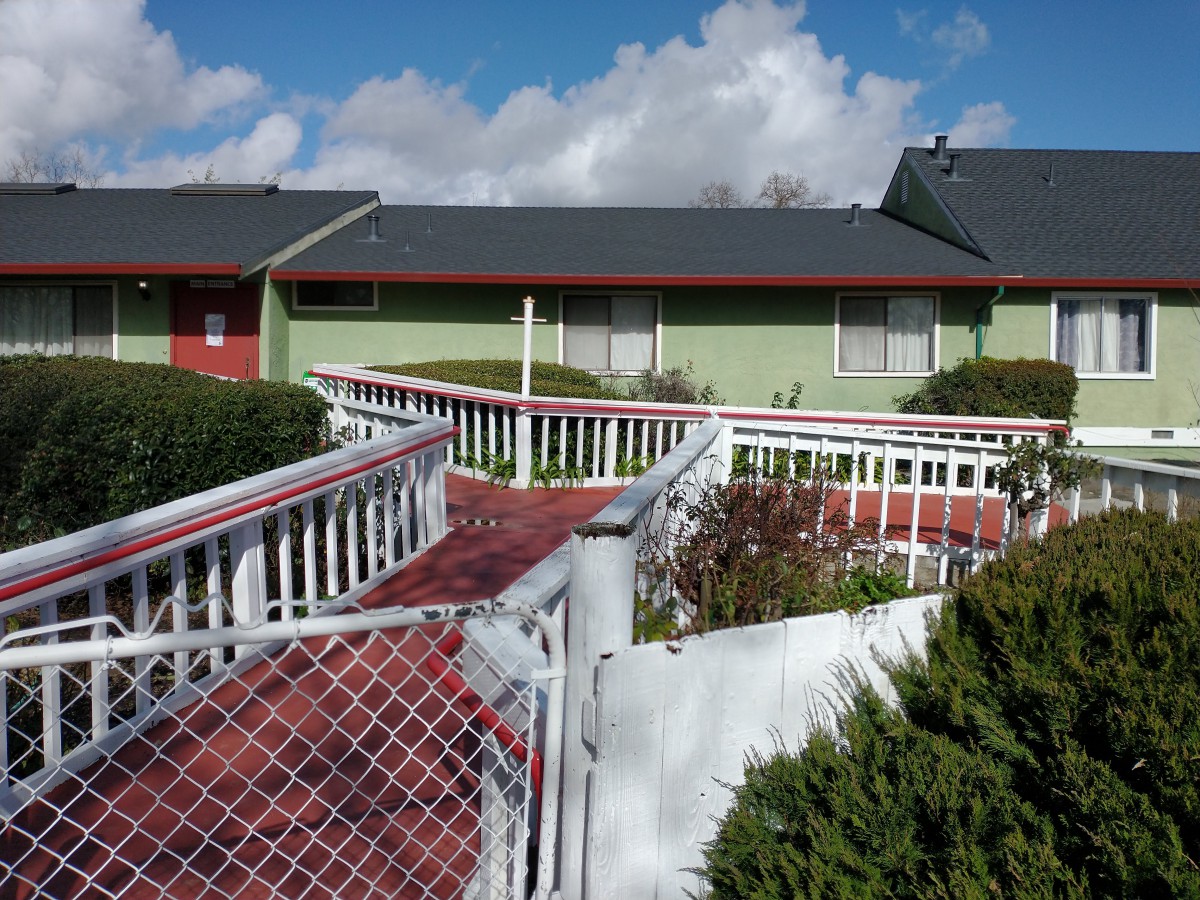
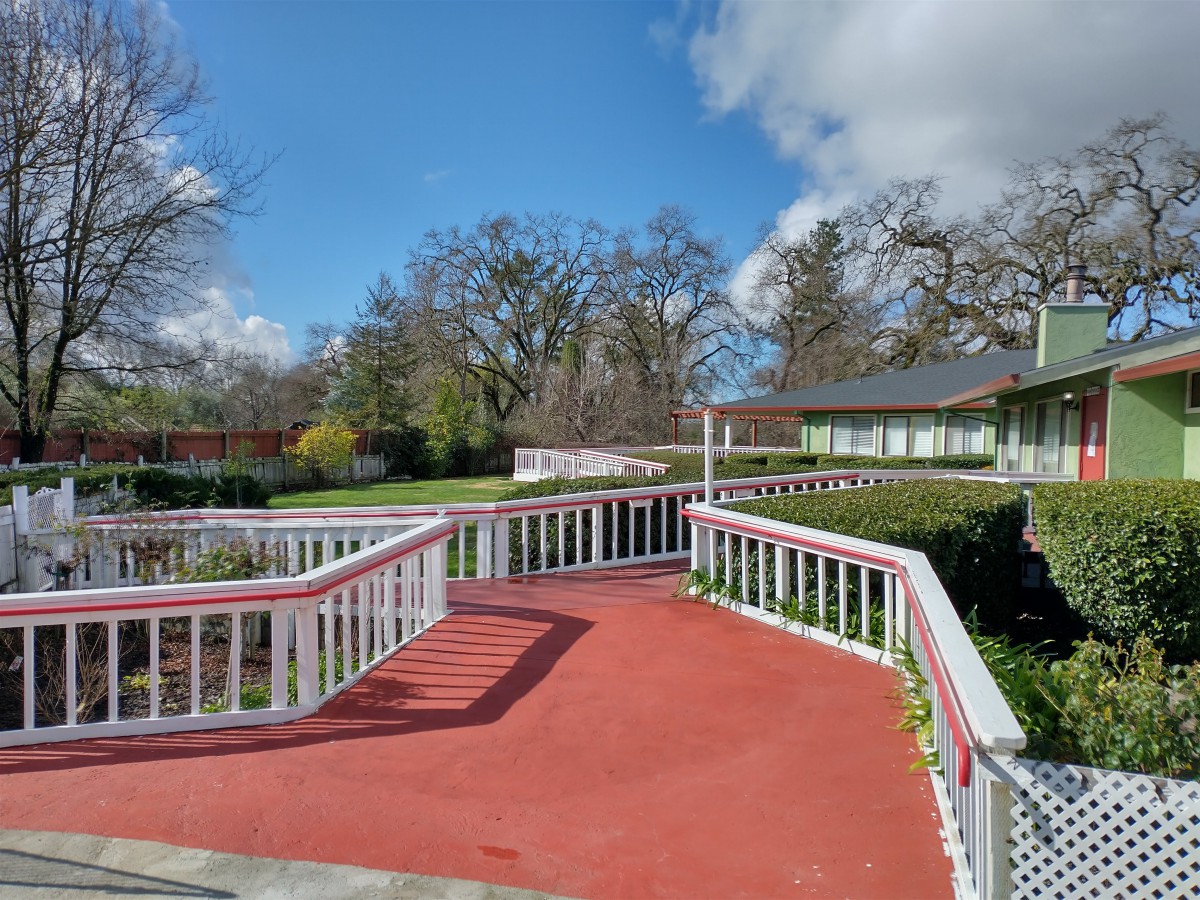
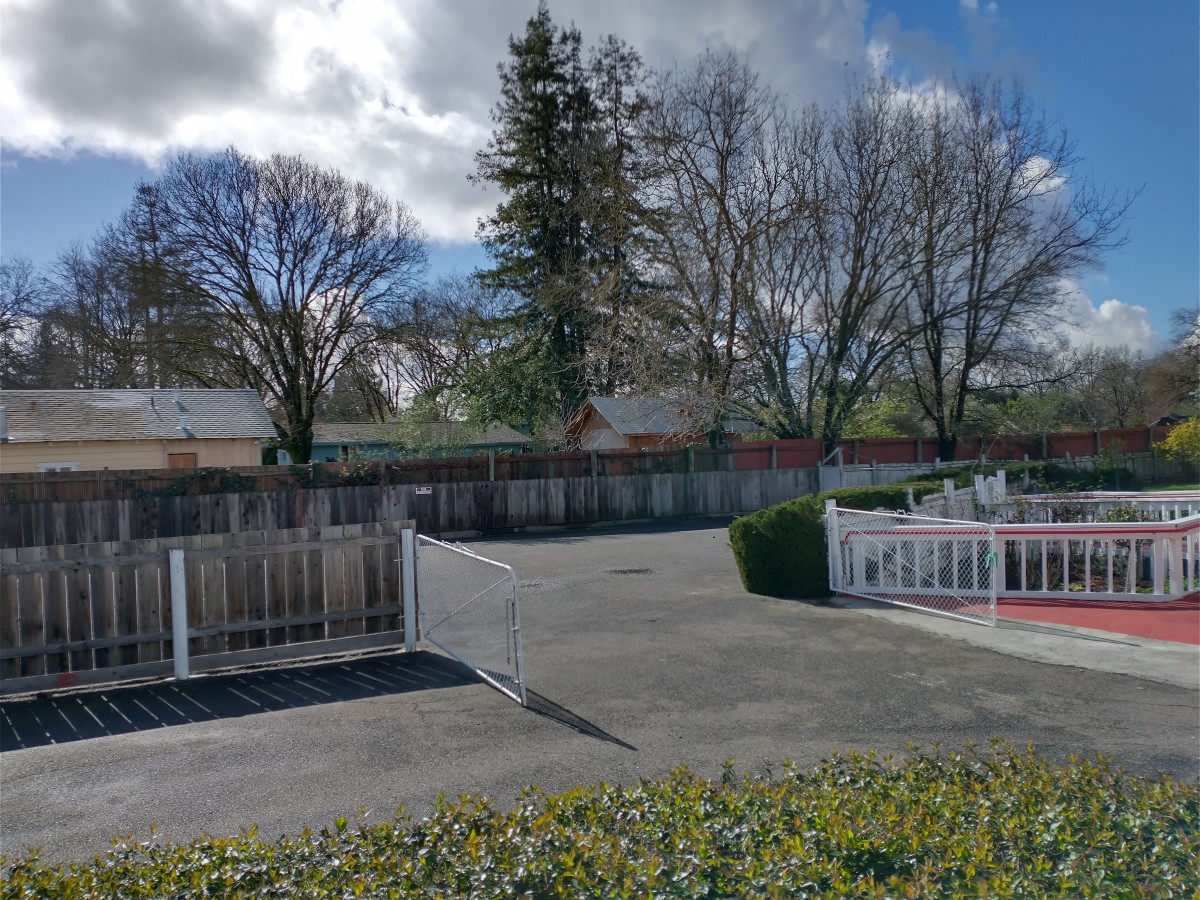
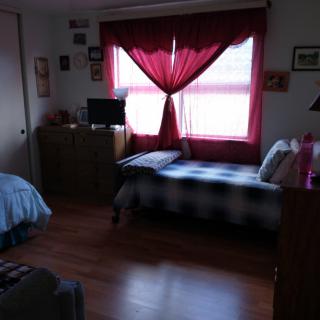
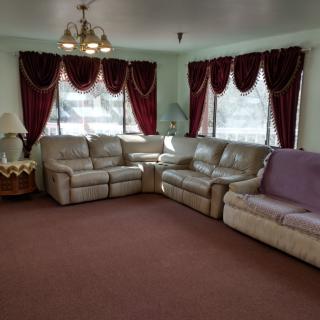
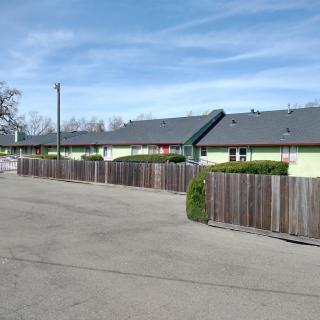
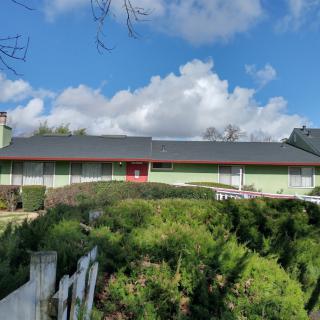
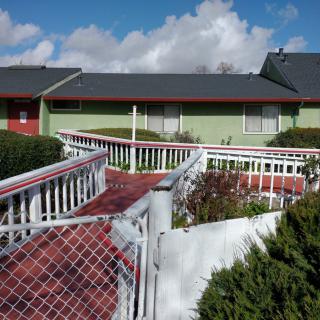
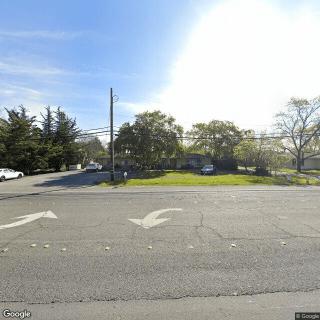
1727 Burbank Ave, Santa Rosa, CA 95407
To contact a resident: (415) 810-0145
For more information about senior living options: (866) 208-4318
Redwood Santa Rosa Costs & Pricing
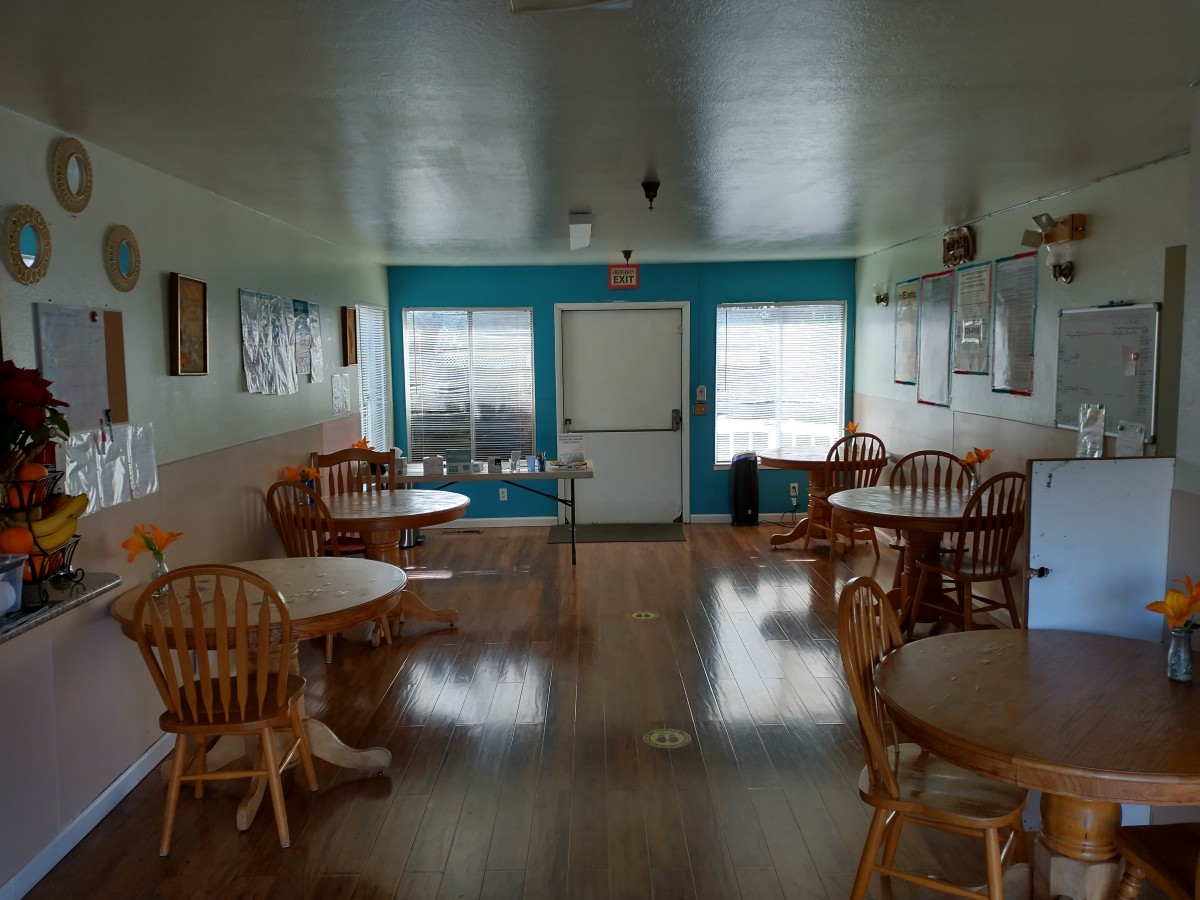
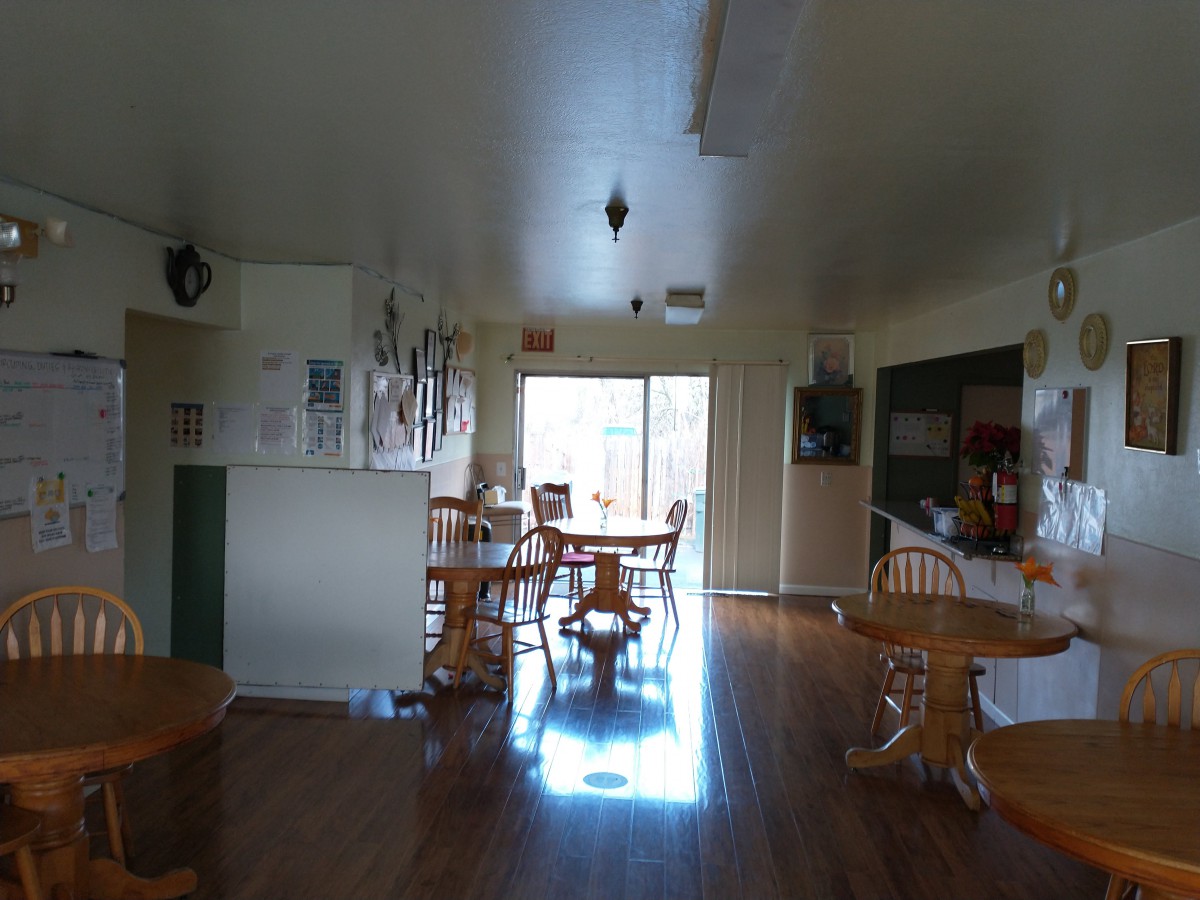
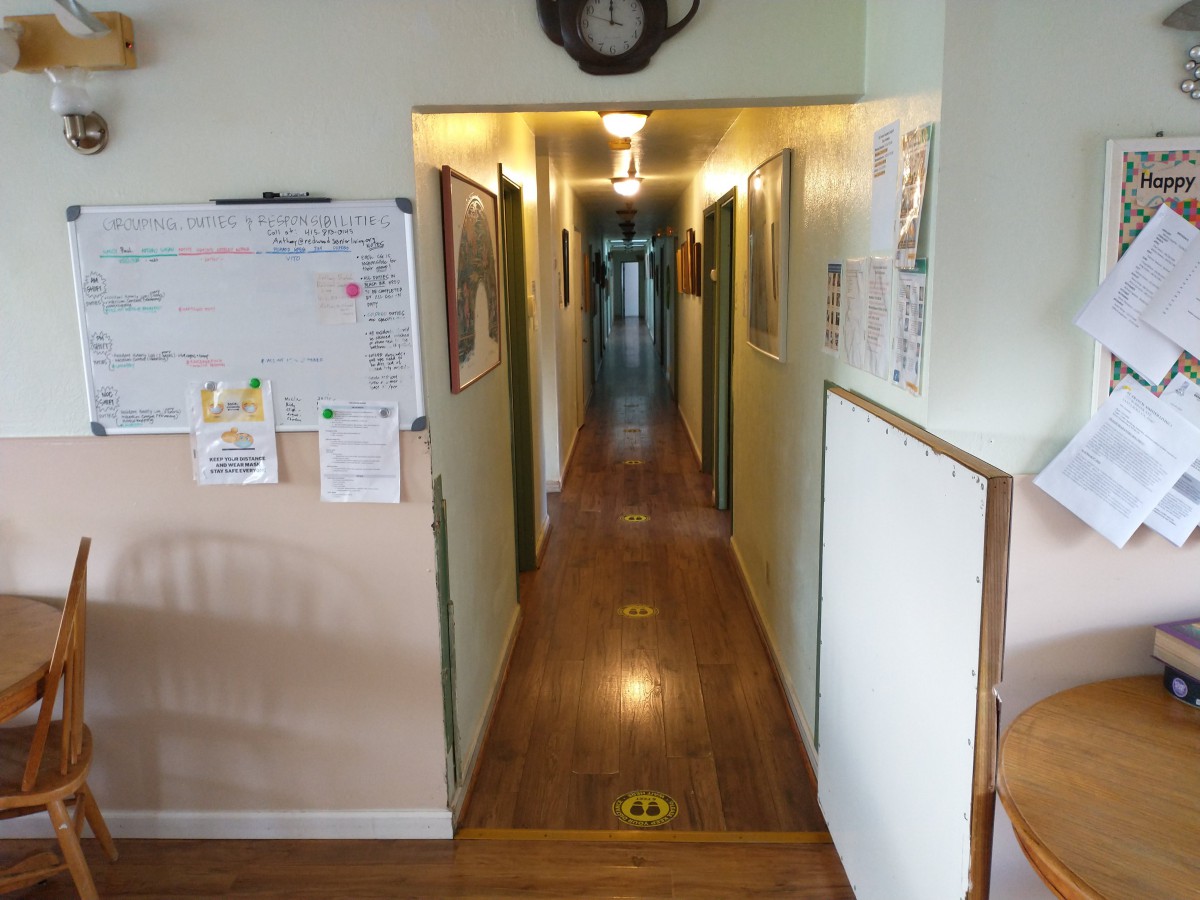
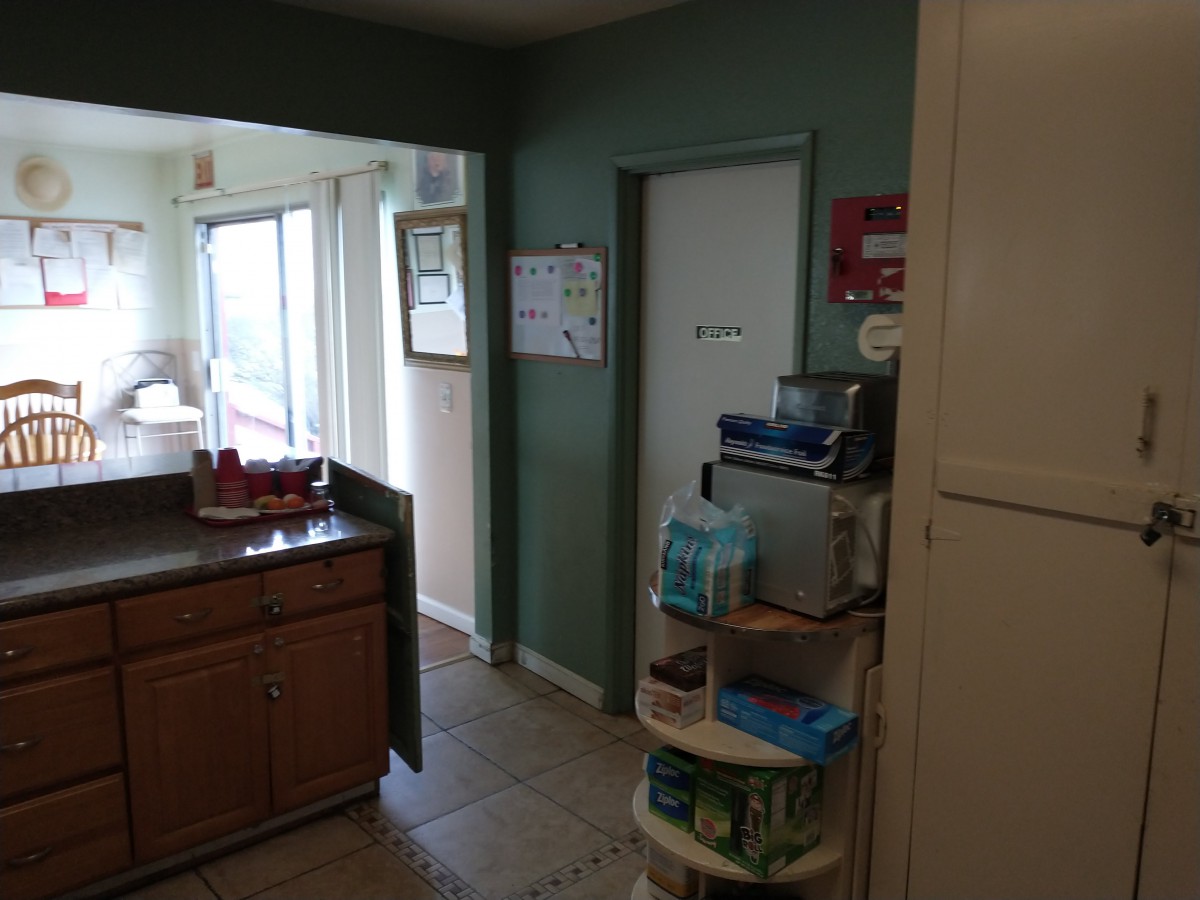
At Redwood Santa Rosa, the monthly cost for a semi-private room is set at $4,000, which positions it competitively within Sonoma County where similar accommodations average around $4,052. In contrast, the broader state of California offers a lower average rate of approximately $3,333 for semi-private rooms. This pricing structure reflects not only the quality of care and services provided by Redwood Santa Rosa but also highlights its relatively attractive price point in comparison to county averages. Residents can expect value that aligns with local market conditions while benefiting from a supportive community atmosphere and dedicated staff.
| Floor plans | Redwood Santa Rosa | Sonoma County | California |
|---|---|---|---|
| Semi-Private | $4,000 | $4,052 | $3,333 |
Assisted Living communities with a similar price nearby
-
from +$500 / mo
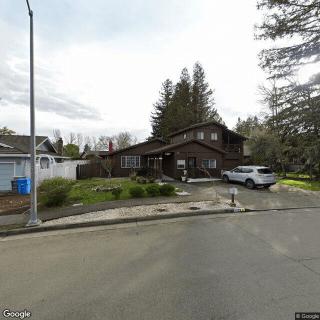
Anson Place Residential Care Home
$4,500 / month4.6 miles away -
from -$400 / mo
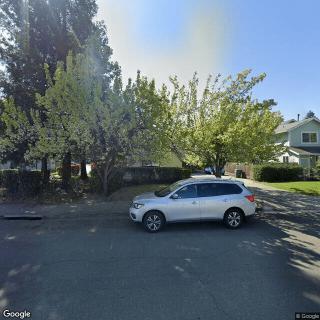
Victoria's Place
$3,600 / month1.5 miles away -
About the same
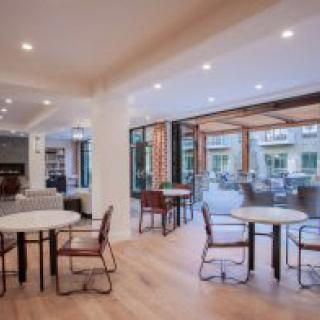
The Watermark at Napa Valley
$3,995 to $6,795 / month23.3 miles away -
from +$295 / mo
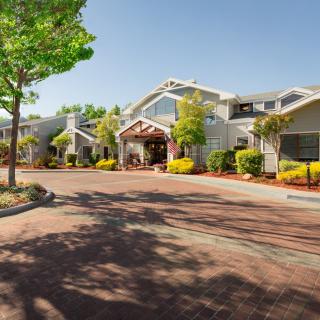
Cogir of Sonoma
$4,295 to $5,495 / month16.7 miles away -
from -$300 / mo
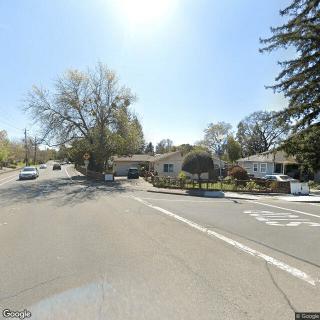
Silva Board And Care
$3,700 to $5,367 / month3.0 miles away
Overall Review of Redwood Santa Rosa
Pros
 The community does whatever it takes to ensure residents and staff are content living there.
- It promotes open ideas and suggestions to provide a better service.
- Teamwork between the community and family has a big impact on providing care.
- The goal is for everyone to be happy and to feel the love and care.
Cons
 None found in the provided review.
Review
Redwood Santa Rosa is best suited for families and residents who prize a tightly knit, collaborative care culture where staff and administration actively seek resident and family input, and where the overarching aim is happiness, warmth, and dependable support. The community’s standout message is teamwork: a shared responsibility between the facility and loved ones to create a living environment where care feels personal and consistently attentive. This is not a generic, clinical setting; it is a place where open ideas and ongoing dialogue are expected and rewarded, and where the emotional tone is geared toward ensuring residents feel valued, loved, and securely cared for.
Those who may want to consider alternatives are those whose priority leans more toward specialized medical programming or a more expansive slate of amenities and activities. If a family is seeking highly structured clinical oversight, aggressive chronic-disease management, or a larger, more bustling campus with a broad menu of on-site services, other communities could be a better fit. Similarly, if cost considerations or location flexibility drive the decision, comparing options with different pricing models or regional options can yield clearer alignment with long-term needs.
The primary advantages here are the human-centered strengths that flow directly from the stated teamwork and openness. The commitment to doing whatever it takes to keep residents and staff contented translates into an environment where ideas for improvement are encouraged and acted upon. When families feel heard, care plans can be adjusted promptly, and residents experience a sense of continuity and belonging. The emphasis on happiness and love shapes daily interactions in a way that can reduce frustration on both sides, families feel involved, and staff feel supported by a collaborative framework that values shared outcomes.
This culture of partnership helps offset common concerns about impersonal care or opaque decision-making, which are frequent theoretical risks in senior housing. The explicit call for family involvement acts as a corrective mechanism: if something seems off, family voices are expected to carry weight, and that accountability tends to keep service levels tangible and responsive. In practice, the result is a care atmosphere that feels more akin to a well-coordinated family enterprise than a distant corporate operation. That alignment matters when the goal is to minimize confusion, clarify expectations, and build trust through transparent collaboration.
Despite the positive emphasis, prospective movers should verify several practical dimensions during a tour or deeper inquiry. Inquire about actual staffing patterns, including turnover, training emphasis, and the ability to sustain the level of personalized interaction described in the philosophy. Seek detail on daily programming, social engagement, and how resident feedback translates into program adjustments. Clarify dining quality and flexibility, transportation options, and the process for updating care plans as needs evolve. Because the only published feedback is a glowing single-review snapshot, concrete assurances around these operational aspects will help families assess whether the environment truly scales to longer-term needs.
In conclusion, Redwood Santa Rosa offers a compelling option for families that value a caregiving culture built on teamwork, openness, and a shared mission to keep everyone contented and cared for. It excels where personal connection and active family participation are prioritized, providing a moderation of care that feels thoughtfully tailored rather than procedural. For families seeking more intensive medical programming, larger-scale amenities, or lower-cost alternatives, exploring other communities may be prudent. The prudent path is a candid visit: listen for how staff describe collaboration with families, observe how residents interact with caregivers, and press for specifics on how feedback becomes action. If the answers align with a collaborative, affectionate care model, Redwood Santa Rosa stands out as a strong, practical choice.
 Assisted Living
 Activities off-site
 Cable or satellite TV
 Devotional services off-site
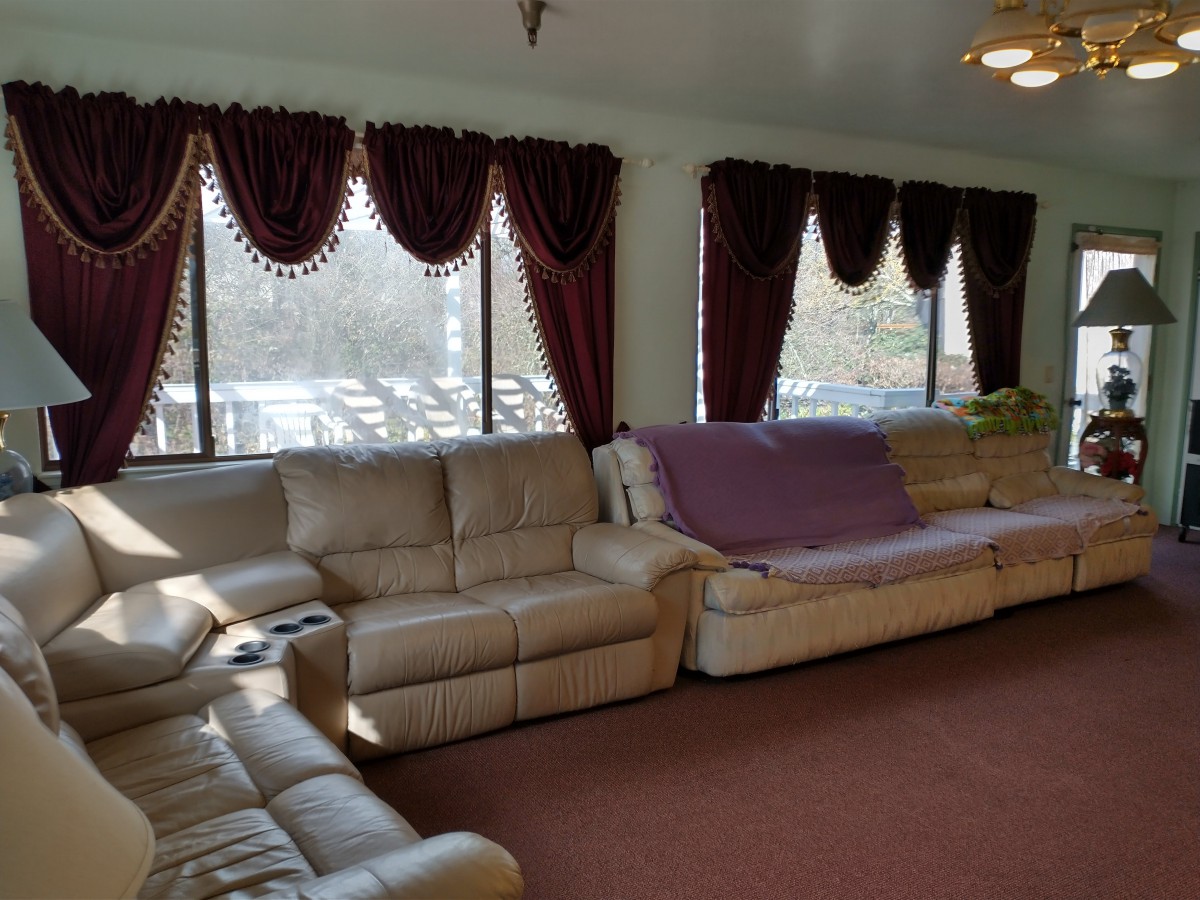
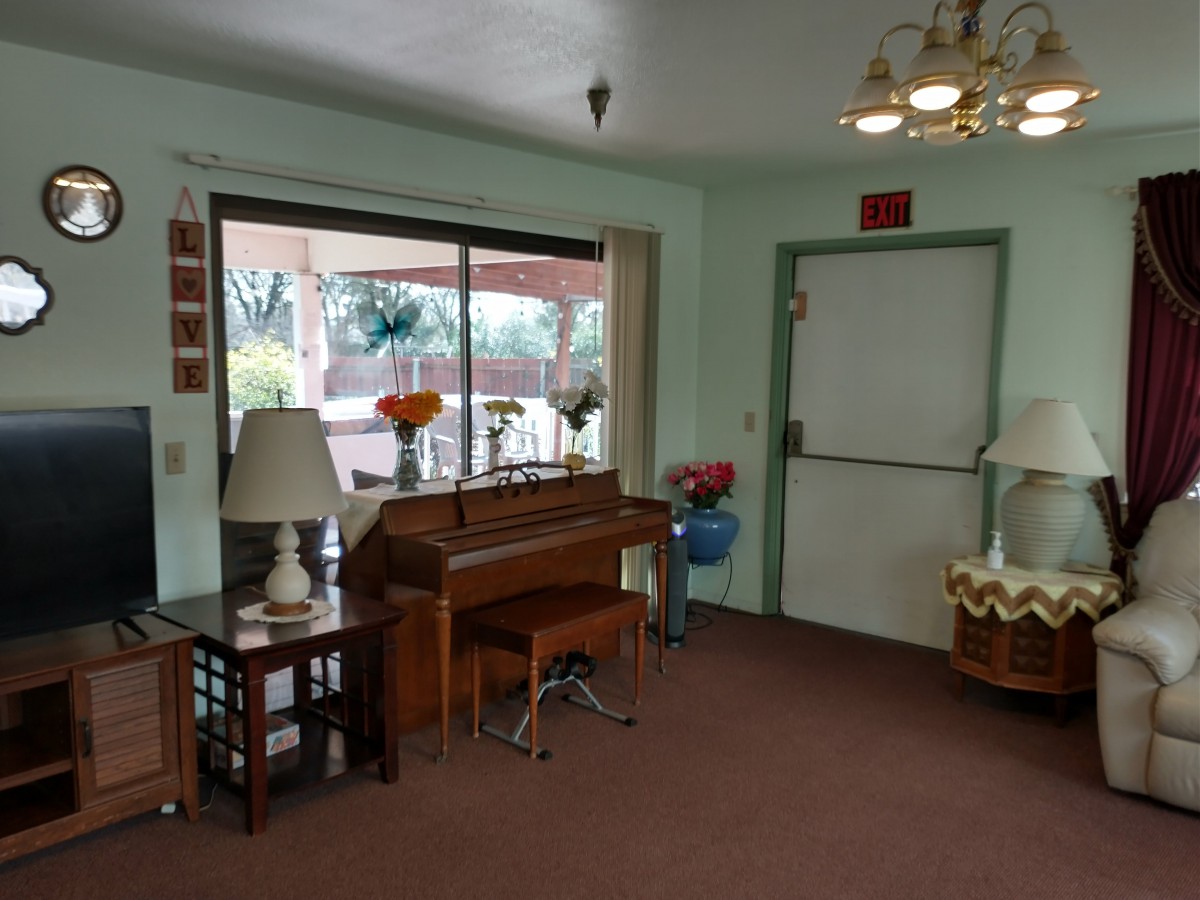
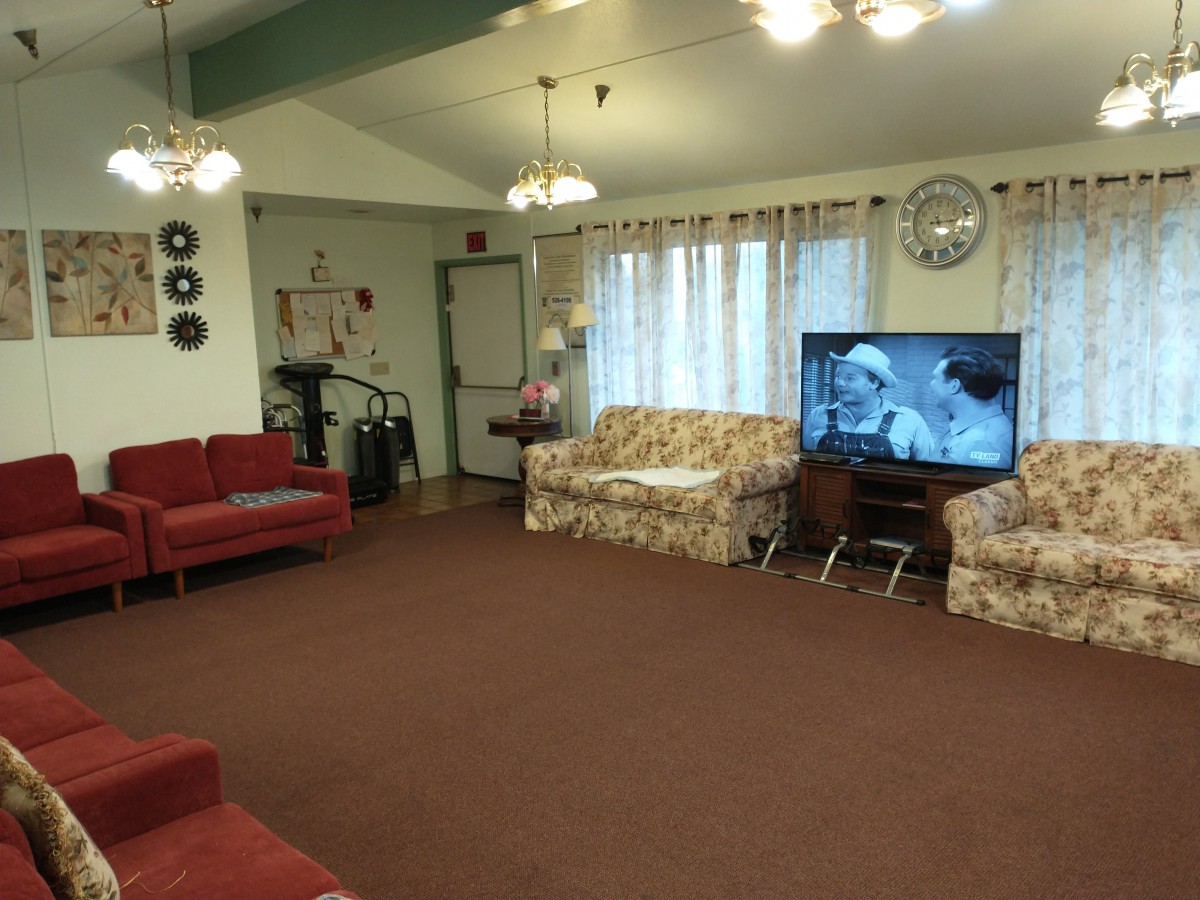
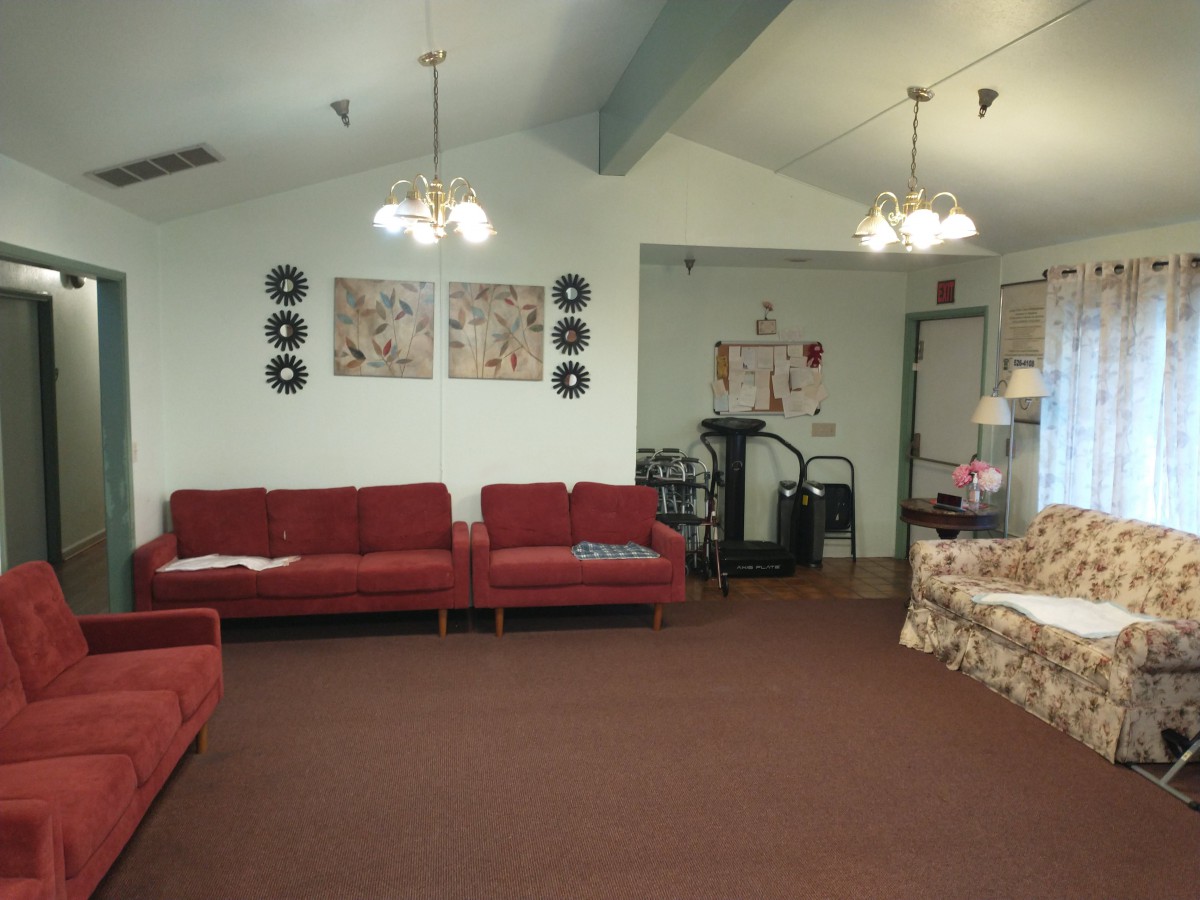
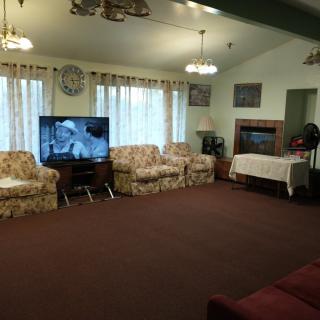
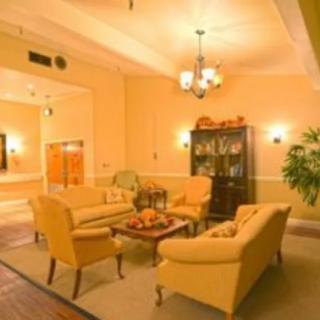
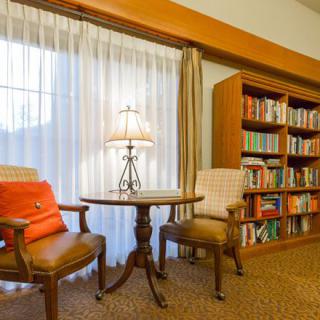
 Indoor common areas
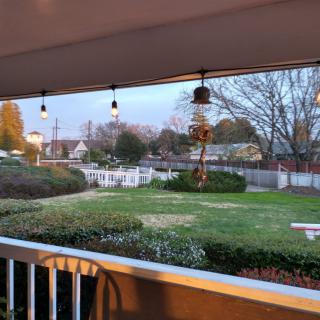
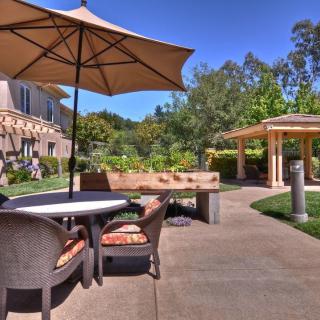
 Outdoor common areas
 Respite or short term stays offered
 Wi-Fi/high-speed internet available
 Diabetic care
 High acuity care
 Incontinence care
 Medication management
 Anytime dining
 BBQs or picnics
 Birthday parties
 Happy hour
 Karaoke
 Light therapy programs
 Live dance or theater performances
 Live musical performances

 Funding and Affording Assisted Living: A Thorough Overview
 Assisted Living Expenses and Long-Term Care Insurance: A Comprehensive Exploration
 Securing Financial Support for Assisted Living: A Comprehensive Overview