
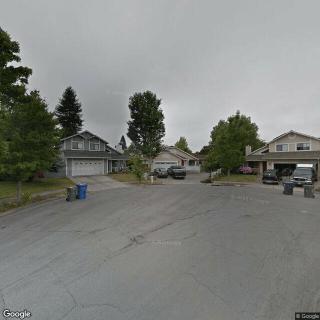
1972 Dennis Lane, Santa Rosa, CA 95403
For more information about senior living options: (866) 208-4318
Overall Review of Platinum Residential Care Home
Pros
 The Lodge at Piner Road is a place where families feel confident and at ease about their loved ones' care.
- The Memory Care Unit is secure and staffed by caring, attentive personnel.
- Monica, the unit director, is praised for responsiveness and effective communication.
- The staff team, including Activities Director Jessica, Caroline, Tatiayna, Maggie, and Abraham, is described as helpful and proactive.
- The Lodge offers multiple levels of care and amenities, such as transportation, programs, theatre, and a salon.
- The lower floor is vibrant and inviting, with staff readily available, while the upper floor respects privacy.
- Paul Peck is credited with providing great tours, being pleasant, knowledgeable, and attentive.
- The community is noted for culture, professionalism, top-notch communication, outstanding food, engaging activities, and staff going above and beyond.
Cons
 People always blocking the entrance.
- Except for one person, that person was weeded out quickly.
- No place is perfect.
Review
This community is best suited for families seeking memory-care focused support where safety, consistent communication, and a warm, engaging environment matter most. The reviews repeatedly highlight a secure memory-care unit, attentive staff, and leadership that stays closely involved with families. It is a fit for residents with dementia or other brain- disorders who need structured routines, meaningful activities, and reassurance that caregivers are responsive to daily changes. For families prioritizing a continuum of care, from secure memory care to flexible programming and transportation, this setting offers a coherent path rather than a string of disjointed referrals.
Alternatives are worth considering for those who either do not require memory-specific support or prize different campus dynamics. If independence and a lighter level of assistance are primary goals, or if access and traffic flow around the entrance are non-negotiable factors, other communities may suit better. Families who want a larger medical footprint, deeper hospital-level oversight, or a more expansive campus experience should evaluate options that specialize in broader skilled-nursing care or larger assisted-living campuses. In short, this option shines for memory-care intensity and family partnership, but it may feel less aligned for those seeking minimal care or different logistical footprints.
The strongest pros here hinge on people and processes that families rely on daily. Staff responsiveness and clear, ongoing communication stand out as decisive advantages, reducing the anxiety that comes with loved ones living far from home. The memory-care environment is described as secure, supportive, and capable of delivering uplifting, person-centered moments even on challenging days. A well-regarded leadership layer, consistently praised for understanding the industry and for staying engaged with families, tends to translate into dependable care. Moreover, a built-in continuum of care, transportation, and on-site amenities (theatre, salon, dining options) contribute to a higher quality of life and smoother transitions as needs evolve.
Where the occasional friction appears, such as reports of people blocking entrances, the con is counterbalanced by the overall operation: attentive staff, proactive management, and a culture that prioritizes care over formality. The entrance issue is not unique to this setting and tends to fade when one tours, sees staff flow, and observes how crisis moments are handled. For families weighing trade-offs, the key offset is that the facility delivers consistent, compassionate memory care with a staff culture that many families describe as genuinely caring and remarkably capable. In the balance, the benefits in safety, engagement, and family transparency overwhelmingly offset the logistical nuisance.
Decision-makers should approach engagement with a clear checklist. Verify the exact level of memory-care acuity supported, ask about staff-to-resident ratios and shift coverage, and request a detailed daily routine showing how meaningful activities are integrated. Confirm how insurance and payment options interface with the continuum of care, and probe into transportation scheduling, dining quality, and intimate aspects of life enrichment. Tour the memory-care unit specifically, speak with the director and front-line staff, and observe how families are welcomed and updated. Understanding these facets will reveal whether the culture aligns with the resident’s personality and the family’s expectations.
In the end, this community stands out for memory-care excellence and a culture of responsive, well-coordinated care. It is a strong recommendation for families seeking a secure, engaging home where staff leadership and daily programming support both stability and meaningful living. Those with lighter care needs or a preference for a different campus rhythm may want to compare alternatives that emphasize independence, larger medical scope, or easier access. Yet for residents whose needs center on memory-support, safety, and a caring, communicative environment, this option delivers the most reliable peace of mind and the clearest pathway to consistent quality of life.
 6 resident community capacity
 Assisted Living
 Board and Care Home
 Cable or satellite TV
 Dining room
 Fully furnished
 Garden
 Housekeeping services
 Move-in coordination
 Outdoor space
 Telephone
 Wi-Fi/high-speed internet available
 24-hour supervision
 Activities of daily living assistance
 Assistance with bathing
 Assistance with dressing
 Assistance with transfers
 Diabetes diet
 Meal preparation and service
 Medication management
 Special dietary restrictions
 Transportation arrangement (medical)
 Transportation to doctors appointments


 When to Transition from Assisted Living to Memory Care: Key Indicators, Steps, and Finding the Right Community
 Assisted Living and Memory Care: Understanding Their Core Differences
 Beyond the Bingo Hall: 50+ Enriching Activities for Seniors in Assisted Living