
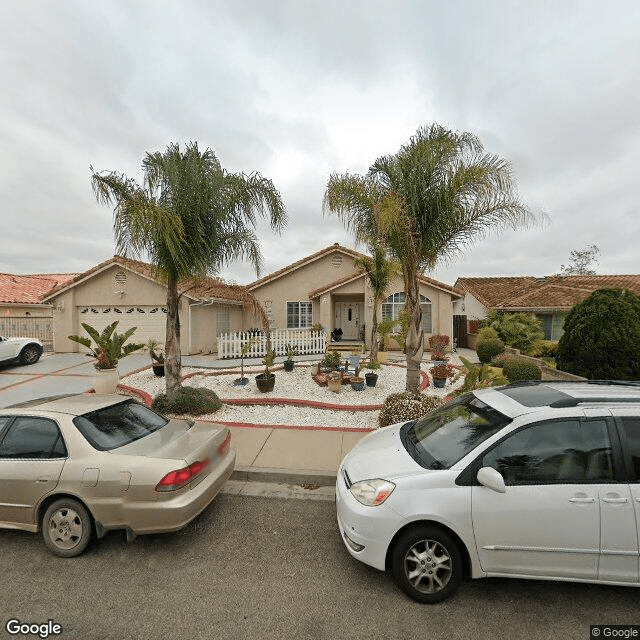
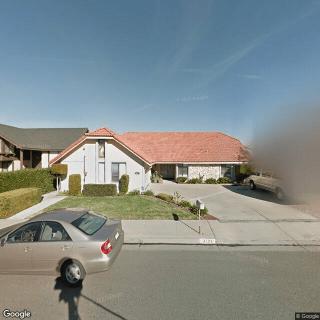
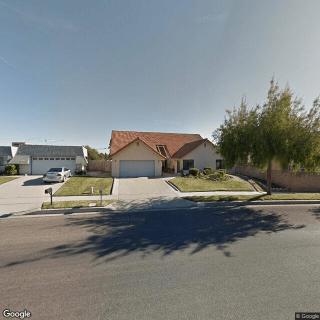
2424 La Costa Drive, Santa Maria, CA 93455
To contact a resident: (805) 314-2693
For more information about senior living options: (866) 208-4318
Lynn's RCFE I Costs & Pricing
Lynn's RCFE I offers competitive pricing for its private rooms, with a monthly cost of $3,000. This rate is significantly lower than the average costs in Santa Barbara County, which stand at approximately $3,480, and even more so when compared to the broader state average of $3,939. By providing quality care at a more affordable price point, Lynn's RCFE I positions itself as an attractive option for families seeking supportive residential care facilities without compromising on the quality of service.
| Floor plans | Lynn's RCFE I | Santa Barbara County | California |
|---|---|---|---|
| Private | $3,000 | $3,480 | $3,939 |
Senior living communities with a similar price nearby
-
from +$200 / mo
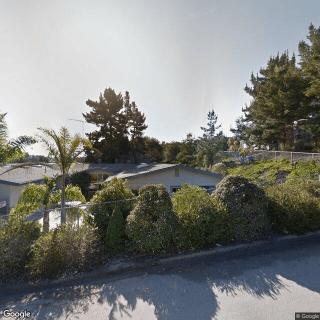
Oak Park Manor
$3,200 / month18.3 miles away -
from +$200 / mo
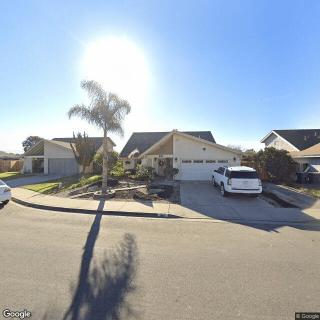
Villa Care Home II
$3,200 to $3,500 / month3.3 miles away -
About the same
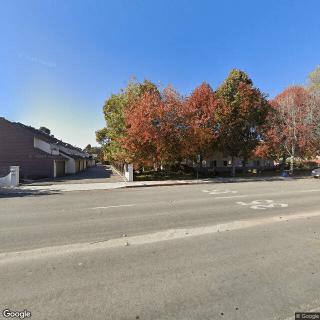
Wyndham Residence
$2,995 to $3,300 / month16.5 miles away -
from -$500 / mo
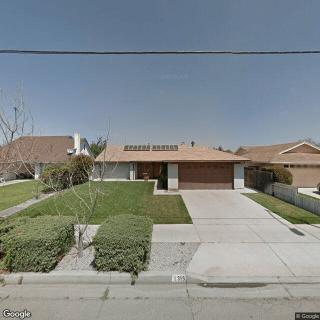
Pedflor's Residential Care II
$2,500 / month3.5 miles away -
from +$200 / mo
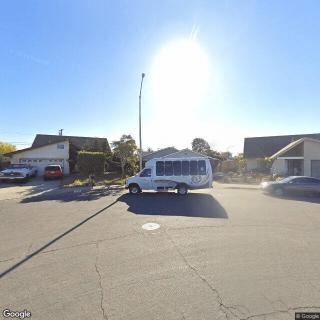
Villa Care Home I
$3,200 to $3,500 / month3.3 miles away
Overall Review of Lynn's RCFE I
Pros
 The home and staff are incredible, allowing grandparents to spend their last years together.
- The grandparents’ spirits and health improved in their first week there, bringing joy to the family.
- Families enjoyed event days, including carnival days and live bands, which brought joy to residents.
- The house smelled wonderful as the chefs consistently prepared amazing meals.
- The weekly spa day with professional hairdressers offered haircuts and styles, with foot washing and pedicures on the same day.
- It is described as a magical place.
- Magnolia and Primrose are run by a wonderful family and receive high recommendations.
- The care provided is excellent, addressing residents’ physical, mental, and spiritual needs.
Cons
 The facility is criticized for a lack of security.
- There is no private bathroom available.
Review
Lynn’s RCFE I in Santa Maria is best suited for seniors who want a warm, home-like setting with a lively social calendar and hands-on, family-style care. The reviews consistently paint a picture of residents thriving in a nurturing environment where companionship and daily engagement matter as much as medical oversight. It’s especially well-matched for couples or close relatives who wish to stay together and for families seeking a celebratory, almost “hotel-with-heart” atmosphere, think carnival days, live music, and seasonal touches that make each week feel festive. The daily rhythm includes in-house grooming, spa days, and attentive kitchen service that contribute to an uplifting mood and a sense that life continues with dignity and joy.
That said, this community is less ideal for residents who require advanced medical monitoring, memory-care specific support, or a highly secure setting. The footprint and staffing model described in the feedback emphasizes direct care for lower-acuity residents, with a focus on social connectivity and personal attention rather than hospital-level care or specialized units. Prospective families weighing alternatives should consider facilities that offer structured memory care, higher security features, and private accommodations tailored to those with complex needs or wander precautions. For residents who need frequent clinical interventions or 24/7 skilled nursing, other options will likely deliver a more comprehensive medical framework.
The strongest pros are tangible and meaningful: a clean, well-maintained environment; clear attention to direct care for residents with lower acuity; and a vibrant social program that includes regular events, beauty services, and convenient amenities like cable TV. In practice, these factors translate to better mood, more purposeful days, and a sense that life remains active and enjoyable. The willingness of the operator to foster a family-owned ethos, described in related facilities as compassionate leadership, appears to filter through in the level of attentiveness, consistent routines, and a culture that treats residents as family. These strengths collectively offset routine concerns about a smaller, less clinical setting.
The culture emerges most clearly in resident testimonials: families recount pride in the care provided, gratitude for the staff, and observable improvements in spirits and well-being within days of settling in. The community is portrayed as a place where residents are groomed, engaged, and celebrated, with special touches like on-site hair and spa services that reinforce dignity and self-worth. This isn’t just care; it’s a lifestyle choice that honors daily living, social connection, and personal identity. The resulting sense of security comes less from formal protocols and more from a consistent, hands-on, genuinely affectionate staff ethos that families come to rely on.
For families touring or evaluating, the practical questions matter as much as the stories. Probe how staff-to-resident ratios work during peak hours, what security features are in place (access controls, lighting, alarms), and whether private bathrooms are available or if shared facilities are the norm. Ask about the cadence of activities, meal quality, and how grooming and spa services are scheduled to maintain dignity and routine. Clarify how memory or cognitive support is approached for residents who may experience confusion, and confirm whether there are established policies for potential behavioral challenges. A transparent discussion on these points will illuminate whether the environment aligns with the resident’s expectations for independence, privacy, and safety.
In the end, Lynn’s RCFE I offers a compelling choice for families prioritizing a loving, engaged, community-driven living experience. It delivers proven warmth, visible improvements in mood, and meaningful social stimulation that can significantly enhance quality of life for lower-acuity seniors or couples seeking to stay together. However, for those requiring private bathrooms as a non-negotiable feature, higher-security measures, or specialized memory-care programming, alternatives with more robust clinical or privacy-oriented infrastructure should be pursued. The decision hinges on balancing the undeniable benefits of a vibrant, homey atmosphere against the imperative for privacy and advanced care needs; for the right resident, the scales favor this community as a wellspring of companionship, dignity, and daily joy.
 Board and Care Home
 Activities off-site
 Bath tubs
 Indoor common areas
 Outdoor common areas
 Private
 Respite or short term stays offered
 Wheelchair accessible showers
 Santa Maria Pub Capt G Allan Hancock (1 miles away)
 High acuity care
 Meals provided
 Powerful Realities of Elder Abuse and the Most Effective Ways to Report It
 Ten Vital Duties of a Senior Caregiver: A Comprehensive Guide
 9 Stimulating Memory Activities for Seniors: Puzzles, Cards, and Much More