
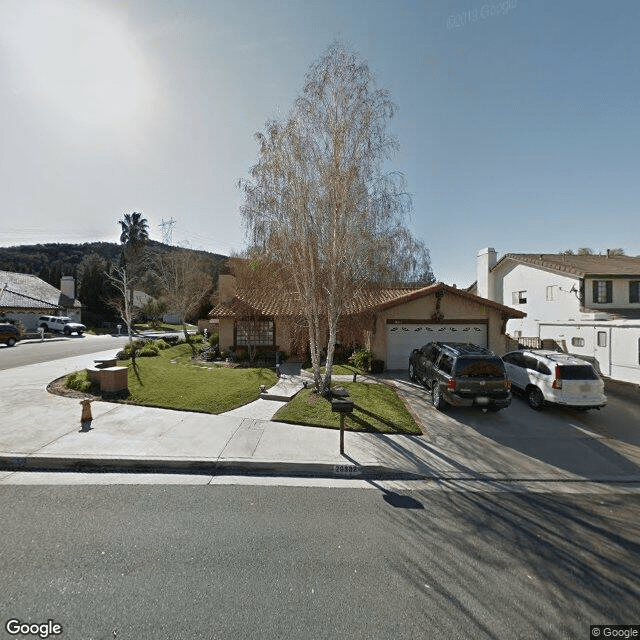
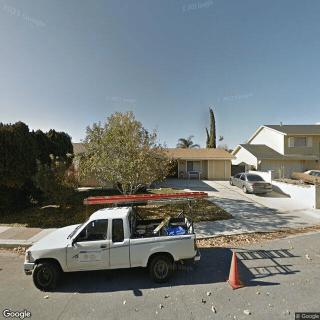
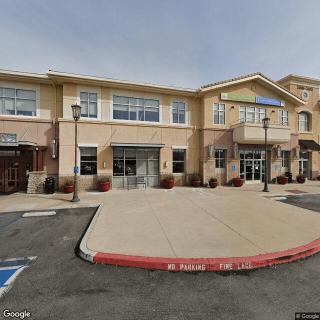
20332 Jay Carroll Dr., Saugus, CA 91350
To contact a resident: (661) 360-9736
For more information about senior living options: (866) 208-4318
Jay Carroll Drive Family Care, Inc. Costs & Pricing
Jay Carroll Drive Family Care, Inc. offers competitive pricing for its services when compared to both Los Angeles County and the broader state of California. For semi-private accommodations, the monthly cost is $3,800, which exceeds the county average of $3,349 and is slightly higher than the state average of $3,333. In terms of private rooms, Jay Carroll's rate stands at $4,500 - again above the county's figure of $4,197 but notably higher than California's average of $3,939. While these rates are on the higher end relative to local and state benchmarks, they reflect a commitment to quality care that may justify the investment for families seeking premium support for their loved ones.
| Floor plans | Jay Carroll Drive Family Care, Inc. | Los Angeles County | California |
|---|---|---|---|
| Semi-Private | $3,800 | $3,349 | $3,333 |
| Private | $4,500 | $4,197 | $3,939 |
Senior living communities with a similar price nearby
-
from -$300 / mo
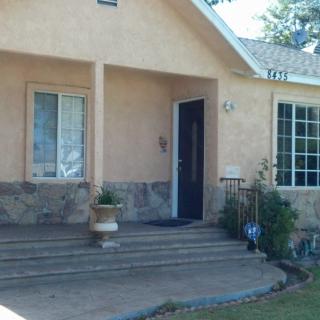
Paradise Senior Living 1
$3,500 to $4,500 / month15.9 miles away -
from +$700 / mo
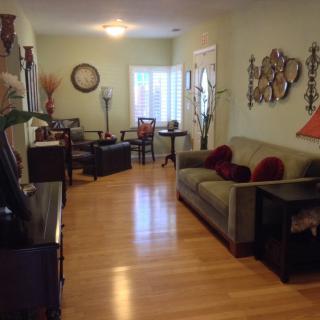
Ardenville Home Care I
$4,500 / month18.2 miles away -
About the same
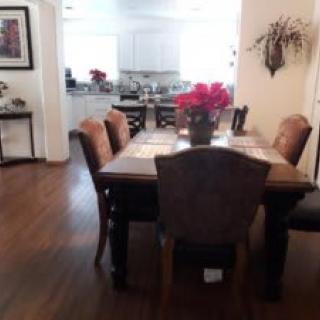
America's Care Manor
$3,800 to $4,000 / month16.5 miles away -
from +$200 / mo
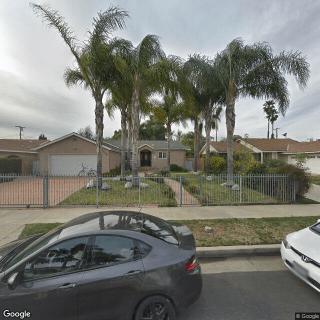
Land of Peace 6
$4,000 to $5,500 / month19.1 miles away -
from -$300 / mo
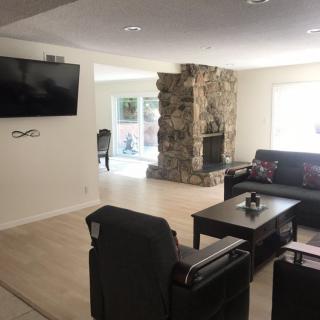
Hollywood Healthy Living
$3,500 to $5,000 / month18.0 miles away
Overall Review of Jay Carroll Drive Family Care, Inc.
Pros
 They felt very comfortable with the owner and found the first impression to be welcoming and home-like.
- The care is excellent, with an A+ level of quality.
- The staff are excellent—very friendly, attentive, and engaged with each resident.
- Meals and dining are excellent, and staff are involved with each member of the community.
- Families feel reassured, as loved ones seem comfortable receiving care in a pleasant, home-like setting.
- The staff communicate well with families and are readily available for questions or concerns.
- Residents seem happy with the meals, with three meals a day served.
- The home is highly recommended for professional, caring staff who treat residents as individuals.
Cons
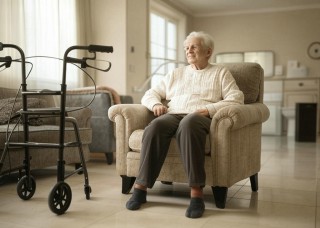
 The reviewer noted there was not much equipment, with wheelchairs and walkers sitting around, giving it a more home-like impression.
- The reviewer noted that the price was a little high.
Review
This community is best suited for seniors who want a genuine home environment, where care feels intimate rather than institutional. It fits families that value immediate access to caregivers, transparent communication, and highly personalized attention. The setting centers on relationships: the owner and staff know residents by name, and care plans unfold with daily consistency. Meals, routines, and social time feel like a home rather than a hospital, which eases transitions for someone anxious about moving into care. The house-based model supports a dignified pace, with staff who engage residents individually, assisting with medications, daily tasks, and participation in activities, rather than treating the resident as a distant chart or “room number.” Peace of mind comes from familiar faces and dependable oversight.
Those weighing options should note who may want alternatives. If the priority is intensive medical management, round-the-clock skilled nursing oversight, or a large, resource-rich campus, this setting may feel limited. A bigger assisted living or skilled nursing community can better accommodate frequent wound care, infusion therapies, or high-demand therapies on-site. The intimate, home-like atmosphere can feel sparse for residents who crave a deeply structured calendar of classes, clubs, or on-site clinicians. It may also be less suitable for individuals needing substantial mobility equipment or accommodations that a smaller home cannot readily provide.
The strongest advantages here are the human connections and the practical care framework. Staff are described as excellent, friendly, professional, and consistently attentive. Care is not just about meals and baths but about ongoing engagement: social time, televisions and conversations, and a sense that each resident matters. Meals are frequently highlighted as a strength, with three daily servings contributing to routine and comfort. Critical daily tasks, such as medications and adherence to specialized diets, are managed with a level of follow-through that eases family concerns and reduces the guesswork that often accompanies in-home care. This combination of warmth and reliability helps justify the price by delivering steady quality of life and peace of mind.
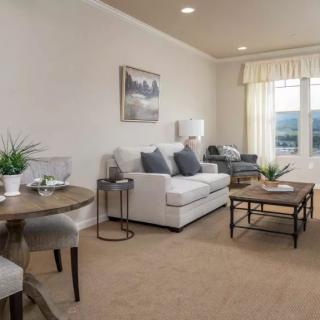
Another standout is the emphasis on independence and dignity within a safe framework. The staff culture aims to develop an independent relationship with residents rather than viewing them as interchangeable clients. That approach supports autonomy while maintaining safety, with residents invited to participate in meals, activities, and daily routines. The environment itself reinforces comfort, well kept and homey, with residents often seen enjoying outdoor time. In short, the care philosophy respects personhood, which translates into fewer rigid protocols and more tailored, compassionate daily living.
Reliability and strong relationships underpin the overall value here. The owners and a small team run the home with a sense of continuity that families notice in communication and responsiveness. Family updates and access to staff are noted as excellent, with questions answered promptly. However, the intimate scale can mean fewer formalized services and a lighter calendar than larger facilities. For families that equate security with scale, formal policies, and a broader menu of on-site offerings, it may be worth considering alternatives that deliver more comprehensive programmatic depth. Yet for families prioritizing trust, consistency, and a truly home-like atmosphere, those trade-offs often feel justified.
To act on this profile, prospective clients should schedule a visit with specific questions in mind: how the daily schedule plays out, who coordinates doctor appointments and therapies, how medications are managed, and what the concrete pricing structure includes or excludes. Request a walk-through of the menus, activity calendars, and the layout of living spaces. Inquire about memory care capabilities or the plan if a higher level of care becomes necessary, and observe how staff interact with residents during a typical day. Overall, Jay Carroll Drive Family Care stands out as a top option for seniors who flourish in a warm, personalized, home-like setting in Saugus. The blend of compassionate staff, strong family communication, and meaningful daily living makes it a compelling choice for families seeking both intimacy and dependable care.
 Board and Care Home
 Activities off-site
 Bath tubs
 Devotional services off-site
 Indoor common areas
 Outdoor common areas
 Private
 Private bathrooms
 Respite or short term stays offered
 Wheelchair accessible showers
 Burbank-Glendale-Pasadena (19 miles away)
 Ambulatory care
 Incontinence care
 Kosher

 Weight Training for Seniors: Building Strength and Vitality
 Understanding the Sandwich Generation: Stress and Responsibilities for Multigenerational Caregivers
 8 Essential Assistive Devices for Older Adults