
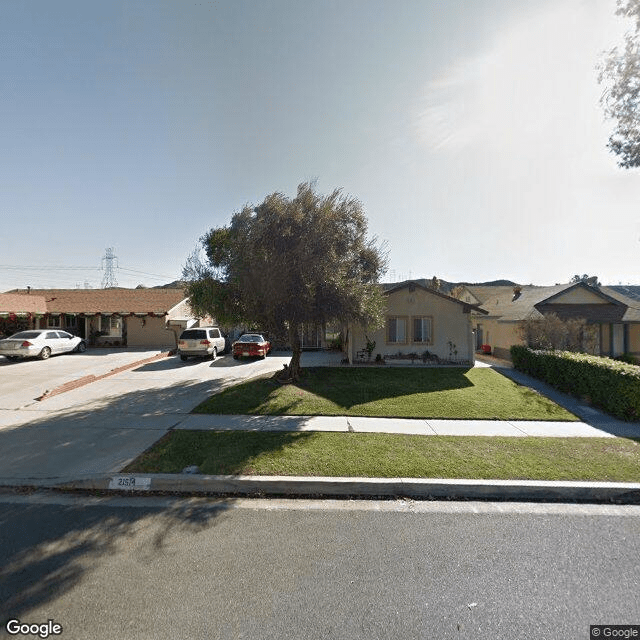
21514 Alaminos Drive, Santa Clarita, CA 91350
For more information about senior living options: (866) 208-4318
D' Elders R Us Costs & Pricing
D' Elders R Us offers competitive pricing for various room types, providing a valuable option for individuals seeking care in Los Angeles County. With semi-private accommodations priced at $2,500 per month, D' Elders R Us significantly undercuts the county average of $3,349 and the state average of $3,333. Similarly, their studio apartments are available for $3,000 - a notable saving compared to the county's rate of $4,172 and California's average of $4,145. For those opting for private rooms, D' Elders R Us maintains affordability at $4,000 per month. While this is slightly higher than the state's average of $3,939, it remains competitive against the county's private room price of $4,197. Overall, D' Elders R Us stands out as a cost-effective choice for families considering elder care options without compromising on quality or comfort.
| Floor plans | D' Elders R Us | Los Angeles County | California |
|---|---|---|---|
| Semi-Private | $2,500 | $3,349 | $3,333 |
| Studio | $3,000 | $4,172 | $4,145 |
| Private | $4,000 | $4,197 | $3,939 |
Memory care communities with a similar price nearby
-
from +$250 / mo
Dignity Care Home 1
$2,750 to $4,150 / month15.0 miles away -
from -$300 / mo
Granada Hills Gardens
$2,200 to $3,500 / month12.6 miles away -
About the same
Sunrise Guest Home
$2,500 to $3,000 / month18.0 miles away -
from +$465 / mo
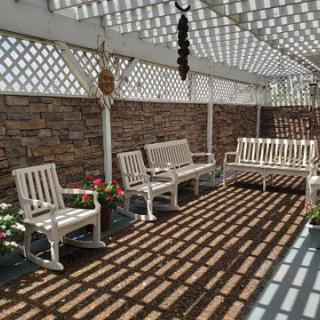
Pacifica Senior Living Northridge
$2,965 to $3,665 / month15.0 miles away -
About the same
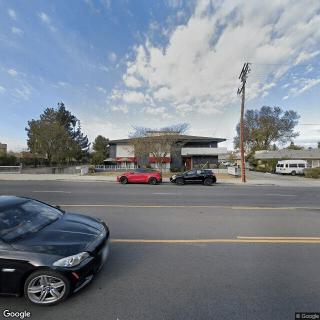
West Hills Assisted Living
$2,500 to $3,500 / month18.2 miles away
Overall Review of D' Elders R Us
Pros
 The staff are communicative and provide regular updates to families about their loved ones.
- The community offers amenities such as a TV and table games for residents.
- There is a large dining area that accommodates residents.
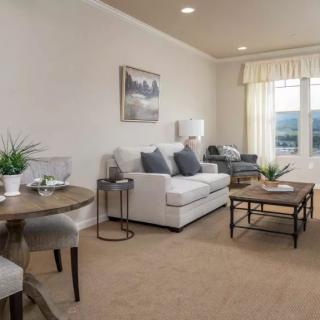
- The homes were described as very nice and clean when toured.
Cons
 The community is a little older.
- Compared to other communities, there aren’t many activities.
- Only five residents are allowed in the house, and there are three live-in caretakers.
- There is uncertainty about when dad will be released from skilled nursing.
Review
D’ Elders R Us in Santa Clarita is best suited for families seeking a highly intimate, caregiver-driven living arrangement where a resident’s day-to-day is shaped by a small, stable staff and where family updates come in regularly and with detail. The home operates on a deliberately small footprint, roughly five residents per house, with three live-in caretakers, which translates into unusually close caregiver relationships and frequent, direct communication with families. The setting feels quiet and home-like, with a focus on preserving routine and familiarity. For a senior who values predictability and personal attention over a bustling social calendar, this community can be a real comfort.
Those who should consider alternatives are families prioritizing robust social programs or a broader activity calendar. The reviews note that activities aren’t plentiful compared with other communities, and the atmosphere can feel a touch understimulating for residents who thrive on variety and scheduled group outings. Another red flag for some families is the implication of ongoing Skilled Nursing involvement for a resident’s current placement, which suggests that the environment may be part of a larger care continuum rather than a stand-alone assisted living rail. If modern amenities, frequent structured programming, or a larger resident community are important, exploring other options would be wise.
The strongest positives center on communication and personalized care. Family members report consistent phone updates from staff, with caregivers taking the time to share details about a loved one’s status. The three live-in caretakers for a five-resident home supports attentive supervision and quick response to daily needs, a clear advantage for residents who require steady assistance or who benefit from a familiar, around-the-clock presence. Cleanliness and a neat, well-kept appearance of the two homes visited reinforce a sense of pride in daily operations. The large dining area and available TV/table games contribute to casual, resident-led moments of socialization that can still feel meaningful in a smaller setting.
But the notable constraints temper those strengths. The limited activity slate means residents may miss out on the broader social stimuli found in larger communities, which can be a downside for individuals who derive energy from group programs, outings, and structured therapies. The impression of an older facility suggests potential limits in modernization or updates that some families expect in today’s market. Finally, the ambiguous status of a loved one’s stay, specifically, uncertainty about release from Skilled Nursing, signals a dependence on external medical placement and ongoing care needs that may not be fully addressed by this setting alone. Parents and guardians should verify the exact care capabilities and future plans before committing.
For families moving forward, concrete steps will help determine fit. Request a current activity calendar to assess how much social engagement truly exists, and ask how staff schedules are structured to ensure coverage across all shifts. Clarify what level of medical and rehabilitation services are available on-site and whether partnerships with nearby SNF resources are seamless. Probe the daily routine: meal times, bedtimes, mobility assistance, medication management, and how residents are encouraged to participate in activities. Finally, insist on a trial period or a clear transition plan, so there’s a real picture of how a loved one would adapt and whether the intimate, high-attention model meets expectations over time.
In the end, D’ Elders R Us is a pragmatic choice for caretakers who prize proactive communication, high caregiver visibility, and a calm, intimate living environment. It excels for seniors who prefer a low-stimulation, personalized setting where staff know names, routines, and preferences, and where updates come with reassurance rather than ambiguity. It is not the first pick for those seeking a bustling activity program, modernized facilities, or certainty of SNF-level services on demand. For the right resident and family, the positives, clear communication, attentive care, and a homey atmosphere, can outweigh the limits, provided due diligence confirms the care levels and future placement plans align with the senior’s needs.
 6 resident community capacity
 Assisted Living
 Board and Care Home
 Memory Care
 Activities off-site
 Cable or satellite TV
 Devotional services on-site
 Dining room
 Fully furnished
 Garden
 Housekeeping services
 Indoor common areas
 Move-in coordination
 Outdoor common areas
 Private
 Private bathrooms
 Respite or short term stays offered
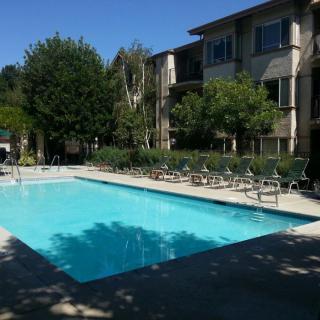
 Swimming pool / hot tub
 Telephone
 Wheelchair accessible showers
 Wi-Fi/high-speed internet available
 Burbank-Glendale-Pasadena (19 miles away)
 24-hour supervision
 Assistance with bathing
 Assistance with dressing
 Assistance with transfers
 Diabetes diet
 High acuity care
 Incontinence care
 Meal preparation and service
 Medication management
 Special dietary restrictions
 Transportation arrangement (medical)
 Transportation to doctors appointments
 Understanding Medicaid Coverage for Assisted Living: A Comprehensive Guide
 How and When Medicaid May Cover Assisted Living Costs
 A Detailed Exploration of Assisted Living Medicaid Waivers Across the United States