
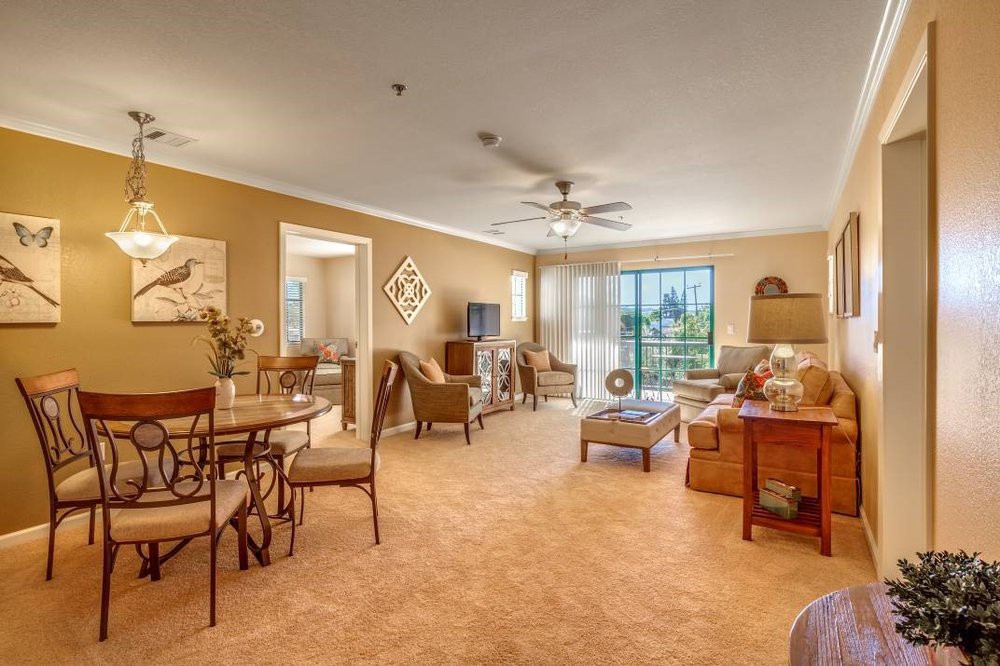
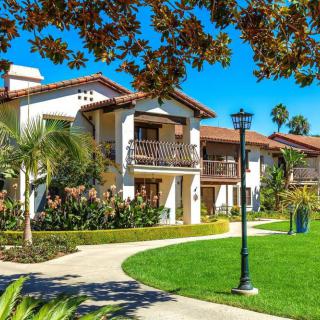







2550 Treasure Dr, Santa Barbara, CA 93105
To contact a resident: (805) 687-0701
For more information about senior living options: (866) 208-4318
The Samarkand Costs & Pricing
The Samarkand offers competitive pricing for its accommodations, particularly when compared to Santa Barbara County and the broader California market. Monthly rates for a studio apartment at The Samarkand are $2,065, significantly lower than the county average of $4,147 and the state average of $4,145. Likewise, their one-bedroom units are priced at $3,260, which is more affordable than both the county rate of $4,114 and California's average of $4,340. For those seeking two-bedroom apartments, The Samarkand charges $3,640 - a figure that is not only less than Santa Barbara County's rate of $3,945 but also markedly lower than the state's cost of $5,270. Overall, The Samarkand presents an attractive option for individuals and families looking for quality living at more reasonable prices.
| Floor plans | The Samarkand | Santa Barbara County | California |
|---|---|---|---|
| Studio | $2,065 | $4,147 | $4,145 |
| 1 Bedroom | $3,260 | $4,114 | $4,340 |
| 2 Bedrooms | $3,640 | $3,945 | $5,270 |
Assisted Living communities with a similar price nearby
-
About the same
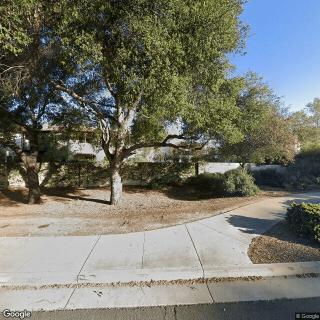
Maravilla
$2,050 to $5,095 / month5.1 miles away -
from +$275 / mo
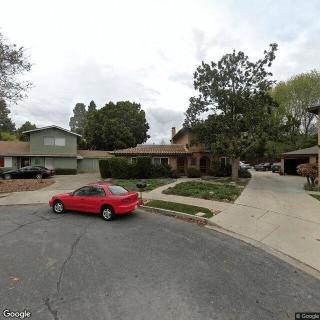
Vista Del Monte
$2,340 to $4,470 / month1.0 miles away
Overall Review of The Samarkand
Pros
 The Samarkand is a warm and welcoming community that takes great care in helping new residents adjust.
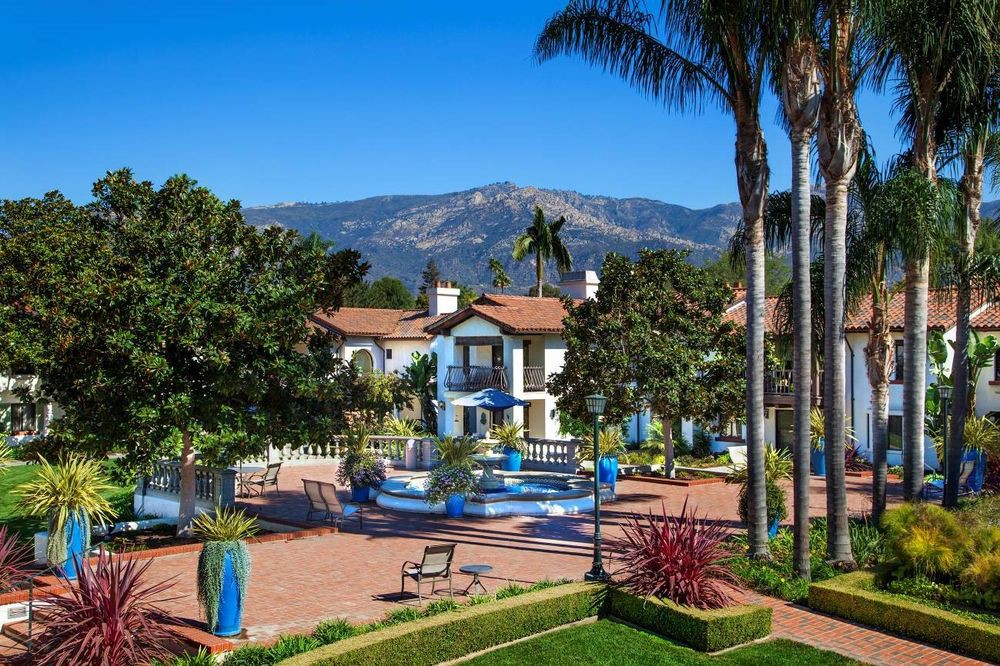
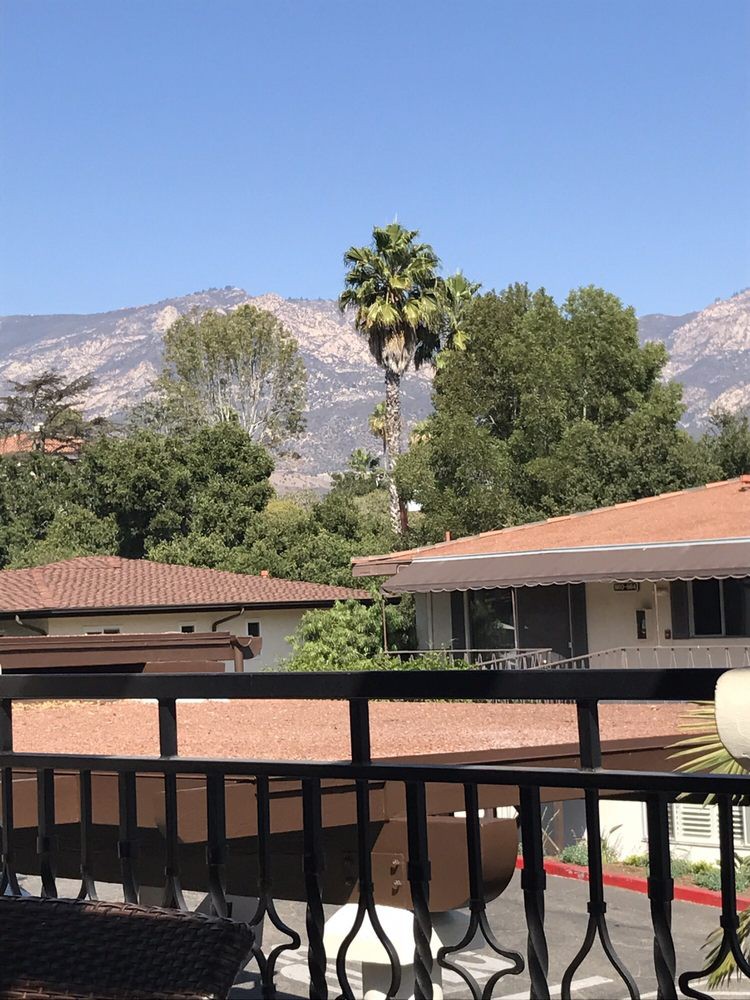
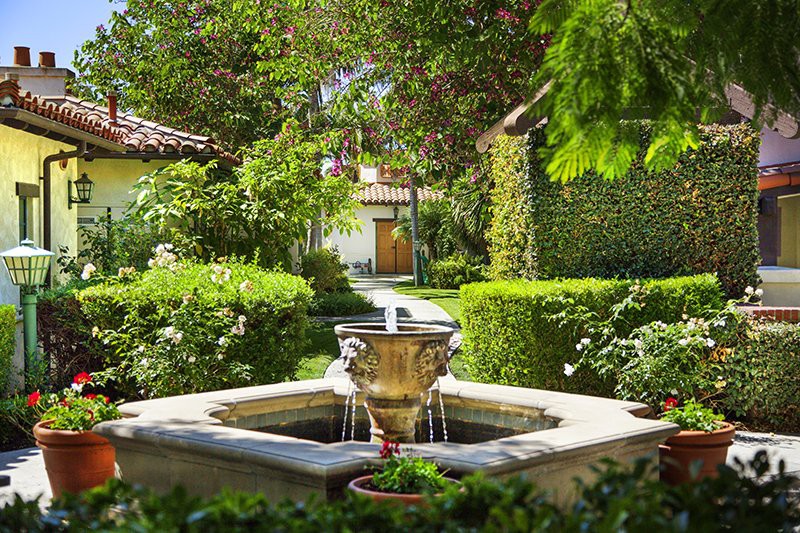
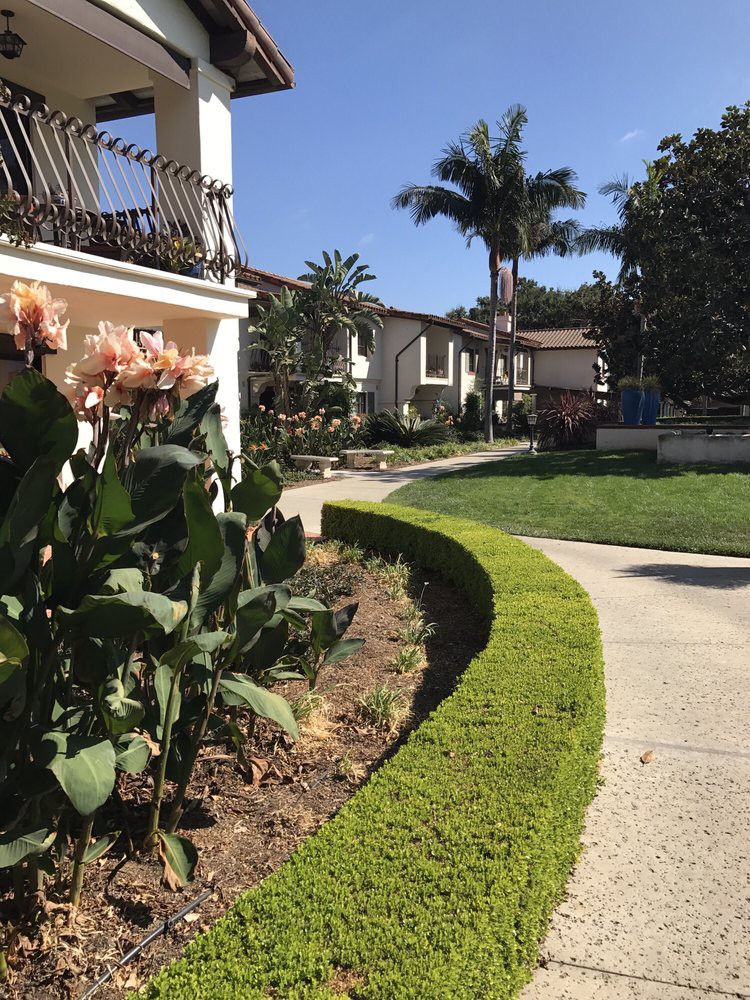
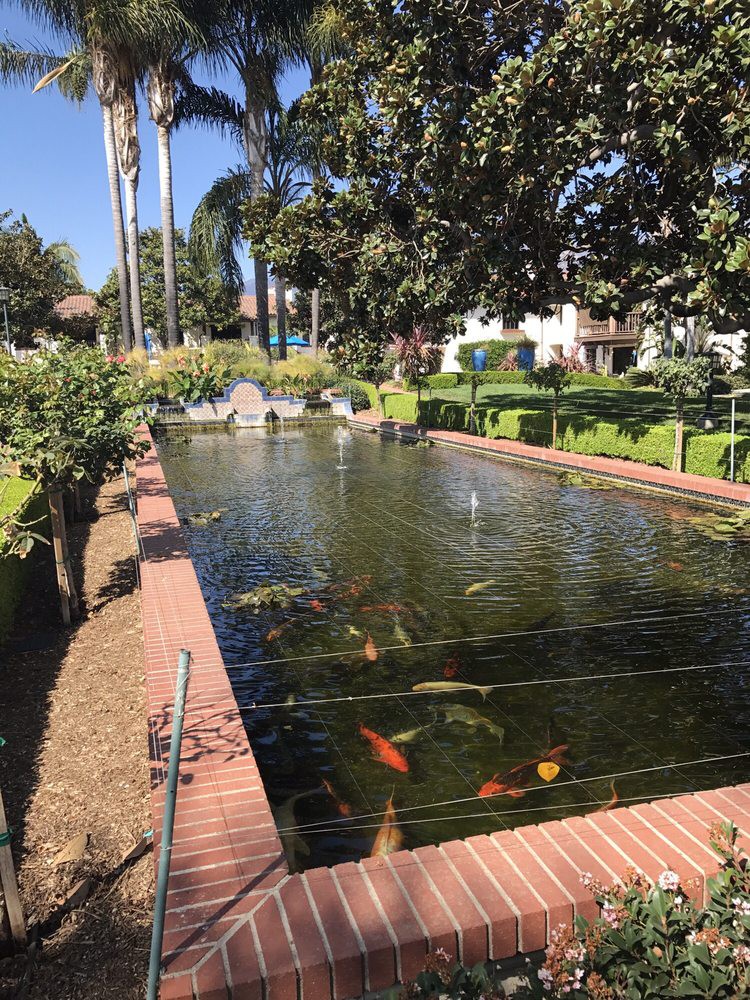
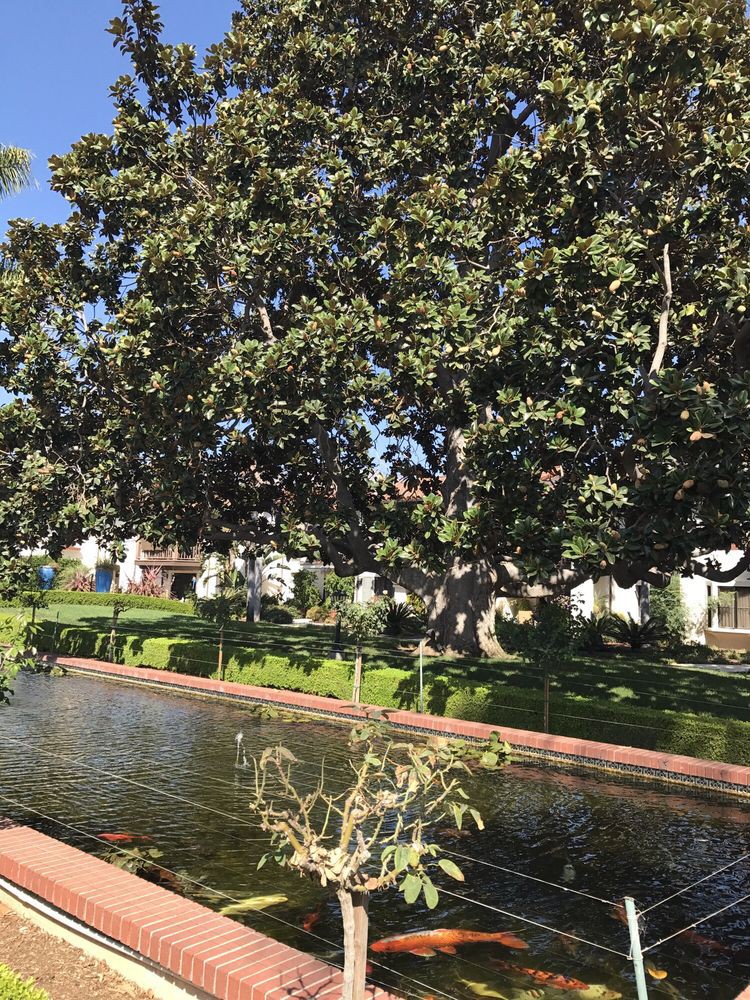
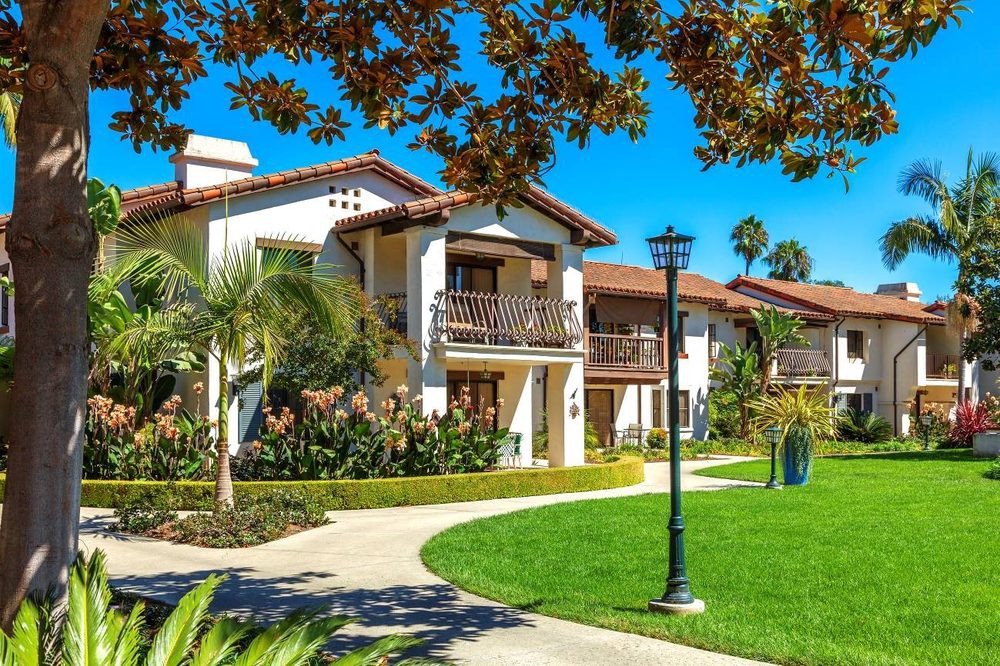
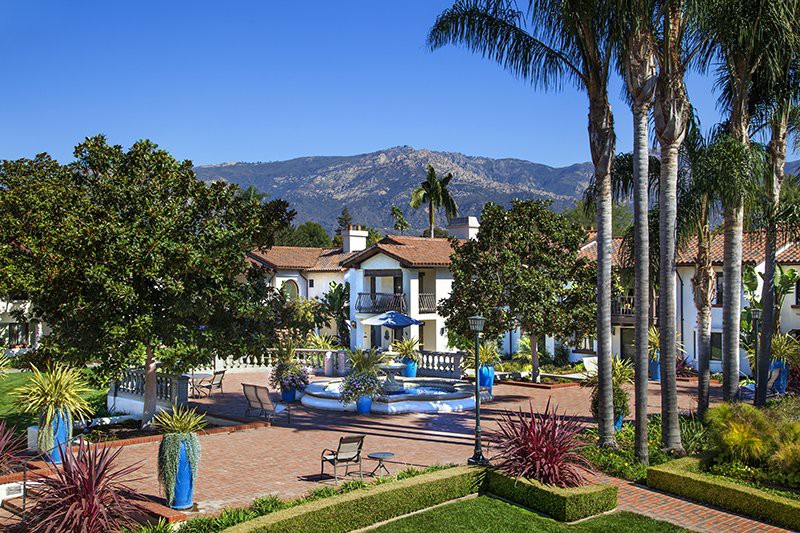
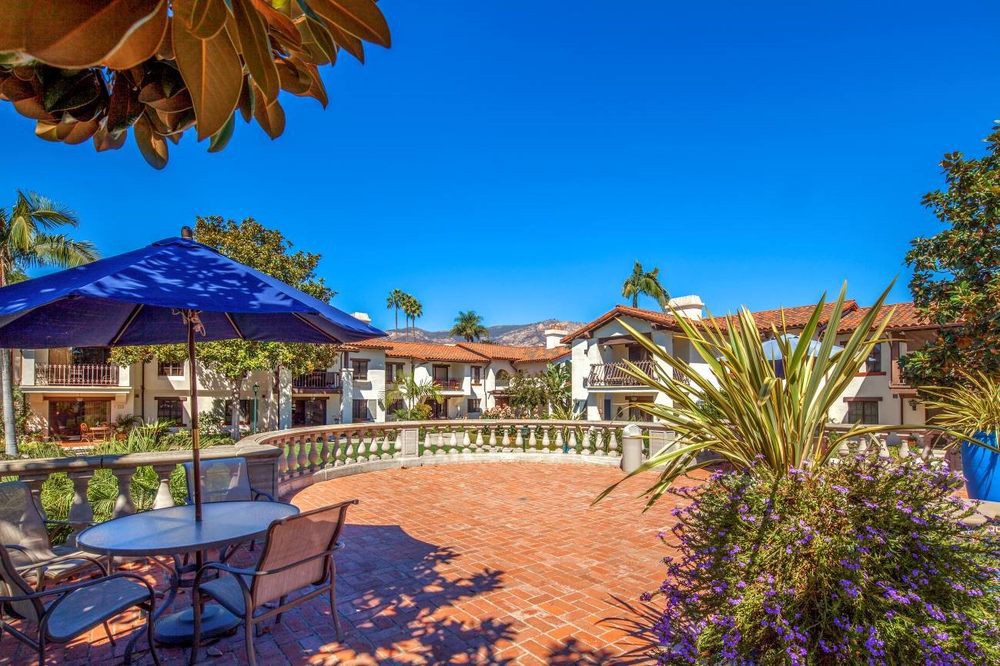
- It has exceptional staff, charming residents, and comfortable facilities in a beautiful setting.
- The residents love the food, the fitness classes, and the fun community activities.
- The location is central and convenient, with many shops, restaurants, and services within a short walk.
- The management and staff are like jewels in a crown.
- The Samarkand is by far the best choice for senior living in the Santa Barbara area.
- Residents feel coddled and loved while living there.
- The place is one of the nicest resorts discovered, and it is wonderful.
- The Samarkand is a unique continuing care community.
Cons
 The facility allegedly refuses to move an insulin-dependent resident to assisted living or memory care because he requires insulin.
- The reviewers claim that the facility lied.
- One reviewer questions how many residents the facility has deceived.
- The reviewers describe the skilled nursing as inadequate, noting residents were left in wheelchairs in the middle of the room and bathroom needs often went unaddressed.
- The reviewer states that the skilled nursing was double the price of the place they moved her to.
- One reviewer notes that the place is full of old people, which they view as a downside.
- The reviewers say that sales communications over the past three years suggested assisted living would be possible, creating false hope.
Review
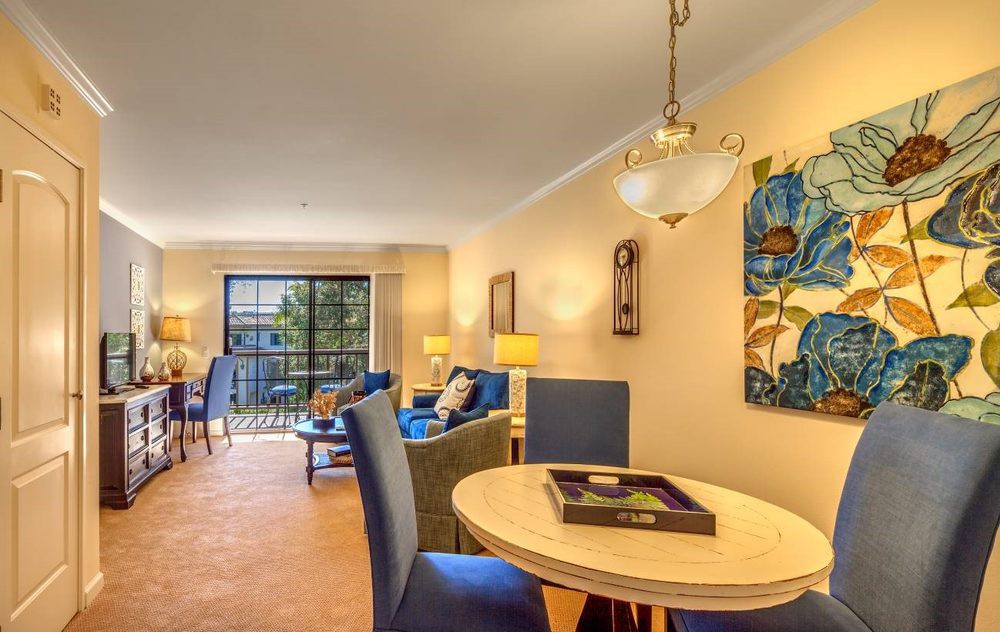
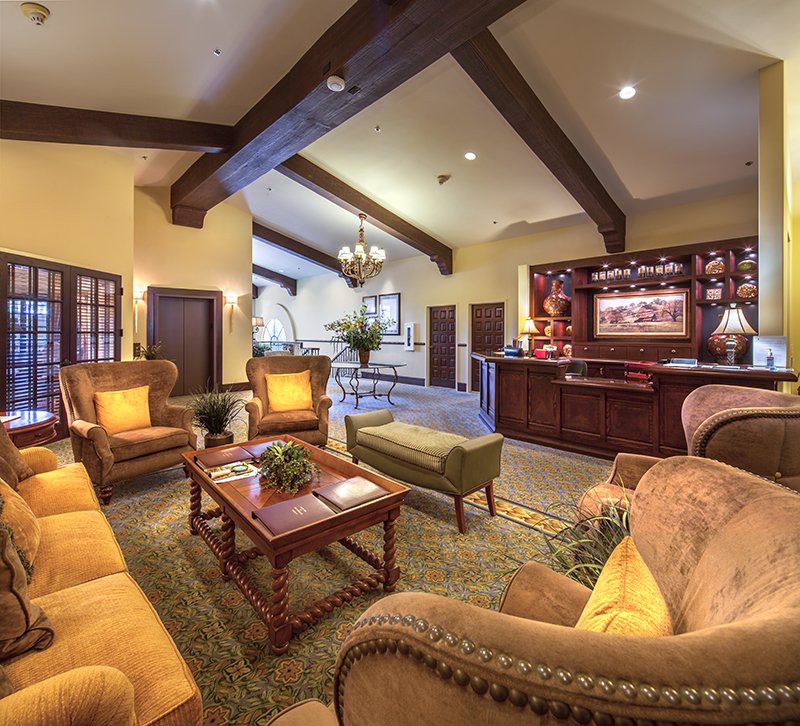
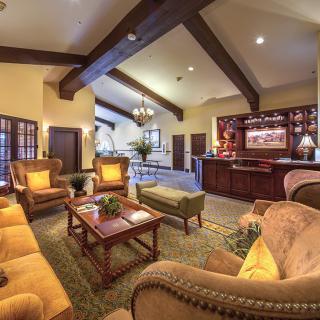
The Samarkand is best suited for active, socially inclined seniors who want a central Santa Barbara address, a resort-like feel, and the comfort of a continuing-care campus where independent living and care options sit on one campus. It rewards residents who value a robust calendar of activities, strong neighborly ties, and easy access to shops, restaurants, and services within a walkable radius. For families seeking a straightforward, all-inclusive guarantee of care as medical needs evolve, this community can be an excellent fit, so long as the contract and the onsite care pathways align with real-life needs.
But there are clear caveats that demand careful scrutiny. The most consequential is the discrepancy between promises of lifetime care and the practical gatekeeping around who qualifies for assisted living, memory care, or skilled nursing. One family’s experience highlights a painful gap: an insulin-dependent parent was told he could not move into the higher care levels because insulin use disqualifies him, despite a contract that speaks to eldercare progression on the same campus. The disconnect between the sales narrative and the actual admission criteria for care levels creates real risk for families who plan around a seamless care continuum. This is not a minor quirk; it changes the financial and emotional calculus.
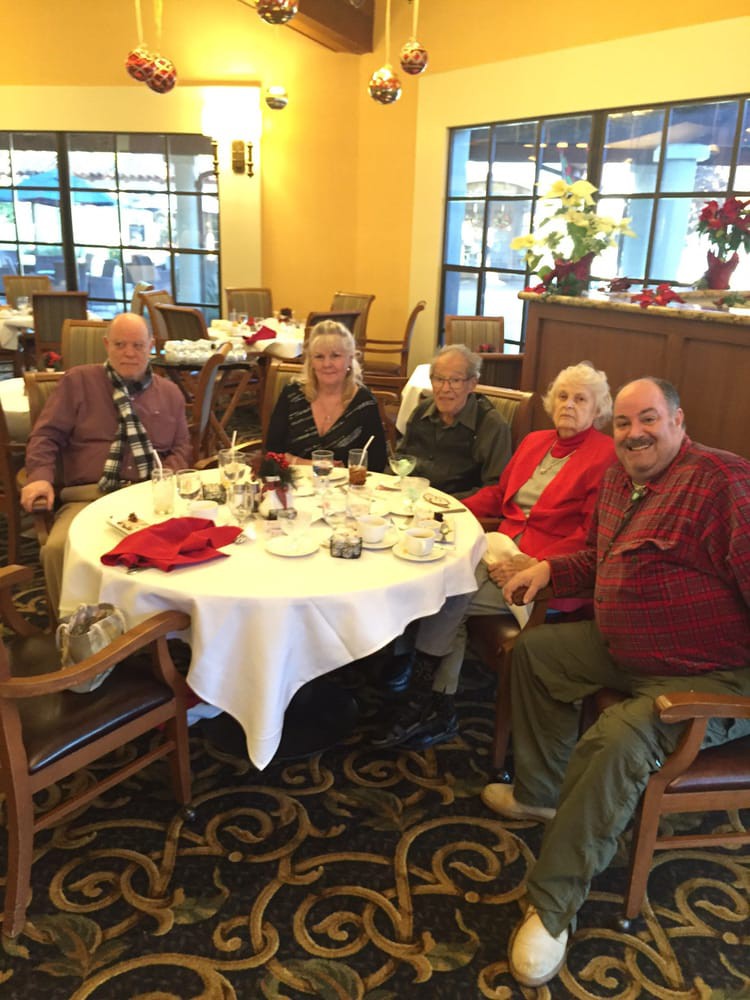
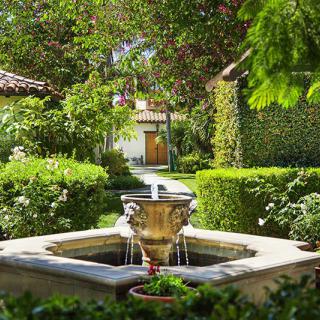
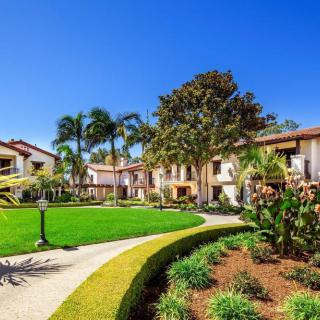
On the positive side, residents consistently describe a warm, welcoming culture anchored by attentive staff and fellow residents who become quickly close. The Samarkand earns praise for its staff who “make this place tick,” the sense of community among neighbors, and the abundance of social and wellness options, art classes, fitness, music, travel programs, and discussion groups, that keep life engaging and meaningful. The physical setting, beautiful, comfortable facilities in a walkable, lively neighborhood, complements the social energy. For families who prioritize quality interactions and a vibrant day-to-day life, these pros can heavily offset other concerns, especially when care needs stay within the independent or memory-care spectrum that is explicitly supported.
The most unsettling contrast is how the care portion of the continuum is sometimes experienced. Several reviews complain about the skilled-nursing environment: inadequate attention, long waits for assistance, and a price tag that can feel dramatically out of step with the service level. One family’s account of staffing gaps and wheelchair-bound residents left unattended in a common room points to systemic issues in bedside responsiveness. When price is coupled with perceived understaffing and delayed care, the value proposition narrows quickly for families whose loved ones will require frequent assistance. These concerns do not negate the social strengths, but they do undercut confidence in the on-site clinical safety net, especially for those who anticipate needing reliable, timely help.
In balancing the positives with the drawbacks, the continuum-on-campus appeal still matters, provided expectations are aligned. If the plan is to transition smoothly from independent living to assisted living or memory care without fighting for eligibility or facing service gaps, the Samarkand can be compelling. The emotional and social benefits, the sense of belonging, the staff warmth, the centrality of the location, can be decisive for families who are confident in the contract’s formalized protections and who have a realistic path for care escalation within the campus. For others, the friction between promises and eligibility, along with mixed SN experiences, can erode the advantages that a continuous-care model is supposed to deliver.
Altogether, this community demands a discerning approach. Prospective residents should explore not only the current living experience but the exact terms of the lifetime-care promise and the precise criteria for moving between levels. Those who require dependable insulin management within a memory- or nursing-level setting, or who fear variable SN quality, may want to compare alternatives where admission standards are crystal-clear and where on-site medical support aligns directly with the resident’s medical needs. Before committing, demand a detailed, written care plan that delineates eligibility, transition processes, and the full cost structure for all care levels.
For families moving toward a decision, practical next steps are essential. Request a formal, written explanation of how medicine management works for residents who require insulin and what approvals govern moving to assisted living or memory care. Obtain a copy of the contract’s lifetime-care language and any riders or exclusions, and have them reviewed by trusted counsel familiar with CCRCs. Speak directly with current residents and families about their care experiences in the on-site nursing area, and request a tour of the skilled-nursing facilities with questions about staffing ratios and response times. Finally, compare total cost scenarios against comparable options in Santa Barbara to ensure that the emotional and social benefits justify the financial commitment, should care needs shift over time.
 Assisted Living
 Independent Living
 Memory Care
 Skilled Nursing Facility
 Activities on-site
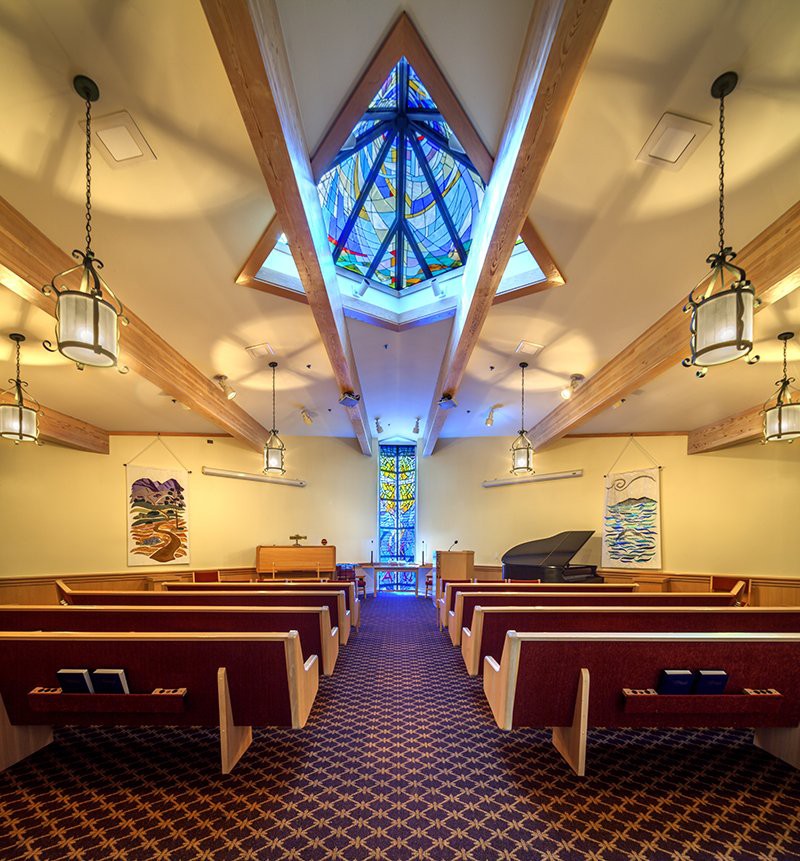
 Devotional services off-site
 Indoor common areas
 Santa Barbara Municipal (6 miles away)
 Ambulatory care
 Diabetic care
 Meals provided


 8 Key Indicators That Suggest It May Be Time to Transition from Assisted Living to Skilled Nursing Care
 Nourishing the Mind: Essential Dietary Approaches for Dementia
 Understanding Dementia Behaviors: Practical Insights and Strategies for Caregivers