
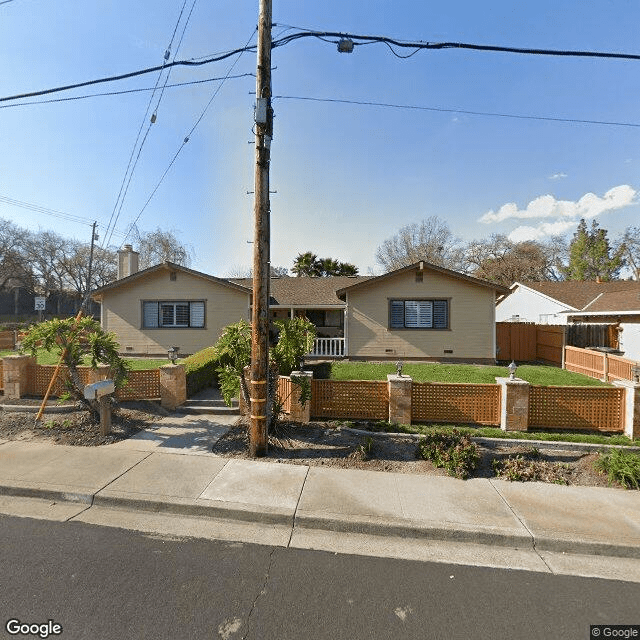
2809 Oak Creek Drive, San Ramon, CA 94583
To contact a resident: (925) 556-4389
For more information about senior living options: (866) 208-4318
Jabez Care Home Costs & Pricing
Jabez Care Home offers a competitive pricing structure for its private rooms at $3,500 per month. This cost is notably lower than the average rates in Contra Costa County, which stand at $4,088, and also below the state average of $3,939 for California. By providing quality care at a more affordable rate, Jabez Care Home positions itself as an attractive option for families seeking supportive living arrangements without compromising on care standards. This pricing strategy not only enhances accessibility but also reflects a commitment to serving the community's needs effectively.
| Floor plans | Jabez Care Home | Contra Costa County | California |
|---|---|---|---|
| Private | $3,500 | $4,088 | $3,939 |
Senior living communities with a similar price nearby
-
from -$500 / mo
Golden Harmony Elderly Care
$3,000 / month15.6 miles away -
from -$600 / mo
Parkside Manor
$2,900 to $3,600 / month4.7 miles away -
from -$500 / mo
Laylor Care Home For The Elderly
$3,000 to $4,000 / month17.2 miles away -
About the same
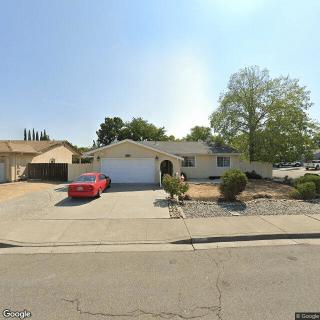
Gigi's Guest Home
$3,500 / month9.3 miles away -
from -$500 / mo

Palm Garden Home Care
$3,000 to $4,000 / month7.0 miles away
Overall Review of Jabez Care Home
Pros
 The facility provides 24/7 care and fully meets residents’ needs.
- It offers significantly lower costs than similar care homes.
- The staff are friendly and cooperative and reliably manage medications and appointments.
- It is recommended as a high-quality care home by caregivers.
- The care provided is long-term and attentive.
Cons
 They warned not to put a loved one in the home.
- They alleged that a patient broke their femur in front of staff and that it was concealed from the family and state until the patient was in so much pain they had to go to the ER.
- They claimed that the rent would be raised very soon after you start to feel comfortable.
Review
Jabez Care Home in San Ramon is best suited for families that prize affordability without sacrificing around-the-clock caregiving. It serves seniors who require continuous support and medication management but prefer a smaller, home-like setting over a large, institutional feel. The strongest selling point is cost relative to comparable options, combined with evidence of consistent daily care: a resident who needs 24/7 attention can receive ongoing assistance, and family members report that medications and appointments are diligently handled. For families who want a caregiver-driven environment where staff respond quickly to needs and visits are common, this community aligns with practical budgeting and reliability over polish.
Those who may want to consider alternatives are families prioritizing transparency and a proven safety culture. The reviews raise red flags about safety incidents and reporting practices, paired with a warning about rent increases. If a loved one has complex medical needs requiring stringent incident disclosure and rapid escalation protocols, or if robust governance and independent oversight are non-negotiables, other communities with clearer accountability may be a better fit. Budget flexibility to accommodate higher-end facilities could also dictate looking elsewhere, especially for those who want predictable pricing and formal assurances.
The favorable elements, low cost, 24/7 care, and supportive staff, redefine what affordability can mean in practice. When a caregiver needs continuous supervision, the ability of the staff to cover all needs around the clock is not negotiable, and Jabez reportedly delivers on that front. Medication administration and scheduling, a common pain point in smaller homes, appear to be managed competently. The personal touch, frequent visits and a staff that feels cooperative, carries real value for families who want peace of mind that a loved one is known and supported. These positives blunt some concerns about the facility’s modest footprint, but they do not erase the underlying governance questions.
However, the negative reviews cast a troubling shadow. Allegations that a patient sustained a femur fracture in the facility and that the incident was concealed from family and state authorities, until medical care became urgent, strike at the core of safety trust. If true, such conduct signals critical gaps in transparency, accountability, and regulatory compliance. The second recurring warning, upcoming rent hikes after families begin to settle, adds a financial vulnerability that compounds risk for fixed incomes. Together, these claims suggest a culture where problems may be hidden or deferred, which is incompatible with the expectations for trustworthy senior care.
Given the mixed signals, prospective families should treat Jabez as a high-contrast option: strong on cost and daily care, questionable on safety culture and financial predictability. The path forward is to verify, in writing, the facility’s incident reporting processes, staffing ratios, and the cadence of caregiver training. Direct conversations with current residents or families can illuminate whether the positive experiences are consistent across shifts. Request recent state inspections and any corrective action plans, and examine how billing practices are disclosed and documented to guard against unexpected increases. If those assurances cannot be produced, it is prudent to explore alternatives with clearer governance and stable pricing.
In the end, Jabez Care Home makes sense for a family prioritizing affordability and hands-on, around-the-clock support, provided the safety and governance concerns are acknowledged and actively mitigated. For families unwilling to accept potential opacity or financial volatility, moving toward other communities with stronger safety cultures and transparent pricing is advisable. The recommended path is to visit, scrutinize documentation, and compare with other options in the San Ramon area. This approach ensures a well-informed choice that aligns with the loved one’s care needs and the family’s risk tolerance.
 Board and Care Home
 Activities off-site
 Indoor common areas
 Outdoor common areas
 Private
 Respite or short term stays offered
 Wheelchair accessible showers
 Metropolitan Oakland International (15 miles away)
 Ambulatory care
 Diabetic care
 Meals provided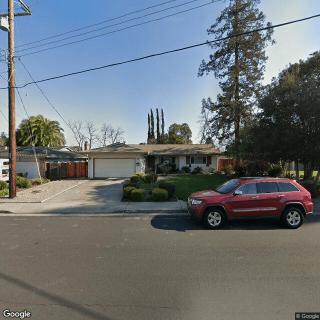



 A Detailed Exploration of Living Wills and Advance Directives
 Comprehensive Guide to Medicare Coverage for Hospice Care
 Caring for Those Who Care: Recognizing, Understanding, and Overcoming Caregiver Burnout