
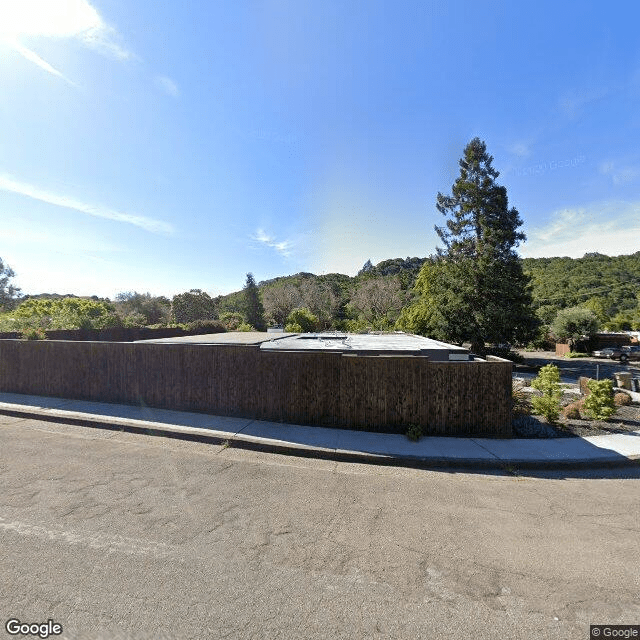
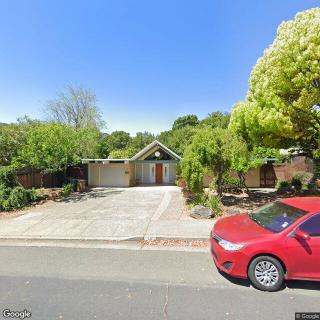
861 Greenberry Lane, San Rafael, CA 94903
To contact a resident: (415) 479-4686
For more information about senior living options: (866) 208-4318
Hill Terrace Residential Care Costs & Pricing
Hill Terrace Residential Care offers competitive rates for its services compared to both Marin County and the broader state of California. For a semi-private room, residents enjoy a monthly cost of $3,000, significantly lower than the county average of $4,362 and also below the state average of $3,333. Those opting for a private room at Hill Terrace will pay $3,800 per month, which is more affordable than Marin County's average rate of $4,771 and aligns closely with California's overall average of $3,939. This pricing structure positions Hill Terrace as an attractive option for families seeking quality residential care without exceeding their financial means.
| Floor plans | Hill Terrace Residential Care | Marin County | California |
|---|---|---|---|
| Semi-Private | $3,000 | $4,362 | $3,333 |
| Private | $3,800 | $4,771 | $3,939 |
Senior living communities with a similar price nearby
-
from +$500 / mo
East Bay Assisted Living
$3,500 to $5,000 / month23.8 miles away -
from -$500 / mo
Rose Arbor Senior Care
$2,500 to $4,620 / month13.8 miles away -
from -$278 / mo

LEF Home Care Specialists
$2,722 / month15.6 miles away -
from +$90 / mo

Helping Hearts Home Healthcare
$3,090 / month24.7 miles away -
from -$200 / mo

Nobis Care Homes
$2,800 to $3,200 / month20.6 miles away
Overall Review of Hill Terrace Residential Care
Pros
 The house is good.
Cons
 The corridors are very narrow.
- Mom's wheelchair may not work there.
- It is farther away from his friends than he would like.
Review
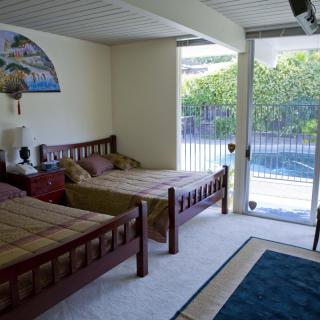
Hill Terrace Residential Care in San Rafael is best suited for seniors who prize a warm, home-like living environment with straightforward, predictable routines. The setting appears to favor residents who prefer comfort, privacy, and a calm daily rhythm over high-energy programming or expansive social venues. For families seeking a place with a steady atmosphere and a tangible sense of residence rather than a clinical or resort-like feel, Hill Terrace offers a practical, low-stress option that leans into the basics of daily living done well.
Those who should consider alternatives are primarily families with mobility needs that require wide, wheelchair-accessible corridors or ongoing, frequent access to a broader social network nearby. The single observed issue, a corridor layout that feels narrow for wheelchairs, points to a potential friction point for residents who rely on mobility devices for even short trips inside the building. Additionally, the concern about distance from a resident’s friends suggests that proximity to a familiar social circle matters, especially for ongoing visits and informal support. In short, anyone prioritizing easy vehicle or foot traffic through the interior and robust local social access may want to explore other communities.
From the limited but salient pros, Hill Terrace appears to offer a solid, homelike residence that can support daily independence in a low-stress environment. The “good house” impression signals a space that feels settled, orderly, and conducive to routine. Those conditions can offset some drawbacks for residents who are largely self-reliant or who do not rely on wheelchairs to move about; a predictable layout and comfortable common areas can reduce stress and make caregiving more manageable for staff. Yet the positive factors do not fully compensate for the mobility barrier or the social-distance concern, so the balance tilts decisively toward fit when accessibility and network proximity are central to needs.
Practically, the main action item for families evaluating Hill Terrace is to test the building’s layout against real mobility requirements. Tour with a mobility device in mind; assess whether corridors and doorways permit smooth passage, turning radii for wheelchairs, and the ease of moving between private space and common areas. Ask about available furniture arrangements, how spaces are navigated during daily routines, and whether alternative routes exist if congestion occurs. Inquire about coordinated transportation or organized visit opportunities that could help offset the distance to an older adult’s regular social contacts. These considerations turn a “good house” into a workable home when mobility and social ties align.
For decision-making, this community should be weighed against practical thresholds: can the resident move comfortably through interior spaces without encroaching on safety or independence, and is there a reliable way to sustain relationships with friends and family who live nearby? If the answer to both questions is yes, Hill Terrace offers a sensible, reassuring option that supports a quiet, dignified lifestyle. If either criterion raises doubt, if wheelchair access is a recurring hurdle or if informal social networks are a priority in daily life, consider alternatives that emphasize wider floor plans or closer community connections.
In sum, Hill Terrace Residential Care stands out as a practical, reassuring choice for seniors who value a stable, homelike atmosphere and can navigate through narrow interiors without assistance, or whose mobility needs are modest. Its strengths lie in the comfort and routine it can provide, which can translate to lower stress for both residents and families. The main caveats, restricted corridor width for wheelchairs and a potential detachment from a resident’s immediate social circle, tip the scale toward caution for those whose priorities include easy accessibility and proximity to friends. A candid assessment of mobility requirements and social-support needs will determine whether this community is the ideal next step or if alternatives with more expansive layouts and greater local connectivity are the better fit.
 Board and Care Home
 Cats allowed
 Dogs allowed
 Activities off-site
 Devotional services off-site
 Indoor common areas
 Outdoor common areas
 Private
 Respite or short term stays offered
 Wheelchair accessible showers
 Ambulatory care
 Diabetic care
 Incontinence care
 Meals provided

 Nurturing Our Loved Ones: A Daughter's Journey in Caring for Her Mother
 Nurturing Our Elders: Linda's Journey of Supporting Her Mother
 A Comprehensive Exploration of Common Misunderstandings about Powers of Attorney