
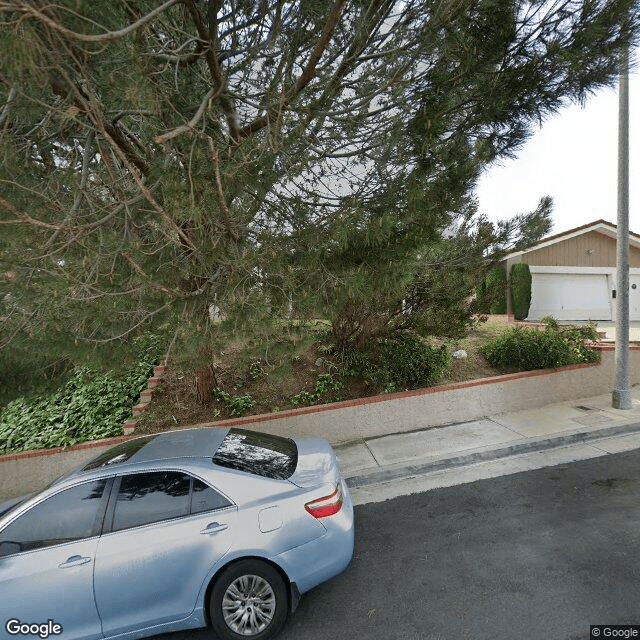
1080 Via La Paz, San Pedro, CA 90732
For more information about senior living options: (866) 208-4318
Serenity Guest Home III Costs & Pricing
Serenity Guest Home III offers competitive pricing for its services when compared to the broader market in Los Angeles County and the state of California. For semi-private accommodations, residents can expect to pay $2,600 per month, which is significantly lower than the county average of $3,349 and slightly under the state average of $3,333. Similarly, for private rooms, Serenity's rate of $3,800 remains more affordable than both the county's average at $4,197 and California's state average of $3,939. These cost advantages position Serenity Guest Home III as an appealing option for families seeking quality care without compromising on budget in a region where prices can often be prohibitive.
| Floor plans | Serenity Guest Home III | Los Angeles County | California |
|---|---|---|---|
| Semi-Private | $2,600 | $3,349 | $3,333 |
| Private | $3,800 | $4,197 | $3,939 |
Assisted Living communities with a similar price nearby
-
from +$200 / mo
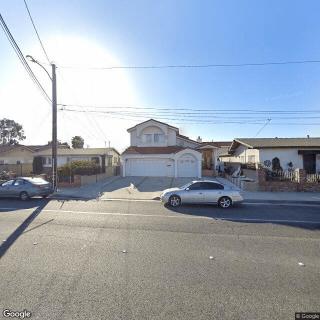
Leah Loving Elderly Care
$2,800 to $3,000 / month20.5 miles away -
from +$100 / mo
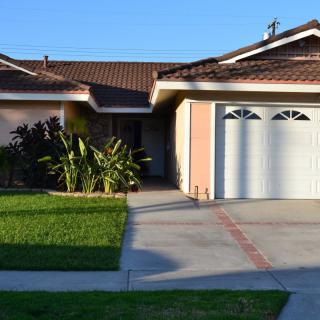
Loving Care Senior Home
$2,700 to $3,500 / month19.7 miles away -
from +$400 / mo
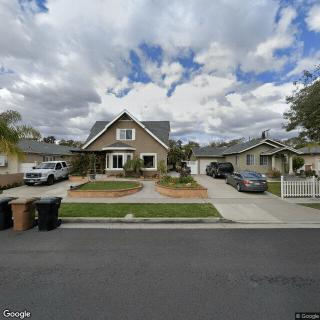
Tabi's Facility Home Care
$3,000 to $3,500 / month20.3 miles away -
from -$100 / mo
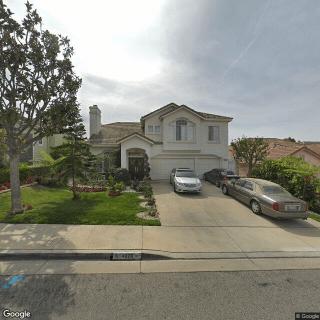
Eleanor's Residential Home
$2,500 to $6,000 / month17.2 miles away -
from +$200 / mo
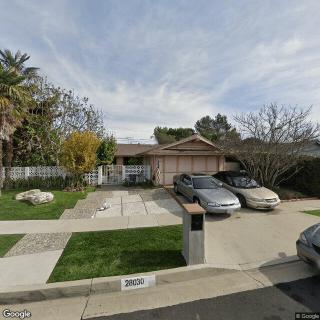
Angels Home Care
$2,800 to $3,800 / month5.7 miles away
Overall Review of Serenity Guest Home III
Pros
 It is a fantastic spot.
- It is centrally located for anything imaginable.
- Ana is very sweet.
- They will most definitely come back next year.
- The neighborhood is good.
- The place is clean.
- The staff is friendly.
Cons
 The current residents seemed to have low to very low capabilities and low sociability.
- The staff looked tired, and one member may have limited English.
- The quoted price was in the $2,000s, suggesting a high cost.
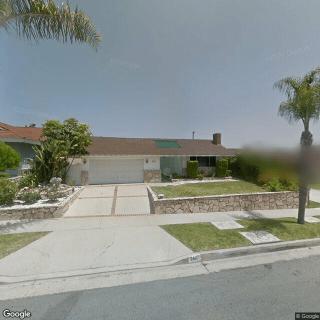
- The property had junk in the backyard and was not as clean as it should be.
- The arrival was mishandled, with no one meeting them and about a 20-minute wait.
- The shower design required stepping over the wall of the bathtub, which was disliked.
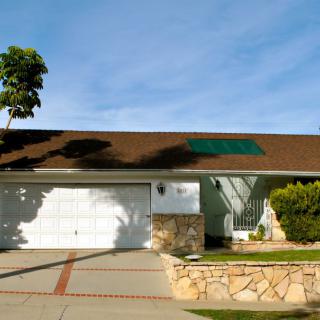
- The front door was not safe, the home was plain, and the yard was messy and in need of paint.
Review
Serenity Guest Home III in San Pedro is best suited for seniors who want a central, accessible location and a straightforward, home-like environment with a modest private room. The setting appeals to residents whose daily needs are modest, who favor quiet companionship rather than structured programming, and who can tolerate an older house that operates more like a residential home than a polished facility. The strongest alignment is for someone who values proximity to services, family visits, and outdoor space more than formal care teams or high-end amenities. In short, this is the option for a low-to-moderate care profile that prizes location and simplicity over clinical polish.
Those with higher care requirements or safety concerns should consider alternatives. Several reviews flag fundamental limitations: inconsistent staffing, limited English, and a pattern of upkeep that undermines a professional impression. The property’s front door feels unsafe, the yard can appear cluttered, and some interiors need painting or repair. If immediate, reliable caregiving, strong supervision, regular social programming, or guaranteed cleanliness are non-negotiables, a larger, more professionally managed assisted-living community is a safer bet. For memory support, mobility impairment, or medical needs, the gaps here won’t be bridged by a live-in couple with three days off every two weeks.
On the plus side, the positives are real and tangible. A central San Pedro address makes errands, appointments, and family drop-ins easier, and the neighborhood tone is described as good. The property features a decently sized private room and a generously landscaped backyard that offers outdoor space without needing to navigate a sprawling campus. The presence of Ana, cited as very sweet, also signals a warm, personal touch that can make a resident feel seen in a low-stress home environment. For a person who wants a simple, affordable foothold in senior living while staying close to familiar circles, these elements represent meaningful value.
However, the favorable pieces are balanced by serious constraints. The same reviews that praise location also caution that current residents display low to very low sociability and capability, implying limited peer interaction and modest daytime stimulation. Staffing tends to be lean and fatigued, with notes that caregivers are working long hours and may speak limited English. This combination raises questions about safety nets during evenings, weekends, or when urgent needs arise. For a resident who expects regular social engagement, consistent assistance, or clear communication with caregivers, the reality here falls short of what many families assume when choosing assisted living.
Maintenance and safety gaps further complicate the picture. Repeated observations describe a home that’s not always clean to standard, with yard clutter and exterior wear that signals ongoing upkeep challenges. A front door described as not safe adds a concrete risk factor, while interiors noted as plain and in need of paint or repair undermine long-term comfort. Caregivers allegedly lack information about the house, which translates into uncertain day-to-day routines. In practice, this means families stepping in to supervise scheduling, coordinate care, and verify that basic safety and daily living tasks are being managed. That extra layer is essential here.
Decision-ready families will conclude that Serenity Guest Home III can work for a narrowly defined niche: someone who values location, privacy, and a simple, home-like ambiance, paired with low-to-moderate care needs and a willingness to oversee daily operations closely. For others, those requiring reliable staffing, robust safety measures, strong cleanliness standards, and active social programming, alternatives should be pursued. A disciplined approach to visiting: request a daytime and evening stay, meet the caregiver team in depth, inspect the living spaces and safety features, and confirm licensing and recent inspections. When these checks align, the center’s strengths can justify its place in a short list.
 6 resident community capacity
 Assisted Living
 Board and Care Home
 Cable or satellite TV
 Dining room
 Fully furnished
 Garden
 Housekeeping services
 Move-in coordination
 Outdoor space
 Private
 Telephone
 Wi-Fi/high-speed internet available
 Long Beach (Daugherty) (10 miles away)
 24-hour supervision
 Activities of daily living assistance
 Assistance with bathing
 Assistance with dressing
 Assistance with transfers
 Diabetes diet
 Meal preparation and service
 Medication management
 Special dietary restrictions
 Transportation arrangement (medical)
 Transportation to doctors appointments


 Choosing the Right Senior Care: A Detailed Exploration of Assisted Living and Nursing Homes
 Understanding the True Cost of Assisted Living in 2025: A Comprehensive Guide
 Understanding Medicaid Coverage for Assisted Living: A Comprehensive Guide