
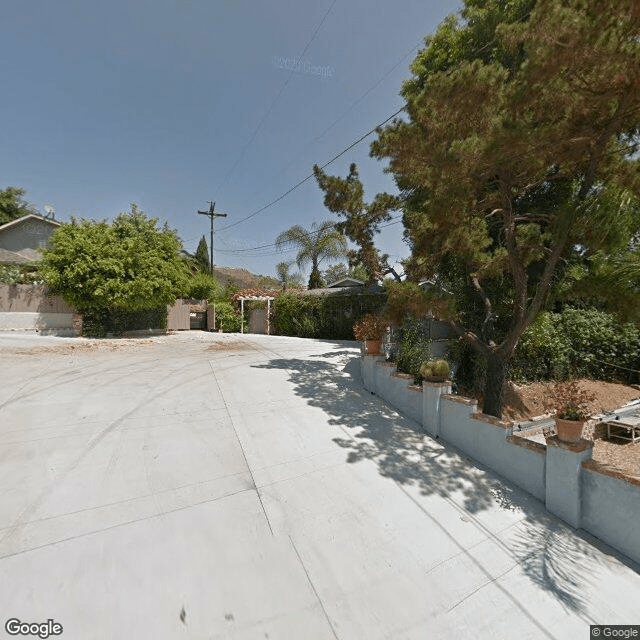
1961 Edwin Lane, San Marcos, CA 92069
To contact a resident: (760) 471-8704
For more information about senior living options: (866) 208-4318
Twin Oaks Garden II Costs & Pricing
Twin Oaks Garden II offers a competitive monthly rate for private rooms at $3,000, which is significantly lower than the average costs in both San Diego County and across California, where the typical price stands at $3,939. This pricing not only positions Twin Oaks Garden II as an attractive option for individuals seeking quality care without the financial strain often associated with similar facilities but also highlights its commitment to delivering value while maintaining high standards of service. By choosing Twin Oaks Garden II, residents can benefit from substantial cost savings while enjoying a comfortable and supportive living environment.
| Floor plans | Twin Oaks Garden II | San Diego County | California |
|---|---|---|---|
| Private | $3,000 | $3,939 | $3,939 |
Senior living communities with a similar price nearby
-
from -$200 / mo
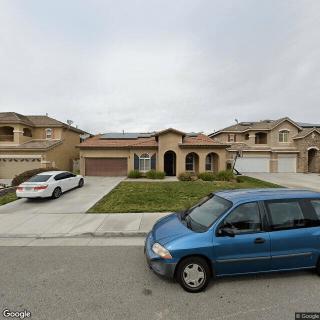
Pebble Brook Senior Home Care
$2,800 to $4,000 / month21.8 miles away -
from +$500 / mo
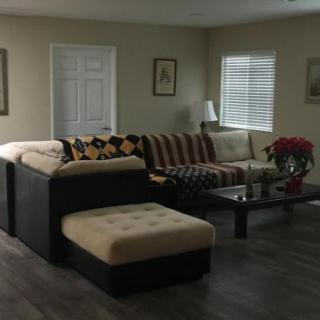
Gold Coast Senior Care
$3,500 to $4,500 / month19.1 miles away -
from +$500 / mo
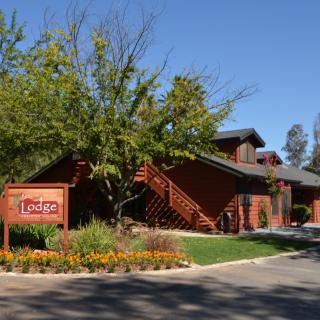
Ramona Senior Lodge Assisted Living
$3,500 to $5,500 / month18.5 miles away -
from -$500 / mo
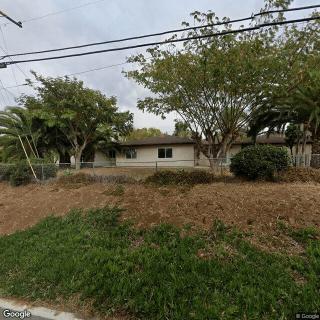
Golden Retreat - Senior Residential Care
$2,500 to $3,000 / month3.4 miles away -
from -$500 / mo
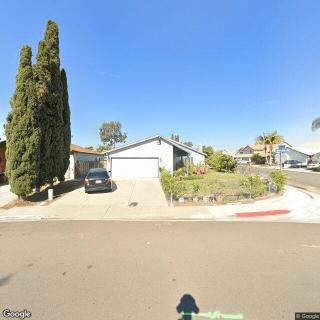
Alychris Senior Board and Care
$2,500 to $3,000 / month17.2 miles away
Overall Review of Twin Oaks Garden II
Pros
 Grandma is in a great place.
- The owner has been there every time she has visited.
- The caregivers have been great.
- The communication with family has been excellent.
- The staff are very pleasant and friendly.
- Special menus can be prepared upon request.
- The facility is very nice, clean, and well organized.
- Twin Oaks provides a small, intimate setting with a welcoming community.
Cons
 They do not have a piano for residents to play.
- They charge an extra $500 for oxygen and incontinence.
Review
Twin Oaks Garden II in San Marcos is best suited for families seeking a small, intimate, family‑run residential care setting where the owner’s hands‑on leadership and daily personal attention translate into unusually high caregiver continuity and responsive communication. It works well for a resident who values a quiet, home‑like rhythm, highly personalized meal service, and clear, frequent updates to family members. This is not a facility built for a bustling campus feel; it is a deliberate, low‑key arrangement that rewards residents who thrive on familiarity, predictable routines, and direct access to management.
The standout strengths come from tangible, daily leadership and a tightly knit care team. The owner is consistently present, and visits routinely include personal touches, such as attending to grooming tasks or other grooming‑level care, underscoring a level of attentiveness rarely seen in larger communities. Caregivers garner strong praise for kindness and reliability, and family communication is described as excellent, with updates and responsiveness cited as a real differentiator. The environment itself reflects care and order: clean, well organized, and easy to navigate. For families seeking a setting where concerns are addressed promptly and decisions can be made swiftly, Twin Oaks Garden II delivers.
Size and structure matter here. The facility operates with two housing units and a very small resident census, one unit described as housing just four people. This configuration creates an unusually tight, homelike atmosphere where staff can tailor routines and meals with remarkable granularity. For the incapacitated resident, meals can be delivered to the room while others gather for shared meals, and the facility is willing to accommodate dietary preferences or special menus. Such proximity between residents, staff, and family oversight translates into a level of customization that is hard to match in larger homes or communities.
Pricing and potential hidden costs occupy a meaningful place in the decision. The base rate sits around $3,500 per month, which for this segment of care is competitive when weighed against the quality of personal attention and family‑centered culture. However, there are add‑on charges, roughly $500 extra, for oxygen support and incontinence care. These line items are not unique to this home, yet they can swing monthly costs in a meaningful way for residents who require such services. The transparency around these charges matters, and families will want to confirm precisely when and how these add‑ons apply as care needs evolve.
Despite the many advantages, certain realities may steer families toward alternatives. The most evident is the limited social and activity footprint inherent to a two‑unit, small‑scale setting. For seniors who crave a fuller calendar of activities, more robust programming, and a broader social ecosystem, a larger community may be a better fit. The lack of a few amenities, most notably, a piano, points to a level of accessibility and enrichment that more expansive homes might provide. Finally, for residents with complex medical needs requiring frequent nursing oversight, a larger, more resource‑rich facility could offer stronger on‑site medical coordination and urgent supports.
In the end, Twin Oaks Garden II stands out for families prioritizing intimate, highly personalized care, with a clear line of sight to leadership and a home‑like daily life. It is a compelling choice for those who value responsive communication, consistent caregiving, and the flexibility to tailor meals and routines to individual preferences. Families weighing alternatives should consider the trade‑offs: a larger community with more activities and medical resources may better serve residents who require ongoing social programming or higher levels of clinical support. To decide, arrange a visit with specific questions about staff ratios, care level flexibility, and the exact pricing structure, especially around oxygen and incontinence services, to determine if the small‑scale, owner‑led model aligns with the resident’s needs and family expectations.
 1-bedroom apartments
 Board and Care Home
 Private
 MC Clellan-Palomar Airport (8 miles away)
 Ambulatory care


 Nurturing Our Elders: Linda's Journey of Supporting Her Mother
 A Comprehensive Exploration of Common Misunderstandings about Powers of Attorney
 Senior Move Management: Understanding the Role, Value, and Associated Costs