
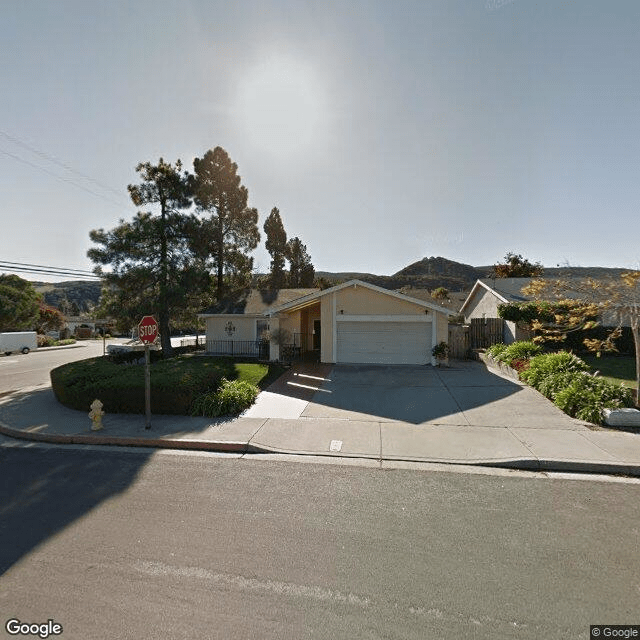
1015 San Adriano, San Luis Obispo, CA 93405
For more information about senior living options: (866) 208-4318
Sunrise Terrace Rcfe III Costs & Pricing
Sunrise Terrace Rcfe III offers competitive pricing for its residents, particularly when compared to the broader San Luis Obispo County and the state of California. The facility charges $3,000 per month for a semi-private room, which is notably lower than the county average of $3,575 and slightly above the state average of $3,333. For those seeking more privacy, a private room at Sunrise Terrace Rcfe III is priced at $4,000 per month. This rate remains within reach when considering that it is below the county average of $4,372 and only slightly exceeds the state's average of $3,939. Overall, Sunrise Terrace Rcfe III presents an appealing option for individuals or families looking for quality care in a cost-effective environment.
| Floor plans | Sunrise Terrace Rcfe III | San Luis Obispo County | California |
|---|---|---|---|
| Semi-Private | $3,000 | $3,575 | $3,333 |
| Private | $4,000 | $4,372 | $3,939 |
Assisted Living communities with a similar price nearby
-
from +$200 / mo
Oak Park Manor
$3,200 / month9.8 miles away -
About the same
Wyndham Residence
$2,995 to $3,300 / month11.5 miles away -
from -$100 / mo

The Villages of San Luis Obispo
$2,900 to $4,800 / month2.6 miles away -
from -$200 / mo

Avila Senior Living at Downtown SLO
$2,800 to $6,800 / month2.1 miles away -
About the same
Sunrise Terrace
$3,000 to $4,000 / month0.4 miles away
Overall Review of Sunrise Terrace Rcfe III
Pros
 The owner is an RN and attends doctor appointments, showing responsibility.
- The Oceanaire home is appealing.
- The Mission-style patio is appealing.
Review
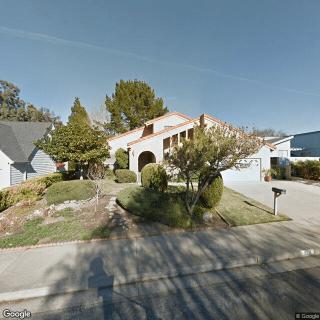
Sunrise Terrace Rcfe III in San Luis Obispo is best suited for seniors who want a small, intimate residential care home with hands-on medical oversight and a clearly home-like atmosphere. The standout feature is that the owner is a registered nurse who accompanies residents to medical appointments, delivering medical coordination and continuity that families often struggle to secure in larger settings. The environment feels personable and low-key, with references to a comfortable patio and design cues that echo Oceanaire-style homes. A solid four-star impression from the cited review signals that, for families prioritizing direct medical involvement and a less institutional feel, this community delivers.
Alternatives should be on the radar for residents with broader or more complex care needs. Those requiring constant professional nursing, a full calendar of structured activities, or specialized memory care programs may find the footprint and staffing of a small RCFE insufficient. Families seeking robust transportation options, on-site therapies, or expansive social programming may prefer larger facilities or continuum-of-care communities. For residents who expect round-the-clock nursing or a higher level of care in a more expansive environment, Sunrise Terrace Rcfe III may not check every box.
On the upside, the owner’s RN background translates into tangible advantages: medical coordination, smoother appointment logistics, and clarity when questions arise about medications or treatment plans. The care model appears to hinge on personalized attention in a home-like setting, which often translates into fewer transfers and a more consistent daily routine. The impression of a well-kept patio and a layout resembling familiar, smaller homes adds to the sense of security and comfort for residents who resist institutional vibes. This combination can reduce stress for families and foster a sense of autonomy for residents.
Yet the obvious caveat is the lack of breadth that accompanies a small operation. With only a single public review available, the data pool is shallow, leaving questions about staffing ratios, nighttime coverage, activities, and safety protocols. If the owner has other commitments or needs to attend appointments, there may be times when on-site availability is limited. The absence of explicit details on emergency procedures or on-site therapeutic services leaves some families unsure how care would scale if health needs intensify or if hospital-level care becomes necessary. These potential gaps are not fatal, but they are real trade-offs against the strengths of medical oversight and home comfort.
For families evaluating Sunrise Terrace Rcfe III, the yardstick should be clear: prioritize medical coordination and a home ambiance, and this option stands out. Prepare to ask precise questions about staff coverage, how medications are managed, the process for coordinating with physicians, and what happens if the care needs rise. If the responses align with expectations, the setting can deliver a stable, low-stress home base with reliable medical touchpoints. If not, alternative arrangements with broader staffing, more structured programming, or deeper memory care capabilities may deliver peace of mind more effectively.
In the end, Sunrise Terrace Rcfe III is best suited for seniors who want an intimate, medically connected living arrangement with a warm, home-like feel. It is a practical, well-suited choice for families that prioritize easy access to medical oversight and a cozy environment over the bells and whistles of larger communities. The decision should hinge on comfort with a smaller footprint and readiness to trade some breadth of services for the RN-led coordination and personal touch that defines this particular home. Those who require extensive daily programming, 24/7 nursing, or specialized memory care should continue the search.
 6 resident community capacity
 Assisted Living
 Board and Care Home
 Cable or satellite TV
 Dining room
 Fully furnished
 Garden
 Housekeeping services
 Move-in coordination
 Outdoor space
 Private
 Telephone
 Wi-Fi/high-speed internet available
 San Luis Obispo Co-McChesney (4 miles away)
 24-hour supervision
 Activities of daily living assistance
 Ambulatory care
 Assistance with bathing
 Assistance with dressing
 Assistance with transfers
 Diabetes diet
 Diabetic care
 High acuity care
 Meal preparation and service
 Medication management
 Special dietary restrictions
 Transportation arrangement (medical)
 Transportation to doctors appointments
 Exploring the Contrasts Between Assisted Living and Skilled Nursing
 8 Key Indicators That Suggest It May Be Time to Transition from Assisted Living to Skilled Nursing Care
 Vibrant Senior Living: A Comprehensive Guide for Active Older Adults