
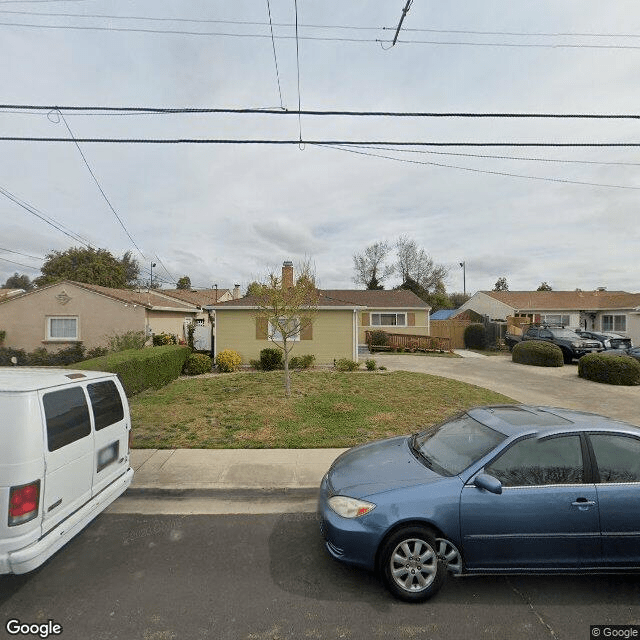
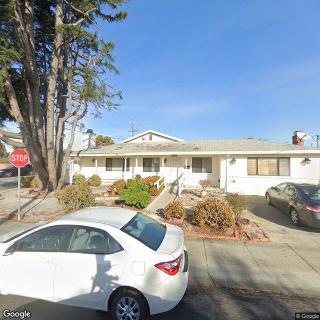
15734 Via Esmond, San Lorenzo, CA 94580
For more information about senior living options: (866) 208-4318
At Home Elderly Care Costs & Pricing
When considering at-home elderly care, costs in Alameda County and across California present a compelling comparison. The average monthly cost for semi-private care at home stands at $2,800, which is notably more affordable than the county's average of $3,273 and the state's average of $3,333. For those opting for private care, the expenses rise to $3,200 monthly - still below both the county rate of $3,748 and the statewide average of $3,939. These figures underscore that choosing at-home elderly care can provide a more economical solution while ensuring personalized attention in a familiar environment, ultimately allowing families to prioritize their loved one's comfort and well-being without excessive financial strain.
| Floor plans | At Home Elderly Care | Alameda County | California |
|---|---|---|---|
| Semi-Private | $2,800 | $3,273 | $3,333 |
| Private | $3,200 | $3,748 | $3,939 |
Assisted Living communities with a similar price nearby
-
from +$200 / mo

Palm Garden Home Care
$3,000 to $4,000 / month12.9 miles away -
from -$300 / mo
Ava Bella Care Home
$2,500 to $3,000 / month7.1 miles away -
from +$395 / mo
Harbor Bay Assisted Living
$3,195 to $5,000 / month7.5 miles away -
from +$200 / mo

Eden Assisted Living
$3,000 / month3.2 miles away -
from -$300 / mo

San Carlos Elms
$2,500 to $5,880 / month13.7 miles away
Overall Review of At Home Elderly Care
Pros
 The care home is responsive, personable and caring.
- The staff do their best to provide quality care.
- The home is a comfy, quiet place, ideal for a small number of dementia residents.
Review
At Home Elderly Care in San Lorenzo is best suited for families seeking a small, home-like setting where caregiving feels personal and responsive. The reviews highlight a staff that is personable, attentive, and genuinely caring, delivering daily support with a sense of warmth. The facility’s quiet, comfortable atmosphere makes it an appealing fit for residents who benefit from low stimulation and close supervision, particularly those with early to mid-stage dementia. In practice, the setting supports intimate, hands-on care, quicker adjustments to care plans, and a calm daily rhythm that can reduce agitation and confusion for residents who do not require a large, activity-heavy environment.
Who may want alternatives? Those shopping for robust, facility-wide dementia programming or extensive medical oversight may want to look elsewhere. The small scale that makes this home feel intimate also constrains activity variety, peer interaction opportunities, and access to a broad pool of staff with advanced dementia training. For residents who require frequent, complex medical management or two-person transfers, a larger memory-care unit with on-site nursing and more structure may be a better match. In short, if quiet stability and individualized attention are paramount but care complexity is high, this setting may fall short of needs.
The strongest pros are human: consistent, responsive care and a genuinely home-like environment that puts residents at ease. This combination translates into dependable daily supervision, steady routines, and a sense of safety that is hard to duplicate in bigger communities. The quiet milieu is especially beneficial for dementia residents who benefit from predictable surroundings and minimal overstimulation. These strengths can offset some potential drawbacks of limited staff availability or a lean activity calendar, making the facility a compelling choice for families who value trust, warmth, and steady caregiving above breadth of services.
Yet the overall rating and the repeated emphasis on a small-scale model suggest reasonable, not flawless, performance. Three mid-range reviews alongside two strong ones imply that experiences can vary, with some families encountering gaps in consistency, programming, or engagement. That variance matters because dementia care thrives on continuity and meaningful daily activities; when those elements aren’t consistently present, the advantages of a calm home environment can fade. Prospective residents should probe into shifts in staffing, how care plans are updated, and what happens when a resident’s needs shift.
Practical decision steps are essential. Arrange a tour focused on real-time interactions between staff and residents, and observe how caregivers respond to day-to-day questions about meals, routines, and activity options. Inquire about staff-to-resident ratios during peak hours and how often care plans are reviewed with families. Validate the availability of dementia-appropriate activities and whether individualized memory-care plans can be implemented. Clarify medication handling, hydration monitoring, and family communication channels. If quiet, personalized attention with a small, cohesive community resonates, this home delivers. If broader programming, more extensive nursing oversight, or larger peer networks are priorities, keep exploring.
Bottom line: At Home Elderly Care provides a compassionate, intimate option for seniors with dementia who flourish in a calm, home-like setting and value responsive caregiving. Its strengths, attentive staff, warmth, and a tranquil daily environment, deliver meaningful quality of life benefits for residents who fit a small-scale model. The trade-offs are a more limited activities slate, fewer opportunities for varied social interaction, and potentially less formal memory-care programming than in larger facilities. For families prioritizing quiet, individualized attention and a stable routine, this community is compelling and worth a serious look. For those needing expansive programming, more robust medical oversight, or a broader resident community, alternatives should be pursued with careful evaluation of staffing, routines, and care governance during visits.
 5 resident community capacity
 Assisted Living
 Board and Care Home
 Activities off-site
 Bath tubs
 Cable or satellite TV
 Devotional services on-site
 Dining room
 Fully furnished
 Garden
 Housekeeping services
 Indoor common areas
 Move-in coordination
 Outdoor common areas
 Private
 Respite or short term stays offered
 Telephone
 Wheelchair accessible showers
 Wi-Fi/high-speed internet available
 Metropolitan Oakland International (5 miles away)
 24-hour supervision
 Ambulatory care
 Assistance with bathing
 Assistance with dressing
 Assistance with transfers
 Diabetes diet
 High acuity care
 Incontinence care
 Meal preparation and service
 Medication management
 Special dietary restrictions
 Transportation arrangement (medical)
 Transportation to doctors appointments
 Christian services

 Securing Financial Support for Assisted Living: A Comprehensive Overview
 Social Security Benefits and Assisted Living: Navigating Options Across the U.S.
 An Extensive Exploration of the VA Aid and Attendance Benefit