For more information about senior living options: (866) 208-4318
4.4 from 41 reviews
5 stars
34
4 stars
0
3 stars
1
2 stars
0
1 stars
6
Overall Review of TheKey of San Juan Capistrano, CA
common25 reviews mention this
Workplace caring is frequently praised
Several reviewers describe a caring workplace where people are treated with attention and compassion.
Many of the positive reviews speak to how the organization treats employees and how employees feel supported. Reviewers use words like caring, love the people, and invested in employees, pointing to a consistent tone about day-to-day culture at work. A few also describe feeling proud to be part of an organization that emphasizes care.
common4 reviews mention this
Growth and development come up often
Residents and families aren’t the only focus here—reviewers also mention learning, development, and professional growth.
Some reviews highlight that employees can grow, learn, and develop through the organization’s resources and time spent on development. A couple of reviewers specifically mention recognition and professional progress, not just a pleasant workplace. Overall, the positive feedback connects growth to how supported employees feel.
common2 reviews mention this
Respectful treatment of employees is cited
At least a couple of reviews describe being treated with respect and appreciation at work.
One review emphasizes recognition and appreciation alongside feeling heard and acknowledged. Another reviewer specifically says the organization treats employees with respect. Together, these point to a consistent thread of respectful workplace interactions in the positive reviews.
caveat6 reviews mention this
Some reviewers raise serious concerns
A smaller set of reviews raises concerns about responsiveness, professionalism, and how people are treated at facilities.
Several negative reviews describe problems such as lack of reply after outreach, unpleasant front-desk interactions, and concerns about how residents or patients are handled. One reviewer also reports issues with a facility’s condition and service, while others recommend avoiding related facilities. While these complaints are serious, they don’t balance out with the larger volume of positive workplace-focused feedback.
How we summarize
Counts show how many written reviews mention each theme; a review can touch several themes, and only frequently mentioned themes are displayed.
Features
Transportation
John Wayne Orange Co (15 miles away)
Nearby Places of Interest
This area of San Juan Capistrano, California, offers a variety of amenities and services that may be appealing to seniors looking for a convenient and comfortable living environment. With several popular restaurants, cafes, pharmacies, and physicians in close proximity, residents can easily access essential resources for their well-being. Additionally, the presence of hospitals like CHOC Children's at Mission Hospital provides peace of mind for any potential medical needs. The abundance of parks nearby offers opportunities for outdoor recreation and relaxation, while places of worship such as Mission Basilica San Juan Capistrano Parish cater to spiritual needs. Overall, this area boasts a balanced combination of convenience, healthcare accessibility, and recreational options suitable for senior living.
Restaurants
In-N-Out Burger (0.5 miles)
Del Taco (0.6 miles)
Chick-Fil-A (1.3 miles)
The Cheesecake Factory (1.3 miles)
McDonald's (1.3 miles)
Ciao Pasta (2.5 miles)
Tea House On Los Rios (2.6 miles)
Cafes
Starbucks (0.8 miles)
Kona Loa Coffe (5.4 miles)
Blk Dot Coffee (7 miles)
Starbucks (7.5 miles)
Physicians
Ronald E Moser (1.2 miles)
OC Dermatology (1.3 miles)
Family Medical Center (1.3 miles)
Optum Primary Care (1.4 miles)
Teacher Theodore M MD (1.5 miles)
Mission Hospital Mission Viejo (1.6 miles)
Leon Joseph Baginski (1.7 miles)
Pharmacies
CVS Pharmacy (1.3 miles)
CVS Pharmacy (1.4 miles)
CVS Pharmacy (2.3 miles)
Walgreens (2.4 miles)
Walgreens (2.6 miles)
CVS Pharmacy (2.7 miles)
Walmart Pharmacy (2.9 miles)
Hospitals
CHOC Children's at Mission Hospital (1.6 miles)
Head & Neck Associates Of Oc (1.8 miles)
Palm Terrace (4.3 miles)
Parks
Cabot Park (1.9 miles)
Chapparosa Park (2.1 miles)
Laguna Niguel Regional Park (2.3 miles)
Founders Park (2.3 miles)
Los Rios Park (2.9 miles)
Sheep Hills Park (4.2 miles)
Marine Park (5.3 miles)
Places of Worship
Mission Basilica San Juan Capistrano Parish (2.5 miles)
The guide on blood pressure charts for older adults stresses the importance of understanding normal and high blood pressure readings influenced by age, genetics, and lifestyle, while emphasizing regular monitoring and lifestyle modifications to prevent serious health issues. It provides insights into blood pressure categories, dietary recommendations, medication considerations, and the role of caregivers in supporting healthy habits.
The article explores the complexities of using Social Security to finance long-term nursing home care in the U.S., detailing eligibility requirements and misconceptions, while emphasizing that these benefits often do not cover full costs and highlighting the need for strategic financial planning and professional guidance.
Pneumonia significantly affects older adults due to weakened immune systems and atypical symptoms that complicate diagnosis, necessitating early detection and tailored treatment. Risk factors include chronic diseases and cognitive impairments, with preventive measures like vaccinations and healthy lifestyles being crucial for reducing risk.
Get PricingAsk A QuestionSchedule A TourContact Senior Advisor
By clicking submit, you agree to our Partner's Terms of Use. You
also consent to receive calls and texts, which may be autodialed, from our Partner. Your consent is not a condition to
using our Partner's service. Please visit our Partner's Privacy Policy for information about their privacy practices.

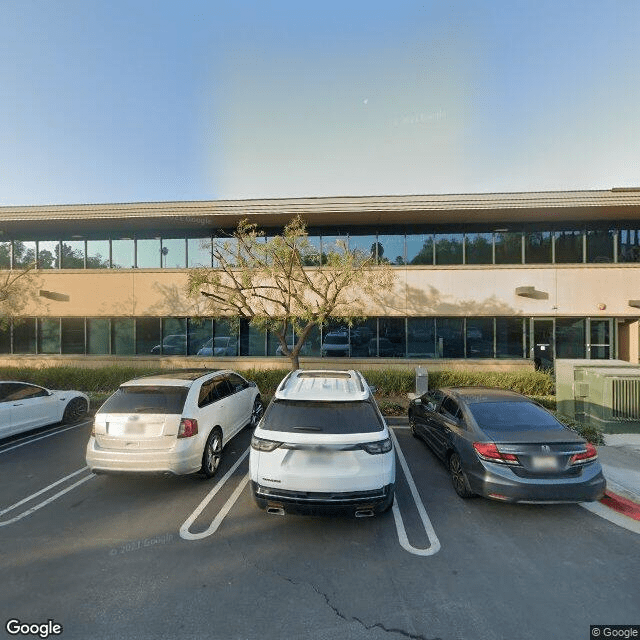
 John Wayne Orange Co (15 miles away)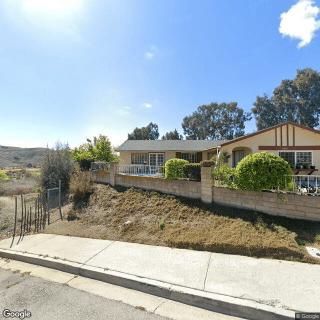
 Competitive pricing for semi-private and private rooms with memory-care specialization and personalized services.



 Comprehensive Guide to Blood Pressure Charts for Older Adults: Understanding Normal and High Readings by Age
 Financing Long-Term Nursing Home Care Through Social Security: A Thorough Exploration
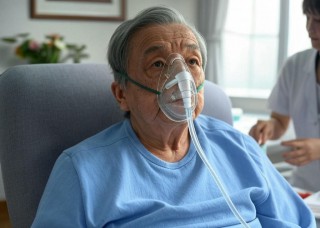 Essential Knowledge on Pneumonia in Older Adults