
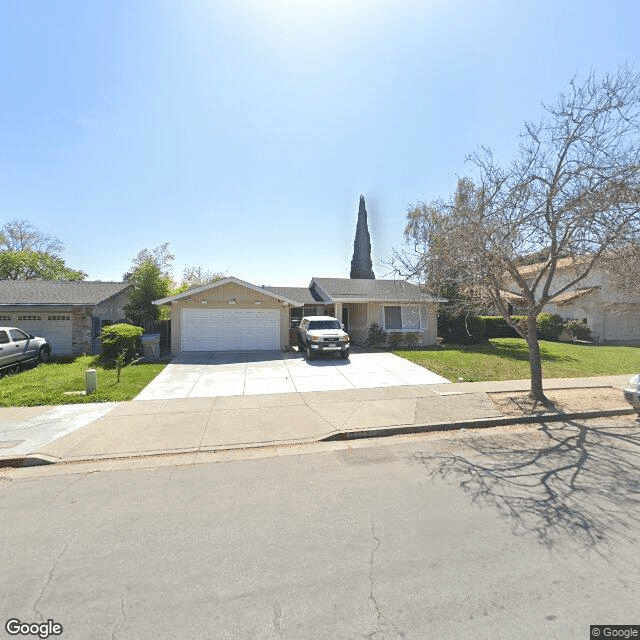
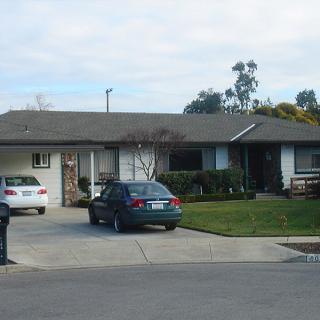
3716 Rhoda Dr., San Jose, CA 95117
To contact a resident: (408) 296-4878
For more information about senior living options: (866) 208-4318
Saratoga RCFE Costs & Pricing
Saratoga RCFE offers competitive pricing for its residential care services, particularly when compared to the broader Santa Clara County and California state averages. For semi-private accommodations, residents at Saratoga RCFE pay $2,500 per month, significantly lower than the county's average of $3,943 and the state average of $3,333. Similarly, for private rooms, Saratoga's rate of $3,500 is also more affordable than Santa Clara County's average of $4,096 and California's statewide average of $3,939. This pricing structure highlights Saratoga RCFE's commitment to providing quality care at accessible rates within a region where costs can be prohibitively high.
| Floor plans | Saratoga RCFE | Santa Clara County | California |
|---|---|---|---|
| Semi-Private | $2,500 | $3,943 | $3,333 |
| Private | $3,500 | $4,096 | $3,939 |
Senior living communities with a similar price nearby
-
from -$100 / mo
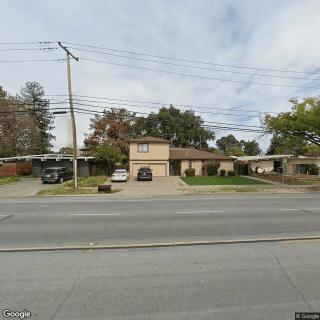
Homestead Care
$2,400 to $4,570 / month5.4 miles away -
from +$200 / mo

Home Instead Senior Care
$2,700 to $3,400 / month19.6 miles away -
About the same
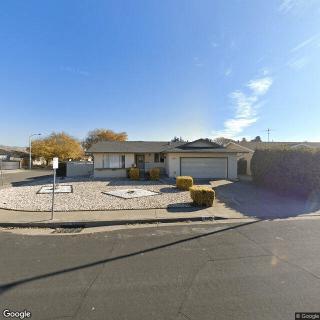
Ava Bella Care Home
$2,500 to $3,000 / month21.1 miles away -
About the same

San Carlos Elms
$2,500 to $5,880 / month21.2 miles away -
About the same
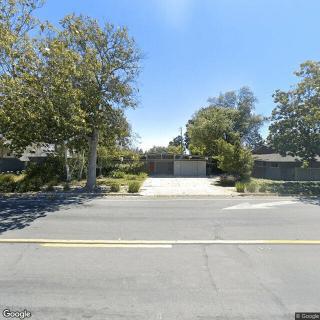
House of Sunshine
$2,500 to $3,500 / month5.7 miles away
Overall Review of Saratoga RCFE
Pros
 The private room with bath is nice.
- The 13x15 private room provides comfortable space.
- The location is convenient, near San Tomas and Williams Rd.
Cons
 The resident may not be fit due to current non-ambulatory status.
- Older residents are not very social.
Review
This community is best suited for seniors who want a private, uncomplicated living option with predictable costs and a quiet atmosphere. Saratoga RCFE in San Jose offers a private 13-by-15-foot room with its own bath for roughly $4,000 a month, a straightforward arrangement that can reduce decision fatigue for families prioritizing privacy over frills. The facility’s location near San Tomas and Williams Road adds practical value, especially for visits, errands, or appointments. The available feedback points to a resident mix that skews older and less socially engaged, which is a meaningful factor for families seeking a calm, low-stimulation setting. For residents who prioritize ease of daily living and value a contained, predictable environment, this option stands out as a sensible match.
There are clear groups who may want to consider alternatives. For anyone whose loved one requires substantial mobility support or regular hands-on nursing care, Saratoga RCFE may not deliver the level of assistance needed. The mention of a current non-ambulatory resident in the reviewer notes raises a caution about care capacity and the facility’s ability to accommodate higher-frequency transfers, supervision, or specialized equipment. Families seeking a robust social calendar, dynamic programming, or a vibrant resident community should anticipate a quieter, slower-paced environment that may not meet those expectations. In short, this option shines for independence-minded residents who don’t rely on intensive care or highly active social life.
The most compelling pro is the private room with bath at a competitive price for the area, paired with a modest footprint that supports straightforward routines. The 13-by-15-foot configuration offers privacy and control over in-room arrangements, which matters for residents who prize personal space. The all-in-one private bathroom reduces the logistics of daily care and can simplify family visits. Proximity to major throughways is a practical bonus, enabling easier scheduling of appointments and regular visits. For seniors who want a calm, predictable day with limited social pressure, these material advantages translate into real value.
Yet the main drawbacks demand careful weighing. The repeated line about a current non-ambulatory resident invites a sober interpretation: the home may struggle to meet higher levels of mobility assistance or complex care needs without external support. The two reviews also describe an atmosphere that is not especially social, implying limited activity programming or resident interaction. That combination, potential gaps in mobility support paired with a quiet, low-activity environment, can leave families with a sense of missed opportunities for engagement, exercise, or social connection, which are critical for long-term well-being and mood.
To make a confident decision, prospective families should verify several specifics during tours and conversations with the staff. Assess whether the facility can provide regular assistance with mobility, transfers, and emergency protocols, and request a clear outline of staff-to-resident ratios during day and night shifts. Inquire about rehabilitative services, if any, and how quickly a non-ambulatory need would trigger a higher level of care or a transition plan. Demand clarity on daily programming, meal quality, transportation options for appointments, and opportunities for socialization that fit the resident’s interests. Concrete examples of how residents spend a typical day will reveal whether the promised quiet environment actually matches expectations.
Bottom line: Saratoga RCFE offers a solid, cost-conscious private-room option in a convenient San Jose location, best suited for residents who are largely mobile, prefer a calm atmosphere, and do not insist on a bustling social scene. The strongest caveat is the impression that higher care needs, particularly mobility support, may challenge the facility’s capacity, and the limited social programming may leave some residents feeling isolated. For families prioritizing active engagement, structured activities, or stronger, ongoing assistance, alternatives should be pursued. Visiting several comparable communities with a clear checklist, care capabilities, programming, staff responsiveness, and real-time resident interaction, will illuminate which option truly aligns with the senior’s needs and the family’s expectations.
 Board and Care Home
 Activities off-site
 Indoor common areas
 Outdoor common areas
 Private
 Private bathrooms
 Respite or short term stays offered
 Wheelchair accessible showers
 San Jose International (4 miles away)
 Ambulatory care
 Incontinence care
 Meals provided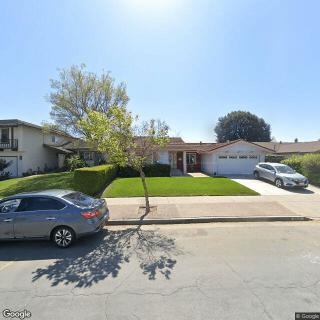
 Comprehensive Insights into Palliative Home Care: What It Is and What to Expect
 Skilled Nursing Facilities vs. Nursing Homes: Making Sense of the Differences
 A Detailed Examination of Nursing Home Costs Across the U.S.