For more information about senior living options: (866) 208-4318
4 from 28 reviews
5 stars
10
4 stars
11
3 stars
4
2 stars
2
1 stars
1
Rose Garden Court Costs & Pricing
Rose Garden Court offers competitive pricing for its accommodation options when compared to both Santa Clara County and the broader California region. The monthly cost for a semi-private room at Rose Garden Court is $2,875, significantly lower than the county average of $3,943 and also more affordable than the state average of $3,333. For those seeking a studio, Rose Garden Court's rate of $4,875 remains reasonable in comparison to Santa Clara County's $5,155, albeit slightly higher than California's overall average of $4,145. This positioning underscores Rose Garden Court's commitment to providing quality living arrangements that are financially accessible while ensuring residents enjoy a supportive community environment.
Floor plans
Rose Garden Court
Santa Clara County
California
Semi-Private
$2,875
$3,943
$3,333
Studio
$4,875
$5,155
$4,145
Skilled Nursing Facilities with a similar price nearby
Residents describe caregivers who feel involved, responsive, and attentive to individual needs.
Many reviewers frame the experience as more personal than institutional, using descriptions like homey and attentive. Several mention staff helping with care tasks and answering questions thoroughly, including when discussing specific conditions. One reviewer also reports a serious concern about follow-through on care instructions, which points to uneven communication on some days.
common3 reviews mention this
Food is homemade, with some misses
Dining gets mixed feedback, with homemade meals praised and run-of-the-mill food criticized.
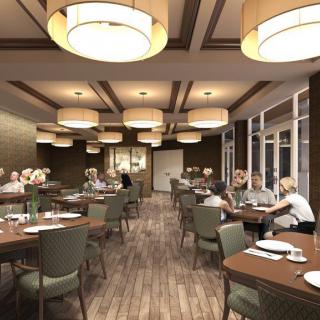
A few reviewers highlight homemade food and describe meal service as part of the routine, including staff bringing residents to the dining room. At the same time, at least one reviewer says the food was more basic and that substitute cooks affected quality. Overall, dining appears to be a point where experiences vary from person to person.
caveat3 reviews mention this
Activities and stimulation vary
Some reviews say there’s not enough going on, while others describe a schedule with classes and routines.
One reviewer reports limited visible activities and little stimulation. Others describe a solid daily schedule, including morning exercise classes and hygiene routines, plus TV room time and some activities on certain days. The difference in descriptions suggests activity engagement may depend on resident needs and timing.
common5 reviews mention this
Rooms prioritize home feel
Rooms are described as bright and home-like, but shower options are limited.
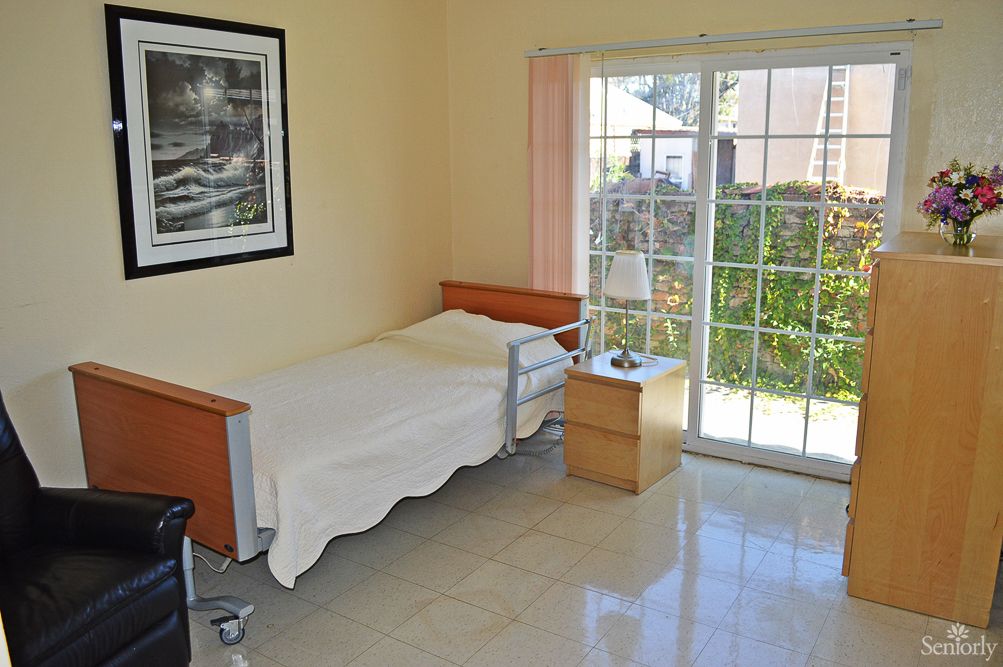
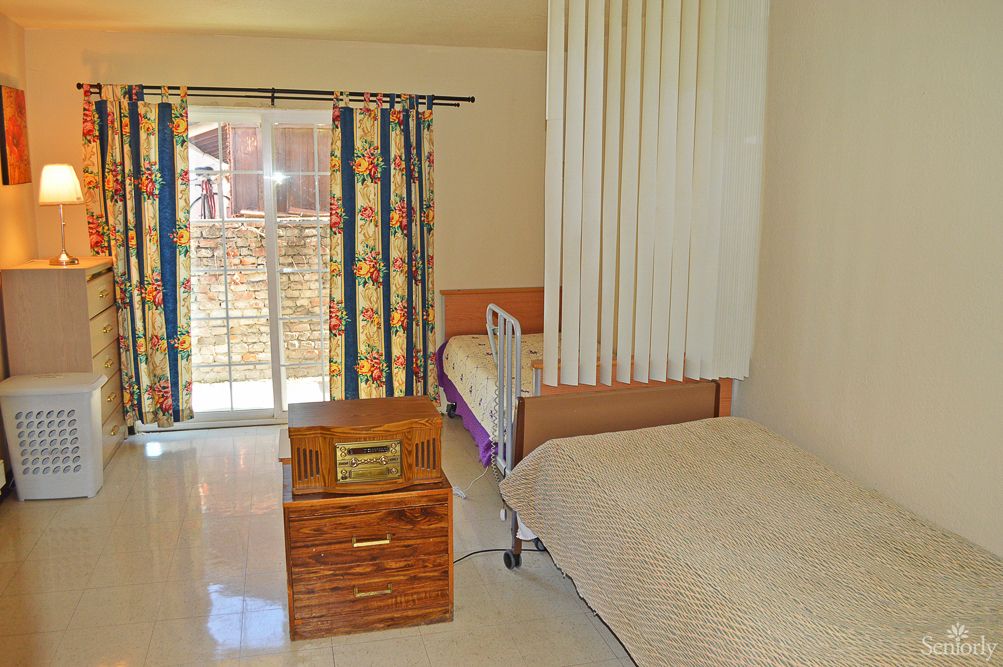
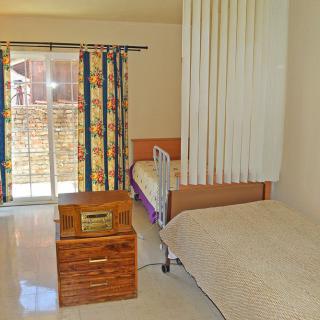
Reviewers mention rooms with features like patio or sliding glass doors that support getting outside, as well as a generally clean, comfortable feel. Several also point out limitations in bathing setup, including community/shared shower arrangements and the lack of showers in individual rooms. Another reviewer raises a comfort issue with room size and ventilation-related concerns, reinforcing that room fit may vary.
differentiator3 reviews mention this
Hospice care is part of support
Residents and families mention hospice support as available through the community.
Multiple reviewers reference hospice involvement, including a hospice nurse reviewing instructions and a caregiver describing the community as providing hospice. One family member also credits the community with helping ease a difficult end-of-life transition. Taken together, hospice support appears to be an established part of how the community handles late-stage needs.
differentiator2 reviews mention this
Knowledge for Parkinson’s and Alzheimer’s
Residents mention staff who seem knowledgeable about conditions like Parkinson’s and Alzheimer’s.
At least two reviewers discuss specific neurological or cognitive conditions when describing their experience. One tour-focused review mentions staff familiarity with Parkinson’s and related transfer equipment, while another describes care for Alzheimer’s with staff providing dignity and compassion. These accounts align with the community offering specialized dementia-related programming and related support services.
How we summarize
Counts show how many written reviews mention each theme; a review can touch several themes, and only frequently mentioned themes are displayed.
Features
Housing
30 resident community capacity
1-bedroom apartments
Studio apartments
Types of Care
Assisted Living
Memory Care
Skilled Nursing Facility
Amenities
Activities on-site
Beautician on-site
Beauty salon
Cable or satellite TV
Devotional services off-site
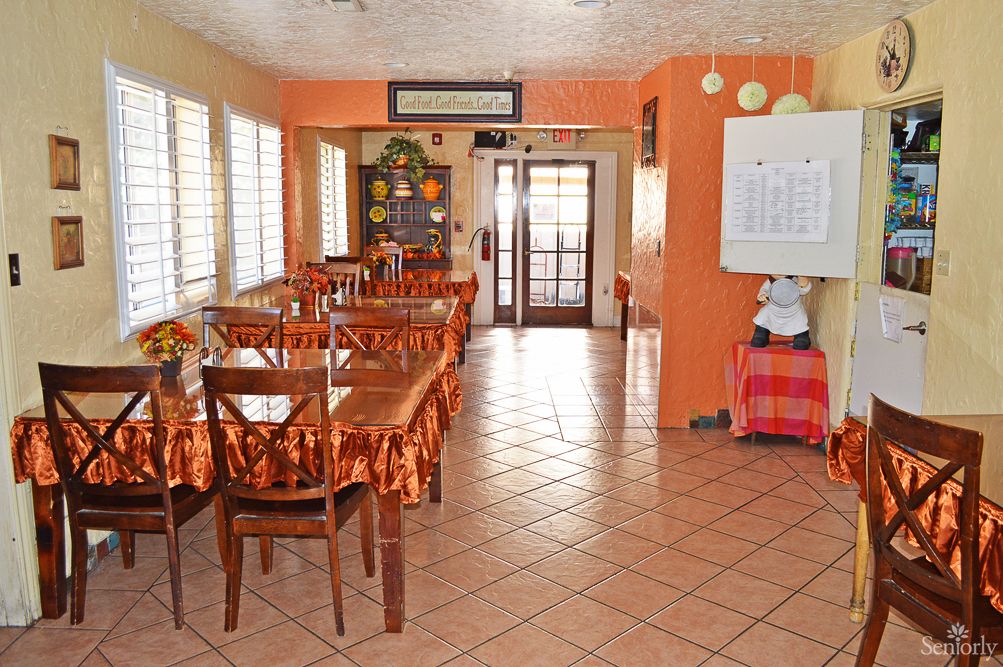
Dining room
Financing advice
Fully furnished
Garden
Guasts at mealtime
Housekeeping services
Indoor common areas
Kitchenette
Laundry
Move-in coordination
Outdoor space
Party space
Resident parking
Respite or short term stays offered
TV room
Telephone
VA Benefits Consultation
Wheelchair accessible showers
Wi-Fi/high-speed internet available
Transportation
San Jose International (1 miles away)
Care Services
24-hour call system
24-hour supervision
Activities of daily living assistance
Assistance with bathing
Assistance with dressing
Assistance with transfers
Coordination with health care providers
Dementia waiver
Diabetes diet
Hospice care
Hospice waiver
Incontinence care
Meal preparation and service
Medication management
Mental wellness program
Mild cognitive impairment
Special dietary restrictions
Specialized memory care programming
Transportation arrangement (medical)
Transportation to doctors appointments
Dining
Diabetes diet
Meals provided
Room service
Special dietary restrictions
Activities
Activities off-site
Activities on-site
Arts and crafts
Book club
Community-sponsored activities
Devotional activities offsite
Educational speakers / life long learning
Fitness programs
Games
Live musical performances
Religious services
Resident-run activities
Scheduled daily activities
Stories
Nearby Places of Interest
This part of San Jose, California offers a convenient and vibrant lifestyle for seniors. With a variety of dining options such as In-N-Out Burger and Luna Mexican Restaurant, as well as cafes like Starbucks and Roy's Station Coffee & Tea, residents can enjoy delicious meals and socialize with friends. The area also provides easy access to parks like the San Jose Municipal Rose Garden and transportation hubs such as the Santa Clara Caltrain Station and Norman Y. Mineta San Jose International Airport. Additionally, there are pharmacies like CVS and Walgreens nearby for convenient access to medications, along with healthcare facilities including O'Connor Hospital and Valley Health Center Bascom for any medical needs. Overall, this neighborhood offers a mix of amenities that cater to senior living needs.
Restaurants
In-N-Out Burger (0.4 miles)
Luna Mexican Restaurant (0.8 miles)
BJ's Restaurant & Brewhouse (1.1 miles)
Jack's Bar & Lounge (1.5 miles)
Din Tai Fung (1.7 miles)
Shake Shack (1.8 miles)
King's Fish House (1.9 miles)
Places of Worship
Calvary United Methodist Church (0.5 miles)
Cafes
Starbucks (0.6 miles)
Starbucks (0.7 miles)
Roy's Station Coffee & Tea (1.6 miles)
Nirvana Soul (2.1 miles)
Coffee & Water Lab (3.6 miles)
Starbucks (3.8 miles)
Philz Coffee (3.9 miles)
Parks
San Jose Municipal Rose Garden (0.9 miles)
Reed Street Dog Park (1.7 miles)
Frank M Santana Park (2.1 miles)
Central Park (2.8 miles)
Townsend Park (3.4 miles)
Maywood Park (3.7 miles)
Machado Park (3.8 miles)
Transportation
Santa Clara Caltrain Station (1 miles)
Santa Clara Transit Center (1 miles)
San Jose Diridon Station (1.5 miles)
Norman Y. Mineta San Jose International Airport (SJC) (1.6 miles)
The Club at SJC (1.7 miles)
Terminal A (1.8 miles)
Apple Park Transit Center (4.6 miles)
Pharmacies
CVS Pharmacy (1.2 miles)
Walgreens (1.5 miles)
Walgreens (1.9 miles)
CVS Pharmacy (2 miles)
Walgreens (2.2 miles)
CVS Pharmacy (2.6 miles)
Walgreens (2.6 miles)
Hospitals
O'Connor Hospital (1.4 miles)
Valley Health Center Bascom (2.1 miles)
Carbon Health (3 miles)
Valley Medical Center Clinic (4.8 miles)
Physicians
South Bay Allergy and Asthma Group (2 miles)
Santa Clara Valley Speciality Center (2.1 miles)
Shen Medicine Pediatrics and Associates (2.3 miles)
Rose Garden Court offers competitive pricing for its accommodation options when compared to both Santa Clara County and the broader California region. The monthly cost for a semi-private room at Rose Garden Court is $2,875, significantly lower than the county average of $3,943 and also more affordable than the state average of $3,333. For those seeking a studio, Rose Garden Court's rate of $4,875 remains reasonable in comparison to Santa Clara County's $5,155, albeit slightly higher than California's overall average of $4,145. This positioning underscores Rose Garden Court's commitment to providing quality living arrangements that are financially accessible while ensuring residents enjoy a supportive community environment.
The comprehensive features at Rose Garden Court are meticulously designed to enhance the well-being and safety of residents with dementia or Alzheimer's disease. The 24-hour supervision ensures that help is always available, providing peace of mind for both residents and their families. Assistance with activities of daily living, such as bathing, dressing, and transfers, promotes dignity while catering to individual needs. Coordination with healthcare providers and medication management addresses medical concerns effectively, ensuring that residents receive proper care. The specialized memory care programming and mental wellness initiatives foster cognitive engagement and emotional support tailored to each stage of dementia. Incontinence care, meal preparation and service, along with transportation arrangements for medical appointments further contribute to a holistic approach in meeting the physical and emotional health needs of residents, ultimately enhancing their quality of life while maintaining independence as much as possible.
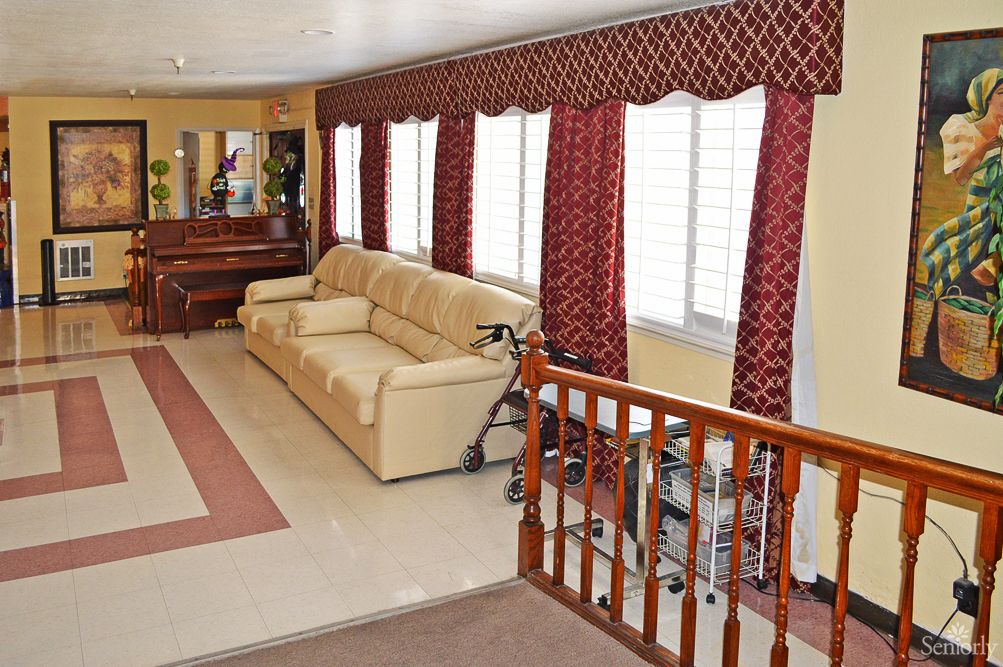
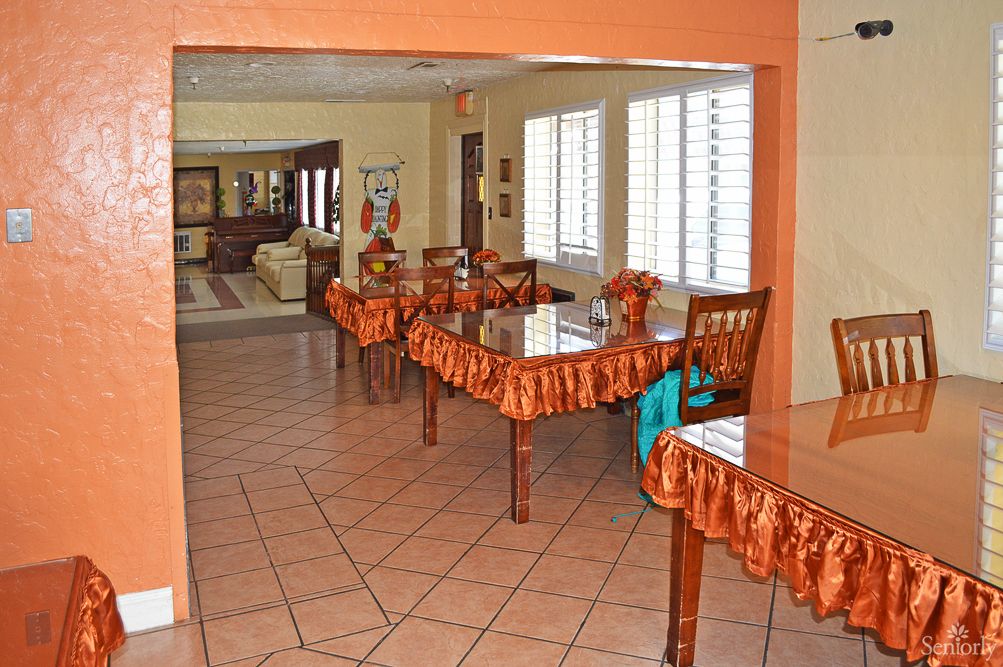
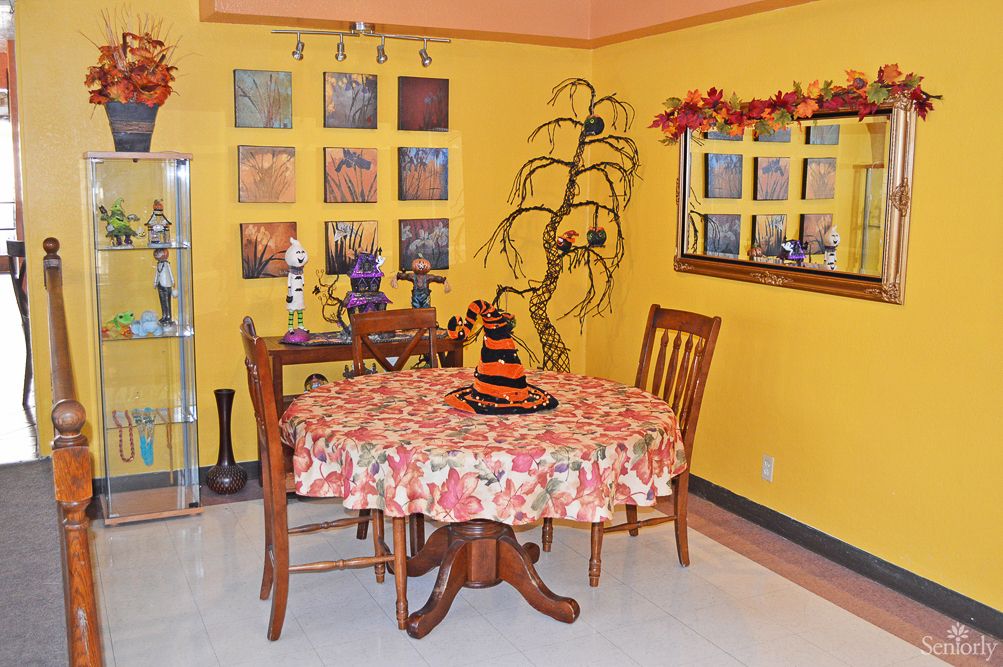
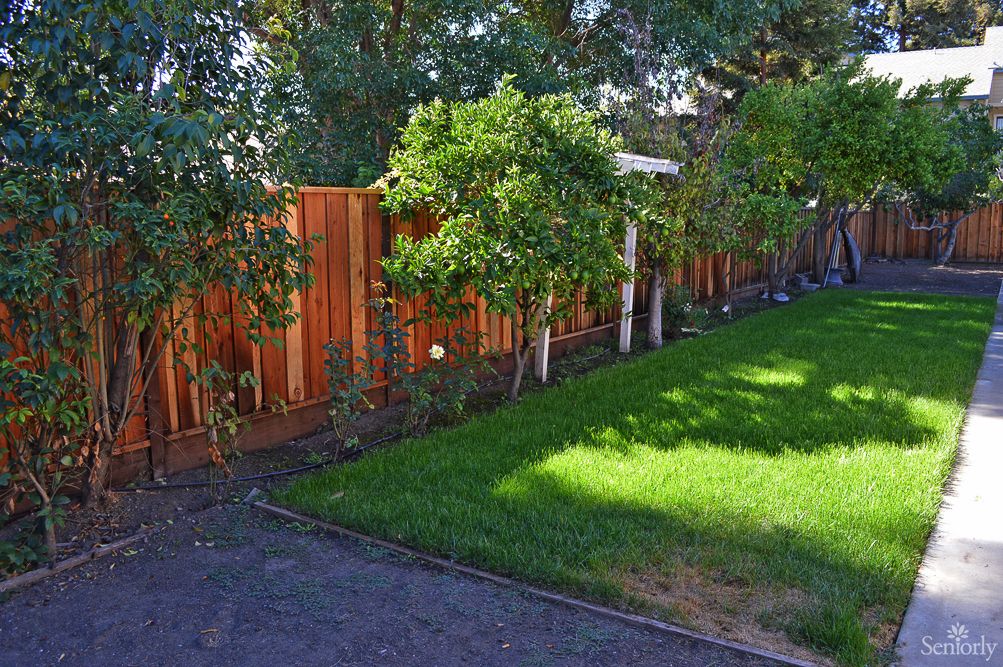
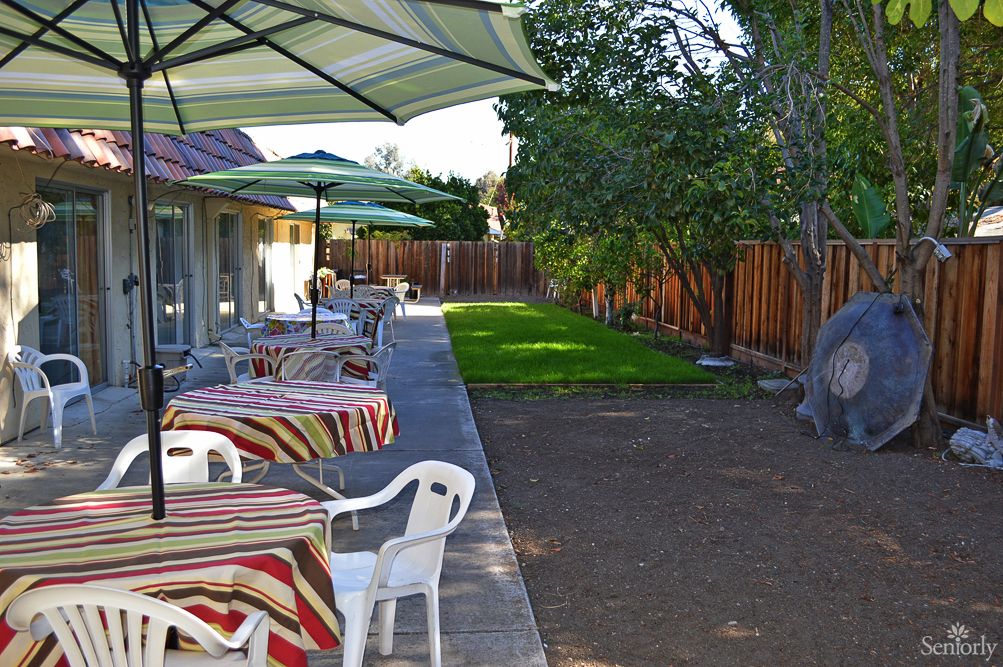
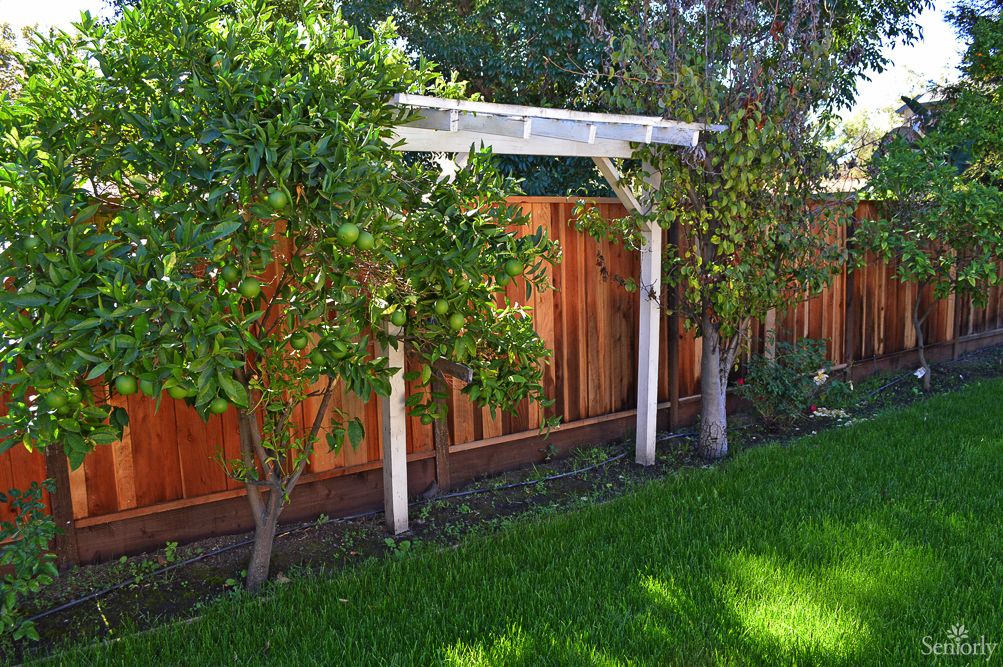
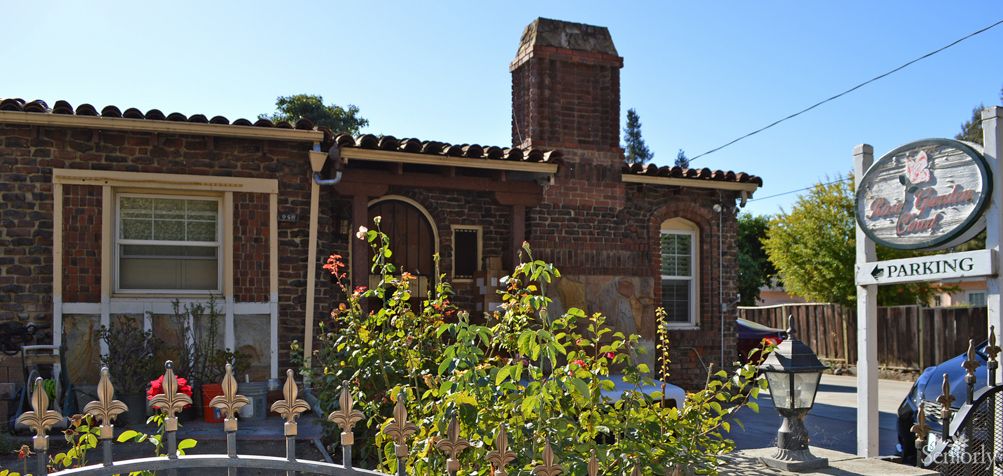
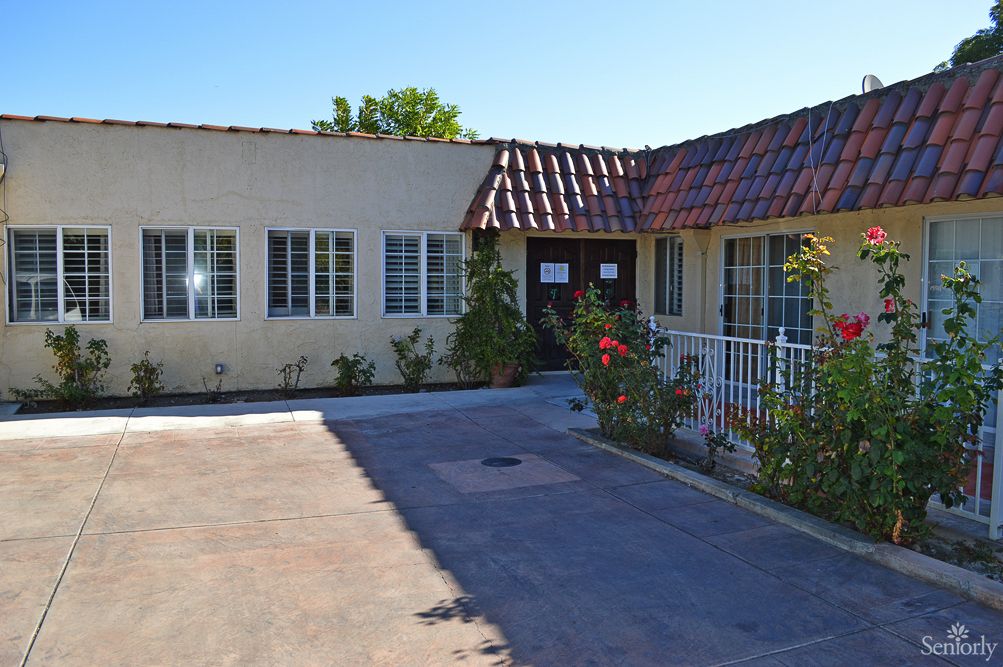
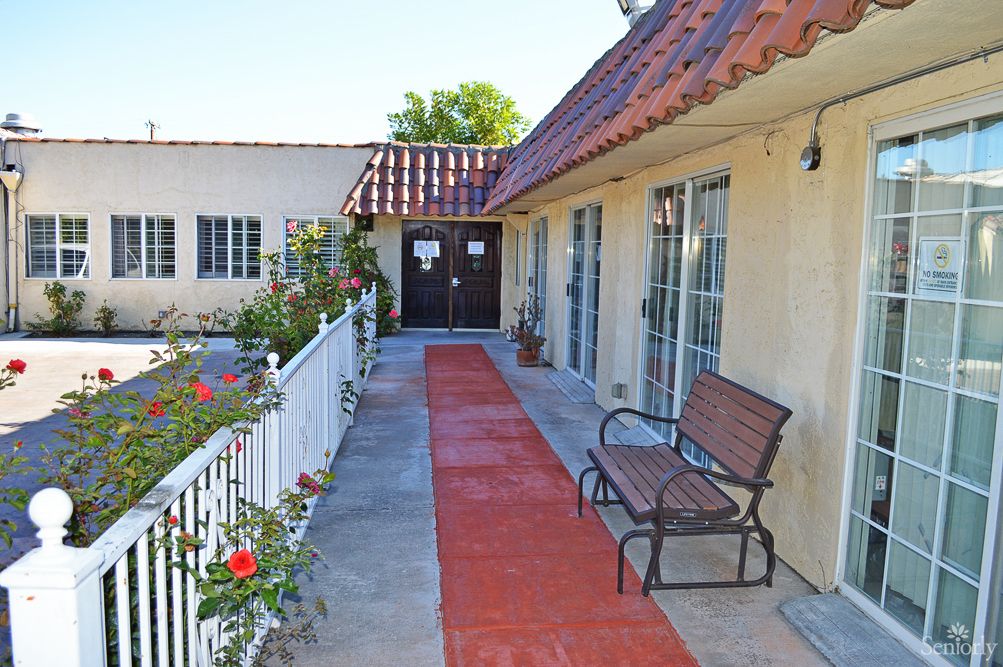
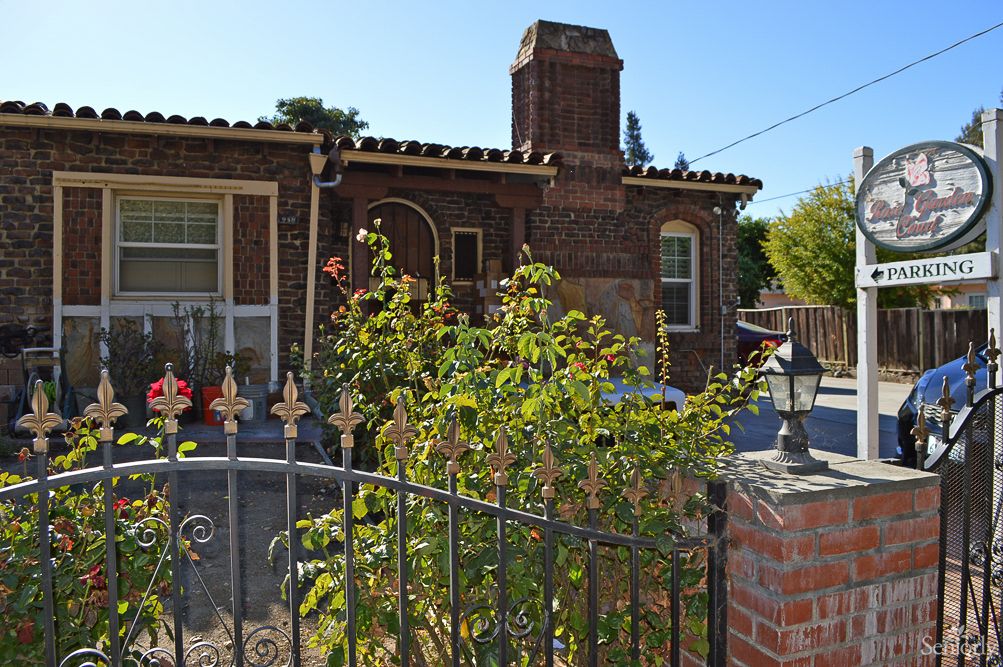
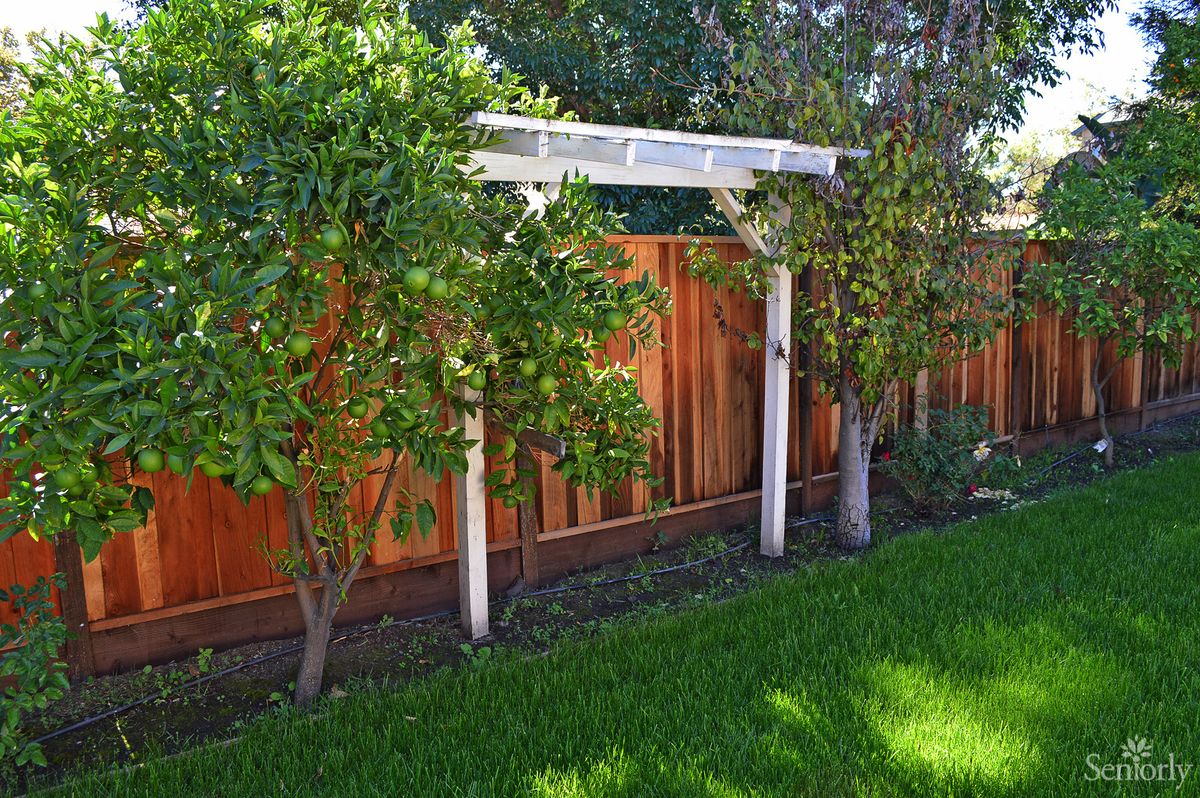
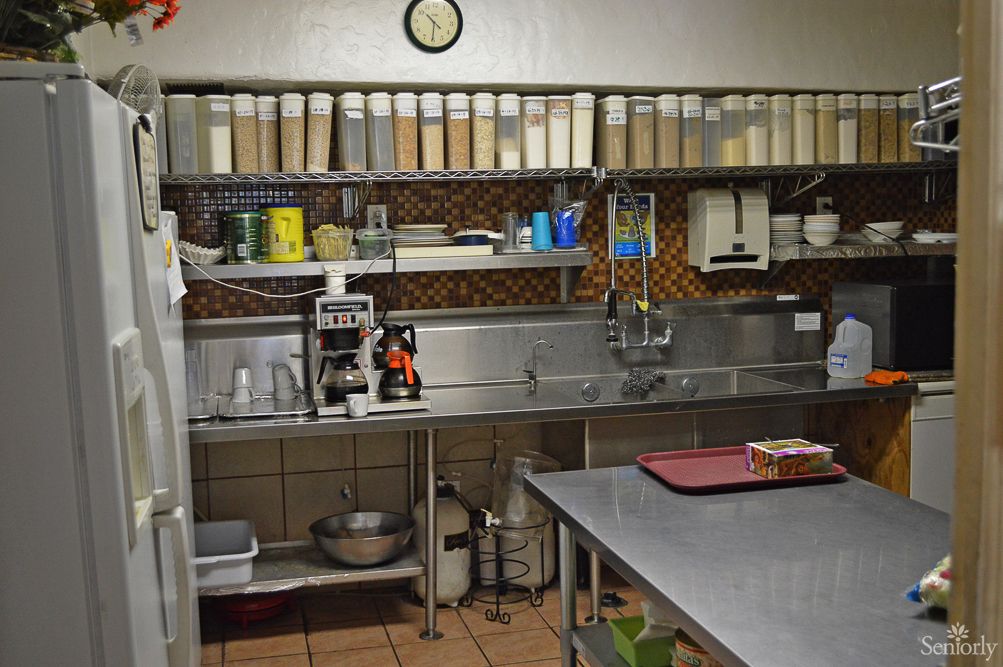
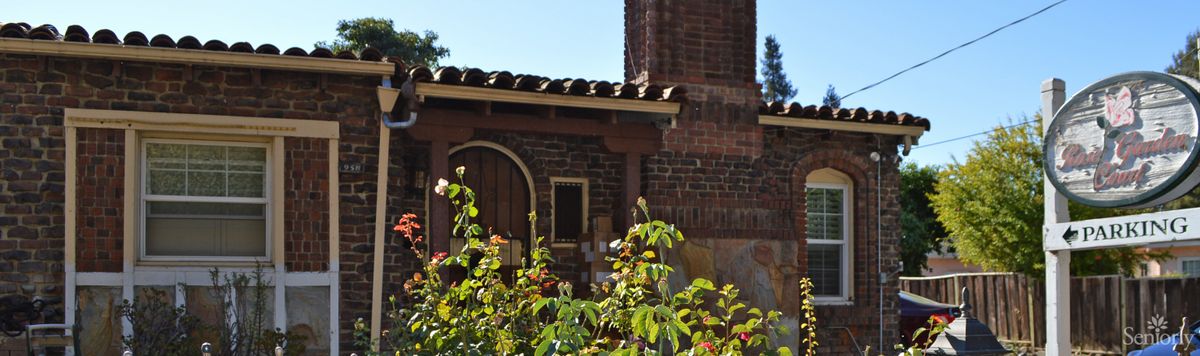
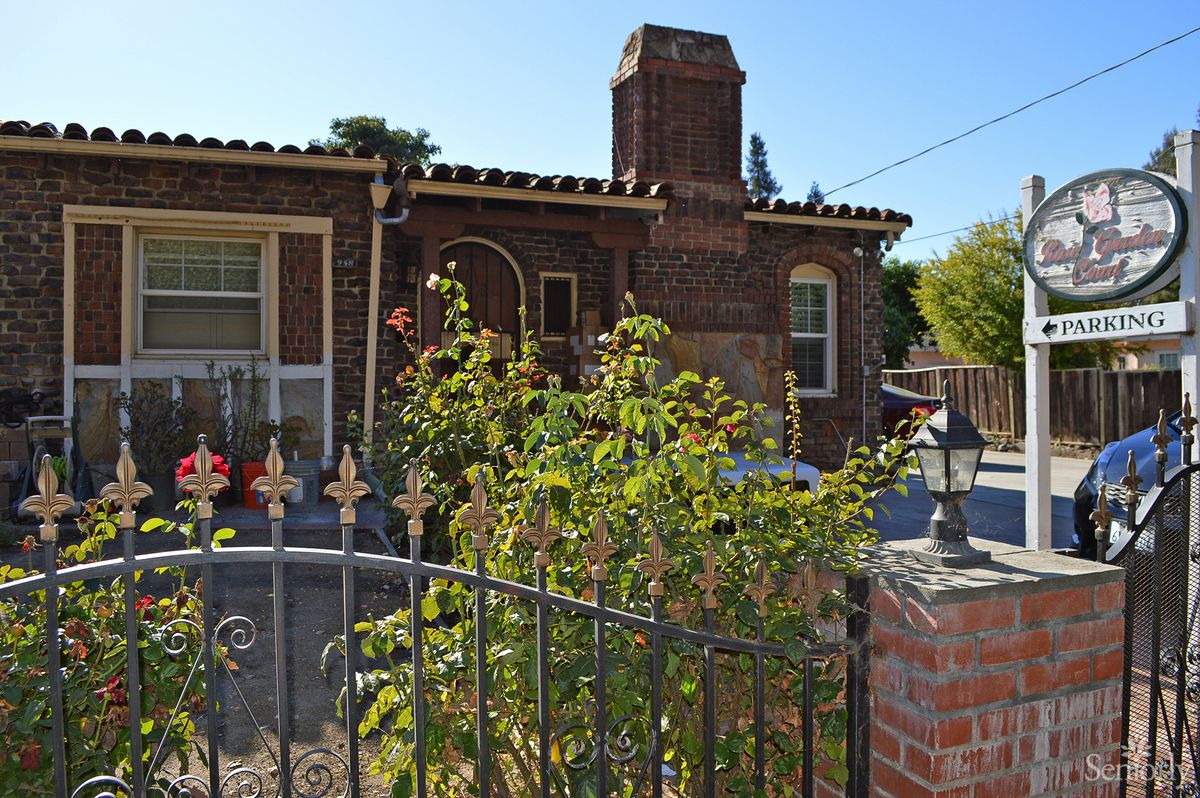
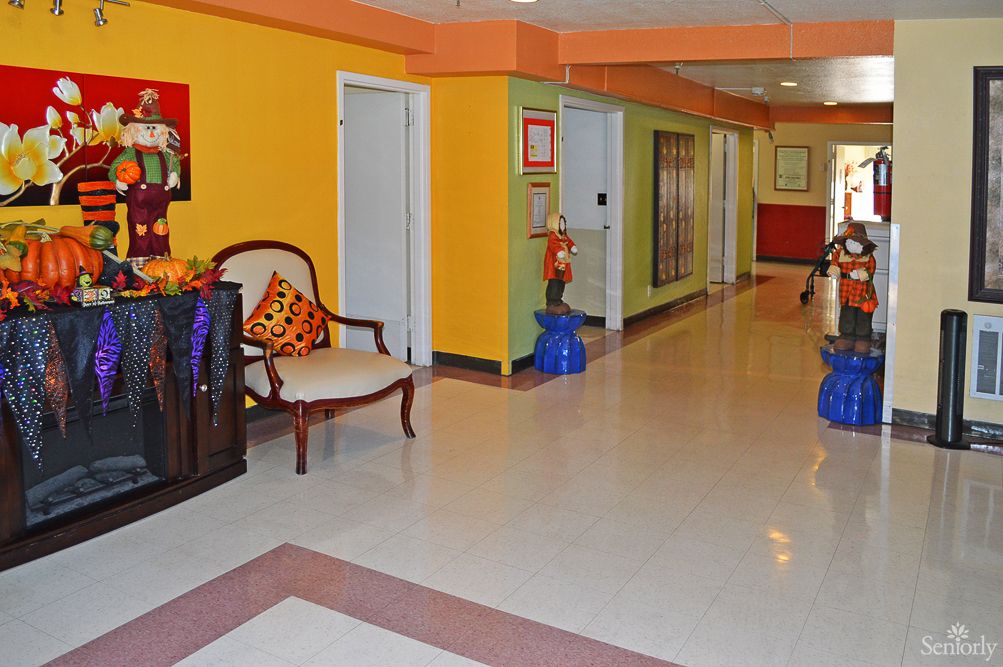
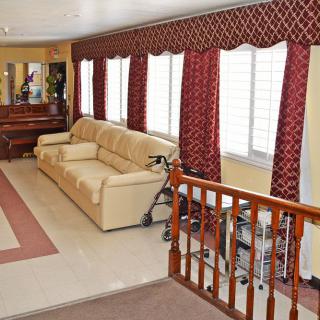
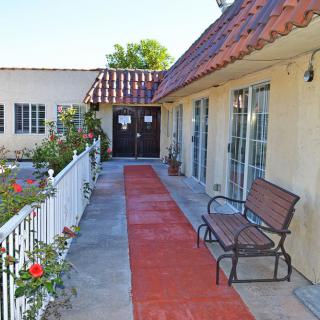
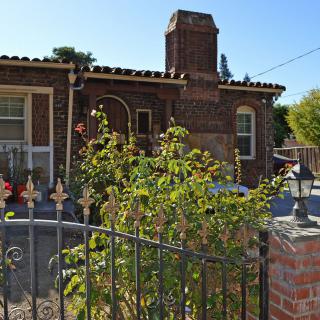
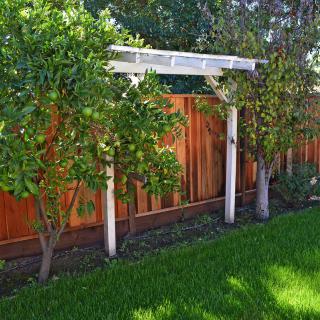
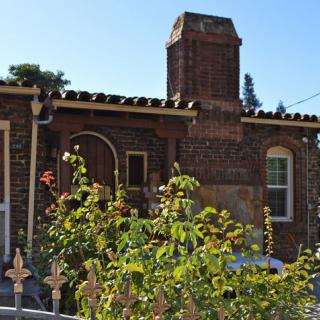
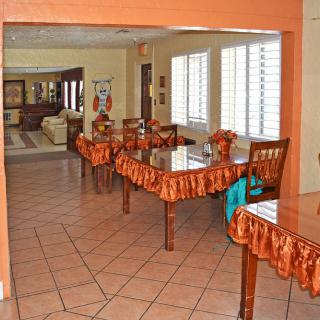
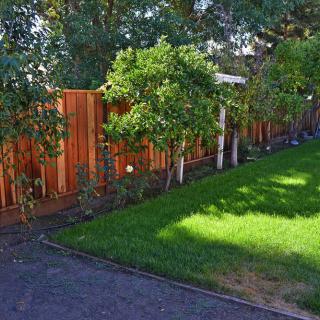
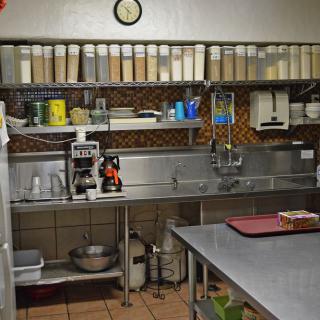
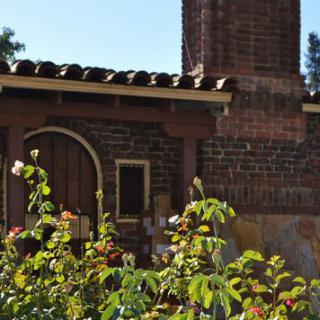
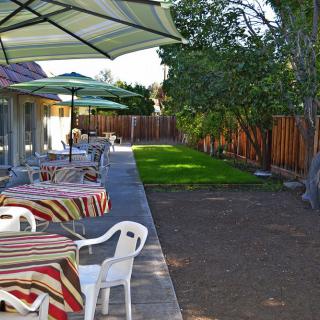
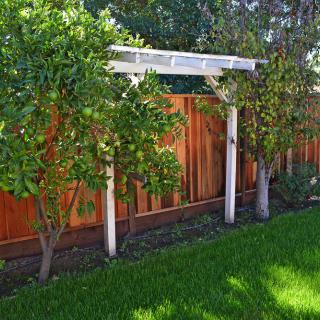
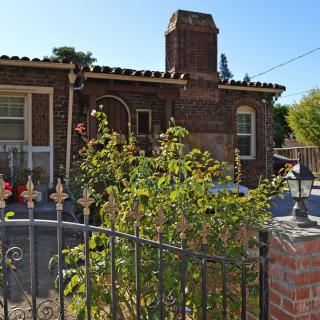
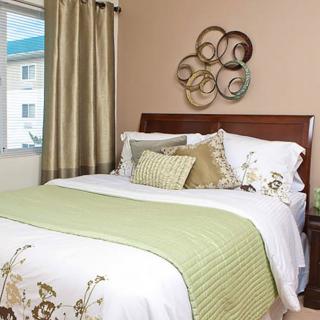
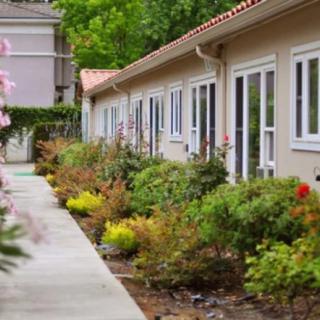
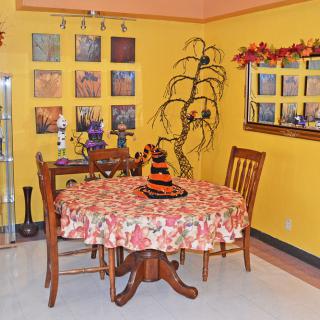
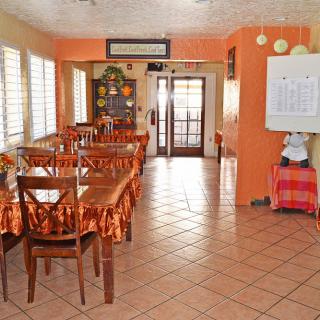
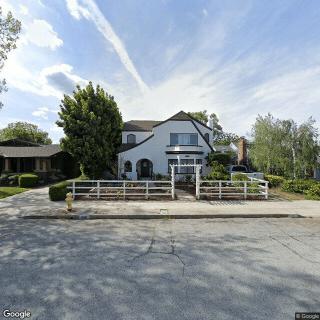
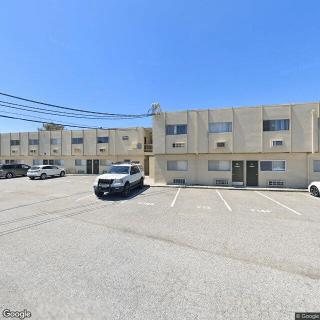
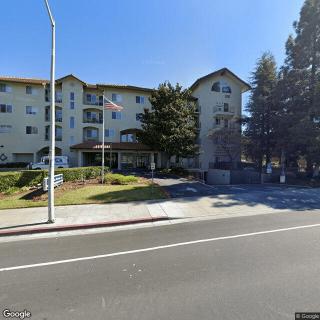
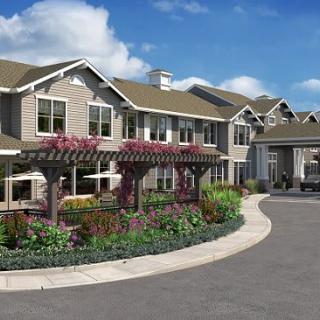
Rose Garden Court on seniors.fyi includes 20 photos including images showing garden, interior, fence, landscaping, windows, decor, dining, architecture, and more.
Nearby Communities
Senior Helpers
San Jose, CA
4.8 from 10 reviews
Helpful, cheerful aides with quick, organized service.
Synergy Homecare of the South Bay Area
San Jose, CA
5 from 1 review
Excellent access to nearby amenities and medical services, supporting a well?rounded lifestyle.
Amazing Home
Santa Clara, CA
4 from 8 reviews
$4,500 to $6,500 / month
Active family advocacy and emphasis on medication transparency.
Hanchett Park House 1
San Jose, CA
4 from 2 reviews
$2,500 to $3,000 / month
Warm, family-like atmosphere with attentive care and affordable private/semi-private rooms.
HomeCare Professionals - Santa Clara, CA
Santa Clara, CA
5 from 20 reviews
Responsive, empathetic caregivers who support independence and practical daily tasks.
Liberty Tower
Santa Clara, CA
5 from 2 reviews
Excellent access to nearby amenities and medical services.
Sonnet Hill Senior Living
San Jose, CA
4.7 from 29 reviews
Warm, personalized care with individualized plans in a modern, clean environment.
Essential Care - Santa Clara
Santa Clara, CA
4.4 from 78 reviews
Friendly, helpful staff with a clean, organized facility and healthy meals.
Oakmont of Silver Creek
San Jose, CA
4.3 from 59 reviews
$5,495 to $8,995 / month
Beautiful, clean facility with friendly staff and engaging activities.
The article outlines effective communication strategies for interacting with loved ones with dementia, highlighting the need for empathy, patience, and understanding while emphasizing supportive approaches like using simple language, minimizing distractions, and focusing on feelings over facts to maintain dignity and foster connection. It also suggests seeking professional guidance when needed as communication challenges evolve.
VA nursing homes, or Community Living Centers (CLCs), offer tailored long-term care for veterans, featuring medical attention and rehabilitation in a supportive environment. The guide covers facility types, eligibility criteria, financial assistance options, quality of care standards, and alternatives to full-time nursing home placement.
At-home dementia care expenses vary widely based on care levels, location, and caregiver expertise, with monthly costs for home health aides exceeding $4,500 and specialized care potentially surpassing $100,000 annually. While families favor in-home care for its comfort and personalized attention, they must consider financial planning and the challenges of caregiver fatigue.
Get PricingAsk A QuestionSchedule A TourContact Senior Advisor
By clicking submit, you agree to our Partner's Terms of Use. You
also consent to receive calls and texts, which may be autodialed, from our Partner. Your consent is not a condition to
using our Partner's service. Please visit our Partner's Privacy Policy for information about their privacy practices.


 30 resident community capacity
 1-bedroom apartments
 Assisted Living
 Memory Care
 Skilled Nursing Facility
 Activities on-site
 Beautician on-site
 Cable or satellite TV
 Devotional services off-site
 Dining room
 Financing advice
 Fully furnished
 Garden
 Housekeeping services
 Indoor common areas
 Kitchenette
 Laundry
 Move-in coordination
 Outdoor space
 Party space
 Resident parking
 Respite or short term stays offered
 Telephone
 Wheelchair accessible showers
 Wi-Fi/high-speed internet available
 San Jose International (1 miles away)
 24-hour call system
 Assistance with bathing
 Assistance with dressing
 Assistance with transfers
 Diabetes diet
 Hospice care
 Incontinence care
 Meal preparation and service
 Medication management
 Mental wellness program
 Special dietary restrictions
 Transportation arrangement (medical)
 Transportation to doctors appointments
 Arts and crafts
 Book club
 Educational speakers / life long learning
 Fitness programs
 Games
Games Live musical performances
 Helpful, cheerful aides with quick, organized service.
 How to Communicate with a Loved One Living with Dementia: 10 Supportive Strategies
 Comprehensive Guide to VA Nursing Homes: A Crucial Long-Term Care Resource for Veterans
 Estimating the Expenses of At-Home Dementia Care: A Detailed Exploration