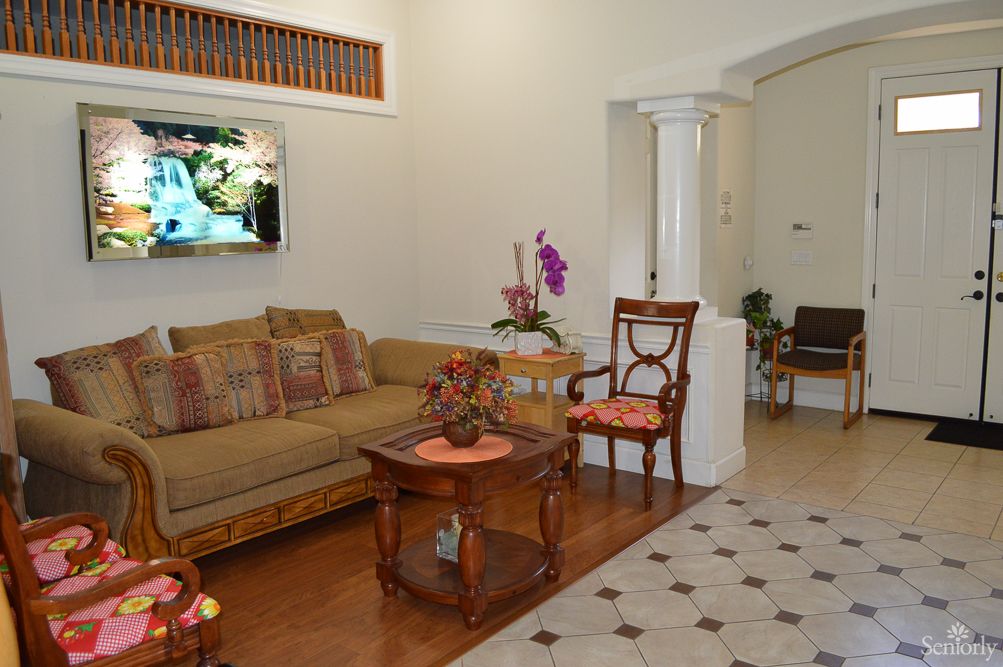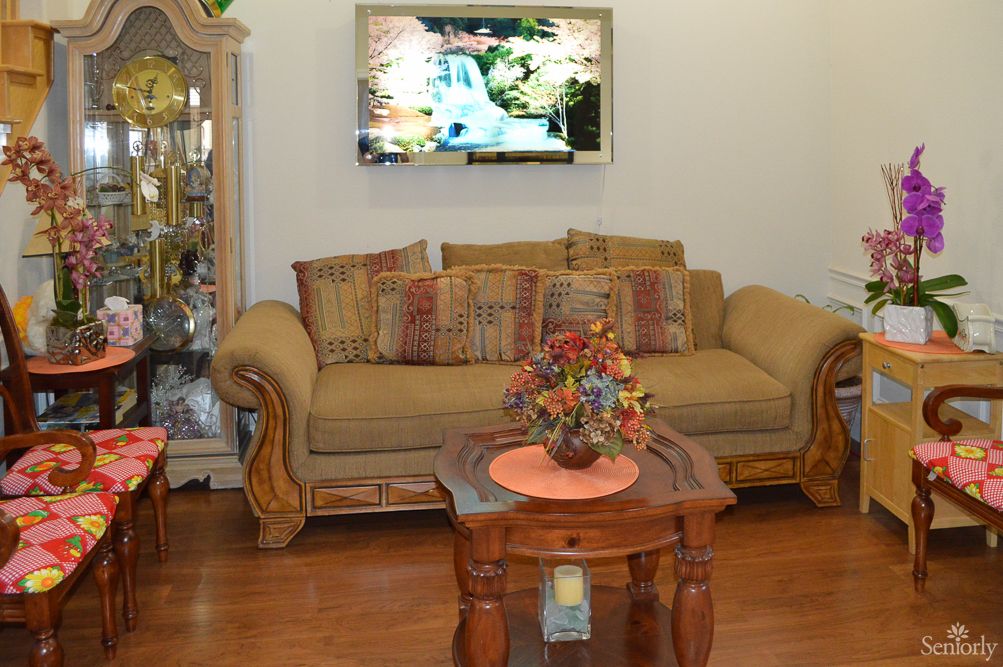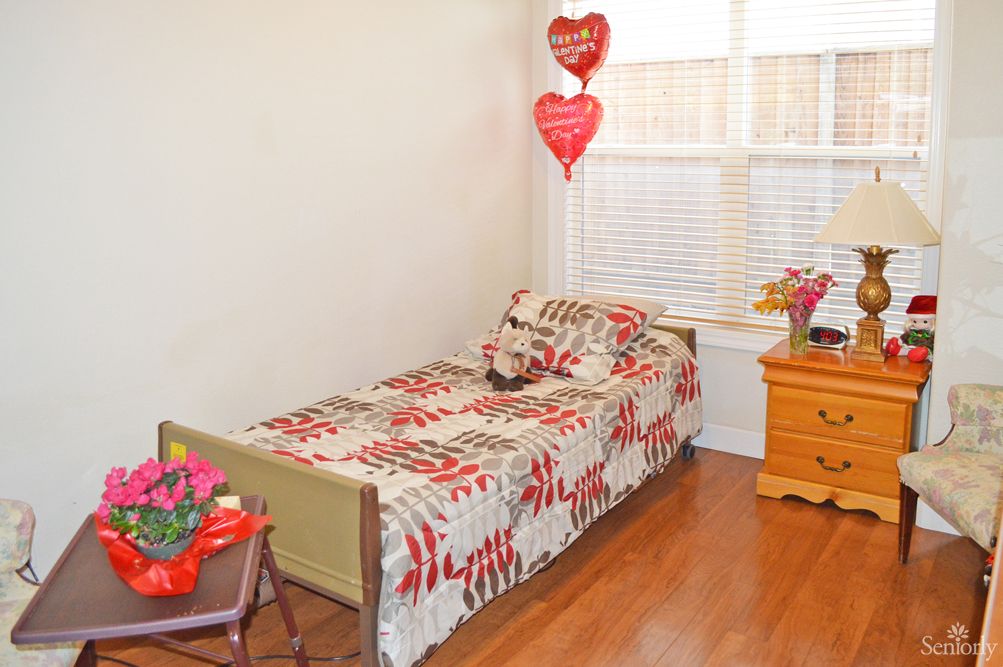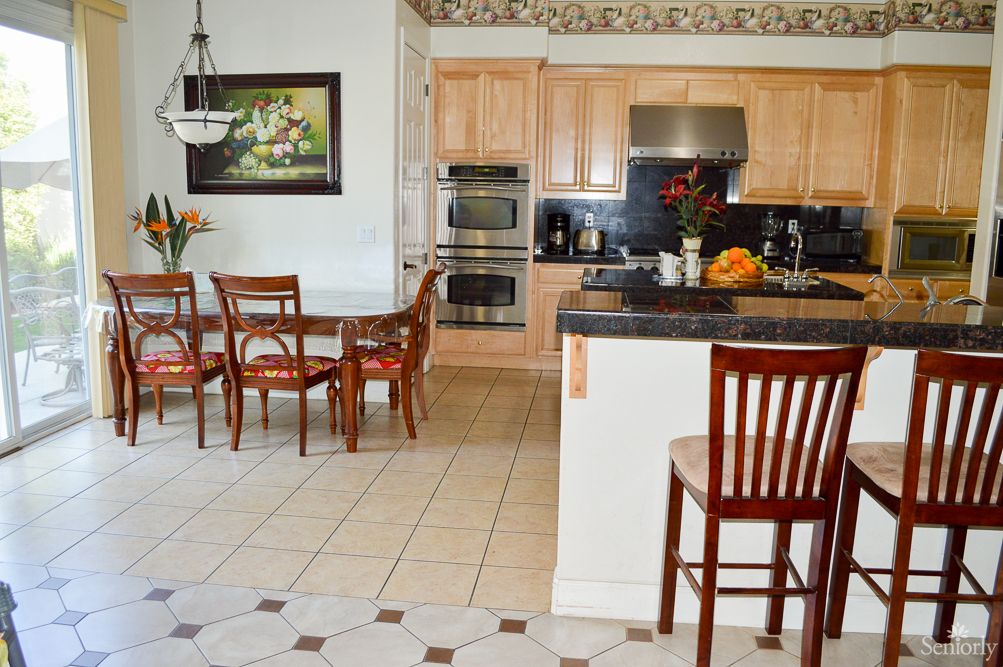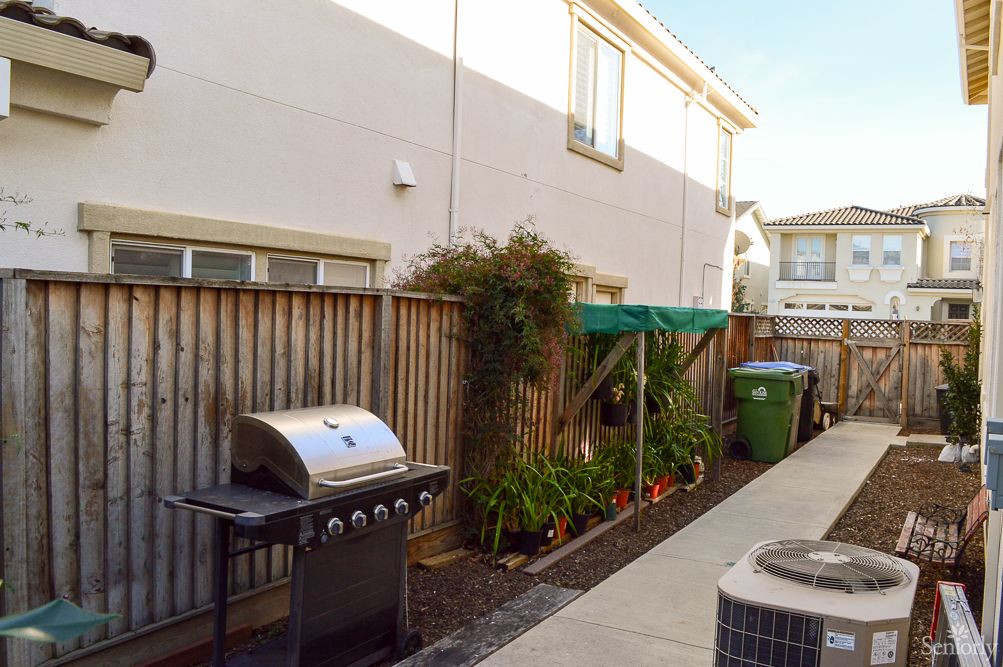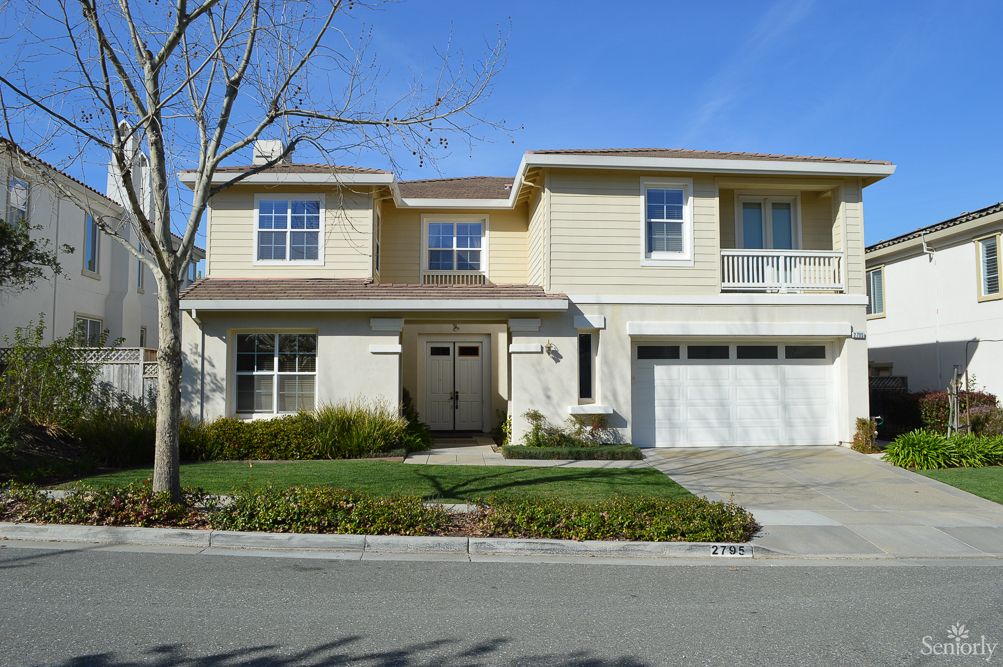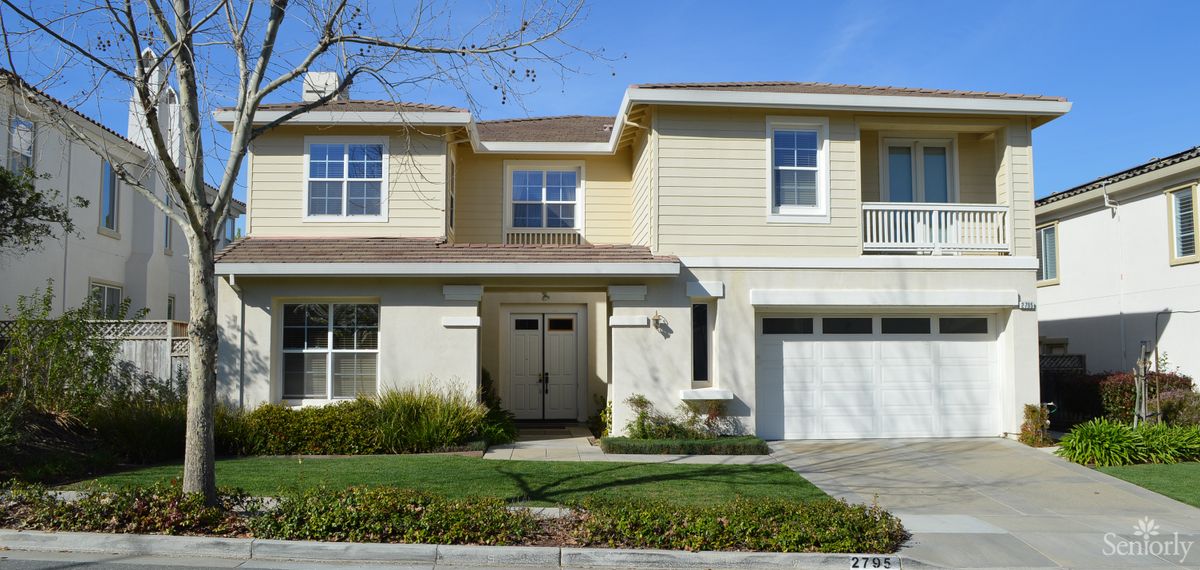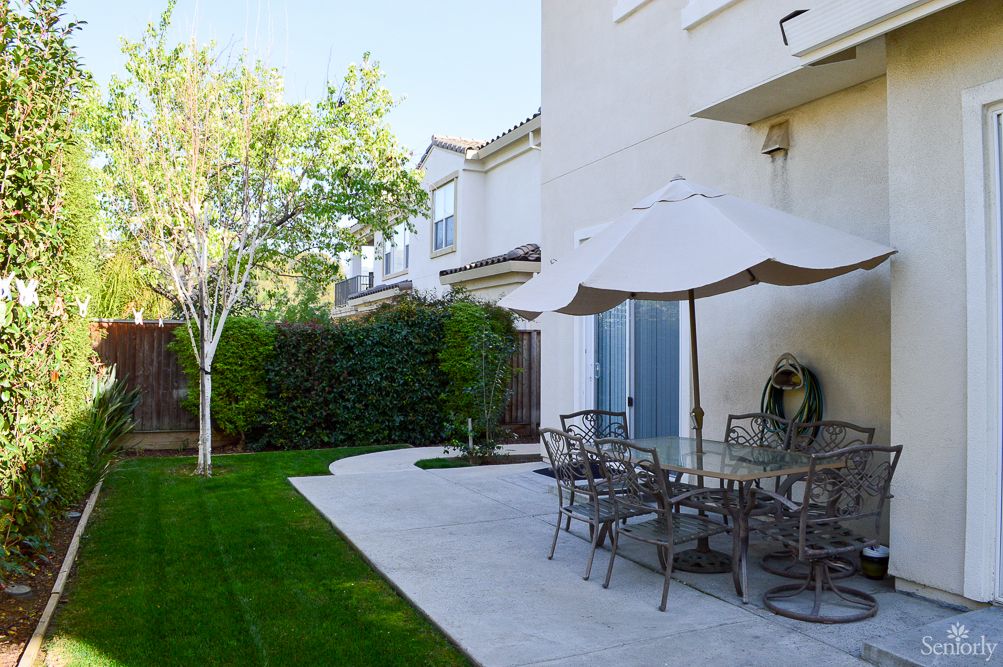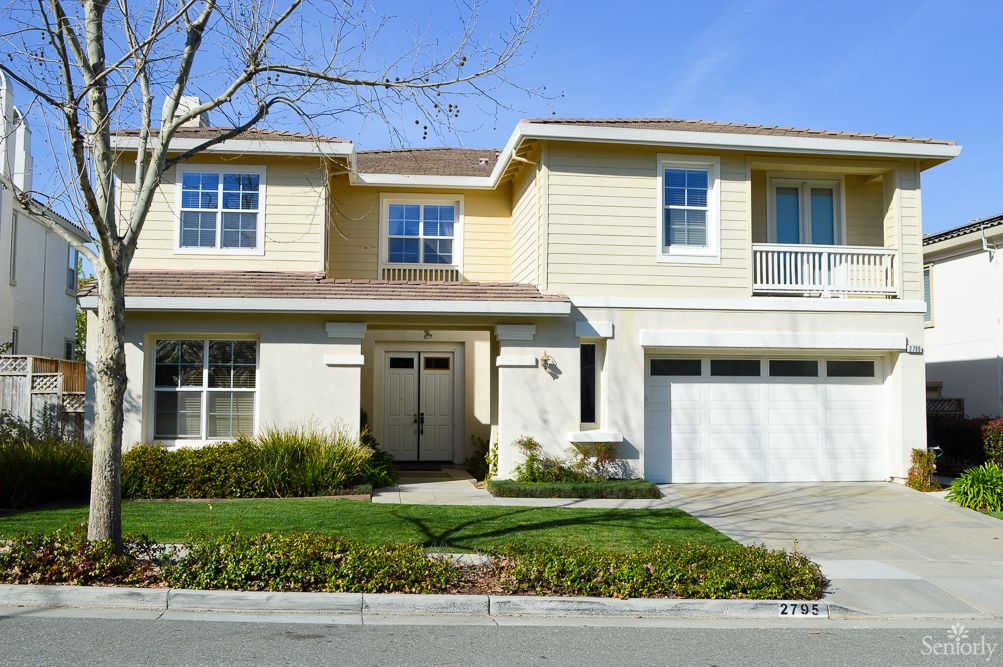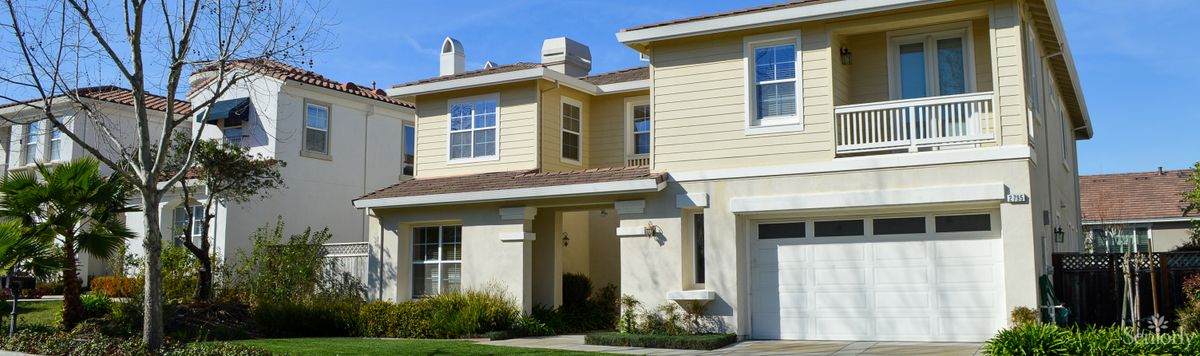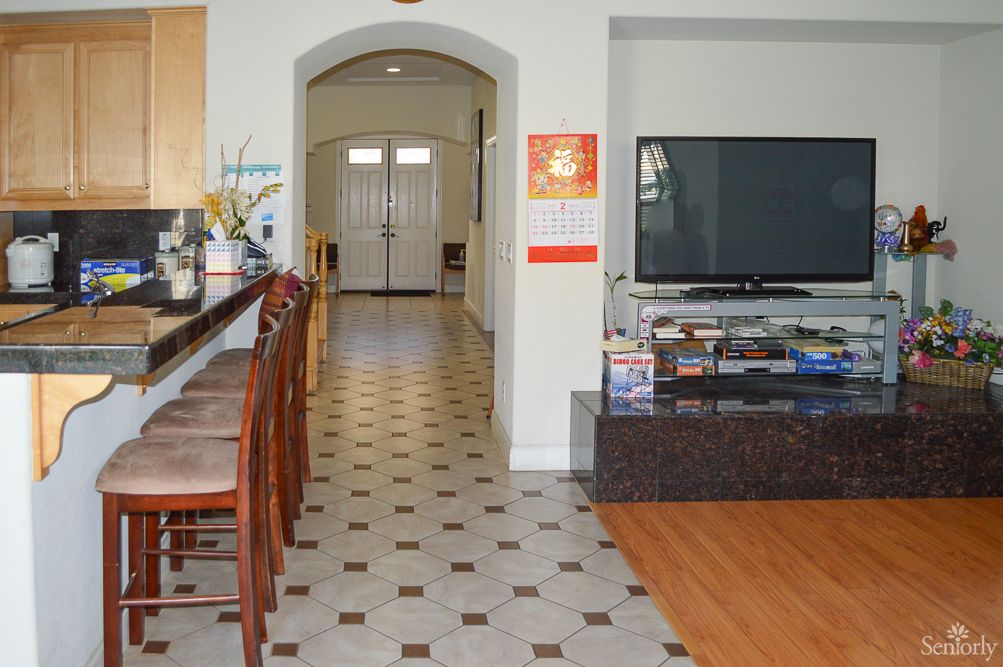
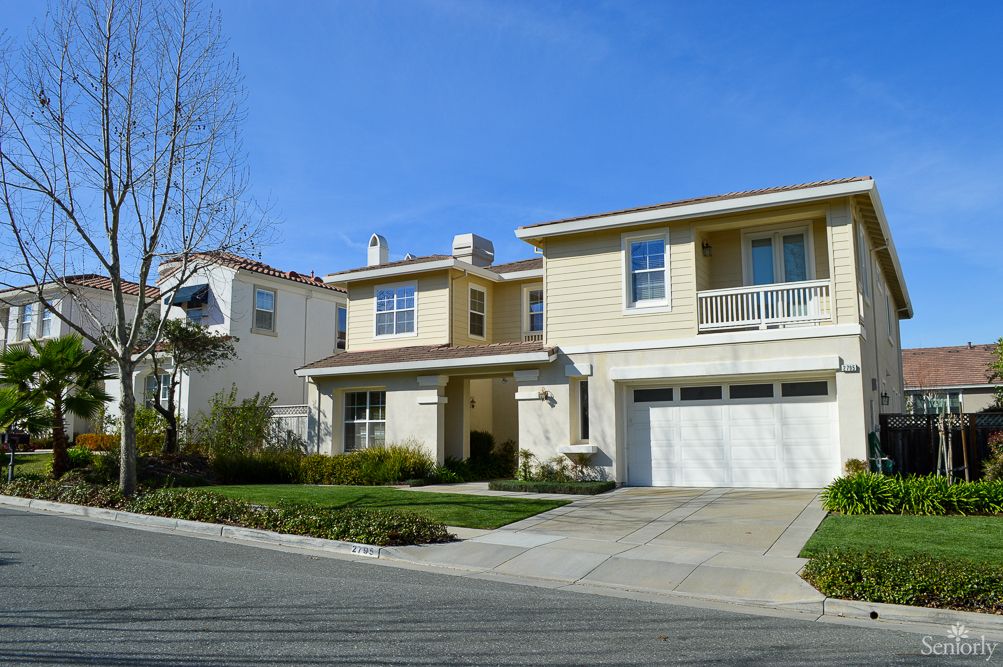
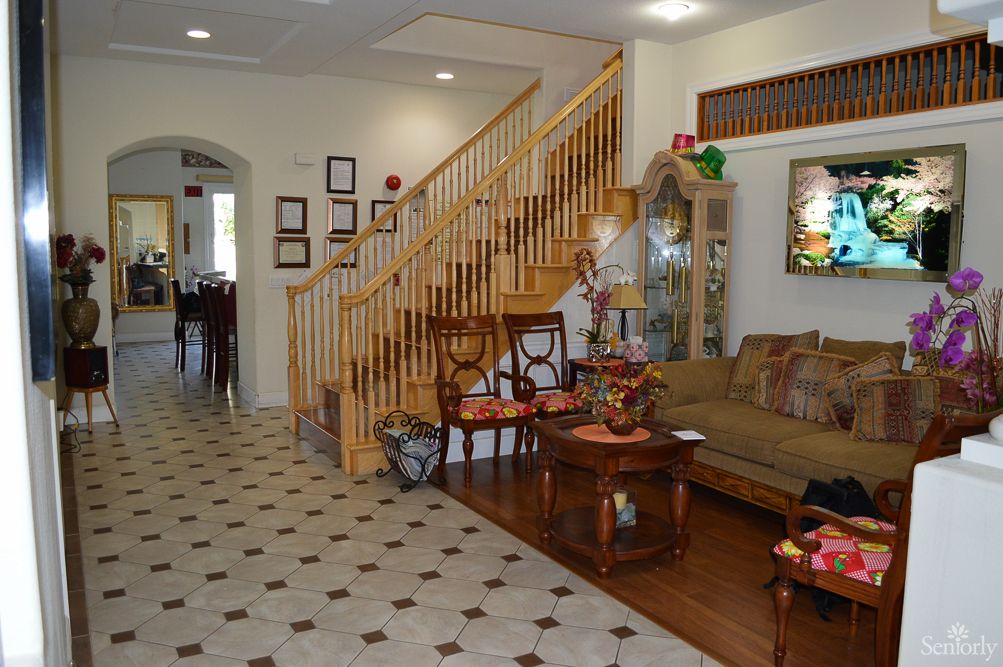
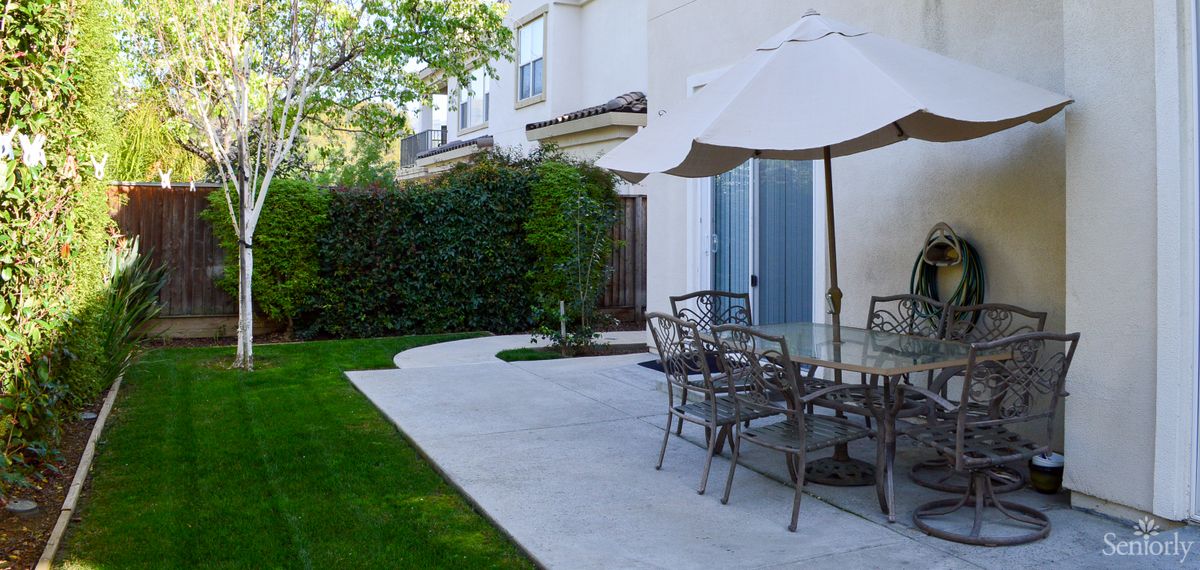
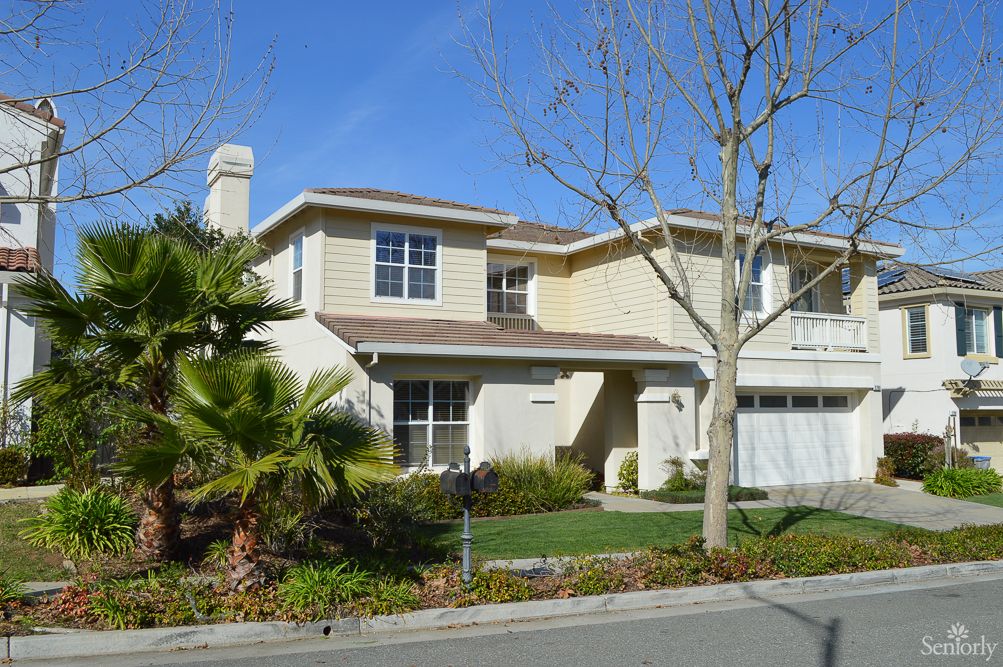
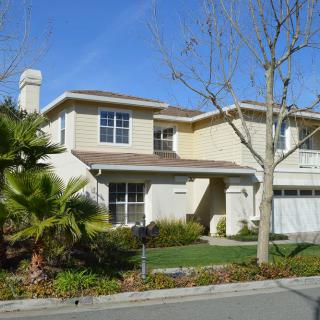

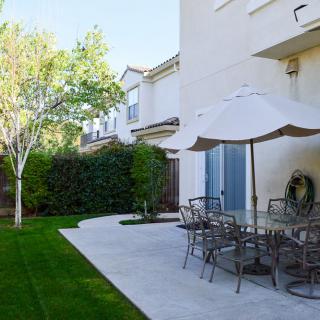
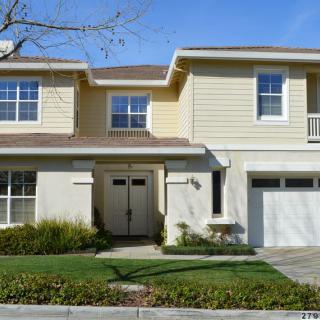
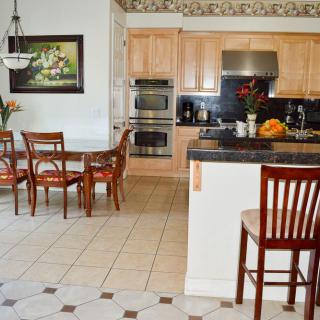
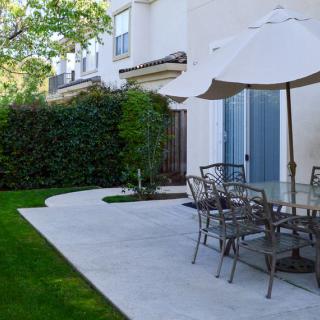
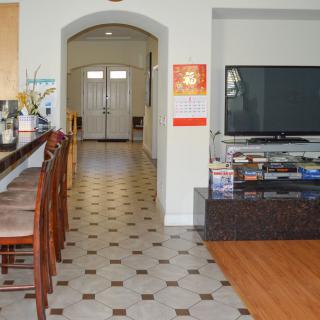
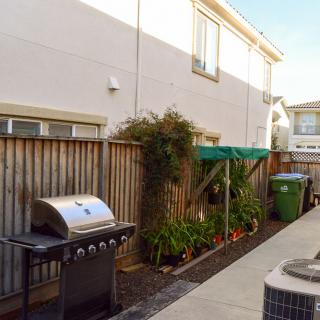
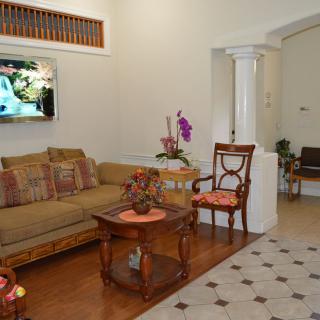
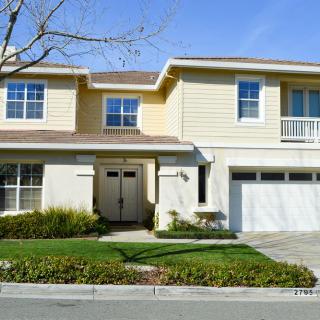
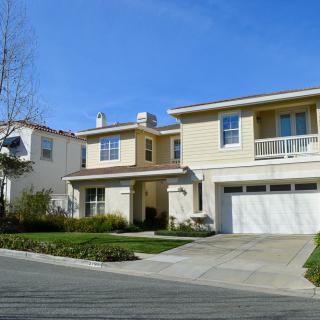
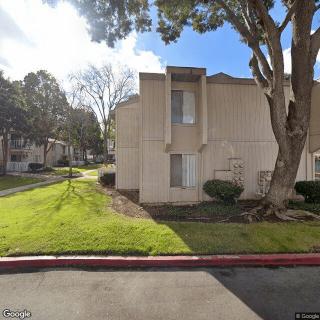
2795 George Blauer Place, San Jose, CA 95135
For more information about senior living options: (866) 208-4318
Lifeshare Care Home 3 Costs & Pricing
Lifeshare Care Home 3 offers competitive pricing for its residents compared to the broader market in Santa Clara County and the state of California. Monthly costs at Lifeshare are notably lower, with semi-private rooms priced at $2,000, significantly less than the county average of $3,943 and the state average of $3,333. For those seeking private accommodations, Lifeshare charges $3,000, again offering a more affordable option compared to Santa Clara County's average of $4,096 and California's average of $3,939. This makes Lifeshare Care Home 3 an appealing choice for families looking for quality care without the financial strain often associated with long-term residential options.
| Floor plans | Lifeshare Care Home 3 | Santa Clara County | California |
|---|---|---|---|
| Semi-Private | $2,000 | $3,943 | $3,333 |
| Private | $3,000 | $4,096 | $3,939 |
Memory care communities with a similar price nearby
-
About the same
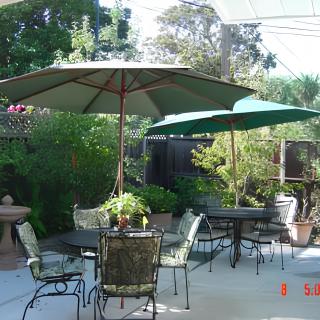
Sunny Orchard Place
$1,995 to $3,700 / month15.7 miles away -
from +$222 / mo
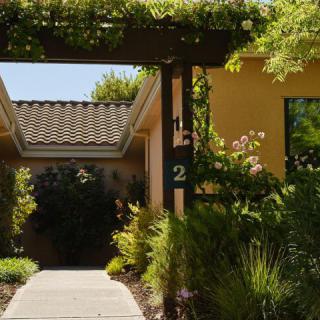
The Forum At Rancho San Antonio
$2,222 / month17.7 miles away -
from +$295 / mo

Westmont of Milpitas
$2,295 to $6,395 / month10.6 miles away -
from +$200 / mo
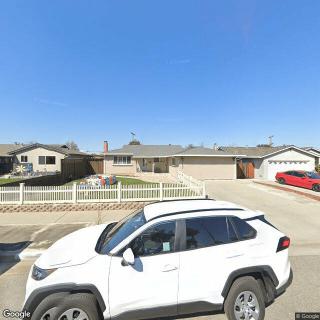
Elisa Home Care
$2,200 to $2,800 / month7.2 miles away -
from -$200 / mo
Fremont Village
$1,800 to $3,495 / month21.4 miles away
Overall Review of Lifeshare Care Home 3
Pros
 Belinda is awesome.
- Some of the staff are great and very caring.
- The place is overall nice.
Review
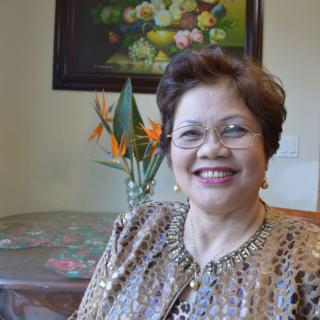
Lifeshare Care Home 3 in San Jose is best suited for families seeking a small, home-like environment where the owner is visibly involved and staff members deliver warm, individualized attention. The two available reviews place Belinda, the owner, front and center as a real strength, with comments that she brings a positive, approachable presence to the home. The feedback also highlights staff who are caring and consistently kind, painting a picture of a setting where residents are treated with personal warmth rather than transactional care. For families prioritizing a calm, intimate atmosphere and regular, familiar faces, this community aligns with those goals. It is not a fit for those chasing a large-scale operation with exhaustive programming; it excels where personalized touch and a sense of belonging drive daily life.
Those considering Lifeshare Care Home 3 should explicitly weigh the need for deeper medical oversight or dementia-focused programming. Alternatives may be preferable for families requiring strong, highly structured clinical support, a wider array of on-site activities, or more formalized memory care services. The limited public data means prospective residents must probe for specifics on levels of care, medication management, emergency response protocols, and the availability of specialty services. If the priority is a highly predictable, institution-like schedule with expansive activity calendars and specialized staff, the two reviews suggest exploring other options to confirm whether Lifeshare can meet those expectations.
The primary positives here are unmistakable. Belinda’s ownership is described as awesome, implying active leadership and accountability at the home’s top level. Coupled with comments about caregivers who are “great and very caring,” the narrative reinforces a dependable culture of warmth and trust. The overall impression is a place where residents are seen as individuals rather than room numbers and where staff seem willing to go the extra mile to maintain comfort, dignity, and a pleasant atmosphere. In decision terms, these strengths translate into strong day-to-day continuity, better rapport with family members, and a higher likelihood of residents feeling settled and content.
However, the data available leaves some potential concerns underexplored. The rating sits at four stars from two reviews, suggesting satisfaction with room to grow in areas that are not documented, such as the scope of medical support, cognitive care options, or the depth of daily programming. The absence of explicit drawbacks in the feedback does not erase the reality that a small sample size cannot reveal consistency across months or variations in staffing. Families should seek concrete answers about caregiver-to-resident ratios, how shifts are managed, and whether care plans adapt quickly to changing needs. A formal tour to observe interactions and a frank conversation about daily routines will illuminate these unknowns.
The pros, owner-driven leadership, caring staff, and a welcoming, low-key environment, are meaningful counters to the gaps a small data set presents. A hands-on owner often means faster problem resolution, clearer communication with families, and a culture that prioritizes individual comfort and well-being. When these factors combine with a genuine sense of community among residents, the risk of limited programming or generalized care concerns can be mitigated through highly personalized attention and flexible scheduling. The key is to verify that the warmth translates into practical benefits: timely medication administration, proactive health monitoring, and activities that honor each resident’s preferences and history.
Bottom line: Lifeshare Care Home 3 is a compelling option for families who value intimate, owner-led care and a staff culture that feels truly caring. It stands out for its personal touch and the promise of meaningful relationships in a smaller setting. Yet, the limited independent feedback means due diligence is essential. Prospective residents should visit, tour, and interview the owner and available caregivers to confirm alignment on medical needs, daily routines, and long-term care planning. If a family requires extensive memory-care programming or rigorous clinical oversight, or simply desires more publicly documented metrics, it is prudent to compare Lifeshare Care Home 3 with other San Jose options to ensure the best fit for both current needs and potential future changes.
 6 resident community capacity
 Assisted Living
 Board and Care Home
 Memory Care
 Respite Care
 Cable or satellite TV
 Continuing learning programs
 Fully furnished
 Garden
 Housekeeping services
 Move-in coordination
 Outdoor space
 Private
 Private bathrooms
 Telephone
 Wi-Fi/high-speed internet available
 San Jose International (10 miles away)
 Transportation arrangement
 24-hour call system
 Activities of daily living assistance
 Assistance with bathing
 Assistance with dressing
 Assistance with transfers
 Diabetes diet
 Diabetic care
 High acuity care
 Hospice waiver
 Incontinence care
 Meal preparation and service
 Medication management
 Mental wellness program
 Rehabilitation program
 Special dietary restrictions
 Planned day trips


 How and When Medicaid May Cover Assisted Living Costs
 A Detailed Exploration of Assisted Living Medicaid Waivers Across the United States
 Exploring the Contrasts Between Assisted Living and Skilled Nursing