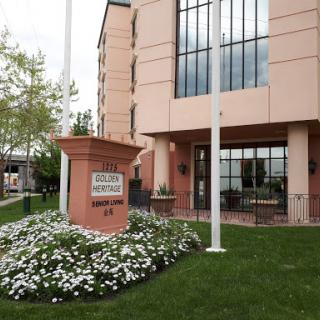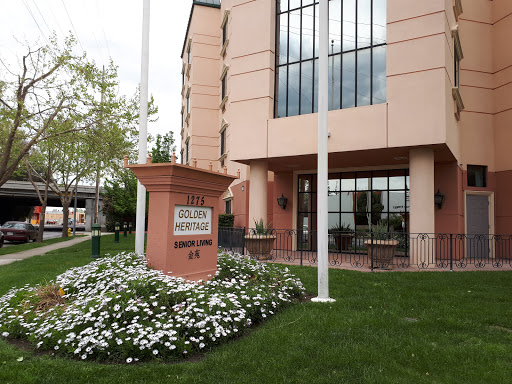
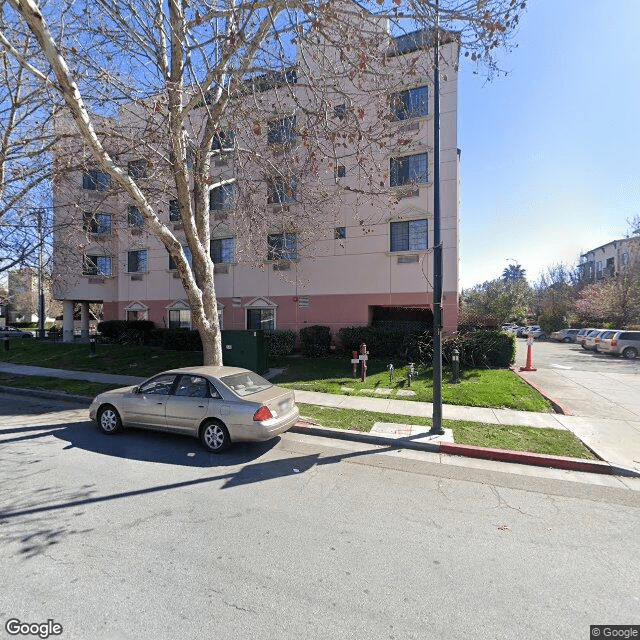
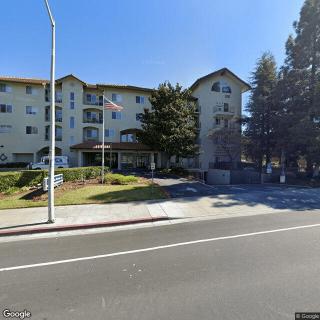
1275 North Fourth Street, San Jose, CA 95112
To contact a resident: (408) 392-0752
For more information about senior living options: (866) 208-4318
Golden Heritage Living Costs & Pricing
Golden Heritage Living offers competitive pricing for its accommodations compared to the broader market trends in Santa Clara County and California. For a semi-private room, residents can expect to pay $3,800 per month, which is notably lower than the county average of $3,943 and aligns closely with the state average of $3,333. When it comes to studio units, Golden Heritage Living's rate of $4,100 is more favorable than the county's average of $5,155 while remaining near California's overall average of $4,145. These costs reflect a commitment to providing quality living environments at reasonable rates in an area where housing can often be prohibitively expensive.
| Floor plans | Golden Heritage Living | Santa Clara County | California |
|---|---|---|---|
| Semi-Private | $3,800 | $3,943 | $3,333 |
| Studio | $4,100 | $5,155 | $4,145 |
Assisted Living communities with a similar price nearby
-
from +$700 / mo
Pleasanton Senior Care Villa
$4,500 / month21.0 miles away -
from +$200 / mo
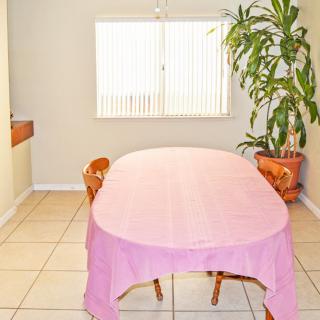
Grace Garden
$4,000 to $5,000 / month5.8 miles away -
from -$300 / mo
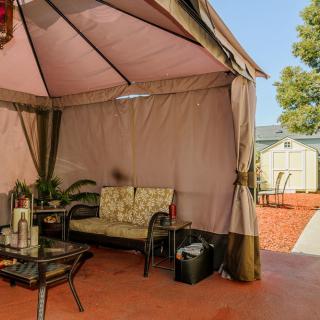
Blossom Garden Senior Home
$3,500 to $4,800 / month24.5 miles away -
from -$641 / mo

Moldaw Family Residences a CCRC
$3,159 to $4,381 / month11.7 miles away -
from +$670 / mo

Aegis of Fremont
$4,470 to $6,420 / month13.5 miles away
Overall Review of Golden Heritage Living
Pros
 Holden Heritage is an outstanding facility.
- The staff are caring and knowledgeable.
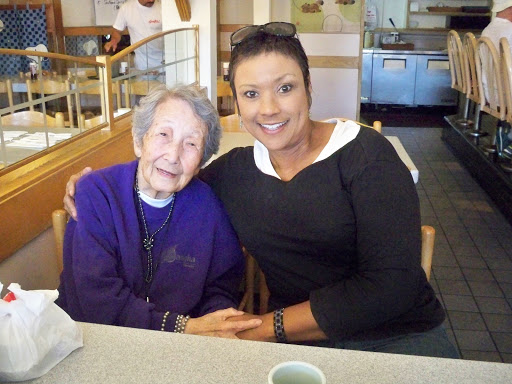
- They provide varied meals (mostly Asian) and organize daily activities.
- They even volunteer their own time to host music and dance performances for residents.
- Golden Heritage works with families to provide increasing levels of care.
- The staff deliver timely advice and support to families when needed.
- The staff are respected by families across roles, from caregivers to nurses to front desk and back office.
- The staff have made families' lives easier.
- The facility is independently owned and run by a nice family with healthcare experience.
- The place is clean and the staff are friendly.
- Residents enjoy activities like daily exercises, crafts, weekly outings, and bingo.
- The care provides peace of mind for families.
Cons
 The reviewer calls the community awful and not recommendable.
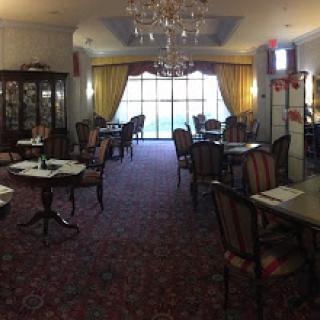
- The rooms looked like hospital rooms—impersonal, with a plastic curtain separating the inhabitants.
- There was a language barrier, as staff spoke mainly their home language and English was not understood well.
- The rent was quadrupled without notice, and management threatened eviction for asking questions, showing greed.
- The facility is described as awful, with staff lacking compassion and more interested in money.
- Elders were moved to an unfamiliar, impersonal place where they would be lonely, forgotten, and possibly die.
- The building felt dark and institutional, with no windows.
- The staff were criticized for treating employees badly, labeling the place as awful.
Review
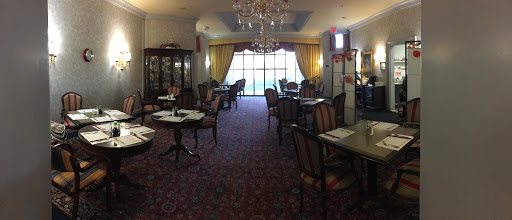
Golden Heritage Living in San Jose is best suited for Chinese-speaking seniors and families who want a cost-conscious, community-owned option that provides a recognizable cultural atmosphere, steady caregiving, and a clear continuum of care. It works well for someone who recently faced mobility or health setbacks and prefers a smaller, family-run environment over a large corporate chain. The combination of nearby location, familiar cuisine, and engaged staff makes it a practical choice for relatives who want consistent communication, hands-on support, and predictable routines in a setting that feels personal rather than institutional.
The strongest positives are real and meaningful. Caregivers and nurses are described as caring, knowledgeable, and deeply involved, with staff across roles forming relationships that families come to rely on. Meals skew toward Asian flavors, and daily activities, exercise, crafts, outings, and on weekends, local performances, provide structure and social engagement that keep residents connected. The facility’s independent-to-assisted transition is highlighted as a genuine strength: care levels can be increased incrementally as needs evolve, and staff will coordinate with families through the process. For many families, these elements translate into peace of mind and a perceived reduction in the burden of caregiving.
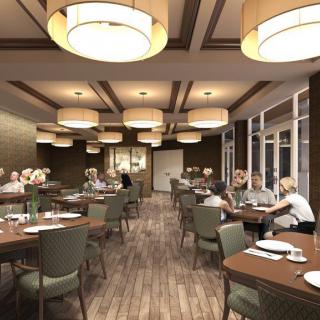
Yet the campus presents clear drawbacks that cannot be overlooked. A recurring concern is the look and feel of some spaces, described by critics as hospital-like, with shared rooms and limited privacy. Language dynamics matter as well: a strong concentration of Asian staff can mean English is not always well understood by all residents, and for some families this language gap creates friction or confusion. There are reports of loneliness when a loved one is relocated from a familiar home, and some residents experience limited privacy and autonomy in a setting that leans toward a shared experience. Pricing pressures surface in a few reviews, including objections to unexpected or perceived aggressive cost shifts, which heighten anxiety for families already watching budgets.
Despite these cons, the core strengths often offset the downsides for the right resident profile. The compassionate, experienced administration and care teams establish a reliably steady standard of daily care that families can trust daily. The cost advantage relative to other SJ-area options, combined with proximity to home, makes Golden Heritage a sensible choice for families who prioritize affordability without sacrificing basic quality. The option to move from assisted living to independent living to trim ongoing expenses, while retaining oversight, further strengthens its practical appeal for long-term planning. Finally, the facility’s cultural focus can be a significant alignment for residents who value familiar foods, language, and social patterns.
That said, not every family should default to Golden Heritage. Alternatives are worth serious consideration for those who prioritize English-fluent staff across all shifts, ultra-private rooms, or a more contemporary, Westernized aesthetic. For families seeking a non-Asian culinary focus, broader dementia-specific programming with clearly branded memory-care pathways, or transparent, consistently published pricing structures, other communities may be a better fit. Those needing robust, specialized memory care with guaranteed English communication will want to compare options where language and environment more closely resemble Western standards. In short, Golden Heritage shines for those who want cultural familiarity, personal attention, and cost efficiency, less so for those chasing high-end decor, strictly English-language operation, or highly private accommodations.
For families leaning into Golden Heritage, the prudent path is a targeted, in-person vetting. Schedule visits during active hours to observe care interactions and resident engagement at meals and activities. Ask blunt questions about room configurations, shower schedules, and the exact pricing structure, including any potential increases and what triggers them. Inquire about language support and staff turnover, and request opportunities to speak with current residents and families about their experiences. Confirm the scope of memory-care options and how care plans are coordinated if needs rise. With due diligence, Golden Heritage can be a practical, affordable, and comforting home for the right elder who values culture, continuity, and a hands-on care approach.
 Assisted Living
 Independent Living
 Cats allowed
 Dogs allowed
 Activities on-site
 Devotional services off-site
 Indoor common areas
 San Jose International (1 miles away)
 Ambulatory care
 Diabetic care
 Incontinence care
 Meals provided

 Medicare Coverage for Assisted Living: An In-Depth Exploration
 Choosing the Right Senior Care: A Detailed Exploration of Assisted Living and Nursing Homes
 Understanding the True Cost of Assisted Living in 2025: A Comprehensive Guide