
366 Lassenpark Circle, San Jose, CA 95136
For more information about senior living options: (866) 208-4318
Overall Review of Diya Senior Care
Pros
 The Rose Garden is a lovely elderly care home run by Ting, with her therapy-dog Wolfie, creating a warm, welcoming atmosphere.
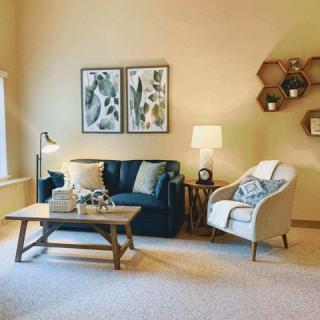
- The home is light, bright, clean, and features comfortable rooms plus ample community space for families and visitors.
- It offers a broad range of care, including hospice, dementia, cancer, and stroke care, with a generous caregiver-to-resident ratio for personalized attention.
- The staff are excellent, delivering focused and personalized care that exceeds expectations.
- Ting deeply cares for her residents and provides attentive, compassionate care, with Wolfie as a beloved companion.
- The facility avoids an industrial feel, presenting a clean, cozy, fresh environment with flowers, plants, lamps, art, and immaculate rooms.
- The management and leadership are thoughtful and experienced, contributing to a sense that residents are happier at home.
Cons
 He was asked to leave a large memory care facility because of behavioral issues.
Review
For families evaluating Diya Senior Care in San Jose, this model reveals where a small, home-like setting with intimate, attentive care excels. The experiences described for Rose Garden Elderly Care in the same city highlight a low-stress, person-centered environment rather than an industrial campus. Ting runs the home with a therapy dog named Wolfie, creating a welcoming atmosphere that families repeatedly note as immediately comforting. The space feels bright and lived-in, with comfortable rooms and abundant gathering areas that invite family involvement. For those who value continuity and personal attention over sheer size, this model delivers, staff who know residents well and care plans that feel genuinely tailored.
Important strengths extend beyond ambiance. The home presents a broad care spectrum, including hospice, dementia, cancer, and stroke support, reducing the need for transitions between providers. Families praise the generous caregiver-to-resident ratio, which supports frequent, individualized interactions. The combination of a clean, cozy setting with purposeful programming creates a sense of stability for residents and reassurance for relatives. The presence of a therapy dog often enhances mood and social engagement, while the overall environment conveys care-focused intentionality rather than transactional routines. In short, the facility translates well into everyday life for seniors who benefit from meaningful, person-centered care.
Delivery of care stands out as the core strength. Reviewers repeatedly cite attentive staff, professional conduct, and a leadership team that prioritizes residents’ well-being. Ting’s hands-on approach is described as heartfelt and practical, contributing to a perception of reliable, consistent oversight. The staff’s focus on individualized attention translates into more one-on-one time, frequent check-ins, and a sensitivity to each resident’s history and preferences. The strong caregiver ratio supports this personalized model, and the long-term relationships built with residents and families appear to be a cornerstone of satisfaction. The combination of dedicated caregivers and a thoughtful administrator creates trust that shows up in day-to-day care.
However, the intimate, home-style model carries trade-offs. While ideal for personal attention, it may not satisfy families needing a large, clinically oriented campus with extensive on-site medical staffing. The notes describe a new construction with strong aesthetics and programming, implying a promising start but less evidence of a long track record with complex cases. The dog-friendly environment, though a strength for many, may pose challenges for allergy-prone residents or visitors. Additionally, occupancy dynamics and leadership dependence on a single administrator could influence consistency if staffing or policy priorities shift over time.
Those who should consider alternatives are families prioritizing scale, formal medical networks, or higher-certainty access to long-term care at scale. A larger memory-care campus, hospital-affiliated facility, or operator with a longer tenure might better meet expectations for frequent physician presence, stricter clinical protocols, or predictable waitlists. Price transparency and admission timing are not evident in the notes, so families with budget constraints should compare value against other San Jose options. For residents requiring substantial medical interventions, or for households seeking a highly structured daily routine with rigid schedules, alternative settings may offer greater peace of mind.
Practical decision steps are clear. Family members should tour, speaking directly with the administrator and frontline caregivers to evaluate whether the care plan aligns with the person’s needs. Assess cleanliness, the living environment, and whether the caregiver-to-resident ratio holds during peak hours. Confirm the ability to accommodate specific conditions and the dog policy, including allergen considerations. Request sample care plans, references from similar cases, and a transparent discussion of pricing and admissions. For families drawn to compassionate, individualized, home-like care, this model presents a compelling option; for others, a cautious comparison with larger or more clinical communities is prudent.
 6 resident community capacity
 Assisted Living
 Board and Care Home
 Cable or satellite TV
 Dining room
 Fully furnished
 Garden
 Housekeeping services
 Move-in coordination
 Outdoor space
 Telephone
 Wi-Fi/high-speed internet available
 San Jose International (8 miles away)
 24-hour supervision
 Activities of daily living assistance
 Assistance with bathing
 Assistance with dressing
 Assistance with transfers
 Diabetes diet
 Meal preparation and service
 Medication management
 Special dietary restrictions
 Transportation arrangement (medical)
 Transportation to doctors appointments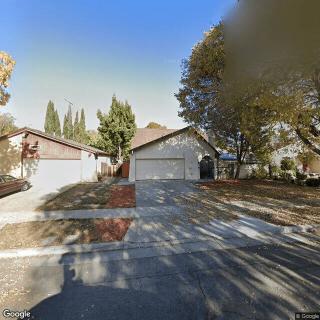



 Understanding Medicaid Coverage for Assisted Living: A Comprehensive Guide
 How and When Medicaid May Cover Assisted Living Costs
 A Detailed Exploration of Assisted Living Medicaid Waivers Across the United States