
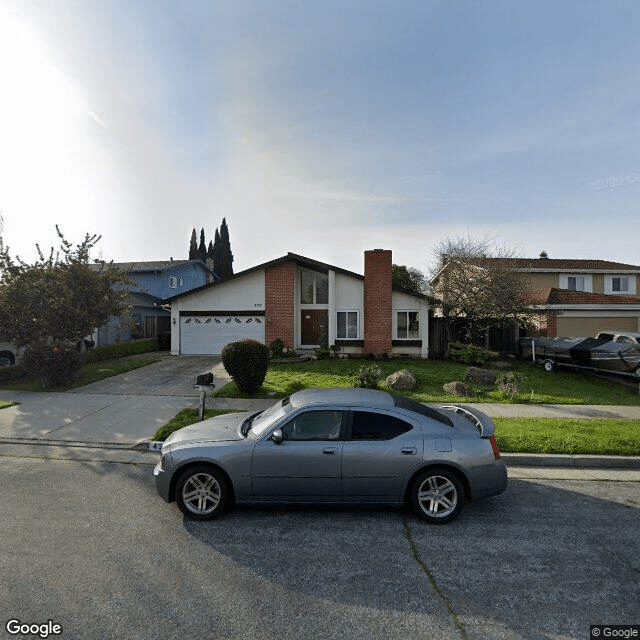
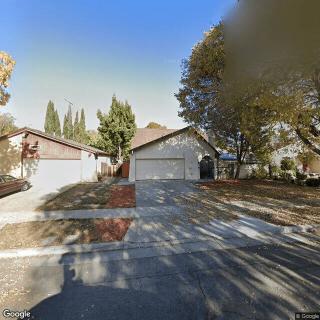
4387 Silverberry Drive, San Jose, CA 95136
For more information about senior living options: (866) 208-4318
Blossom Valley Care Home Costs & Pricing
Blossom Valley Care Home offers competitive pricing for its residents, with monthly costs significantly lower than the regional averages in Santa Clara County and throughout California. For a semi-private room, the care home charges $2,500, which is notably more affordable compared to the county's average of $3,943 and the state average of $3,333. Similarly, for a private room, Blossom Valley's rate of $3,000 stands in stark contrast to Santa Clara County's average of $4,096 and California's average of $3,939. These rates reflect Blossom Valley's commitment to providing quality care at accessible prices, ensuring that residents receive both excellent service and value for their investment in long-term care.
| Floor plans | Blossom Valley Care Home | Santa Clara County | California |
|---|---|---|---|
| Semi-Private | $2,500 | $3,943 | $3,333 |
| Private | $3,000 | $4,096 | $3,939 |
Assisted Living communities with a similar price nearby
-
from -$278 / mo
The Forum At Rancho San Antonio
$2,222 / month14.6 miles away -
About the same
Isherwood Care III
$2,500 to $3,500 / month21.8 miles away -
from +$450 / mo
Sunnyside Gardens
$2,950 to $4,450 / month13.9 miles away -
from +$495 / mo
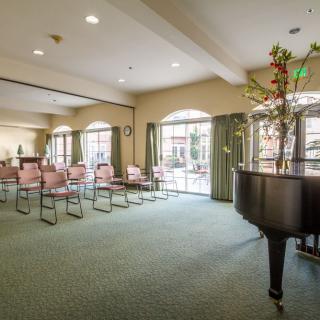
Carlton Senior Living Fremont
$2,995 to $4,395 / month20.7 miles away -
from +$300 / mo
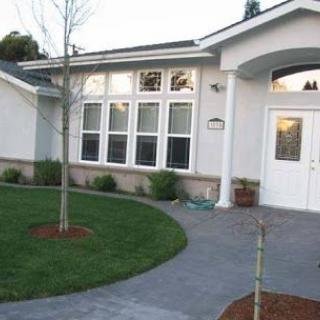
Sweet Little Home
$2,800 to $2,970 / month18.4 miles away
Overall Review of Blossom Valley Care Home
Pros
 The staff were nice.
- The house was clean.
Cons
 They would never come again.
- There was paint chipping off the door jambs from wheelchair access.
Review
Blossom Valley Care Home in San Jose is best suited for families seeking a small, home-like setting where caregivers form real connections with residents, daily routines are predictable, and cleanliness is a clear priority. This is not a large campus with multiple wings; it’s a intimate residence where staff can know residents by name, monitor needs closely, and keep the pace of life calm and familiar. It appeals to seniors who value personal attention, steady supervision, and a warm, non-clinical ambiance over grand amenities. For families prioritizing trust, open communication, and a sense of safety in a low-key environment, Blossom Valley shapes up as a practical, low-friction option.
That said, potential residents who require more robust medical oversight or a broader program of activities should consider alternatives. The facility’s small footprint means resources are more limited than in larger assisted living communities, which can translate into slower escalation of needs or fewer specialized services on hand. Aging finishes and maintenance considerations also surface as a trade-off of the home-like model. If a resident’s acuity is higher, or if memory-care programming, diversified outings, and structured clinical support are non-negotiables, other options with bigger clinical footprints may deliver more consistent peace of mind.
The strongest positives are practical and tangible: friendly, dedicated staff and a consistently clean living environment. Reviews repeatedly flag the staff as a core strength, delivering assistance with morning routines, meals, and day-to-day tasks with attentiveness and familiarity. A clean, orderly house reinforces a sense of safety and comfort, contributing to smoother daily life and fewer irritants that can disrupt mood or appetite. These practical benefits matter greatly when managing routine care, minimizing friction during transitions, and ensuring residents feel treated with respect and concern.
Where the picture darkens, the most visible drawbacks revolve around aging infrastructure and mixed satisfaction signals. A notable cosmetic issue, paint chipping around door jambs in wheelchair-accessible areas, points to the wear that comes with a smaller house-style model and heavy foot traffic. While cosmetic, it signals ongoing maintenance needs that can affect perceived freshness and long-term upkeep. More troubling are the occasional negative impressions reflected in the lower end of the rating spectrum. One strongly negative experience hints at inconsistencies in care or communication that, for some families, undermine confidence despite the overall positive notes.
These pros and cons intersect in a way that will guide decision-making. For families who prize a hands-on, resident-centered environment and can accept occasional maintenance quirks, the staff’s warmth and a clean, home-like setting offset many cosmetic and consistency concerns. The intimate footprint means less institutional feel, which often translates to easier family-staff communication and quicker responses to day-to-day needs. Conversely, for those who demand a polished, turnkey facility with rigorous maintenance standards, or for residents whose care requires more intensive medical oversight, Blossom Valley may fall short.
In the end, Blossom Valley Care Home is a practical, if imperfect, choice for a subset of seniors and their families. It shines for those seeking personal attention, straightforward routines, and a clean, comfortable home atmosphere. It’s less compelling for families chasing the highest level of clinical care, broad activity programming, or the polish of a larger campus. The decision should come down to three questions: Is the resident’s care level compatible with a small-family model? Are the cosmetic and maintenance realities acceptable in exchange for close relationships with staff? And can the family live with some variability in overall experience, trusting that the core strengths, staff who care and a clean home, will prevail most days? If the answer is yes, Blossom Valley stands as a sensible, financially sensible option worth pursuing with a thorough, on-site visit and targeted questions about maintenance, staffing levels, and care plans.
 6 resident community capacity
 Assisted Living
 Board and Care Home
 Cable or satellite TV
 Dining room
 Fully furnished
 Garden
 Housekeeping services
 Move-in coordination
 Outdoor space
 Private
 Private bathrooms
 Telephone
 Wi-Fi/high-speed internet available
 San Jose International (8 miles away)
 24-hour supervision
 Activities of daily living assistance
 Ambulatory care
 Assistance with bathing
 Assistance with dressing
 Assistance with transfers
 Diabetes diet
 Diabetic care
 Meal preparation and service
 Medication management
 Special dietary restrictions
 Transportation arrangement (medical)
 Transportation to doctors appointments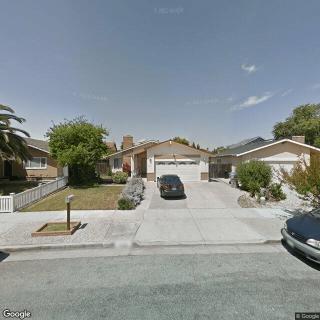

 Assisted Living Expenses and Long-Term Care Insurance: A Comprehensive Exploration
 Securing Financial Support for Assisted Living: A Comprehensive Overview
 Social Security Benefits and Assisted Living: Navigating Options Across the U.S.