
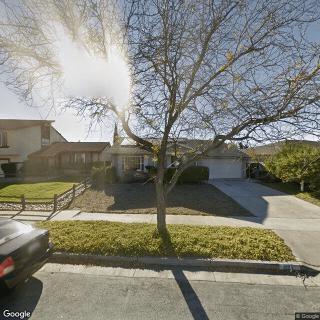
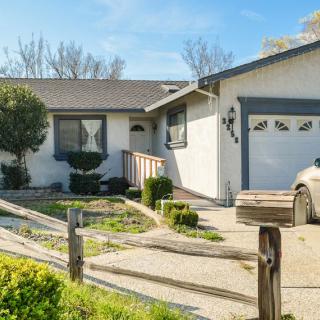
678 High Glen Drive., San Jose, CA 95133
For more information about senior living options: (866) 208-4318
Overall Review of Alvin Place Care Home
Pros
 Lafayette Gardens provides a safe, caring, and contemporary environment with dignified care.
- The staff render respectful care, ensuring safety and understanding of residents.
- Medication management is a godsend for residents' emotional and physical challenges.
- Lafayette Gardens affords families the opportunity to share important and loving times with their loved ones while everything else is taken care of.
- Lafayette Gardens is a special place.
- Lovely Care Home provides the opportunity for residents to stay together.
- The care at Lovely Care Home supports residents as their health declines.
- The facility is highly recommended for care needs.
Review
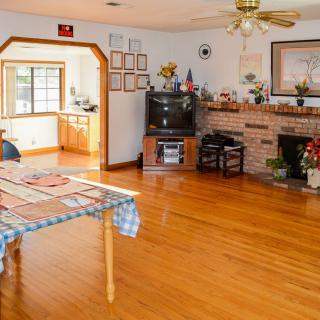
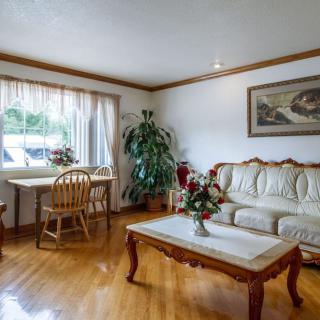
Alvin Place Care Home is best suited for families seeking a safe, dignified, home-like setting in which daily care is attentive and family time remains a priority. The clearest indicators from similar intimate homes show a pattern: residents receive careful medication management, staff who treat residents with respect, and a strong emphasis on safety and personal dignity. For seniors who want to avoid a clinical, impersonal vibe and instead prefer a calm, predictable routine where caregivers become partners in daily life, Alvin Place offers a compelling fit. It is particularly well-suited for couples who wish to stay together and for families who want a setting that feels like a familiar residence rather than a traditional facility.
Those evaluating Alvin Place should also consider alternatives if certain needs are non-negotiable. If a loved one has high medical complexity, frequent nursing interventions, or requires intensive rehabilitation, a larger community with around-the-clock licensed nursing staff and more expansive clinical programs may be a better match. If specialized memory-care programming or highly structured activities for varying levels of cognitive impairment are priorities, a facility dedicated to dementia care or a more program-driven environment could outperform a smaller home in meeting those demands. In short, the advantages of a intimate, home-style setting may fade when the health needs shift toward aggressive medical management or highly specialized therapies.
The strongest pros in this class of homes are the foundation of daily life: meticulous medication management, a palpable culture of safety, and staff who aim to respect every resident’s dignity. When these elements are present, they significantly offset the absence of industrial-scale amenities or the breadth of services found in larger communities. For families juggling multiple responsibilities, the reassurance that medications are administered correctly, that emotional and physical challenges are acknowledged, and that staff are attuned to subtle signs of distress can be the deciding factor. In a setting like Alvin Place, those core strengths directly translate into less family stress, more predictable care, and a steadier routine for the resident, benefits that often trump the need for fancier facilities with more visible programming.
An equally important advantage is the opportunity for meaningful personal time with loved ones. In intimate homes, families frequently describe being able to share important moments with their relatives while staff handles the practicalities of daily care. This dynamic, where caregiving is collaborative rather than isolated, creates trust and continuity. When residents can remain together with spouses or siblings and still receive consistent support, the emotional and psychological benefits are substantial. The ability to maintain familiar routines and to have caregivers who recognize a resident’s history enhances comfort and reduces anxiety, which in turn supports better daytime engagement and mood.
To make the most informed decision about Alvin Place, craft a focused checklist for visits and conversations. Inquire about staff qualifications and turnover, the specifics of the medication management process, and how changes in a resident’s condition are monitored and communicated to families. Probe the level of available medical oversight, the presence of on-site nursing, and what happens when more intensive care becomes necessary. Ask about memory-care capabilities, daily activity options, and how family members are integrated into care planning. Finally, seek clarity on transition plans if health declines or if a move to a higher-acuity setting becomes unavoidable. This pragmatic approach ensures the strengths highlighted by positive experiences, safety, dignity, and fitting the rhythm of home life, are aligned with actual capabilities.
Bottom line: Alvin Place Care Home is a strong recommendation for families seeking a compassionate, safe, intimate environment where care is personalized and relationships matter. It excels for residents who thrive in a home-like atmosphere, where staff manage medications and daily routines with respect and professionalism, and where families can stay engaged without feeling overwhelmed by the scale of the operation. For those whose loved ones demand higher medical acuity, more intensive rehab services, or specialized memory-care programming, it is prudent to explore alternatives that deliver those specific needs with equal or greater confidence.
 6 resident community capacity
 Assisted Living
 Board and Care Home
 Cable or satellite TV
 Dining room
 Fully furnished
 Garden
 Housekeeping services
 Move-in coordination
 Outdoor space
 Telephone
 Wi-Fi/high-speed internet available
 San Jose International (5 miles away)
 24-hour supervision
 Activities of daily living assistance
 Assistance with bathing
 Assistance with dressing
 Assistance with transfers
 Diabetes diet
 Meal preparation and service
 Medication management
 Special dietary restrictions
 Transportation arrangement (medical)
 Transportation to doctors appointments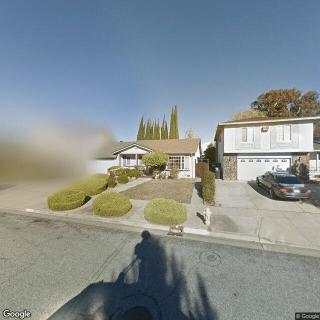




 Exploring the Contrasts Between Assisted Living and Skilled Nursing
 8 Key Indicators That Suggest It May Be Time to Transition from Assisted Living to Skilled Nursing Care
 Vibrant Senior Living: A Comprehensive Guide for Active Older Adults