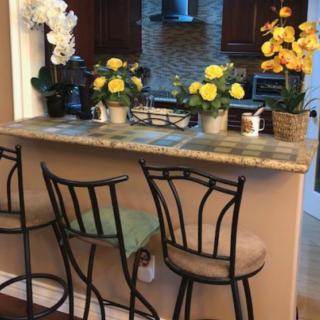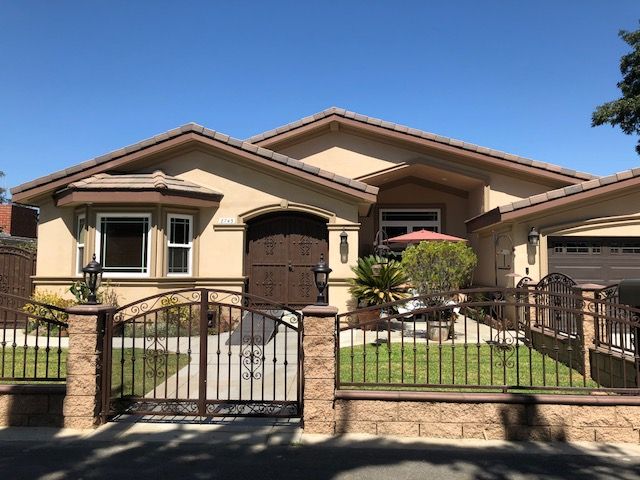
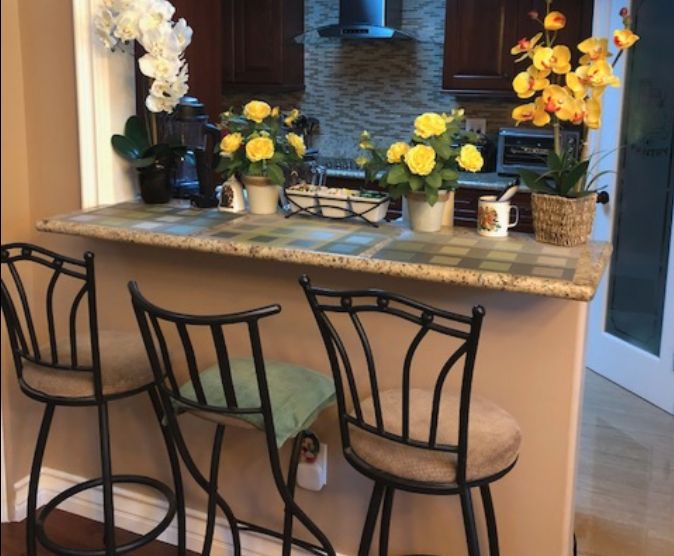

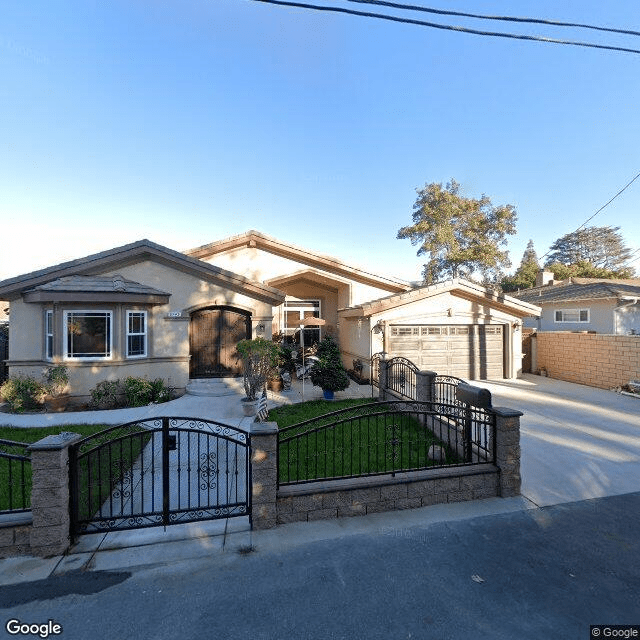
8743 Youngdale Street., San Gabriel, CA 91775
For more information about senior living options: (866) 208-4318
Home Away Assisted Living Costs & Pricing
Home Away Assisted Living offers a one-bedroom accommodation at a monthly cost of $6,000. This price is notably higher than the average for Los Angeles County, which stands at approximately $4,603, and significantly above the statewide average of $4,340. While the premium associated with Home Away Assisted Living may seem steep in comparison to local and state figures, it often reflects the quality of care, amenities, and personalized services that residents receive. Prospective residents should consider these factors when evaluating the overall value of their senior living options.
| Floor plans | Home Away Assisted Living | Los Angeles County | California |
|---|---|---|---|
| 1 Bedroom | $6,000 | $4,603 | $4,340 |
Memory care communities with a similar price nearby
-
from +$200 / mo
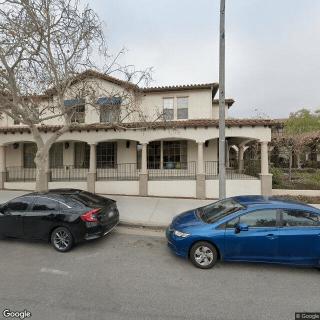
The Kensington at Sierra Madre
$6,200 to $9,270 / month3.1 miles away -
from -$1000 / mo

Sweet Home Senior Living #1
$5,000 to $7,500 / month20.4 miles away -
from -$300 / mo
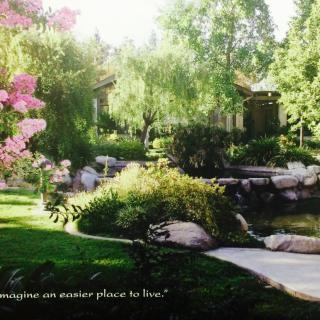
Mt. San Antonio Gardens
$5,700 to $8,550 / month19.7 miles away -
from -$1000 / mo

MorningStar Senior Living of Pasadena
$5,000 to $11,645 / month4.2 miles away -
from -$1050 / mo
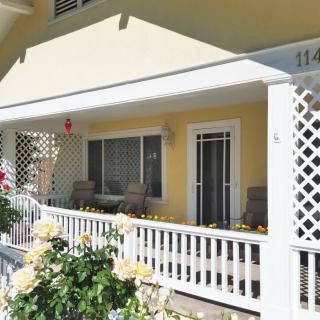
El Molino Rose Villa
$4,950 to $5,950 / month4.6 miles away
Overall Review of Home Away Assisted Living
Pros
 The atmosphere is warm and feels like a home, not a facility.
- Adriana and her family are wonderful, patient, kind, and caring.
- The home is spotless and well kept, with steady nurse communication.
- Residents are treated like family, creating a sense of safety and trust.
- The setting is beautiful, homey, and has an affectionate animal companion.
- The facility is a tranquil, family-operated gem offering excellent care.
- The care is consistently described as the best, with attentive, dedicated staff.
Cons
 The grandmother's previous facility was awful because it wasn't clean.
- She never knew which nurse she would get (if she could find one).
Review
Home Away Assisted Living in San Gabriel is best suited for families seeking a true home-style experience where care feels personal, constant, and rooted in a family-operated ethos. The model serves seniors who thrive on intimate attention from caregivers who treat residents like relatives, not tenants. It shines for those who value a clean, orderly, and calm domestic setting, with predictable routines and the comfort of a small, dog-friendly environment. For families prioritizing warmth, consistency, and a sense of belonging over showroom scale, this community has clear appeal. However, for residents requiring high-acuity medical supervision, complex memory-care programming, or a broad slate of on-site activities and amenities, alternatives that offer larger teams and more specialized resources should be considered.
The strongest pillars here are the people and the atmosphere. Adriana and Zoly Kiss run the operation with a level of dedication that translates into steady, reliable caregiving. The home is described as spotless, with every room and bathroom kept to a high standard, which directly supports comfort and dignity. A single nurse is consistently involved with a resident, reducing confusion and the risk of miscommunication, a rare and valuable feature in smaller homes. The presence of an animal companion adds daily joy and companionship, a meaningful non-medical touch that many families underestimate in terms of emotional well-being. The pride they take in their business shows in the thoughtful planning evident in their addition and ongoing commitment to making the space feel like a real home rather than a facility.
Caregiver stability and a family-oriented approach are repeatedly highlighted as differentiators. Family members speak of Adriana as loving, patient, and genuinely invested in each resident’s health and happiness. This is not a set of interchangeable shifts; it is a personalized caregiving team built on trust and long-standing relationships. The home’s atmosphere, beautiful, well-kept, and welcoming, reinforces a sense of safety and belonging. Family references to past caregiving experiences with Adriana, including years of attentive service for a parent, build a perceptible halo of reliability. For families worried about care quality dropping during tough times, the narrative here is that communication remains strong and proactive, with a readiness to adapt to residents’ needs.
Still, any 6-10 bed, family-operated setting carries trade-offs that deserve attention. The small scale means fewer formal programming options, fewer on-site medical specialists, and less of the “one-stop shop” feel of larger communities. For seniors whose needs include robust social programming, specialized memory-care protocols, or rapid access to a wide network of therapists and physicians, a larger licensed facility may offer more comprehensive coverage. Availability can also be a factor in such intimate homes; when a demand spike hits, wait times and scheduling could become a challenge. These are not stated flaws but practical realities of a home-like operation that prioritizes intimate attention over breadth of services.
Yet the pros here do more than compensate for those trade-offs. The intimate setting, coupled with a consistent caregiver relationship, translates into fewer care gaps and less resident distress. Cleanliness and order reduce anxiety and support easier daily living. The dog on site provides steady companionship that can lower agitation and foster routine, everyday joy. The sense of “family” extends to families visiting, who often feel welcomed and kept in the loop about their loved one's daily life. In short, the advantages of a tightly run, home-centered operation, trust, warmth, cleanliness, and personal accountability, outweigh the constraints for many seniors who place premium value on dignity, comfort, and consistent human connection.
For families making a choice, the bottom line is clear: Home Away Assisted Living excels for someone who wants a genuine home ambiance, with a devoted, personally invested caregiving team and a stable, clean, dog-friendly environment. It is less suited for those who demand extensive medical specialization, large-scale programming, or rapid access to a broad array of clinical services. Prospective residents should prioritize talking through staff ratios, daily routines, and how emergencies are managed, while visiting to observe how Adriana and her family interact with residents. If the goal is to maximize personal attention, trust, and a nurturing home atmosphere, this community stands out; if the priority is medical breadth and institutional activity, broader facilities will serve better.
 6 resident community capacity
 Assisted Living
 Board and Care Home
 Memory Care
 Activities on-site
 Cable or satellite TV
 Dining room
 Fully furnished
 Garden
 Housekeeping services
 Indoor common areas
 Move-in coordination
 Outdoor common areas
 Private bathrooms
 Respite or short term stays offered
 Small library
 Telephone
 Wi-Fi/high-speed internet available
 Burbank-Glendale-Pasadena (17 miles away)
 24-hour supervision
 Ambulatory care
 Assistance with bathing
 Assistance with dressing
 Assistance with transfers
 Diabetes diet
 High acuity care
 Incontinence care
 Meal preparation and service
 Medication management
 Mental wellness program
 Special dietary restrictions
 BBQs or picnics
 Birthday parties
 Karaoke
 Live musical performances
 Pet-focused programs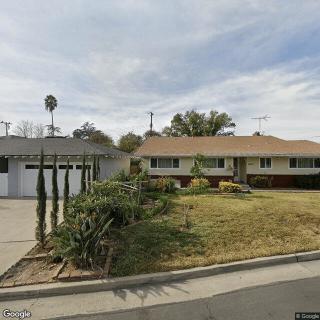




 A Holistic Dementia Care Guide: Effective Strategies for Memory Support
 Memory Care Pathways: A Holistic Guide to Dementia Support
 Comprehending Evening Confusion in Dementia: Causes, Manifestations, and Support