
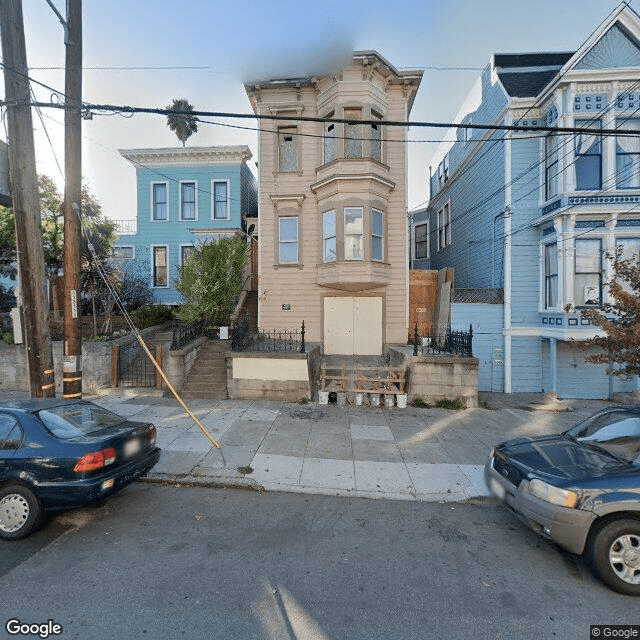
628 Shotwell St(DD), San Francisco, CA 94110
To contact a resident: (415) 550-7379
For more information about senior living options: (866) 208-4318
Lorne House Costs & Pricing
Lorne House offers competitive pricing across its room types compared to both San Francisco County and the broader California market. For a studio, Lorne House's monthly cost of $2,315 is significantly more affordable than the county average of $7,708 and the state average of $4,145. Moving up to a one-bedroom unit, Lorne House's rate of $2,810 remains appealing against the county's higher price of $5,843 and is slightly above the state average of $4,340. In the case of two-bedroom accommodations, Lorne House charges $3,265, which is lower than the excessive county rate of $8,851 and still thoughtfully positioned below California's average of $5,270. Overall, Lorne House presents an attractive option for those seeking affordability without sacrificing comfort in a desirable location.
| Floor plans | Lorne House | San Francisco County | California |
|---|---|---|---|
| Studio | $2,315 | $7,708 | $4,145 |
| 1 Bedroom | $2,810 | $5,843 | $4,340 |
| 2 Bedrooms | $3,265 | $8,851 | $5,270 |
Senior living communities with a similar price nearby
-
from +$385 / mo

Home Instead Senior Care
$2,700 to $3,400 / month20.9 miles away -
from +$185 / mo
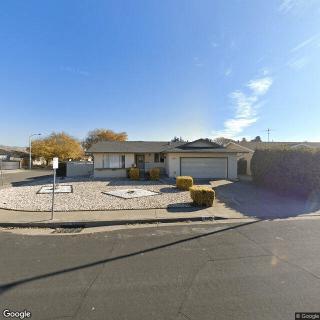
Ava Bella Care Home
$2,500 to $3,000 / month22.4 miles away -
from +$185 / mo

San Carlos Elms
$2,500 to $5,880 / month19.5 miles away -
from +$185 / mo
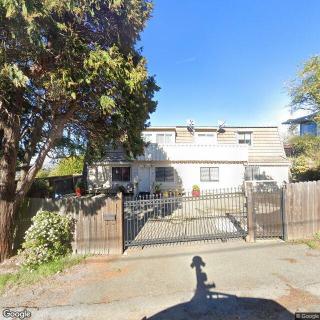
Rose Arbor Senior Care
$2,500 to $4,620 / month14.7 miles away -
About the same
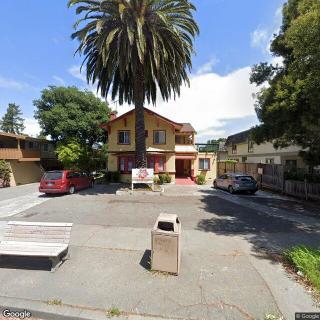
Jla Healthcare Services
$2,300 to $3,200 / month12.5 miles away
Overall Review of Lorne House
Pros
 The community is clean and quiet.
- It is a nice place.
- Customers have a good experience with them.
Cons
 The fire alarm goes off at least once a week, disturbing the community.
Review
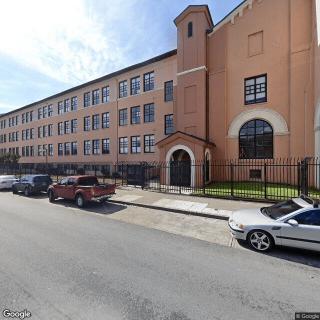
Lorne House in San Francisco is best suited for seniors who prize a clean, quiet, low-stress living environment. The community tends to appeal to residents who are relatively independent or at the early stages of assisted living, valuing predictable routines, tidy surroundings, and a calm atmosphere over high-energy programming. The setting supports daily life that unfolds with order and minimal disruption, with housekeeping and maintenance contributing to a sense of stability. In practical terms, residents can expect a neat building, straightforward schedules, and a cadence that minimizes bustle. For families seeking a comfortable, neighborly option in a city context, Lorne House offers a sensible fit that favors everyday reliability over flashier amenities.
Who should consider alternatives? Those craving robust daily engagement, a wide range of activities, or more explicit medical oversight may find the offerings too gentle or inconsistent. Residents who are especially sensitive to noise or disruptions should scrutinize how alarms, staff response times, and care coordination are managed. Families needing proactive communication, transparent maintenance records, or rapid issue resolution may want to compare other communities. In short, if a highly energized social calendar, stronger on-site care levels, or a demonstrated track record of problem-solving are non-negotiable, it is prudent to explore other options before committing.
From a practical standpoint, the strongest positives center on cleanliness and quiet. Reviews consistently describe a clean, pleasant atmosphere that supports peace of mind and straightforward day-to-day living. Several residents report having a good experience with staff and management, underscoring the potential for reliable, respectful service when operations click. The overall vibe is calm and orderly, which translates into fewer daily headaches around housekeeping, noise, or logistics. For tenants who want a predictable, low-stress routine, these elements deliver tangible value that can translate into steady comfort and a sense of safety in familiar surroundings.
On the downside, the most persistent complaint is a fire alarm that goes off about once a week, disrupting the community. That level of disruption can erode sleep, concentration, and a sense of normalcy, especially for light sleepers or those with medical sensitivities. Repeated alarms also raise questions about maintenance responsiveness and the building’s overall safety culture. Families may wonder whether the facility has effective alarm localization, quick staff notification, and reliable troubleshooting. While alarms are not universal, their recurrence creates a palpable tension between comfort and security and should be weighed carefully by anyone evaluating whether Lorne House aligns with critical care and daily living expectations.
When the positives align, cleanliness, quiet, and orderly routines, the drawbacks can be mitigated, but only if the operation demonstrates consistent reliability. The calm environment can offset the disturbances for residents who value predictability and minimal environmental stress. A smaller-scale setting often enables more personalized attention from a smaller staff, which is a practical advantage for routine tasks and problem-solving. Yet this benefit depends on responsive maintenance and prompt alarm handling. If the facility can show a track record of addressing alarms quickly and minimizing disruption, the favorable elements become more compelling and the overall quality of life more solid.
Decision-makers should view Lorne House as a solid mid-range option for seniors prioritizing cleanliness and quiet over bustling activity. It is a good match for those who can tolerate occasional disturbances in exchange for a calm, orderly home. Alternatives should be considered for families seeking more robust social programming, stronger 24/7 caregiving oversight, or greater transparency in maintenance and safety practices. Due diligence should include a comprehensive tour at different times of day, direct questions about alarm history and mitigation steps, confirmation of care coordination practices, and candid conversations with current residents about daily life. With careful vetting, Lorne House can be a dependable home when expectations and reality align, and for the right resident, it clearly fits the bill.
 Board and Care Home
 San Francisco International (10 miles away)


 9 Stimulating Memory Activities for Seniors: Puzzles, Cards, and Much More
 Managing Nursing Home Expenses After Medicare Coverage Ends
 Is a Geriatric Care Manager the Right Choice for Your Family?