
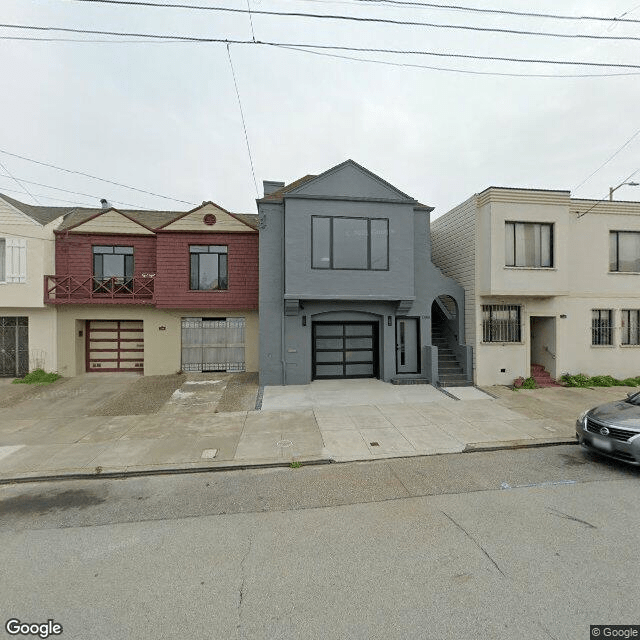
1390 41st Ave, San Francisco, CA 94112
To contact a resident: (415) 724-2458
For more information about senior living options: (866) 208-4318
Overall Review of Allied Care Bay Area, Inc
Pros
 The staff were amazing.
- The physical therapy was essential and very helpful.
- Nurses were on the clock attending to residents' medications.
- The food was delicious, and the dietitian checked in with residents frequently.
- They offered engaging activities like live music, movies, bingo, ice cream, and hot chocolate to uplift residents.
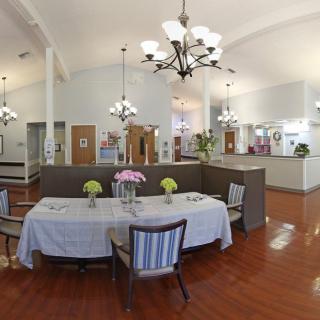
- The facility is very clean and meticulously maintained.
- CNAs are wonderful and spend the most time with residents; some nurses go above and beyond to make stays feel like a home away from home.
- Britney, the receptionist, was cheerful and professional.
- Judy is an amazing therapist who makes everything go smoothly.
- The facility comes highly recommended for skilled nursing care and physical therapy.
Cons
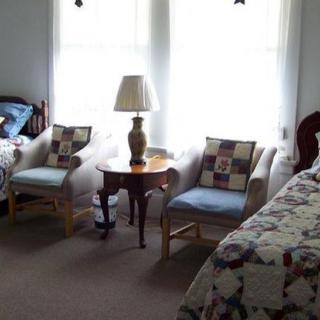
 The facility is old, narrow, and lacks air conditioning.
- It is described as dirty, messy, and not ideal for recovery.
- Three to four people occupy a room smaller than a regular bedroom.
- There is a lack of 24-hour care, with no explanation given for a loved one’s death.
- The environment feels miserable and like a cemetery, undermining comfort.
- Some reviews describe the staff as rude and the patient care as poor.
- One reviewer warns not to send a loved one there due to rude staff and bad care.
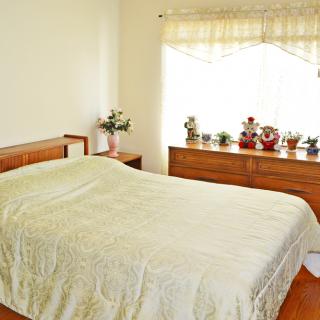
- A reviewer claims the first picture in a review is a lie, suggesting misrepresentation.
Review
Allied Care Bay Area is best suited for seniors who are recovering from surgery or needing structured rehabilitation and who value hands-on nursing attention, solid therapy services, and a livelier social program. It works well for families that prioritize strong staff relationships, frequent check-ins, and a clean, well-maintained environment where rehab, medications, and daily activities are well-coordinated. For short-term recovery, the combination of attentive caregivers, dependable PT/OT/SLP teams, and accessible meals makes this community a practical, even reassuring, choice.
The strongest positives center on staffing and rehab-focused care. CNAs and nurses are repeatedly cited as the backbone of daily life, delivering around-the-clock medication support and attentive daily care. The rehabilitation team, PT, OT, and speech therapy, receives strong praise for helping residents regain mobility and confidence after procedures. Food quality and nutrition oversight are consistently described as good, with dietician check-ins adding a layer of individualized care. Residents benefit from a calendar of engaging activities, live music, movies, bingo, and social events, that contribute to emotional well-being and a sense of normalcy. Cleanliness and meticulous maintenance also run consistently through the favorable reports, underscoring a disciplined approach to the physical environment.
Yet the facility carries meaningful drawbacks that can tilt the balance depending on needs. The building is described as aging, with narrow layouts and a setting that some reviewers find dreary or inhospitable. Notably, several reviews flag a lack of 24-hour care in practice, raising concerns for families expecting continuous supervision or robust responsiveness at all hours. There are outlier reports of rude staff and poor patient care, signaling that experiences can vary by shift and individual staff members. The atmosphere and climate control, notably the absence of air conditioning in parts of the facility, contribute to discomfort for some residents and families, especially during sensitive recovery periods.
These pros offset the cons most effectively for those focused on rehabilitation outcomes and day-to-day quality of life rather than luxury amenities. For short stays, the high-quality rehab services, reliable medication management, engaging activities, and clean environment can drive meaningful recovery milestones and emotional uplift. The downside, an older facility with inconsistent 24/7 coverage, becomes a secondary concern if the primary goal is mobility restoration and rapid re-engagement with daily life. When the objective shifts toward long-term, round-the-clock oversight or memory-care stability in a more modern, climate-controlled setting, the advantages thin out and the risks become more salient.
Families should consider alternatives if certain non-negotiables are present: constant, around-the-clock supervision without gaps; a newer, more updated facility with robust HVAC; uniformly high staff quality across all shifts; or a setting that feels more uplifting and less institutional. For residents who require intensive, continuous monitoring, or for households prioritizing a serene, modern ambiance over rehab-focused programming, other options may deliver greater peace of mind. It is prudent to compare caregiver-to-resident ratios by shift, request to speak with front-line staff and current residents, and tour the building to assess room configurations, airflow, and overall ambiance.
Bottom line: Allied Care Bay Area serves as a solid, practical choice for recovery-focused seniors who value skilled therapy, attentive nursing, reliable daily structure, and a lively engagement calendar. It excels where rehab outcomes and daily care quality are the priority and where any discomfort with an older building or limited around-the-clock coverage is acceptable. Prospective families should vet staffing consistency across shifts, inspect HVAC and room conditions, and weigh the importance of modern amenities against the proven strength of rehab and care. If those trade-offs align with the care goals, this community can be a prudent, dependable option; if not, pursuing alternatives with stronger 24/7 coverage or newer facilities is strongly advised.
 San Francisco International (12 miles away)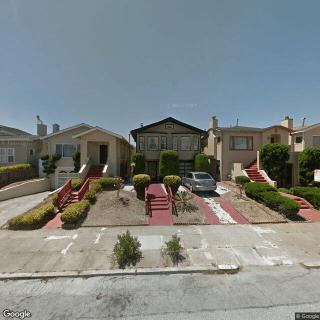




 Fecal Incontinence in Older Adults: A Comprehensive Guide
 Recognizing the Journey: Understanding and Navigating Anticipatory Grief
 Encouraging Participation in Adult Day Care: A Guide to Supporting a Hesitant Parent