
707 Street Charles Way, Salinas, CA 93905
For more information about senior living options: (866) 208-4318
St. Charles Guest Home Costs & Pricing
St. Charles Guest Home offers competitive pricing for its one-bedroom accommodations at $4,000 per month, which is slightly below the average costs in both Monterey County and the broader California market, where prices hover around $4,189 and $4,340 respectively. This positions St. Charles Guest Home as an attractive option for individuals seeking quality care without straining their budgets. By providing essential services in a comfortable environment, it not only appeals to residents in the local area but also stands out against statewide averages, making it a commendable choice for those considering assisted living options.
| Floor plans | St. Charles Guest Home | Monterey County | California |
|---|---|---|---|
| 1 Bedroom | $4,000 | $4,189 | $4,340 |
Assisted Living communities with a similar price nearby
-
from -$205 / mo

Ivy Park at Salinas
$3,795 to $5,195 / month2.7 miles away -
from +$395 / mo
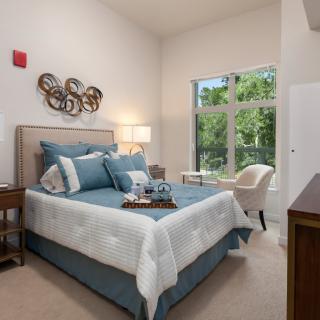
Merrill Gardens at Monterey
$4,395 to $7,350 / month13.8 miles away -
from +$350 / mo
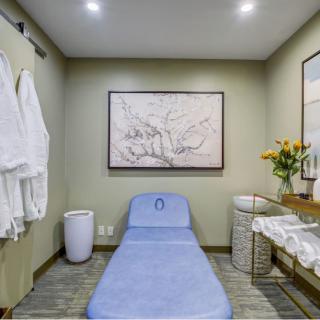
Madonna Gardens Assisted Living & Memory Care
$4,350 / month2.7 miles away -
from -$600 / mo

Montecito Manor
$3,400 to $4,500 / month18.0 miles away -
from -$750 / mo

Merrill Gardens At Gilroy
$3,250 to $5,600 / month22.5 miles away
Overall Review of St. Charles Guest Home
Pros
 The team at Dhaniella’s Care Home is compassionate, caring, and provides impeccable care.
- They are patient with residents as they adjust to their new environment.
- The team is responsive and communicative, providing regular updates to families.
- The care home gives families peace of mind and is highly recommended.
- The care home is excellent, with Ria being careful, kind, and making intelligent decisions benefiting the elders.
- The home is spotless and the meals are healthy and appropriate for residents’ needs.
- No dangerous sores occurred over three years for the residents, reflecting high-quality care.
- Ria is a trusted, capable caregiver who should be chosen to care for an elder.
Review
St. Charles Guest Home in Salinas is best suited for families seeking a small, home-like setting where an elderly loved one can receive highly personalized, hands-on care. The reviews paint a portrait of a tightly run, intimate environment in which caregivers know residents well, communicate with families regularly, and coordinate closely as a unified care team. This community shines when the goal is to avoid impersonal transitions and to keep a daily routine that feels consistent, safe, and deeply attentive. It is especially compelling for seniors who thrive on steady human connection, clear updates, and a living space that emphasizes dignity, cleanliness, and daily meals that align with medical or nutritional needs.
For families weighing alternatives, the obvious driver is medical intensity and specialized care. Those whose elder requires 24/7 skilled nursing, complex wound care, or dementia-specific programming staffed by a larger team may find that a bigger facility or a dedicated memory-care community offers the breadth of resources those needs demand. If social programming, off-site therapies, or more formalized clinical oversight are non-negotiables, a larger assisted living campus or licensed skilled-nursing setting could be more fitting. St. Charles Guest Home may not present the same scale of medical services one might find in a larger operation, so these factors deserve careful comparison before making a move.
The strongest pros, as illustrated by the testimonials, center on the people delivering care. Compassion, patience, and a genuine team approach come through in every interaction described. Families note how staff stay attuned to a resident’s adjustment period, maintain open, regular communication, and treat the care plan as a collaborative effort with the family. The environment is described as spotless and well organized, reinforcing trust that basic daily needs are managed with discipline. Nutritional care is treated as serious, with meals deemed healthy and appropriate for the resident’s condition. Most striking is the track record with residents who are bed-bound or medically fragile, one account highlights zero dangerous sores over three years, a tangible marker of proactive skin care and consistent repositioning, not to mention dignified treatment and respect.
These compensating strengths offset potential downsides in meaningful ways. A small, intimate setting reduces the risk of impersonal care and makes frequent updates feasible, giving families true peace of mind. The transparent, responsive communication model means families are not left guessing about progress or setbacks; they participate in care decisions and stay informed about daily well-being. Cleanliness and nutrition are not peripheral concerns but core commitments, and the demonstrated success with skin integrity for bed-bound residents suggests a high level of attention to mobility, turning, and staging preventive measures into routine practice. In short, the pros translate into practical, measurable advantages that directly confront common worries about moving a loved one into an assisted-living-like arrangement.
From a practical decision-making standpoint, St. Charles Guest Home is a compelling match for elders who value continuity of care, a warm and manageable daily pace, and visible staff investment in a resident’s quality of life. Families should inquire about staff-to-resident ratios, the exact depth of medical oversight available on site, and the care-management process, especially for residents with pressure injuries, nutritional restrictions, or mobility limitations. Prospective residents ought to visit with a checklist in hand: observe how staff interact with residents, verify the dining options align with dietary needs, review how progress notes and updates are delivered, and request a trial period if possible. These steps will confirm whether the intimate, team-driven model truly aligns with the elder’s ongoing needs.
In the end, the decision hinges on balancing the value of a devoted, home-like atmosphere against the need for broader medical capabilities. If the priority is a highly personal environment where caregivers form real relationships with residents, where cleanliness, nutrition, and proactive health maintenance are non-negotiables, St. Charles Guest Home stands out as a prudent choice. If instead the elder’s needs demand more extensive medical staffing, specialized memory care resources, or a wider array of on-site therapies, alternatives should be explored sooner rather than later. The bottom line is clear: for families seeking peace of mind through intimate, accountable care, this community offers a confident, practical path forward.
 6 resident community capacity
 Assisted Living
 Board and Care Home
 Cable or satellite TV
 Dining room
 Fully furnished
 Garden
 Housekeeping services
 Move-in coordination
 Outdoor space
 Telephone
 Wi-Fi/high-speed internet available
 Monterey Peninsula (14 miles away)
 24-hour supervision
 Activities of daily living assistance
 Assistance with bathing
 Assistance with dressing
 Assistance with transfers
 Diabetes diet
 Meal preparation and service
 Medication management
 Special dietary restrictions
 Transportation arrangement (medical)
 Transportation to doctors appointments


 Funding and Affording Assisted Living: A Thorough Overview
 Assisted Living Expenses and Long-Term Care Insurance: A Comprehensive Exploration
 Securing Financial Support for Assisted Living: A Comprehensive Overview