
Rose Haven

Save
Rose Haven Rose Haven Rose Haven

Rose Haven

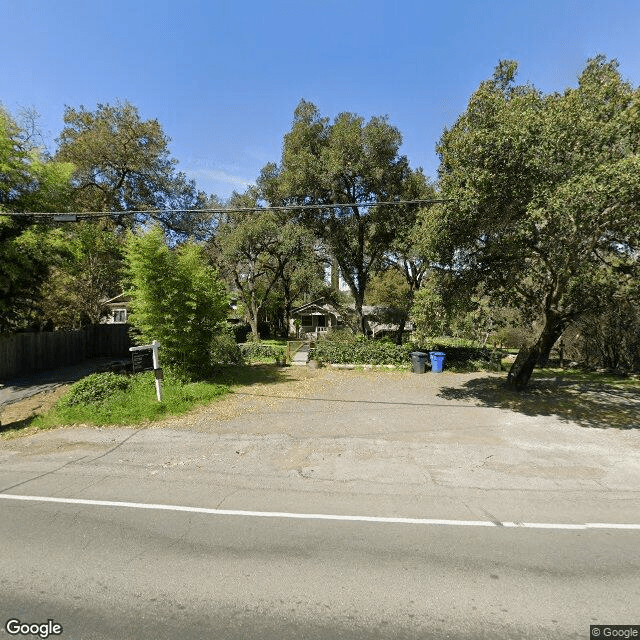
520 Sanitarium Road, Saint Helena, CA 94574

For more information about senior living options: (844) 490-3973

4 from 2 reviews
Assisted Living Memory Care Respite Care

Rose Haven Costs & Pricing

At Rose Haven, the monthly costs for care reflect a commitment to quality and comfort, notably higher than both Sonoma County and the broader California average. The semi-private room is priced at $5,000 per month, surpassing the county's average of $4,052 and the state average of $3,333, which indicates that residents are investing in a premium living environment. Meanwhile, studio accommodations at Rose Haven are available for $6,500 monthly; this rate also exceeds local ($4,340) and state ($4,145) levels. These figures suggest that while Rose Haven may be more expensive than its competitors, it likely offers enhanced services or amenities that justify the higher investment.

Floor plansRose HavenSonoma CountyCalifornia
Semi-Private$5,000$4,052$3,333
Studio$6,500$4,340$4,145

Overall Review of Rose Haven

Pros

  • pro The reviewer was impressed by how well the residents and the facility were cared for.
  • pro Charles and Marylin were kind, opening their hearts and home to the reviewer.
  • pro The reviewer has fond memories of helping make applesauce and pear sauce with Charles.
  • pro The place holds a special place in the reviewer's heart, and they hope to return to remember the joy felt there.
  • pro Peter and his sister from Africa were very nice and helped around the house, showing how much they loved the place and the residents.
  • pro The overall memory is of a warm, family-like atmosphere at Rose Haven that the reviewer cherishes and hopes to revisit.

Cons

  • pro The manager and owner refused to refund the $1,900 remaining on his account.
  • pro He alleges that a 32-page contract was signed while he was on heavy medication, casting doubt on its validity.
  • pro They did not understand his drug withdrawal, and he endured two days without sleep and felt sick to his stomach.

Review

As a child who spent time at Rose Haven, the place remains a vivid and intricate memory. I remember feeling that I did receive good care there, even though I ultimately left before completing a full month. The tension around a final accounting still lingers in my mind - the manager and owner refused to return the remaining balance of $1,900, citing a 32-page contract I supposedly signed while I was on heavy medication. It was a difficult moment, made more painful by the care I felt I needed but could not access as I was navigating withdrawal and the distress of the experience.

What stands out most in my recollections are the people who ran the home and the way the everyday work of tending a house and its residents unfolded. Charles and Marlyn - spelled variously as Marylin in some notes - owned and operated Rose Haven, and their presence shaped the atmosphere in a way that felt almost familial. Charles spent a large portion of each day at the property, tending to the grounds and the house, while Marlyn attended to the residents themselves. Their routines gave the place a rhythm that felt steady, patient, and genuinely devoted to the people who lived there.

There was a warmth in the way they shared their days that left a lasting impression. I recall helping with something as simple and meaningful as making applesauce and pear sauce with Charles. That activity wasn't just a kitchen task; it became a bridge to a family tradition I now carry forward with my own children. The act of peeling, slicing, and watching steam rise from the pot carried with it a sense of continuity - a tangible thread linking my past at Rose Haven to the life I'm building today.

The human tapestry of the place extended beyond the immediate family of Charles and Marlyn. I remember Peter and his sister, two residents from Africa who were part of the household's daily life. They were kind, helpful around the house, and their obvious love for the place and the residents shone through in their actions and their smiles. It's hard to forget how welcoming they were, how their presence underscored the sense that Rose Haven was more than a facility - it was a community where people cared for one another.

The other side of my experience is a difficult memory - the abrupt departure before a full month and the financial dispute that followed. I left early, and the $1,900 balance on my account became a point of contention. The contract, which I was told I had signed while I was under the influence of medication, became the centerpiece of the dispute, and the manager and owner did not refund the remaining funds. Add to that the reality of going through withdrawal - two days without sleep, nausea, and a deep sense of vulnerability - and the experience feels even more jarring when I reflect on it now. It's a stark reminder of how vulnerable we can be in care settings and how important fairness and understanding are during fragile moments.

Despite the pain of that chapter, Rose Haven remains a place that holds a special place in my heart. I carry with me the memory of the care that was present and the people who gave it, the sounds of the kitchen and the garden, and the day-to-day routines that created a sense of belonging. I hope to return one day to remember the joy I felt there, and to see once more if Peter and his sister are still part of the household. The longing is not simply to revisit a memory, but to reconnect with a place that taught me about care, community, and the enduring power of simple acts of kindness.

Features

Housing

  • 32 resident community capacity 32 resident community capacity

Types of Care

  • Assisted Living Assisted LivingAssisted living facilities provide crucial support and care for seniors who may need help with daily tasks such as medication management, bathing, and meal preparation. These communities offer a safe and comfortable environment where seniors can maintain their independence while receiving the assistance they need to thrive in their golden years.
  • Memory Care Memory CareMemory care is crucial for seniors as it provides specialized support and services for individuals with dementia or Alzheimer's disease. These programs offer a safe and secure environment where residents receive personalized care, cognitive stimulation, and help with daily activities. Memory care helps seniors maintain their independence, quality of life, and dignity while also providing peace of mind for their families.
  • Respite Care Respite CareRespite care provides temporary relief for caregivers, allowing them to recharge and attend to their own needs. It also gives seniors the opportunity to socialize, receive professional care, and experience a change of scenery, promoting overall well-being and reducing feelings of isolation.

Amenities

  • Activities on-site Activities on-siteActivities on-site are important for seniors because they provide opportunities for socialization, mental stimulation, physical activity, and overall well-being. Engaging in activities can help seniors stay active, maintain their independence, and improve their quality of life.
  • Beauty salon Beauty salonBeauty salons are important for seniors because they provide a space for them to feel pampered, socialize, and maintain their personal grooming and hygiene. Regular visits to a beauty salon can help boost seniors' self-esteem and overall well-being.
  • Cable or satellite TV Cable or satellite TVCable or satellite TV is important for seniors because it provides entertainment, news, and companionship, helping to combat loneliness and boredom. It also offers a wide range of programming options tailored to different interests and preferences.
  • Devotional services off-site Devotional services off-siteDevotional services off-site are important for seniors as they provide spiritual nourishment, social engagement, and a sense of community outside of the senior living facility. This can enhance overall well-being and help combat feelings of isolation and loneliness often experienced by older adults.
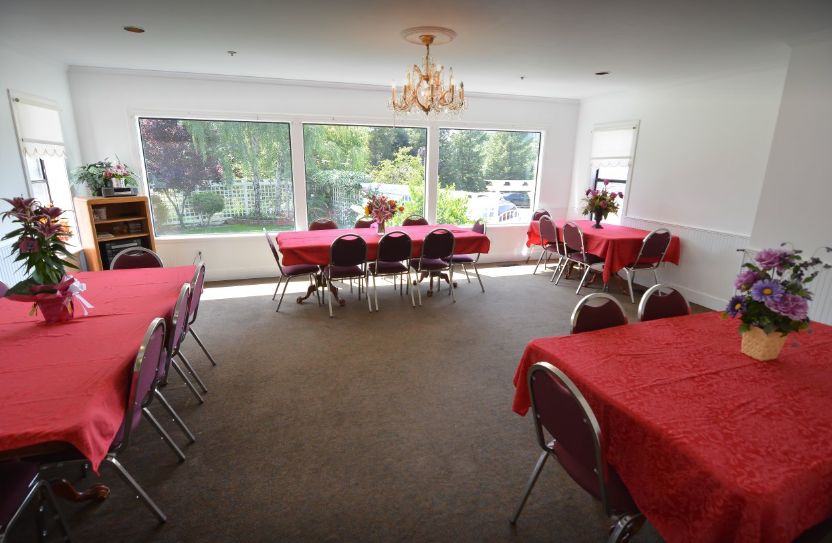
  • Dining room Dining roomDining rooms are important for seniors as they provide a space for socialization, connection, and nutritious meals. They offer opportunities for residents to bond over shared meals, foster a sense of community, and promote healthy eating habits. Dining rooms also ensure that seniors have access to well-balanced meals tailored to their dietary needs and preferences.
  • Fully furnished Fully furnishedFully furnished senior living communities are important for seniors because they provide convenience, comfort, and a hassle-free moving experience. Seniors can easily settle into their new living space without the stress of having to buy and move furniture. This allows them to focus on enjoying their new home and community.
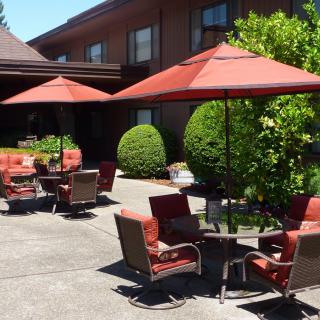
  • Garden GardenGardens are important for seniors as they provide a peaceful and therapeutic environment for relaxation, physical activity, and socialization. Being in nature has been shown to reduce stress, improve mood, and promote overall well-being. Gardens also offer opportunities for seniors to engage in gardening activities, which can improve mobility, flexibility, and cognitive function. Additionally, gardens create a sense of community and connection with others who share a passion for plants and outdoor spaces.
  • Housekeeping services Housekeeping servicesHousekeeping services are important for seniors because they help maintain a clean and safe living environment, promote independence, and reduce the risk of accidents or illnesses. Additionally, having assistance with household chores can alleviate physical strain and allow seniors to focus on other aspects of their well-being.
  • Indoor common areas Indoor common areasIndoor common areas are crucial for seniors as they provide a space for socialization, recreation, and community engagement, promoting overall well-being and reducing feelings of isolation and loneliness.
  • Kitchenette KitchenetteKitchenettes are important for seniors living in senior living communities because they provide the convenience and independence of being able to prepare simple meals and snacks in the comfort of their own living space. This can help promote a sense of autonomy and well-being for seniors, allowing them to maintain some level of control over their dietary choices and daily routines.
  • Move-in coordination Move-in coordinationMove-in coordination is important for seniors because it helps ease the transition into their new living environment. It ensures that all logistics, such as packing, organizing movers, and setting up utilities are taken care of, allowing seniors to focus on settling in and adjusting to their new home. Having a smooth move-in process can alleviate stress and anxiety, making the transition smoother and more enjoyable for seniors.
  • Outdoor space Outdoor spaceOutdoor spaces are important for seniors as they provide opportunities for physical activity, social interaction, exposure to natural light and fresh air, and a sense of connection to nature. Having access to outdoor spaces can improve overall well-being and quality of life for older adults living in senior communities.
  • Restaurant-style dining Restaurant-style diningRestaurant-style dining is important for seniors because it allows them to enjoy delicious, nutritious meals in a social and upscale setting. This enhances their dining experience, promotes healthy eating habits, and fosters socialization with fellow residents, ultimately contributing to their overall well-being and quality of life.
  • Small library Small librarySmall libraries are important for seniors as they provide access to a variety of reading materials, including books, newspapers, and magazines. This can help stimulate their minds, keep them engaged, and provide a sense of community through book clubs and other social activities. Additionally, reading has been shown to improve cognitive function and overall mental well-being in older adults.
  • Telephone TelephoneTelephones are important for seniors as they provide a lifeline for communication with loved ones, emergency services, and healthcare providers. They offer a sense of security and independence, enabling seniors to stay connected and access assistance when needed.
  • Wi-Fi/high-speed internet available Wi-Fi/high-speed internet availableWi-Fi/high-speed internet is important for seniors to stay connected with loved ones, access online resources, and participate in virtual activities to combat feelings of loneliness and isolation. It also allows them to easily manage healthcare needs, access entertainment, and engage in lifelong learning opportunities.

Care Services

  • 24-hour call system 24-hour call system24-hour call systems are important for seniors because they provide peace of mind and immediate assistance in case of emergencies. This technology ensures that help is always available, promoting safety and security for elderly individuals living alone or in assisted living facilities.
  • 24-hour supervision 24-hour supervision24-hour supervision is important for seniors to ensure their safety, well-being, and access to immediate assistance in case of emergencies or health issues. This constant support provides peace of mind for both seniors and their loved ones, allowing them to age in place with dignity and security.
  • Activities of daily living assistance Activities of daily living assistanceActivities of daily living assistance are important for seniors because they provide essential support with tasks such as eating, bathing, dressing, and mobility. This assistance helps seniors maintain their independence, dignity, and overall quality of life as they age.
  • Ambulatory care Ambulatory care"Ambulatory care services provide essential medical support and treatment to seniors without requiring hospitalization, allowing them to maintain their independence and quality of life while managing chronic conditions or receiving routine medical care."
  • Assistance with bathing Assistance with bathingAssistance with bathing is crucial for seniors as it helps maintain personal hygiene, prevents infections, and ensures their overall well-being and comfort. It also provides a sense of dignity and independence for seniors who may struggle with this task on their own.
  • Assistance with dressing Assistance with dressingAssistance with dressing is important for seniors because it helps maintain their independence, promotes personal hygiene, prevents accidents and injuries, and improves overall quality of life. This service ensures that seniors can continue to dress comfortably and confidently, despite any physical limitations they may have.
  • Assistance with transfers Assistance with transfersAssistance with transfers is crucial for seniors as it helps prevent falls and injuries, maintains their independence, and ensures they can safely navigate their living environment. It also provides peace of mind for both seniors and their loved ones.
  • Diabetes diet Diabetes dietA diabetes diet is crucial for seniors as it helps manage blood sugar levels, reduce risks of complications, and improve overall health and well-being. By following a balanced and nutritious diet tailored to their specific needs, seniors can better control their diabetes and enhance their quality of life.
  • Diabetic care Diabetic careDiabetic care is crucial for seniors as they are more susceptible to developing diabetes due to aging and other health conditions. Proper management of diabetes can help prevent complications such as heart disease, vision loss, and nerve damage, improving the overall quality of life for seniors in senior living communities.
  • Meal preparation and service Meal preparation and serviceMeal preparation and service are crucial for seniors as they may have limited mobility or energy to cook nutritious meals. Having access to healthy and convenient food options can ensure they are getting the proper nutrition needed to maintain their overall health and well-being.
  • Medication management Medication managementMedication management is crucial for seniors to ensure they are taking the right medications at the correct dosages and times. This helps prevent adverse drug interactions, reduces the risk of medication errors, and promotes overall health and well-being. Proactive management also allows for adjustments as needed based on changing health conditions or new prescriptions.
  • Mental wellness program Mental wellness programMental wellness programs are essential for seniors as they promote cognitive stimulation, emotional support, and social engagement. These programs help prevent isolation, depression, and cognitive decline, ultimately enhancing the overall quality of life for older adults.
  • Special dietary restrictions Special dietary restrictionsSpecial dietary restrictions are important for seniors because age-related changes in metabolism and health conditions can make it difficult for their bodies to process certain foods. By following a diet tailored to their specific needs, seniors can maintain their overall health and well-being, manage chronic conditions, and reduce the risk of complications such as malnutrition or food interactions with medications.

Dining

  • Diabetes diet Diabetes dietA diabetes diet is crucial for seniors as it helps manage blood sugar levels, reduce risks of complications, and improve overall health and well-being. By following a balanced and nutritious diet tailored to their specific needs, seniors can better control their diabetes and enhance their quality of life.
  • Meals provided Meals provided"Meals provided" are crucial for seniors in assisted living communities as it ensures they have access to nutritious, balanced meals without the stress of meal planning and preparation. This can help promote overall health and well-being for seniors who may have limited mobility or cognitive abilities.
  • Special dietary restrictions Special dietary restrictionsSpecial dietary restrictions are important for seniors because age-related changes in metabolism and health conditions can make it difficult for their bodies to process certain foods. By following a diet tailored to their specific needs, seniors can maintain their overall health and well-being, manage chronic conditions, and reduce the risk of complications such as malnutrition or food interactions with medications.

Activities

  • Activities on-site Activities on-siteActivities on-site are important for seniors because they provide opportunities for socialization, mental stimulation, physical activity, and overall well-being. Engaging in activities can help seniors stay active, maintain their independence, and improve their quality of life.
  • Community-sponsored activities Community-sponsored activitiesCommunity-sponsored activities are important for seniors as they provide opportunities for social interaction, mental stimulation, and physical activity. These activities can help improve overall well-being, combat loneliness and isolation, and promote a sense of belonging and purpose among older adults.
  • Devotional activities offsite Devotional activities offsiteDevotional activities offsite are important for seniors because they provide social engagement, spiritual growth, and a sense of community outside of their living environment. This can improve overall well-being, mental health, and combat feelings of isolation or loneliness.
  • Resident-run activities Resident-run activitiesResident-run activities are important for seniors as they encourage social interaction, creativity, and a sense of autonomy. These activities empower seniors to stay engaged and active in their community while fostering meaningful connections with their peers.
  • Scheduled daily activities Scheduled daily activitiesScheduled daily activities are important for seniors because they provide structure, socialization, mental stimulation, and physical activity. Engaging in regular activities can improve overall well-being and quality of life for seniors living in a community setting.

Description

Rose Haven is an assisted living community located in the charming city of Saint Helena, California. Our community specializes in Memory Care and Respite Care, providing personalized care options for our residents.

At Rose Haven, we offer a wide range of amenities to ensure that our residents feel comfortable and right at home. Our on-site beauty salon allows residents to pamper themselves and maintain their personal style. Residents can enjoy their favorite shows with access to cable or satellite TV in their own rooms. We also provide devotional services off-site for those who wish to practice their faith.

Our dining room offers delicious meals prepared by our talented chefs, served restaurant-style. Our fully furnished accommodations include kitchenettes for added convenience. Housekeeping services are provided regularly to maintain a clean and organized living environment.

We understand the importance of socialization and relaxation, which is why we have both indoor common areas and outdoor spaces where residents can gather and enjoy each other's company. Our small library provides a quiet space for reading and reflection. We also provide telephone services and Wi-Fi/high-speed internet to keep residents connected to their loved ones.

The dedicated staff at Rose Haven provides 24-hour supervision and assistance with activities of daily living such as bathing, dressing, and transfers. We offer specialized care for those with diabetes, providing diabetic diets and diabetic care as needed. Medication management is also provided to ensure the well-being of our residents.

To promote mental wellness, we have a comprehensive mental wellness program that caters to the individual needs of each resident. We also offer activities tailored to the interests of our residents including community-sponsored activities, devotional activities offsite, resident-run activities, and scheduled daily activities.

In addition to our exceptional amenities and care services, Rose Haven benefits from its convenient location. Nearby there are cafes, parks, pharmacies, physicians' offices, restaurants, places of worship, and hospitals within close proximity.

At Rose Haven in Saint Helena, we strive to create a warm and inviting environment where our residents can live comfortably and enjoy their golden years.

Nearby Places of Interest

Physicians

  • Martin - O'Neil Cancer Center (0.4 miles)
  • St. Helena Coon Joint Replacement Institute (0.5 miles)
  • St. Helena Medical Specialties - Cardio (2.1 miles)
  • St. Helena Optometry (2.1 miles)
  • Thuma Nathan H MD (2.4 miles)
  • Herber Steven C MD FACS (2.4 miles)
  • Clinic Ole (2.6 miles)

Hospitals

  • St Helena Hospital (0.4 miles)
  • St Helena Hospital (0.4 miles)
  • Crestwood Center (2 miles)
  • Holderman Hospital-Lab (11.5 miles)
  • Summerfield Convalescent Hospital (12 miles)
  • Sutter Warrack Hospital (12.1 miles)

Restaurants

  • Duckhorn Vineyards (0.9 miles)
  • Charles Krug Winery (1.3 miles)
  • Freemark Abbey Winery (1.4 miles)
  • Brasswood Bar + Kitchen (1.5 miles)
  • Beringer Vineyards (1.8 miles)
  • Acacia House (1.9 miles)
  • The Model Bakery (2.2 miles)

Parks

  • Lyman Park (2.1 miles)
  • Jacob Meily Park (2.2 miles)
  • Bothe-Napa Valley State Park (2.7 miles)
  • Crane Park (3 miles)
  • Pioneer Park (6.4 miles)
  • Sugarloaf Ridge State Park Visitor Center (7.2 miles)
  • Sugarloaf Ridge State Park (9.3 miles)

Pharmacies

  • Good Neighbor Pharmacy (2.1 miles)
  • Smiths St Helena Pharmacy (2.1 miles)
  • Vasconi's Drugs (2.2 miles)
  • Walgreens (11.9 miles)

Cafes

  • The Station (2.3 miles)
  • Calistoga Roastery (6.3 miles)
  • Sam's General Store (6.3 miles)
  • Bouchon Bakery Yo (11.1 miles)
  • Trail House (12.1 miles)
  • Les Pascals (12.3 miles)

Places of Worship

  • Grace Episcopal Church (2.3 miles)

Frequently Asked Questions

How much does it cost to live at Rose Haven in Saint Helena, CA?
Where is Rose Haven?
Does Rose Haven provide care for residents with dementia or Alzheimer's disease?
What photos are available for Rose Haven in Saint Helena, California?

Nearby Communities

Related Resources

  • assisted living vs nursing homeChoosing the Right Senior Care: A Detailed Exploration of Assisted Living and Nursing Homes

    Choosing between assisted living and nursing homes involves evaluating emotional and financial factors, with assisted living offering independence and support for daily activities at a lower cost, while nursing homes provide intensive medical care for individuals with significant health needs. The decision is influenced by personal preferences, health status, cognitive function, and varying Medicaid coverage across states.

  • how to prevent memory loss in old ageSafeguarding Your Memory Through the Golden Years: Eight Ways to Preserve Cognitive Health

    The article presents eight strategies for preserving cognitive health and memory in older adults, emphasizing a nutrient-rich diet, regular exercise, intellectually stimulating activities, adequate sleep, social connections, stress management techniques, limiting harmful substances, and regular medical checkups to mitigate age-related memory decline.

  • activities of daily livingComprehensive Insights into Activities of Daily Living (ADLs) and Their Assessment
    Activities of Daily Living (ADLs) are fundamental tasks vital for an individual's independence, particularly in older adults over 85, and include functions like bathing and dressing; assessing ADLs alongside Instrumental Activities of Daily Living (IADLs) helps determine the level of required assistance due to age-related health challenges. Tailored support plans, involving family and community resources, are essential for maintaining dignity and autonomy in assisted living environments.