
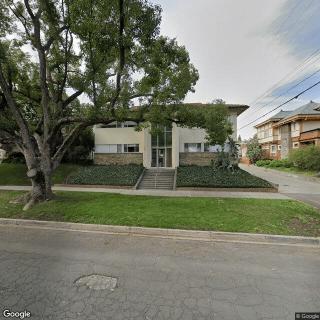
6240 Fennwood Court, Sacramento, CA 95831
For more information about senior living options: (866) 208-4318
Overall Review of Satuki Care Home
Pros
 The staff provided the best care for the mom.
- The caregivers were attentive and genuinely concerned about her needs.
- The house on Treasure Way was always clean and neat, and the staff were quick to remedy any problems.
- The care and attention to detail given to each client was amazing.
- The staff offered timely recommendations to improve the mom's comfort, and their advice was spot on.
- They informed the family about options to discuss with the mom's doctor, which was very helpful.
- The staff carefully held the cup for the mom to keep her hydrated.
- The mom enjoyed prayers with care workers at night.
- Maria and the staff provided care that supported the mom's high quality of life until the end.
- Comforts of Home cared for the mom for many years and became like extended family.
- The facility felt home-like and allowed the father to get to know his caregiver well.
- They always had fresh fruits and vegetables on hand.
Cons
 The family was forced to find another care arrangement for their mother within 24 hours, which caused scrambling.
- The reviewer initially had a hard time placing their parent because there were so many different options for senior living.
- The reviewer was not sure if Comforts of Home still offered the activities director and guitarist program.
Review
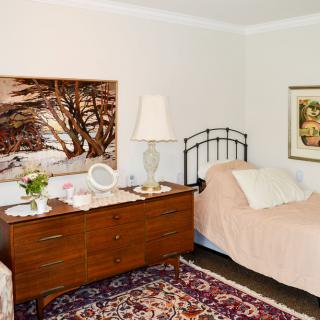
Satuki Care Home in Sacramento is best suited for families that want a truly intimate, home-like setting where care feels personal and constant. The six-bed scale creates an unusually close environment in which caregivers can learn individual routines, monitor subtle changes, and respond quickly. The tone from families suggests a steady daily rhythm built on comfort, nutrition, hydration, and a sense of belonging, rather than a large, impersonal campus. This combination tends to appeal to those prioritizing meaningful relationships, consistent emotional support, and a dignified experience for residents with dementia or those nearing end of life who benefit from steady,_PERSON-centered attention_.
That clarity of focus means alternatives may be worth exploring for some families. If the priority shifts toward robust on-site medical oversight, a broader menu of daily activities, or a larger community with more social opportunities, a bigger assisted living setting could be a better fit. The programming in a small house can be variable, with occasional notes about activities directors or live entertainment appearing on schedules but not always guaranteed in the long term. Prospective residents should verify current activity offerings and confirm that evolving medical or rehabilitative needs can be consistently met. In short, those needing more extensive nursing support or a wider activity calendar should keep other options in view.
The strongest, repeatedly observed advantages come from staff dedication and the resulting sense of family within the home. The caregiving team is described as attentive, thoughtful, and hands-on, with a focus on practical needs that intensify as dementia progresses. Families report proactive communication and practical guidance about medical decisions, with caregivers helping families navigate conversations with physicians. The care culture emphasizes spiritual and cultural preferences where desired, contributing to a sense of dignity and respect. Cleanliness and a calm atmosphere reinforce safety and comfort, while the personal attention helps residents maintain a higher quality of life even as conditions change. The involvement of trusted staff, often named in reviews as reliable and compassionate, helps cement trust.
Where the scale matters, these pros offset the main concerns by delivering unwavering personalization. The intimate setting means the caregiving team can tailor routines to the resident’s evolving needs, minimizing the sense of loss that can accompany dementia progression. Families consistently highlight honest, ongoing communication and a willingness to adapt, which reduces anxiety about care gaps. The very strength of a small, intimate home is its predictability: residents know their caregivers, routines become familiar, and emotional support remains steady. While this model may not offer the breadth of services found in larger communities, the depth of relationships and the immediacy of response translate into meaningful, daily improvements in comfort, dignity, and overall well-being.
In practical terms, the outcomes described by families point to a compelling fit for a specific profile. Residents benefit from a compassionate team that respects religious or cultural preferences, supports consistent hydration and nutrition, and maintains a sense of normalcy through daily rituals and quiet engagement. The sentiment of extended family, where staff feel like an extension of the home and care feels deeply personal, emerges as a consistent thread. Such an environment can yield lasting peace of mind for families facing the emotional terrain of dementia or late-life need, with the caveat that the same warmth may come with a quieter calendar and a smaller pool of activities.
The decision comes down to matching needs with the setting’s strengths. Satuki Care Home excels for residents who flourish on intimate attention, familiar faces, and a stable routine delivered in a small, non-institutional atmosphere. It is not the first choice for families seeking a large network of programming, broad on-site medical services, or a wide array of amenities. For those criteria, alternatives with bigger staffing rosters and more expansive activity calendars are worth evaluating. The prudent path is a structured visit, talk through current staffing levels, care practices, and the latest activity calendar, and have an open discussion about how evolving dementia or medical needs would be managed long term. When alignment exists, Satuki Care Home offers a credible, warmly practical solution that meaningfully supports families navigating complex eldercare decisions.
 6 resident community capacity
 Assisted Living
 Board and Care Home
 Cable or satellite TV
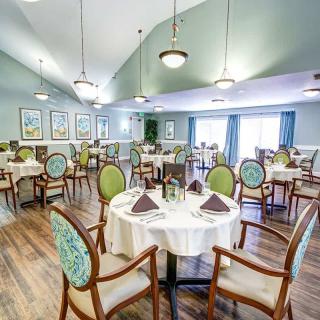
 Dining room
 Fully furnished
 Garden
 Housekeeping services
 Move-in coordination
 Outdoor space
 Telephone
 Wi-Fi/high-speed internet available
 Sacramento International (13 miles away)
 24-hour supervision
 Activities of daily living assistance
 Assistance with bathing
 Assistance with dressing
 Assistance with transfers
 Diabetes diet
 Meal preparation and service
 Medication management
 Special dietary restrictions
 Transportation arrangement (medical)
 Transportation to doctors appointments



 Vibrant Senior Living: A Comprehensive Guide for Active Older Adults
 When to Transition from Assisted Living to Memory Care: Key Indicators, Steps, and Finding the Right Community
 Assisted Living and Memory Care: Understanding Their Core Differences