
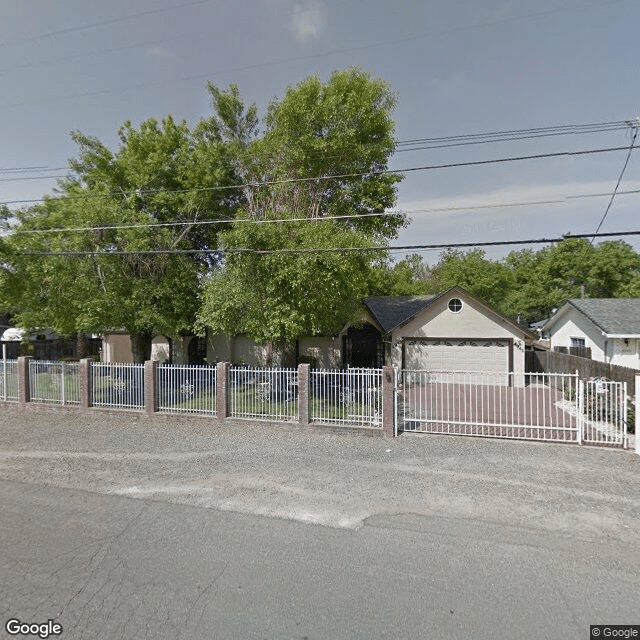
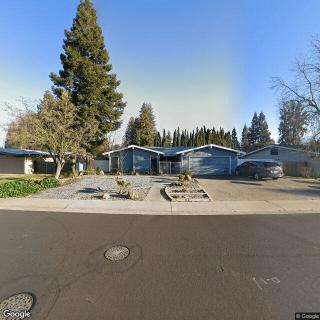
4941 Tyler St., Sacramento, CA 95841
To contact a resident: (916) 348-9316
For more information about senior living options: (866) 208-4318
Nelu's Home Care Costs & Pricing
Nelu's Home Care offers competitive pricing for its services, significantly lower than the averages in Sacramento County and across California. For a semi-private room, Nelu's charges $1,800 per month, while the same accommodation typically costs around $3,106 in the county and climbs to approximately $3,333 at the state level. Similarly, the private room rate at Nelu's is set at $2,000 per month, compared to $3,686 in Sacramento County and an average of $3,939 throughout California. This considerable difference makes Nelu's Home Care an attractive option for families seeking quality care without overstretching their budgets.
| Floor plans | Nelu's Home Care | Sacramento County | California |
|---|---|---|---|
| Semi-Private | $1,800 | $3,106 | $3,333 |
| Private | $2,000 | $3,686 | $3,939 |
Senior living communities with a similar price nearby
-
from +$200 / mo
Antelope Hills Home Care
$2,000 to $2,500 / month3.6 miles away -
from +$100 / mo
Bloomfield Hills Assisted Living
$1,900 to $2,400 / month5.4 miles away -
from -$300 / mo

Flora Care Home
$1,500 to $2,000 / month2.6 miles away -
About the same
Ciric Care Home
$1,800 to $2,800 / month7.6 miles away -
from -$200 / mo
Gormley's Retirement Home
$1,600 to $2,400 / month16.6 miles away
Overall Review of Nelu's Home Care
Pros
 Nelu's Care Home provides excellent, loving, and personalized care.
- The staff at Nelu's Care Home are outstanding.
- The care home offers compassionate support for loved ones when in-home care is no longer feasible.
- It is highly recommended for anyone needing placement outside the home.
Cons
 None detected — the provided review is entirely positive toward Nelu's Care Home.
Review
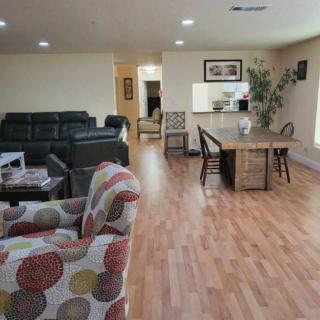
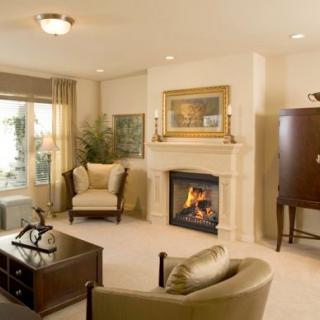
Nelu's Home Care in Sacramento is best suited for families seeking a small, intimate setting where a loved one with advanced dementia and behavioral challenges can receive intensely personalized, hands-on supervision. The strongest match is for residents whose care needs unfold in a home-like environment, with caregivers who know the person’s history, triggers, and routines and can adjust care plans quickly. The review highlights success caring for someone with severe dementia, seizures, hallucinations, and balance issues, all managed with warmth and steady, individualized attention. For families prioritizing close relationships with caregivers and a steady, compassionate rhythm of daily life, this community stands out as a practical, humane option in the Sacramento area.
Those who may want to consider alternatives include families whose loved ones require more formal medical oversight or a larger memory-care campus with abundant on-site clinicians and rehabilitative services. A facility with a broader medical footprint, more rigid clinical protocols, or a wide network of specialists may better meet needs that involve frequent physician visits, structured dementia-unit programming, or continuous skilled nursing interventions. Additionally, if the decision hinges on robust amenities, predictable 24/7 medical coverage, or a predictable, uniform care model across shifts, a bigger campus or licensed skilled-nursing setting could prove more reassuring.
The primary advantages lie in staff quality and care philosophy. The caregivers are described as outstanding, delivering loving, personalized care that respects the person’s dignity and history, an effect amplified in dementia, seizures, hallucinations, and fall risks where steady, empathetic guidance matters most. The ability to provide tailored routines, rapid adjustments, and constant, attentive presence translates into improved safety and reduced agitation. The absence of invasive interventions, such as feeding tubes or colostomies, can also be a meaningful comfort for families seeking a gentler, less clinical experience for their loved one. In short, compassionate, responsive hands-on care is the core asset.
Yet the facility presents notable drawbacks that should temper expectations. With two reviews yielding a three-star overall rating, the picture is one of variable experiences rather than consistent excellence. The small sample size limits confidence about how care holds up across weekends, nights, or fluctuating staff availability. The lone low rating signals that not every family will share the same satisfaction, and the lack of published detail about the concerns means potential residents should pursue thorough conversations about how issues are escalated and resolved. Prospective families must probe staffing stability, caregiver continuity, and the facility’s approach to crisis management.
Those positive qualities can offset some concerns, but not all. For families prioritizing warmth, individualized attention, and nimble responsiveness to evolving dementia symptoms, the care team’s dedication can compensate for the absence of a large medical infrastructure. A small, tightly knit operation often yields quicker relationship-building and a more predictable day-to-day routine, which matters deeply for residents with hallucinations or seizure risk. On the other hand, for residents whose needs extend beyond daily support into frequent medical oversight, complex medication regimens, or high-acuity supervision, the constraints of a smaller home may become a liability. The decision hinges on aligning the care environment with the resident’s medical complexity and the family’s tolerance for variability.
Practical steps for families facing this choice are straightforward and essential. Arrange a direct visit to meet frontline caregivers and observe interactions with residents, review sample care plans, and ask how plans adapt to changes in cognition, agitation, or safety concerns. Inquire about who provides medical oversight, how often physicians are on-site or accessible, and what the escalation pathway looks like during evenings and weekends. Clarify staffing ratios and turnover, and request to speak with current families about day-to-day experiences. Consider proximity to home, total cost, and what constitutes a “good day” in this setting. If warmth, responsiveness, and individualized attention are the top priorities, Nelu’s Home Care deserves serious consideration; if the need is for higher medical intensity and scale, it’s prudent to keep exploring other options.
 Board and Care Home
 Private
 Sacramento International (13 miles away)
 High acuity care
 Incontinence care
 Medication management

 Seniors and Modern Transportation: Exploring Uber, Lyft, and Other Ride-Hailing Options
 Comprehensive Guide to Qualifying for Home Health Care Services
 Powerful Realities of Elder Abuse and the Most Effective Ways to Report It