
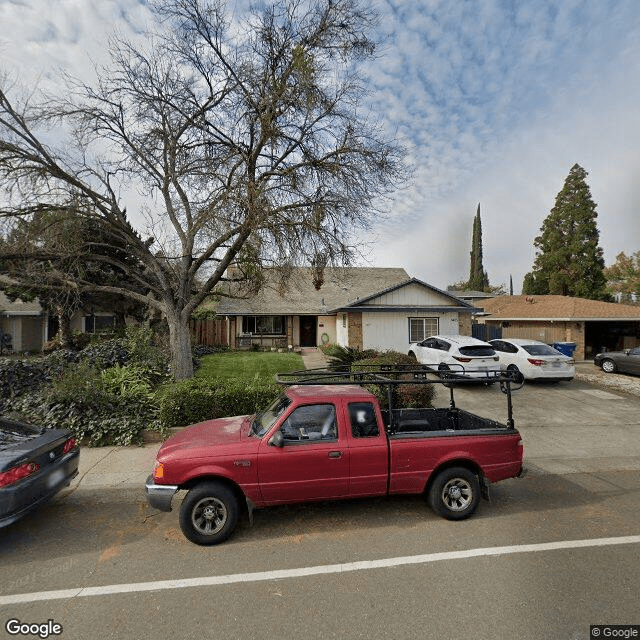
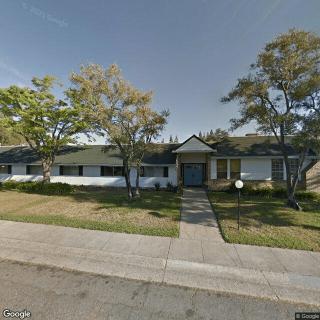
3405 Huntsman Dr., Sacramento, CA 95826
To contact a resident: (916) 363-5688
For more information about senior living options: (866) 208-4318
Marinas Manor Costs & Pricing
Marinas Manor offers an appealing and cost-effective option for those seeking residential care, with monthly rates significantly lower than both Sacramento County and the broader California state averages. For a semi-private room, residents pay $1,800, which contrasts sharply with the county's average of $3,106 and the state's average of $3,333. Similarly, private rooms at Marinas Manor are priced at $2,200, well below Sacramento County's $3,686 and California's $3,939 averages. This pricing structure highlights Marinas Manor as not only a quality choice for care but also an economically sensible one within the competitive landscape of residential services in the region.
| Floor plans | Marinas Manor | Sacramento County | California |
|---|---|---|---|
| Semi-Private | $1,800 | $3,106 | $3,333 |
| Private | $2,200 | $3,686 | $3,939 |
Senior living communities with a similar price nearby
-
from +$200 / mo
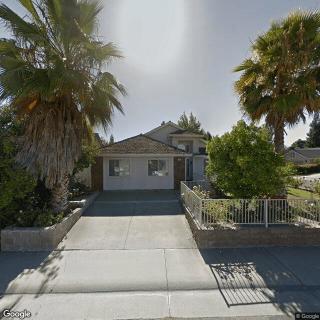
Antelope Hills Home Care
$2,000 to $2,500 / month10.5 miles away -
from +$100 / mo
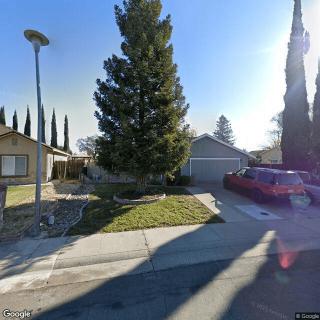
Bloomfield Hills Assisted Living
$1,900 to $2,400 / month11.7 miles away -
from -$300 / mo

Flora Care Home
$1,500 to $2,000 / month6.9 miles away -
About the same
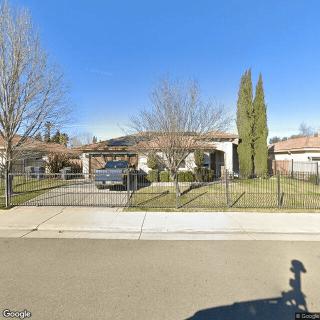
Ciric Care Home
$1,800 to $2,800 / month8.3 miles away -
from -$200 / mo
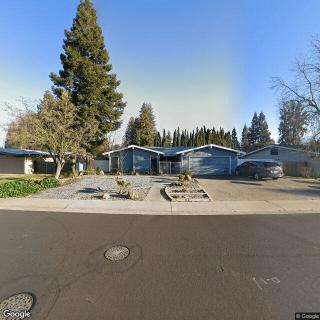
Gormley's Retirement Home
$1,600 to $2,400 / month9.7 miles away
Overall Review of Marinas Manor
Pros
 The staff, including Cynthia, were friendly and helpful.
- The rooms were clean and of good size.
- The atmosphere was pleasant and the people were kind.
- The facility offered bingo, field trips, and various activities.
- A friend's mother did very well there.
Cons
 The reviewer did not choose it because it was 40 minutes away from their home.
- They would have chosen that place if it had been closer to their home.
Review
Marinas Manor in Sacramento is best suited for seniors who prize a warm, personable atmosphere, attentive front-line staff, and an active daily rhythm. Families that value hands-on tours, clear communication, and social opportunities will find this setting compelling. The commuting reality matters: the home visit from the reviewer's perspective came with a roughly forty-minute drive, which can be a practical constraint for ongoing family involvement. In short, this community serves well for those who can balance a longer drive with a steady cadence of in-person interaction and reliable day-to-day engagement.
Those who should consider alternatives include families for whom daily proximity is non-negotiable or residents with higher care needs requiring more on-site medical infrastructure. If frequent visits, quick access to family, or shorter access to emergency support weigh heavily, a closer option may reduce stress for both resident and caregivers. Also, if the intent is a facility with a broader network of specialized therapies or very specific medical routines, it’s wise to compare options that emphasize proximity and size.
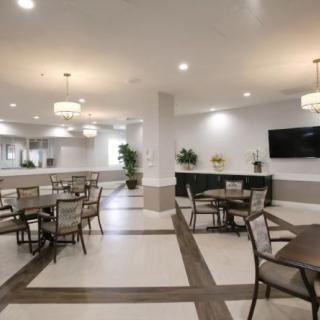
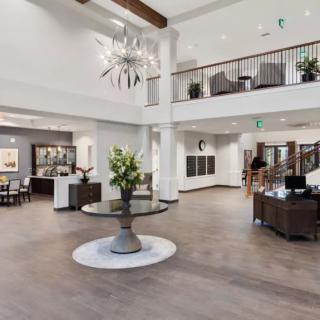
From the visitor's account, the staff makes a strong initial impression. Cynthia, in particular, stands out as a consummate host, clear, patient, and sincerely welcoming. The environment feels clean and well maintained, with rooms that are comfortable in size and appear well cared for. The social calendar, bingo, field trips, and varied activities, creates daily structure that supports both cognitive engagement and mood. The atmosphere feels gentle and inclusive, which is exactly what many families are seeking for a parent or loved one who benefits from steady social contact and predictable routines. The positive outcome for a friend's mother reinforces the practical value: residents tend to do well when supported by a warm, consistent staff presence and opportunities to participate in meaningful activity.
The primary drawback is geographic: the distance between family homes and the community. While not a flaw in quality, it translates into limited spontaneity of visits and potential scheduling friction for regular family involvement. Some families will find that a need for frequent, unscheduled check-ins or easier access to nearby services makes other options more attractive. With only one reviewed account, there is also limited detail on the full spectrum of medical or therapeutic capabilities, so families should verify the level of care available, especially if maintaining continuity of care is essential.
Yet the upside of Marinas Manor partly neutralizes the distance challenge. A director-level sense of purpose shows in the staff’s daily interactions, and that translates into real-life comfort for residents. Clean, adequately sized rooms and a calm, friendly vibe reduce anxiety about the move. An active calendar ensures that social participation isn’t sacrificed due to the commute, residents are invited to engage on-site, with excursions that create social value beyond the walls of the building. For families who can arrange reliable transportation or plan regular visits, these elements convert the location drawback into a manageable trade-off for a high-quality daily experience.
Decision guidance: Marinas Manor is a strong pick for families prioritizing companionship, gentle pace, and a reliable, friendly staff. It excels when proximity is workable and when a resident benefits from a thriving activity program. If proximity is non-negotiable, or if the resident requires a higher level of on-site medical support or more immediate access to caregivers, alternatives closer to home should be explored. Plan a longer in-person visit, speak with Cynthia to gauge engagement style and responsiveness, inspect room sizes, and confirm what transport options exist for outings. When these checks align, Marinas Manor becomes a practical, well-supported choice that can deliver meaningful quality of life without compromising on daily warmth and social vitality.
 Board and Care Home
 Private
 Sacramento International (16 miles away)
 California's Form 602A: An In-Depth Examination of Senior Care Assessment
 Comprehensive Look at Senior Blood Pressure Charts: Normal and Elevated Levels by Age
 Top Canine Companions for Older Adults