
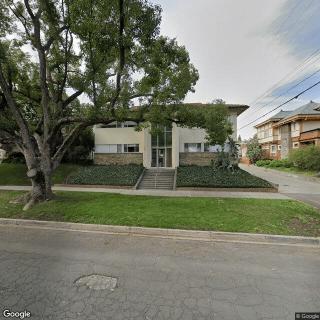
3411 College Avenue, Sacramento, CA 95818
For more information about senior living options: (866) 208-4318
Overall Review of College Care Facility (Closed)
Pros
 The staff are welcoming and the atmosphere is positive.
- The care is excellent and the team provides round-the-clock support.
- The building and rooms are very clean.
- The staff are kind, friendly, knowledgeable, and professional.
- The facility is highly recommended for great care.
- The management team is excellent and the staff genuinely care for residents.
- The facility is well managed and treats residents with dignity and compassion.
- The care team is attentive, treating loved ones like family.
- The facility is a great place for rehabilitation with attentive care.
- The meals are good.
Cons
 The administration was terrible; they washed, misplaced, and gave away patients’ clothes to other patients, with many complaints and months of waiting for compensation.
 - They refused to put rails on the grandmother’s bed, claiming it was against California law, which raised safety concerns for fall prevention.
- They started putting diapers on a woman who was not incontinent because it was easier for staff than helping her to the bathroom.
- There were documented issues with communication and documentation, including orders not being updated and insulin being given to a non-diabetic patient.
- The environment was described as creepy and unhygienic, with fights in the hallways, residents sitting in hallways, and a noticeable urine trail near the entrance.
- The facility was labeled “House of horrors,” and the reviewer stated they would not recommend anyone go there.
Review
This community is best suited for families seeking attentive, hands-on nursing and rehabilitation, especially after orthopedic surgery, falls, or other events that require around-the-clock support. The facility consistently shows strength in direct care: dedicated CNAs, capable nursing staff, and well-coordinated physical and occupational therapy, with wound care and personal-hygiene services in frequent operation. Language access is a practical bonus, as staff can accommodate Spanish-speaking residents and families. For families who want to be actively involved in care planning, progress updates, and daily routines, this environment delivers. Those who cannot maintain regular, proactive engagement or who expect flawless administration may want to consider other options.
Alternatives are worth considering for residents whose priorities extend beyond bedside care and rehab coordination. Several reviews flag inconsistent administrative processes and fragmented communication as persistent friction points. If reliable, transparent coordination with administration, case management, and medical providers is non-negotiable, this facility may feel frustrating at times. Families who value a consistently seamless intake, billing, and transfer of information, without having to advocate aggressively at every turn, will likely want to compare other nearby options with stronger track records on operations.
On balance, the strongest pro here is the level of direct, professional care and the rehab ecosystem. The nursing staff, therapists, and wound-care teams are repeatedly praised for knowledge, responsiveness, and a patient-first approach. The environment is described as clean and well-organized, with many reviewers noting that staff appear engaged and attentive. When care is administered, residents often experience meaningful progress, and multiple accounts highlight caregivers who treat residents with dignity and compassion. For families prioritizing robust rehab potential and genuine daily caregiving, these qualities can make a meaningful difference in recovery and daily quality of life.
Equally important are the recurring concerns about administration and operational reliability. Several families report lost or mismanaged belongings, delays in addressing questions, and a disconnect between day and night teams. There are specific, disturbing anecdotes about medication administration errors and safety decisions that were locally disputed, along with frustrations over communication gaps after a loved one’s discharge or death. In short, the care staff can be excellent; the systems that should support them, documentation, follow-through, and customer service, sometimes fall short. These gaps have real emotional and logistical costs for families navigating complex care needs.
This is one of those facilities where the pros can offset the cons if a family stays actively involved and manages expectations. The high touch, professional care and the strong rehab component provide tangible value for residents who require ongoing therapy and skilled nursing. Bilingual staffing helps reduce language barriers, and a stable, compassionate caregiving culture can translate into trust and continuity for long-term residents. Yet the risk remains that administrative lapses, miscommunications, and logistical mishaps will derail otherwise positive experiences. For families choosing this site, planning ahead and maintaining regular, explicit lines of communication with clinicians and the front office is essential.
Bottom line: this community can be a solid choice for families who value hands-on, facility-wide nursing and rehab excellence and who are prepared to stay vigilant about administrative routines. The decision hinges on tolerance for operational hiccups and the willingness to actively partner with staff to manage care continuity, belongings, and documentation. If prioritizing flawless administration and perfectly coordinated care handoffs, explore alternatives with stronger administrative reputations. If, instead, the priority is strong clinical care and robust rehabilitation potential delivered with real warmth, this facility warrants serious consideration, with a clear plan to stay engaged and hold the line on communication and safety.
 5 resident community capacity
 Assisted Living
 Board and Care Home
 Cable or satellite TV
 Dining room
 Fully furnished
 Garden
 Housekeeping services
 Move-in coordination
 Outdoor space
 Telephone
 Wi-Fi/high-speed internet available
 Sacramento International (12 miles away)
 24-hour supervision
 Activities of daily living assistance
 Assistance with bathing
 Assistance with dressing
 Assistance with transfers
 Diabetes diet
 Meal preparation and service
 Medication management
 Special dietary restrictions
 Transportation arrangement (medical)
 Transportation to doctors appointments







 Medicare Coverage for Assisted Living: An In-Depth Exploration
 Choosing the Right Senior Care: A Detailed Exploration of Assisted Living and Nursing Homes
 Understanding the True Cost of Assisted Living in 2025: A Comprehensive Guide