
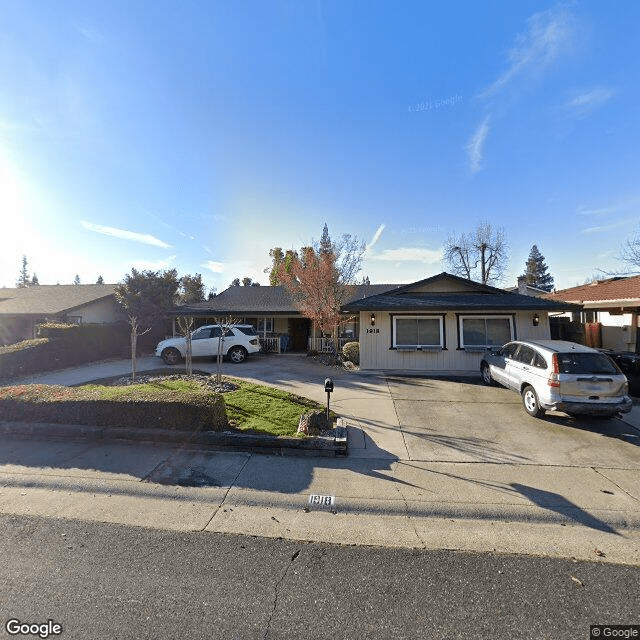
1918 Mclaren Dr., Roseville, CA 95661
To contact a resident: (916) 765-1204
For more information about senior living options: (866) 208-4318
Sue's Goldin Care #2 Costs & Pricing
Sue's Goldin Care #2 offers competitive pricing for its services compared to both Placer County and the broader California market. For those seeking a semi-private room, Sue's facility charges $2,500 per month, significantly lower than the county average of $3,489 and state average of $3,333. Likewise, in the private room category, the monthly cost at Sue's is $3,000, which is more affordable than both the county rate of $4,026 and the state level of $3,939. This positioning indicates that Sue's Goldin Care #2 not only provides quality care but does so at a price point that represents a substantial savings for families looking to secure comfortable accommodations for their loved ones.
| Floor plans | Sue's Goldin Care #2 | Placer County | California |
|---|---|---|---|
| Semi-Private | $2,500 | $3,489 | $3,333 |
| Private | $3,000 | $4,026 | $3,939 |
Senior living communities with a similar price nearby
-
About the same
Sunrise Senior Care
$2,500 to $3,500 / month3.3 miles away -
About the same

Gina's Home Care
$2,500 / month7.5 miles away -
About the same
Lucian Home
$2,500 / month1.1 miles away -
from +$152 / mo

All Care Home Health Svc
$2,652 / month9.3 miles away -
About the same
A Five Star Residence for Seniors
$2,500 to $3,200 / month1.7 miles away
Overall Review of Sue's Goldin Care #2
Pros
 The location was good.
- One caregiver seemed outstanding.
- The home was relatively clean.
Cons
 The experience was terrible.
- There were medication mishaps, even when brought to their attention.
- The facility is dirty.
- The caregivers don’t listen to residents.
- The staff told her they weren’t there to take care of her; they were there to babysit her.
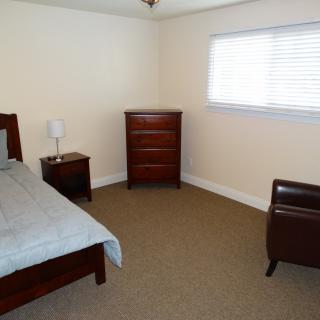
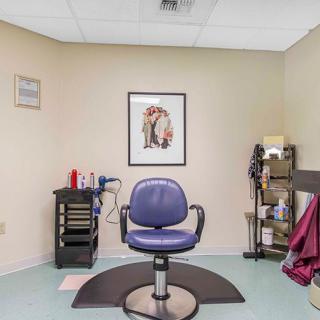
- The home feels bare in the public areas and does not feel homey; the backyard needs attention.
- The reviewer would not recommend this place to anyone.
- They would rather drive further to where mom is currently residing and are not excited about this option.
Review
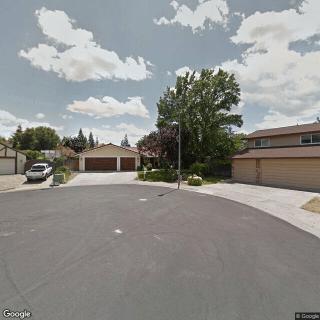
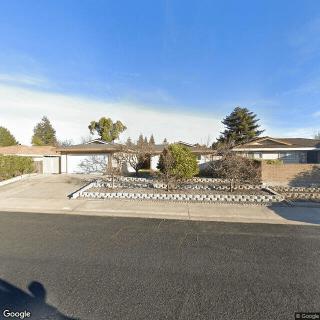
Sue's Goldin Care #2 in Roseville is best suited for families who are budget-conscious and need a local option they can supervise, rather than a pristine, highly polished environment. The community presents as a modest, smaller home with a monthly price in the $3,000–$3,500 range, varying by level of care. Staffing follows a 3–4 day on/3–4 day off rotation, which can work for families able to actively coordinate or supplement care. The atmosphere leans practical rather than warm, with public areas that feel bare and a backyard that shows signs of neglect. The clear upside is the possibility of an outstanding caregiver on certain shifts, suggesting that when the team aligns well with a resident’s needs, meaningful help can happen.
There is a strong precautionary message for certain families: those who require meticulous medication management and consistently attentive, resident-centered listening should consider alternatives. The reviews repeatedly flag medication mishaps even when concerns are raised, and residents report staff who do not listen or engage meaningfully, sometimes framing their role as “babysitting” rather than caregiving. In a setting where medical oversight and responsive communication are non-negotiables, this community is unlikely to deliver the reliability needed for long-term comfort and safety. Alternatives with stronger clinical oversight and more resident-focused staffing warrant serious consideration.
On the flip side, a few practical positives do exist. The price point is a real draw in a market where assisted living costs can eclipse budgets quickly, and the potential for a dependable caregiver on a given schedule can offer valuable continuity. The location’s convenience is another practical advantage for families juggling visits, errands, and coordinated care across multiple providers. Taken together, these elements mean Sue's Goldin Care #2 can function as a feasible interim arrangement for families prepared to actively supervise and advocate, rather than a guaranteed long-term residence.
Yet the core drawbacks loom large. Medication mishaps undermine resident safety and erode trust in the care team’s competence. The facility’s cleanliness and overall ambiance, described as dirty and not homey, undercut the sense of security and comfort that families expect from a supportive living arrangement. The recurring claim that caregivers do not listen and treat care as babysitting points to a persistent gap between staff actions and resident needs. Outdoor and yard maintenance issues add to a perception of neglect, which can worsen overall quality of life and willingness to stay long-term.
When weighing the pros against the cons, the scales tip toward caution. The affordability and the possibility of a competent caregiver on some days are real benefits, but those advantages are repeatedly outweighed by safety and quality concerns. The environment, cleanliness, and staff responsiveness appear inconsistent, making ongoing advocacy essential and, for many families, exhausting. This is not a setting that will reliably deliver dependable care without substantial family involvement and oversight. If the situation cannot be monitored closely, the risk of adverse events and resident dissatisfaction rises significantly.
The practical conclusion is clear. For families that can commit to regular on-site oversight, place a premium on affordability, and are prepared to implement strict care plans with explicit accountability, Sue's Goldin Care #2 could serve as a temporary, budget-conscious option. For those who cannot tolerate medication risks, frequent care gaps, or a bare, less-than-homey environment, pursuing other communities with stronger clinical protocols, cleaner spaces, and staff who consistently listen is strongly recommended. In short, this community is an option only for carefully defined scenarios, with explicit guardrails, clear expectations, and an exit strategy if the care proves unstable.
 Board and Care Home
 Private
 Sacramento International (18 miles away)
 Diabetic care

 Supportive Employee Benefits That Help Caregivers Attain Better Work-Life Harmony
 Top Cars for Senior Drivers and Essential Safety Innovations
 A Closer Look at Private Pay Home Care